
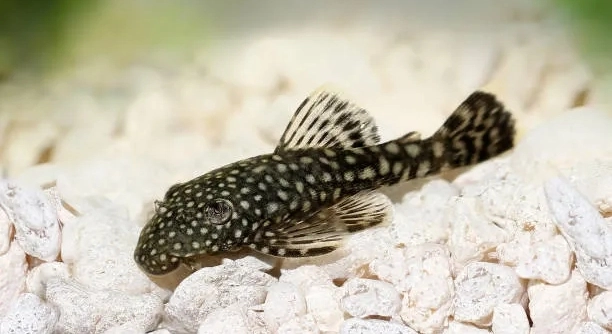
Have you ever wondered if your Bristlenose Pleco could enjoy more than just algae wafers and vegetables commonly found in aquariums? Many aquarists look for safe and nutritious foods to add variety to their pleco’s diet.
Bristlenose Plecos can safely eat blanched carrots as part of their diet. Blanching softens the carrots, making them easier for plecos to consume while preserving essential nutrients. This provides a healthy supplement to their regular plant-based food sources.
Including blanched carrots can offer both nutrition and enrichment, making mealtime more enjoyable for your pleco and supporting a balanced, vibrant aquarium environment.
Nutritional Value of Blanched Carrots for Bristlenose Plecos
Blanched carrots are a great addition to your Bristlenose Pleco’s diet because they provide essential vitamins and minerals. Carrots are rich in beta-carotene, which helps enhance coloration and supports overall health. When blanched, their texture becomes soft, making it easier for plecos to graze and digest. This cooking process also helps release nutrients without completely breaking them down, ensuring your fish benefits from every bite. Since Bristlenose Plecos naturally feed on plant matter, adding blanched carrots fits perfectly into their dietary needs. However, they should be offered as a supplement, not a replacement, for their regular food sources such as algae wafers and zucchini.
Feeding blanched carrots once or twice a week provides variety in their diet, prevents boredom, and supports better nutrition without overfeeding or causing water quality issues.
When prepared correctly, blanched carrots offer both taste and nourishment, making them a healthy and enjoyable treat for your aquarium companions.
How to Prepare and Feed Blanched Carrots
Start by washing the carrots thoroughly to remove any dirt or pesticide residue. Slice them into thin, manageable pieces that your pleco can easily nibble. Boil the slices briefly—usually two to three minutes—until they soften slightly but still retain their shape. After boiling, immediately place them in cold water to stop the cooking process and preserve nutrients. Once cooled, the carrot pieces can be placed directly into the tank.
When feeding, offer only small portions that your Bristlenose Pleco can consume within a few hours. Remove any uneaten pieces afterward to maintain clean water conditions. Overfeeding can lead to decaying food, which may increase ammonia levels and harm the aquarium’s balance. You can alternate carrots with other vegetables such as cucumber, zucchini, or spinach to create a well-rounded feeding schedule. Observing how your pleco interacts with the new food can help you adjust portion sizes and frequency over time.
Feeding Frequency and Portion Control
Bristlenose Plecos do not need large servings of vegetables daily. Feeding small portions of blanched carrots once or twice per week is enough to provide nutrients without overloading the tank or upsetting the pleco’s regular diet balance.
Carrots should complement their staple diet of algae wafers, sinking pellets, and natural algae growth within the aquarium. A small slice or two is ideal for a single pleco. If the carrot remains uneaten after several hours, remove it promptly to maintain water quality. Overfeeding can lead to excess waste and cloudy water, which affects both fish health and tank cleanliness. Maintaining consistency in feeding habits ensures that your pleco stays healthy and the environment remains stable for other tank mates.
Creating a simple feeding routine helps prevent digestive issues while keeping your pleco’s energy levels steady. It also encourages natural grazing behavior, making feeding time both beneficial and engaging.
Signs Your Bristlenose Pleco Enjoys Blanched Carrots
A pleco that enjoys blanched carrots will quickly approach the food and start rasping at it with its mouth. You may notice small bite marks or thinning edges on the carrot slices after a few hours, indicating active feeding behavior.
Consistent interest in carrots shows that your pleco tolerates and benefits from the addition. Brighter colors and steady energy are also good signs of improved health. If your pleco avoids the carrots, it could mean they are overcooked, too large, or simply not preferred at that time. Try offering smaller pieces or adjusting blanching time. Observing these small reactions helps you tailor feeding to your pleco’s preferences, ensuring they get both enjoyment and nutrition without unnecessary waste in the aquarium.
Possible Risks of Feeding Blanched Carrots
Feeding too many blanched carrots can lead to digestive problems for Bristlenose Plecos, as they are naturally accustomed to softer, algae-based foods. Excess carrots can also release sugars into the tank, affecting water quality and bacterial balance.
Carrots left in the tank for too long may decompose, producing waste that raises ammonia levels. This can stress your pleco and other fish. Always remove leftovers after feeding and offer carrots sparingly to keep the aquarium healthy and the diet balanced.
Other Vegetables Suitable for Bristlenose Plecos
Besides blanched carrots, other safe vegetables include zucchini, cucumber, spinach, and green beans. These vegetables are soft, nutrient-rich, and easy for plecos to digest. Rotating different vegetables ensures a variety of nutrients and keeps feeding time interesting. Blanching each vegetable helps soften it while preserving vitamins, promoting healthy digestion and vibrant color in your pleco.
Maintaining a Balanced Diet
A varied diet combining vegetables, algae wafers, and plant-based pellets supports overall growth and vitality. This mix ensures your pleco receives all essential nutrients while maintaining its natural grazing behavior and digestive balance.
FAQ
Can Bristlenose Plecos eat raw carrots instead of blanched ones?
Raw carrots are too hard for Bristlenose Plecos to chew and digest properly. Their mouths are adapted for rasping soft surfaces such as algae and vegetables with a tender texture. Feeding raw carrots may cause difficulty in eating and potential digestive discomfort. Blanching helps soften the carrots while maintaining most nutrients. It also makes the pieces safer and easier to consume. If you prefer offering raw vegetables occasionally, slice them very thinly, but blanched is always the better and safer option for your pleco’s overall health.
How often should I feed blanched carrots to my Bristlenose Pleco?
Feeding blanched carrots once or twice per week is ideal. This frequency ensures variety without overloading your pleco with too many carbohydrates or disrupting its main diet. Plecos primarily feed on algae and plant-based sinking foods, so carrots should only serve as a supplement. Providing them too often could make your pleco ignore other food sources. Keeping a balanced feeding schedule helps maintain proper nutrition and prevents digestive problems. Always remove uneaten carrot pieces after a few hours to keep your aquarium clean and healthy.
How long should I blanch carrots before giving them to my pleco?
Blanching should be done for two to three minutes in boiling water. This short time softens the carrots just enough for your pleco to graze comfortably. After blanching, transfer them immediately into cold water to stop the cooking process and preserve nutrients. Avoid overcooking, as mushy carrots can cloud the water and fall apart quickly. Proper blanching also helps release natural sweetness, making the carrots more appealing to your fish. Test the texture before adding them to the tank; they should be soft but not falling apart.
Can baby Bristlenose Plecos eat blanched carrots?
Yes, baby plecos can eat blanched carrots, but the pieces should be very thin and soft. Young plecos have smaller mouths and weaker rasping ability, so offering finely sliced or lightly mashed carrot pieces is safer. Introduce them gradually and observe how the fry reacts. Carrots provide beta-carotene and fiber, which support growth and digestive health. However, their primary diet should still consist of algae and specialized fry foods. Offering small amounts of blanched vegetables encourages natural grazing habits early on and supports healthy development.
What should I do if my Bristlenose Pleco refuses to eat carrots?
If your pleco ignores the carrots, it may be due to unfamiliarity or preference for other foods. Try blanching them slightly longer to soften more or cut them thinner. You can also leave them in the tank overnight, as plecos are mostly nocturnal and may eat after lights go out. If your pleco continues to ignore them, remove the carrots and offer other vegetables such as zucchini or cucumber. Every pleco has its preferences, so experimenting with different vegetables helps determine what your fish enjoys most.
Can blanched carrots affect the water quality in my aquarium?
Yes, if left in the tank for too long, blanched carrots can break down and release organic matter, raising ammonia levels. This can lead to cloudy water and bacterial imbalance. Always remove any uneaten carrot pieces after three to four hours to prevent contamination. Feeding in moderation and maintaining regular water changes help keep conditions safe. Using a feeding clip or placing the carrots in a specific corner also makes cleanup easier. Keeping your aquarium clean ensures both your pleco and other fish thrive in a stable, balanced environment.
Do blanched carrots help improve my Bristlenose Pleco’s color?
Yes, carrots contain beta-carotene, a natural pigment that enhances coloration in many fish. When fed occasionally, blanched carrots can help bring out richer tones in your pleco’s body and fins. The improvement may be subtle, but over time, consistent feeding with beta-carotene-rich vegetables supports brighter and healthier coloration. However, color also depends on factors such as lighting, genetics, and overall diet balance. Combining carrots with other nutrient-dense foods ensures your pleco stays vibrant and strong.
Can I feed frozen carrots to my Bristlenose Pleco?
Frozen carrots can be used if prepared properly. Always thaw them completely and blanch briefly before feeding. Freezing can slightly alter texture, so reheating and cooling them improves softness and makes them easier for plecos to eat. Avoid feeding directly from frozen, as it can cause temperature shock and harm your fish. Frozen vegetables can be convenient and safe, as long as they are prepared the same way as fresh ones.
Are blanched carrots safe for community aquariums?
Blanched carrots are safe for most community tanks. Other fish, shrimp, and snails may also enjoy nibbling on the vegetable, which can make feeding time more interactive. Just ensure that portions are small and removed when finished to prevent waste accumulation. Carrots are naturally non-toxic and mild, posing no threat to tank mates. Regular cleaning and careful feeding will keep the aquarium stable. Sharing vegetables among species can even encourage peaceful foraging behavior and reduce competition for food.
Final Thoughts
Feeding blanched carrots to Bristlenose Plecos can be a healthy and rewarding addition to their diet when done properly. These vibrant vegetables provide natural nutrients such as beta-carotene, fiber, and essential vitamins that support their overall health. When blanched, carrots become soft enough for plecos to rasp easily, making them both safe and digestible. While they should not replace the pleco’s primary diet of algae wafers, plant-based pellets, and natural biofilm, they make an excellent supplement. Adding carrots occasionally helps introduce variety into their feeding routine and encourages natural grazing behavior, which is beneficial for their physical and mental well-being.
Maintaining balance is the key to successfully feeding blanched carrots. Offering small pieces once or twice per week is usually enough to provide a boost of nutrition without overwhelming their system or the tank environment. Overfeeding vegetables can cause water quality issues, leading to unwanted waste buildup. Therefore, it is always important to remove any leftovers after a few hours. The carrots should be blanched just long enough to soften but not turn mushy, as this helps retain most of their nutrients. Paying attention to portion control, texture, and feeding frequency ensures your pleco benefits from the treat without compromising the cleanliness of the aquarium. Proper preparation and observation will make feeding time easier and more enjoyable for both you and your fish.
Blanched carrots not only contribute to a nutritious diet but also help enhance your pleco’s natural coloration. The beta-carotene found in carrots can bring out deeper tones, making your fish appear more vibrant over time. This improvement is subtle but adds to their overall beauty and vitality. Watching your pleco actively rasp at a piece of carrot can also be a pleasant sight, reflecting their comfort and contentment within the tank. Variety in diet supports longevity, strengthens the immune system, and keeps your pleco engaged. Including vegetables like zucchini, cucumber, or spinach along with carrots will help maintain a complete and balanced diet. By observing your pleco’s response to different foods, you can tailor their feeding routine to suit their preferences. With consistent care and thoughtful feeding, your Bristlenose Pleco will thrive, showing not only good health but also lively, natural behavior that adds charm to your aquarium.

Hello,
If you enjoy the content that we create, please consider saying a "Thank You!" by leaving a tip.
Every little bit helps us continue crafting quality advice that supports the health, happiness, and well-being of pets around the world, for pets of all shapes, sizes, and species.
We really appreciate the kindness and support that you show us!