
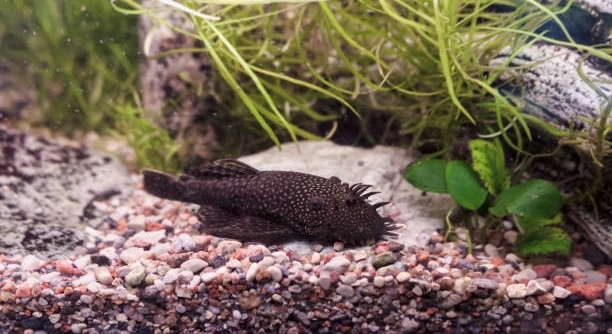
Your pleco might swim past the zucchini in its tank without a second glance. Many owners are surprised when their fish ignores a fresh vegetable, even when it seems perfectly prepared and ready to eat.
Plecos may ignore zucchini due to a combination of dietary preference, water quality, and the vegetable’s texture or preparation. Fish often favor certain foods, and an unappealing or improperly prepared zucchini can lead to avoidance. Environmental factors also influence feeding behavior.
Learning why zucchini is skipped can improve feeding habits and overall pleco health. This understanding will help ensure your fish receives a balanced diet that meets its nutritional needs.
Why Plecos Sometimes Ignore Zucchini
Plecos can be picky eaters, and zucchini is not always their first choice. Even when fresh and soft, some plecos simply don’t like the texture or taste. Often, owners prepare the zucchini in a way that seems perfect to humans but doesn’t appeal to fish. Water temperature and tank conditions also play a role. If the water is too cold or too warm, plecos might lose interest in certain foods, including vegetables. Some plecos prefer algae or other natural foods found in their environment. Overfeeding with other items like pellets or flakes can also reduce their interest in zucchini. It is important to vary the diet and observe what your fish prefers. Offering zucchini at different times and in smaller amounts may encourage eating. Sometimes, blanching or lightly steaming zucchini can make it easier for plecos to nibble, increasing the likelihood they will accept it into their diet.
Plecos might also avoid zucchini if they feel stressed or insecure in their tank environment.
Understanding the interaction between diet, tank conditions, and fish behavior helps improve feeding success. Observing your pleco’s habits over time provides insight into their preferences. Adjusting preparation, size, and placement of zucchini can encourage them to eat. Consistency and patience are key when introducing new vegetables. It’s also helpful to rotate different greens and vegetables to maintain variety. By monitoring their responses and making small adjustments, you can help ensure plecos get proper nutrition while respecting their natural instincts and tendencies. Feeding becomes less frustrating and more manageable when you understand these small but important details.
Preparing Zucchini for Plecos
Cutting zucchini into thin slices makes it easier for plecos to eat.
Blanching zucchini softens the texture without losing nutrients, which plecos find more appealing. Raw zucchini can sometimes be too firm, and fish may struggle to bite through it. Removing seeds can prevent digestive issues, especially for smaller plecos. Offering zucchini at different times, such as during evening hours, aligns with their natural feeding habits. Freezing slices briefly can also help create a softer texture. Always observe how your pleco interacts with the zucchini after preparation. Adjustments like boiling lightly or shredding can make a significant difference. Combining zucchini with algae wafers or other preferred foods may also entice them to try it. Consistent observation and minor changes in preparation can gradually improve acceptance. Proper presentation, timing, and texture are essential to encourage plecos to include zucchini in their diet while supporting their overall health.
Tank Conditions Affect Feeding
Water quality has a direct effect on pleco eating habits. Poor water parameters can make fish stressed, reducing their interest in vegetables like zucchini. Clean water and stable conditions encourage normal feeding patterns and overall health.
Maintaining proper water temperature, pH levels, and cleanliness is essential. Plecos are sensitive to sudden changes, and even small fluctuations can cause them to avoid food. Regular water changes and monitoring of tank conditions ensure plecos remain comfortable. Stress from overcrowding or incompatible tank mates can also make them skip meals. A well-maintained environment supports consistent eating habits and helps prevent nutritional deficiencies. By keeping conditions stable, plecos are more likely to accept new foods, including vegetables, as part of a balanced diet.
Tank decorations and hiding spots influence feeding behavior. Plecos need areas where they feel secure. If they sense danger or lack cover, they may swim away from offered zucchini. Proper placement of food near safe areas encourages eating. Observing the fish and adjusting the tank layout slightly can make them more willing to try new foods.
Feeding Schedule and Habits
Consistency in feeding times encourages plecos to eat regularly. Irregular schedules can confuse fish, leading to skipped meals and food avoidance.
Plecos thrive on routine. Offering zucchini at the same time each day helps them recognize it as a food source. Smaller, more frequent feedings can be more effective than one large portion. Observing how your pleco reacts to the schedule allows for small adjustments to encourage better eating. Overfeeding with pellets or other treats can reduce interest in vegetables. Reducing alternative food temporarily may increase acceptance of zucchini. Patience and observation are key. Some plecos take days to adjust to new foods. Feeding habits should align with natural behavior, such as offering vegetables during evening hours when plecos are more active.
Changing the feeding schedule can sometimes improve zucchini consumption. Gradually introducing vegetables alongside their preferred foods creates positive associations. Timing, portion size, and presentation all play a role. Tracking feeding patterns over weeks helps identify what works best. Combining these adjustments with proper tank conditions ensures the pleco receives balanced nutrition. Consistent, thoughtful changes prevent stress while supporting healthy feeding habits.
Texture and Size Matter
Plecos are sensitive to the texture of vegetables. Thick or tough slices can discourage eating. Cutting zucchini into thinner, manageable pieces makes it easier for them to nibble and digest.
Size also plays a role. Large chunks can be intimidating or difficult to handle, while smaller slices encourage consistent feeding.
Observing Preferences
Each pleco has its own tastes. Some prefer softer vegetables, while others enjoy firmer textures. Observing which preparation your pleco responds to allows you to adjust feeding methods for better acceptance. Tracking preferences over time helps provide a balanced diet that matches their natural habits.
Avoiding Overfeeding
Overfeeding can reduce interest in vegetables like zucchini. Too many pellets or treats make plecos less likely to try new foods.
FAQ
Why does my pleco ignore zucchini completely?
Plecos may ignore zucchini because it does not appeal to their taste or texture preferences. Some fish prefer softer or thinner vegetables, while others favor natural algae or plant matter already present in the tank. Stress, water quality, and tank setup can also affect their willingness to eat. Observing your pleco and trying small adjustments in preparation or presentation often helps.
Can plecos eat raw zucchini, or should it be cooked?
Raw zucchini is safe, but many plecos prefer it softened. Lightly steaming or blanching slices makes them easier to nibble and digest. Avoid overcooking, which can reduce nutrients, and always remove seeds to prevent digestive issues, especially for smaller plecos.
How often should I feed zucchini to my pleco?
Zucchini should be offered a few times a week as part of a balanced diet. Overfeeding vegetables may reduce interest in other necessary foods. Smaller, more frequent servings encourage consumption while preventing waste and maintaining water quality. Rotate zucchini with other greens like cucumber or spinach to maintain variety.
What size should the zucchini pieces be for my pleco?
Size matters. Thin slices or small chunks work best, especially for smaller plecos. Large, thick pieces can be intimidating and difficult to chew. Cutting zucchini into manageable portions encourages nibbling, ensures proper digestion, and reduces the chance of uneaten food decaying in the tank.
Does water temperature affect my pleco’s willingness to eat zucchini?
Yes, water temperature directly affects feeding behavior. Plecos are more active and likely to eat when the tank temperature matches their natural range. Cold water can slow metabolism, reducing appetite, while sudden changes can stress them, making them ignore vegetables. Stable, appropriate temperatures are crucial for consistent feeding.
Should zucchini be introduced with other foods?
Introducing zucchini alongside familiar foods, like algae wafers, can increase acceptance. Combining new vegetables with something your pleco already enjoys creates positive associations. Gradually reducing reliance on pellets or treats encourages them to try and eventually accept zucchini as part of their diet.
Why does my pleco nibble a little then stop?
Partial nibbling can indicate preference, texture issues, or stress. Some plecos test food before fully committing, while others stop if the zucchini is too firm or not in a comfortable spot. Adjust preparation, slice thickness, or placement to encourage consistent eating.
Can tank setup impact zucchini consumption?
Yes. Plecos need hiding spots and secure areas to feel safe while feeding. Open spaces or aggressive tank mates can make them reluctant to approach food. Placing zucchini near a rock, driftwood, or sheltered area increases comfort and improves feeding behavior.
Is it normal for plecos to eat only occasionally?
Yes. Plecos naturally graze and may not eat at every feeding. Their appetite can vary with tank conditions, stress, or the type of food offered. Monitoring feeding habits, rather than forcing consumption, helps ensure they maintain a balanced diet.
How can I encourage consistent zucchini eating?
Consistency is key. Offer zucchini at regular times, adjust size and texture, and combine with preferred foods. Maintain stable water conditions and a safe environment. Gradual adjustments, patience, and observation allow plecos to accept zucchini without stress, supporting a healthier, more balanced diet.
Can overfeeding other foods make plecos reject zucchini?
Yes. Excess pellets or treats can reduce interest in vegetables. Limiting alternative foods temporarily encourages plecos to explore zucchini. Balancing all components of their diet ensures nutritional needs are met without creating selective eating habits.
How do I know if my pleco is getting enough nutrition?
Monitor weight, activity, and overall health. Bright eyes, regular swimming, and consistent growth indicate adequate nutrition. Varying diet with vegetables, algae, and protein sources supports health. If your pleco ignores zucchini but consumes other balanced foods, nutrition is likely sufficient.
Are all plecos the same in their eating habits?
No. Individual preferences vary widely. Some plecos eagerly eat zucchini, while others may ignore it entirely. Observing behavior and adjusting diet to suit each fish ensures they get proper nutrition and reduces frustration for the owner.
How long should I wait before trying zucchini again if my pleco refuses it?
If your pleco refuses zucchini, wait a few days to a week before reintroducing it. Offering smaller, softened pieces or presenting it differently can help. Patience and observation allow them to gradually accept new foods without stress.
Can I mix zucchini with other vegetables for better acceptance?
Yes. Mixing zucchini with familiar vegetables like cucumber or spinach can make it more appealing. Gradual introduction, combined with proper preparation, increases acceptance and ensures a varied diet without overwhelming your pleco.
What’s the best time of day to offer zucchini?
Evening hours are often best, as plecos are more active during low light periods. Feeding when they naturally graze encourages nibbling. Adjusting feeding times to match activity patterns supports consistent vegetable consumption and overall well-being.
Final Thoughts
Understanding why your pleco might ignore zucchini takes patience and observation. Fish have their own preferences, and what seems appealing to us may not be to them. Factors like texture, size, preparation, and even the way it is offered all affect whether a pleco will eat it. Some fish may prefer softer, thinner slices, while others might respond better to lightly steamed pieces. Removing seeds and cutting the zucchini into small, manageable portions can help make it more approachable. Offering it alongside foods they already like, such as algae wafers, can also encourage them to try it. Small adjustments in presentation can make a significant difference, and watching your pleco’s reaction allows you to refine the approach over time.
Tank conditions also play a key role in feeding behavior. Plecos are sensitive to water quality, temperature, and tank setup. Clean, well-maintained water with stable temperatures encourages regular eating and reduces stress. If the tank is overcrowded or lacks hiding spots, plecos may avoid food because they do not feel secure. Proper placement of zucchini near safe areas like rocks or driftwood can help them feel comfortable while feeding. Consistent care, regular water monitoring, and attention to the tank environment create conditions that make plecos more willing to accept vegetables. Even minor changes in tank setup or feeding times can have a positive effect on their eating habits.
Feeding schedules and routines are also important. Plecos thrive when food is offered at consistent times, which helps them recognize new items as part of their diet. Smaller, frequent feedings often work better than one large portion, and rotating vegetables like zucchini, cucumber, or spinach ensures variety while maintaining balance. Avoid overfeeding with pellets or treats, as this can reduce interest in vegetables. Gradual changes, observation, and patience are essential. Over time, understanding their individual preferences, adjusting preparation methods, and maintaining proper conditions allows plecos to enjoy zucchini and other vegetables as part of a healthy, balanced diet. Meeting these needs ensures your fish stay healthy, active, and nourished in their environment.

Hello,
If you enjoy the content that we create, please consider saying a "Thank You!" by leaving a tip.
Every little bit helps us continue crafting quality advice that supports the health, happiness, and well-being of pets around the world, for pets of all shapes, sizes, and species.
We really appreciate the kindness and support that you show us!