
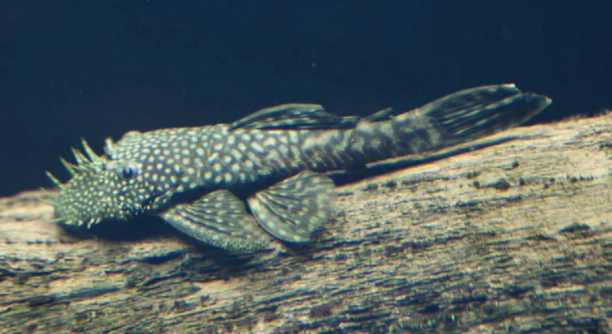
Do your aquariums feel a little quiet despite having multiple Bristlenose Plecos? These small catfish are known for their unique appearance and gentle behavior, often keeping to themselves while exploring their surroundings calmly.
Bristlenose Plecos do exhibit social interactions, but they generally do not form strong bonds with each other. Observations indicate they may tolerate each other and share space, yet their interactions remain mostly neutral rather than affiliative or cooperative.
Learning how these fish interact can improve tank management and help maintain a peaceful environment for all aquatic inhabitants.
Understanding Bristlenose Pleco Behavior
Bristlenose Plecos are naturally solitary fish, spending much of their time grazing on algae or hiding among decorations in the aquarium. They explore their surroundings quietly and establish territories, especially when resources like food or shelters are limited. While they may swim near each other, they usually maintain personal space. Their behavior is shaped by instinct rather than social attachment. In community tanks, this can make them appear shy or reserved. Providing hiding spots like caves and driftwood helps reduce stress and prevents territorial disputes. Observing their patterns over time can reveal subtle behaviors, such as when they claim certain areas or interact minimally with tank mates. Maintaining clean water and consistent feeding schedules further encourages calm behavior. Tank size also influences interactions; smaller tanks can increase tension, while larger spaces allow each fish to move freely without conflict. Overall, understanding their natural tendencies helps create a balanced aquarium.
Territorial behavior is normal for Bristlenose Plecos, and observing these patterns keeps your tank peaceful and healthy.
Giving them the right environment encourages calm and consistent activity. Proper hiding spots, balanced feeding, and careful tank placement help reduce stress. By respecting their solitary nature, you allow each Pleco to thrive while coexisting with other fish. Consistency in water quality and temperature also ensures they remain active but not aggressive. Over time, their routines become predictable, making it easier to manage multiple Plecos together without forcing interaction.
Encouraging Peaceful Coexistence
Providing multiple hiding spaces reduces competition and tension among Plecos.
Even though Bristlenose Plecos rarely form strong bonds, there are ways to foster peaceful coexistence. Start with a tank large enough to allow each fish its own territory. Adding caves, driftwood, and dense plants gives them areas to retreat and explore without interference. Feeding should be spread out across the tank to prevent crowding at a single spot. Observing their movements helps you notice subtle signs of stress or dominance, allowing adjustments before conflicts arise. Some Plecos may tolerate each other closely for short periods, but forcing interaction is unnecessary. Keeping water conditions stable and avoiding sudden changes also reduces stress, making their environment predictable and calm. By arranging the aquarium thoughtfully, you allow each Pleco to maintain its natural behaviors while minimizing friction, which keeps the tank harmonious and visually appealing.
Feeding and Interaction
Bristlenose Plecos are primarily herbivores, focusing on algae and plant matter. Their feeding habits are solitary, and they rarely compete aggressively if food is plentiful. Even during feeding, interactions remain minimal.
Providing fresh vegetables and algae wafers ensures proper nutrition. Scatter food in different areas to prevent overcrowding and give each Pleco space to eat. They may nibble near each other but typically avoid conflict. Observing their feeding patterns can help identify dominant individuals and ensure all fish are eating enough. Occasional protein supplements, like bloodworms, can be added, but plants should remain the main diet. Consistent feeding schedules help maintain calm behavior and reduce stress, creating a stable environment where each Pleco can thrive.
Some Plecos may linger near each other while eating, but this does not indicate strong social bonds. They maintain independence, even in shared feeding areas. Recognizing these habits helps you provide the right balance of food and space, keeping all fish healthy.
Tank Setup Considerations
Spacing and hiding spots are crucial for peaceful cohabitation.
A well-planned tank reduces tension among Bristlenose Plecos. Large tanks with multiple caves, driftwood, and plants allow them to explore and claim individual territories. Dense decorations create visual barriers, minimizing stress and territorial disputes. Placement of these shelters should ensure easy access to food and open swimming areas. Lighting should mimic natural conditions to encourage activity without overstimulation. Proper filtration and regular water changes maintain clean water, reducing illness and aggression. By arranging the tank thoughtfully, each Pleco can express natural behavior while coexisting with others, maintaining a calm and balanced aquarium environment.
Social Behavior Patterns
Bristlenose Plecos are mostly solitary, showing limited interaction with each other. They may swim near one another without any real engagement, maintaining personal space. Their behavior is influenced by instincts rather than social bonds, making each fish mostly independent.
Occasionally, they tolerate brief encounters near food or hiding spots, but these moments are rare. Even when sharing space, interactions remain minimal, and they quickly return to their own routines. Understanding this helps prevent expecting overly social behavior from them.
Recognizing Stress Signals
Signs of stress include hiding excessively, reduced feeding, or sudden aggression. Water quality and tank conditions often influence these behaviors.
Breeding and Bonding
During breeding, male Bristlenose Plecos become protective of their chosen cave and eggs. While this increases interaction between a male and female temporarily, it does not extend to forming long-term social bonds. Maintaining proper breeding conditions is essential for success.
Coexisting With Other Fish
Bristlenose Plecos usually coexist well with peaceful tank mates. Aggressive species or overcrowded tanks can trigger stress, so careful planning ensures harmony.
FAQ
Do Bristlenose Plecos need companions?
Bristlenose Plecos do not require companions to thrive. They are naturally solitary fish, preferring to explore and graze alone. While they may tolerate other Plecos or tank mates, companionship is not necessary for their well-being. Providing enough hiding spots and space is more important than adding additional fish.
Can Bristlenose Plecos bond with each other?
Bristlenose Plecos rarely form true bonds. Their interactions are mostly neutral, with occasional tolerance when sharing hiding spots or feeding areas. Any brief interactions do not indicate social attachment, and they generally return to solitary behavior. Understanding this prevents frustration when they do not display affection.
How can I reduce territorial disputes?
Adding multiple hiding spaces, caves, and decorations allows each Pleco to claim a territory. Scatter food in different areas to prevent crowding during feeding. Larger tanks reduce competition, while visual barriers help minimize stress and aggressive encounters. Maintaining stable water conditions also keeps them calm.
What do Bristlenose Plecos eat?
Their diet is mostly herbivorous, focusing on algae, vegetables, and plant matter. Algae wafers and fresh vegetables like zucchini, cucumber, and spinach are ideal. Occasional protein supplements, such as bloodworms or shrimp pellets, can be offered but should not replace plant-based foods. Proper nutrition supports healthy growth and activity.
How often should I feed them?
Feeding once or twice daily is sufficient. Spread the food across different areas of the tank to prevent competition and ensure all Plecos have access. Overfeeding can cause water quality issues and stress, so monitor how much they eat and adjust portions accordingly.
Do Bristlenose Plecos interact with other fish?
They usually coexist peacefully with other peaceful species. They may swim near other fish but rarely engage in social behavior. Aggressive tank mates or overcrowding can cause stress, so careful selection of companions and tank setup is essential for maintaining harmony.
What are signs of stress in Bristlenose Plecos?
Excessive hiding, reduced feeding, rapid breathing, or sudden aggression indicate stress. Poor water quality, overcrowding, and lack of hiding spots are common causes. Monitoring their behavior regularly and maintaining stable water conditions help prevent stress-related issues and ensure a calm environment.
How do breeding Plecos behave differently?
During breeding, males become protective of their chosen cave and eggs. They may interact with females briefly, but this behavior is temporary. Providing proper breeding conditions, including caves and stable water parameters, supports successful spawning without altering their generally solitary nature.
Can I keep multiple Plecos in the same tank?
Yes, if the tank is large enough with adequate hiding spots and space to reduce competition. Overcrowding increases stress and aggression. Each Pleco should have its own territory to minimize conflicts while allowing them to express natural behaviors.
Do Plecos need specific water conditions?
They thrive in clean water with moderate flow, stable temperature, and regular water changes. pH should be maintained between 6.5 and 7.5, and ammonia or nitrate spikes should be avoided. Consistent water quality is crucial for health, reducing stress and promoting calm, natural behavior.
How long do Bristlenose Plecos live?
With proper care, they can live up to 5–8 years in a home aquarium. Longevity depends on water quality, diet, and stress management. Providing a stable environment and meeting their dietary needs ensures they remain healthy and active throughout their lifespan.
Can Plecos be overly shy?
Some individuals may appear shy or hide frequently. This is normal and often depends on tank size, hiding spaces, and presence of other fish. Ensuring they have secure areas and minimal disturbances encourages natural behavior without forcing interaction.
Is tank size important for multiple Plecos?
Yes, a larger tank reduces territorial disputes and allows each Pleco to maintain personal space. Smaller tanks increase competition and stress. Providing enough room for grazing, exploring, and hiding ensures they remain calm and active while coexisting peacefully with other fish.
How do I encourage calm behavior?
Stable water conditions, adequate hiding spots, and proper feeding routines reduce stress. Avoid overcrowding and sudden environmental changes. Observing their daily patterns helps identify needs and adjust the tank setup, keeping each Pleco relaxed and maintaining a balanced aquarium environment.
Can Plecos recognize their owners?
Bristlenose Plecos may become accustomed to human presence during feeding times. They may swim closer or observe you, but this behavior is based on learned routines rather than emotional bonding. Consistent, calm interactions help them feel secure without forcing social attachment.
Are Plecos compatible with community tanks?
They generally fit well in community tanks with peaceful species. Avoid aggressive or territorial fish that can cause stress. Careful selection of tank mates, sufficient hiding spots, and balanced feeding routines help maintain a harmonious environment for all inhabitants.
How do Plecos communicate?
Communication is subtle, often through body movements, fin positioning, or brief encounters near food or shelters. They do not use vocalizations or social signals like some other fish. Understanding their natural cues helps interpret behavior without expecting overt social interaction.
Do Plecos need decorations in the tank?
Yes, caves, driftwood, and plants are essential for territory, hiding, and grazing. Decorations provide visual barriers that reduce stress, allowing each Pleco to maintain personal space while promoting natural exploration and calm behavior.
What is the best way to monitor their health?
Observe feeding habits, activity levels, and appearance regularly. Look for changes in color, breathing, or behavior. Maintain stable water conditions, provide proper nutrition, and address any signs of stress early to prevent health issues.
Are Plecos active at night?
Bristlenose Plecos are primarily nocturnal, becoming more active in low light or at night. Providing shaded areas and a natural light cycle supports their normal activity patterns while reducing stress and encouraging natural grazing behavior.
How do I prevent aggression between Plecos?
Ensure adequate space, multiple hiding spots, and spread-out feeding areas. Avoid overcrowding and keep water conditions stable. Understanding their solitary nature helps manage expectations, allowing them to coexist peacefully without forcing interaction.
Can Plecos live with shrimp or snails?
Yes, they usually coexist without issues. Plecos focus on algae and plant matter rather than small invertebrates, making shrimp and snails suitable tank mates. Monitor interactions initially to ensure harmony and reduce stress for all species.
How often should I clean the tank?
Regular water changes, ideally 20–30% weekly, maintain water quality. Clean decorations and substrate as needed to prevent buildup of waste and algae. Consistent maintenance supports calm behavior and overall health, reducing stress-related problems.
Do Plecos show affection?
Bristlenose Plecos do not form affectionate bonds like mammals. Any interaction with other fish or humans is based on routine or tolerance rather than emotional attachment. Recognizing this helps set realistic expectations for their behavior.
Can Plecos coexist with other Pleco species?
Coexistence is possible if the tank is large enough and hiding spots are abundant. Different Pleco species may compete for territory, so monitoring behavior and ensuring adequate space prevents stress and aggression, allowing multiple species to live together peacefully.
What temperature range is ideal?
Bristlenose Plecos thrive in water between 73–81°F (23–27°C). Maintaining a stable temperature is essential for health, activity, and feeding. Sudden changes can cause stress and impact behavior, so using a reliable heater and thermometer is recommended.
How do I tell if my Pleco is healthy?
Healthy Plecos are active during their preferred times, feed regularly, and have clear eyes and intact fins. Monitor for signs of stress or illness such as discoloration, lethargy, or irregular breathing. Proper care and observation ensure long-term health and vitality.
Can Plecos adapt to new tanks quickly?
Adaptation depends on tank setup and water conditions. Providing hiding spots, stable parameters, and gradual introduction reduces stress. Some individuals may hide initially but gradually explore as they become comfortable with their environment.
Do Plecos require specific lighting?
Moderate lighting is best, mimicking natural day-night cycles. Excessive light can stress them, while too little may limit plant growth. Providing shaded areas supports their natural nocturnal activity and encourages healthy grazing.
Are Plecos compatible with fast-moving fish?
They may feel stressed around overly active or aggressive fish. Pairing them with calm, slow-moving species allows natural behavior, reduces conflict, and ensures a peaceful aquarium environment. Proper tank planning is essential for compatibility.
How do I prevent overfeeding?
Feed measured amounts once or twice daily, adjusting based on consumption. Remove uneaten food to maintain water quality. Overfeeding leads to poor water conditions, stress, and potential health issues, so monitoring portions is key.
Can Plecos live in planted tanks?
Yes, they benefit from planted tanks, which provide hiding spots, grazing surfaces, and visual barriers. Hardy plants like Java fern or Anubias work well. Avoid delicate plants that may be damaged during grazing. Proper setup encourages calm and natural behavior.
Do Plecos require water flow?
Moderate water flow mimics natural conditions and supports health. Too strong a current can stress them, while stagnant water reduces oxygen and increases waste buildup. Filtration should balance flow with calm areas for resting.
Are Plecos noisy?
They are generally quiet fish. Any sounds, like scraping on surfaces, are minimal and part of natural behavior, not aggressive or problematic. This makes them suitable for peaceful, low-noise aquariums.
How do Plecos groom themselves?
They scrape algae from surfaces using their mouths, which keeps them clean and nourished. This behavior is instinctive and does not indicate social bonding with other fish. Observing this routine helps monitor health and activity levels.
Do Plecos require quarantine?
Quarantining new fish helps prevent disease introduction. A 2–3 week quarantine allows observation for illness or parasites before adding them to the main tank. This protects both the Plecos and existing tank inhabitants.
Can Plecos survive in community tanks long-term?
Yes, with proper planning, hiding spots, feeding distribution, and compatible tank mates. Maintaining stable water conditions and avoiding overcrowding ensures long-term health and peaceful coexistence.
How do I handle a sick Pleco?
Isolate the fish in a separate hospital tank. Treat based on the symptoms observed, such as water treatments or medications. Maintain clean water and monitor recovery before reintroducing to the main tank.
What is the best substrate for Plecos?
Sand or smooth gravel is ideal. It prevents injury to their delicate fins and allows natural grazing behavior. Avoid sharp or coarse substrates that could harm them while feeding or resting.
Do Plecos eat live plants?
They may nibble on soft plants but generally focus on algae and vegetables. Hardy plants are better suited to prevent damage while still providing grazing surfaces. Observing their feeding habits helps protect tank vegetation.
Can Plecos adapt to different water hardness?
They tolerate moderate water hardness, ideally between 5–19 dGH. Sudden changes should be avoided. Gradual acclimation helps them adjust while maintaining health and minimizing stress.
Are Plecos sensitive to light changes?
Sudden bright lighting can cause hiding and stress. Gradual transitions between light and dark periods help them adapt and maintain natural nocturnal activity. Providing shaded areas supports their comfort.
Do Plecos require air stones?
Not necessarily, if oxygen levels are sufficient through filtration and moderate flow. Air stones can be added but are not critical. Monitoring oxygen levels ensures a healthy environment.
Can Plecos tolerate slightly acidic water?
Yes, they can live in mildly acidic water, but extreme pH fluctuations should be avoided. Stable conditions promote health and reduce stress, allowing them to behave naturally.
Do Plecos interact with plants?
They graze on algae growing on plants and may occasionally nibble soft leaves. This interaction is part of their feeding behavior rather than social activity. Durable plants are ideal to withstand grazing.
Are Plecos active during the day?
Mostly nocturnal, they are less active during daylight hours but may explore or graze intermittently. Providing shaded areas encourages natural activity patterns without causing stress.
How do I tell if two Plecos are compatible?
Monitor for aggression, stress, and tolerance during feeding or shared hiding. Compatibility is generally easier in larger tanks with adequate space and hiding areas. Adjust decorations or feeding to reduce tension.
Can Plecos coexist with Betta fish?
They usually coexist peacefully due to differing behaviors and activity levels. Ensure Betta is not overly aggressive and that Plecos have hiding spots to retreat if needed.
Do Plecos require special water conditioners?
Standard water conditioners that remove chlorine and chloramine are sufficient. Additional supplements may be added if necessary, but focus should remain on stable parameters and clean water.
Can Plecos live in low-light tanks?
Yes, they adapt well to low-light conditions. Providing shaded areas and moderate lighting supports natural grazing and nocturnal activity without causing stress.
Do Plecos sleep?
Yes, they rest during daylight hours, often in caves or under decorations. Sleep is essential for health, and providing secure resting areas supports natural behavior.
Are Plecos easy to care for?
They are relatively low-maintenance when their dietary, territorial, and water needs are met. Proper tank setup, hiding spots, and feeding routines make them suitable for aquarists seeking calm, low-interaction fish.
Can Plecos live with goldfish?
Yes, as long as tank size, hiding spots, and feeding distribution are adequate. Plecos focus on algae and plant matter, reducing competition with goldfish, while avoiding aggressive interactions.
Do Plecos grow large?
Bristlenose Plecos typically reach 4–6 inches, making them manageable for medium-sized tanks. Providing enough space for grazing and territory helps them grow healthily without stress.
How do I acclimate new Plecos?
Float the bag in the tank to equalize temperature, then gradually mix tank water with the bag water. After 30–60 minutes, release the Pleco carefully into the tank, avoiding stress or sudden environmental changes.
Can Plecos survive in slightly brackish water?
They prefer freshwater conditions. Small tolerance for brackish water exists, but prolonged exposure can cause stress and health issues. Maintaining freshwater ensures optimal health.
Do Plecos need calcium supplements?
If the diet includes vegetables and algae, additional calcium is usually unnecessary. Occasional supplements can support shell growth in breeding males, but natural diet typically meets requirements.
Are Plecos compatible with cichlids?
Compatibility depends on cichlid temperament. Peaceful or medium-tempered cichlids may coexist, but aggressive species can stress Plecos. Adequate hiding spots and tank space are essential for harmony.
How long can Plecos go without food?
They can survive several days without food, but consistent feeding supports health and reduces stress. Algae in the tank can provide minimal grazing if needed.
Do Plecos make good tank cleaners?
They help control algae but are not a substitute for regular maintenance. Relying solely on Plecos for cleaning may lead to imbalances and poor water quality.
Can Plecos tolerate slightly cooler water?
They prefer 73–81°F but can tolerate slightly cooler temperatures briefly. Prolonged exposure to cold water can stress them and reduce feeding and activity.
How do I handle Plecos safely?
Use gentle handling with wet hands or soft nets if necessary. Avoid squeezing or dropping, as they have delicate fins and bony plates. Minimal handling is best for stress reduction.
Do Plecos need a varied diet?
Yes, providing vegetables, algae wafers, and occasional protein ensures proper nutrition. Variety supports health, growth, and natural grazing behavior.
Can Plecos coexist with tetras?
Yes, peaceful tetras are compatible due to differing activity levels. Plecos remain mostly solitary, while tetras swim actively, reducing competition and stress.
Do Plecos need UV sterilizers?
Not required for basic care. UV sterilizers can help control algae or pathogens, but proper filtration and water changes are sufficient for maintaining a healthy environment.
How do Plecos behave in small tanks?
Limited space can increase territorial disputes, stress, and hiding. Providing hiding spots and limiting the number of Plecos helps reduce conflict, but larger tanks are preferable for natural behavior.
Can Plecos adapt to tap water?
Yes, if treated to remove chlorine and chloramine. Regular testing ensures safe water parameters, supporting health and reducing stress.
Do Plecos eat floating food?
They primarily graze on surfaces but may occasionally consume sinking pellets or wafers. Ensuring food reaches their preferred areas encourages natural feeding behavior.
Are Plecos compatible with snails?
Yes, they usually ignore snails, focusing on algae and plant matter. Monitoring initial interactions ensures no accidental harm occurs.
Can Plecos live alone?
Yes, they thrive as solitary fish. Companions are optional, and proper tank setup ensures health and activity without social interaction.
Do Plecos need a specific pH range?
Ideal pH is 6.5–7.5. Stable conditions prevent stress, supporting normal feeding, grazing, and activity patterns.
How do I prevent boredom for Plecos?
Providing varied hiding spots, decorations, and grazing surfaces stimulates exploration and natural behavior. Occasional changes in tank layout can encourage activity without causing stress.
Can Plecos coexist with tetras?
Yes, due to differing behaviors. Tetras are active swimmers, while Plecos remain bottom dwellers, minimizing interaction and maintaining harmony.
Do Plecos have favorite spots?
They often choose caves or shaded areas to rest and graze. These spots become preferred territories, reducing stress and promoting calm behavior.
How do Plecos respond to sudden movements?
They may retreat to hiding spots. Sudden disturbances cause stress, so gentle handling and minimal tank disruption are important.
Can Plecos live with gouramis?
Generally compatible, as long as gouramis are not overly aggressive. Adequate space and hiding spots reduce potential conflicts.
Do Plecos produce much waste?
Moderate waste is normal. Regular cleaning and water changes prevent buildup, maintaining water quality and reducing stress.
Are Plecos easy to breed?
With proper caves, stable water conditions, and suitable diet, breeding is achievable. Males guard eggs, but social bonds remain minimal.
Can Plecos live with angelfish?
Yes, if angelfish are calm and tank is spacious. Hiding spots help prevent stress during occasional territorial encounters.
Do Plecos enjoy current in the tank?
Moderate water flow mimics natural conditions, encouraging grazing and activity. Strong currents can cause stress, so balance is key.
How do Plecos handle tank changes?
They adapt gradually if introduced
Bristlenose Plecos are fascinating fish that thrive in environments tailored to their natural behaviors. They are mostly solitary, grazing on algae and exploring their surroundings independently. While they can tolerate other Plecos or peaceful tank mates, they do not form strong bonds with each other. Understanding this behavior helps set realistic expectations for their interactions. Providing enough space, hiding spots, and a balanced diet allows them to express natural behaviors without stress. These small catfish are quiet, low-maintenance, and visually appealing, making them suitable for community tanks when managed thoughtfully. Observing their routines over time can be rewarding, as you notice how they claim certain areas, feed, and interact minimally with their environment.
Maintaining proper water conditions is essential for Bristlenose Plecos to stay healthy and active. They prefer stable temperatures, clean water, and a pH range between 6.5 and 7.5. Regular water changes, proper filtration, and moderate water flow support their natural activity levels and reduce stress. Feeding should focus on algae, vegetables, and occasional protein supplements, ensuring a well-rounded diet. Scattering food across the tank allows multiple Plecos to eat without competing aggressively. Decorations, plants, and caves not only provide hiding spots but also create visual barriers, reducing tension in tanks with multiple fish. By maintaining these conditions consistently, you create an environment where Plecos can thrive while remaining calm and independent.
Although they may show brief interactions during feeding or breeding, these moments are temporary and do not indicate lasting social bonds. Observing their behavior and respecting their solitary nature ensures peaceful coexistence in community aquariums. Tank size, hiding spots, and careful selection of companions all play a role in reducing stress and preventing territorial disputes. Over time, these catfish develop routines, becoming more predictable in behavior, feeding, and activity patterns. While Bristlenose Plecos may not bond with each other in the way mammals or more social fish do, their presence adds a sense of balance and calm to the aquarium. By understanding their needs and natural tendencies, you can create a stable, healthy environment where these fish live comfortably and display their unique behaviors consistently.

Hello,
If you enjoy the content that we create, please consider saying a "Thank You!" by leaving a tip.
Every little bit helps us continue crafting quality advice that supports the health, happiness, and well-being of pets around the world, for pets of all shapes, sizes, and species.
We really appreciate the kindness and support that you show us!