
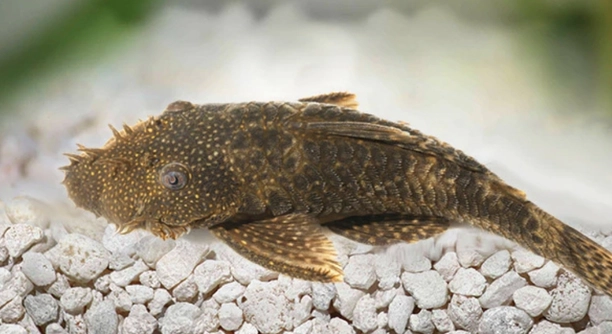
Have you ever set up a beautiful aquarium only to notice your plecos acting restless or hiding constantly? These fish are sensitive to their surroundings and small mistakes can easily stress them out in the tank.
Plecos are highly affected by water quality, temperature fluctuations, overcrowding, and insufficient hiding spaces. Poor diet, strong currents, and incompatible tank mates also contribute to stress and health problems, making it essential to maintain optimal conditions for their well-being.
Knowing which factors upset plecos can help you create a calmer, healthier environment. Small adjustments often make a big difference in their behavior and overall tank harmony.
Poor Water Quality
Poor water quality can stress plecos and cause illness quickly. High levels of ammonia, nitrites, or nitrates can irritate their gills and skin, making them more vulnerable to infections. Uneaten food, decaying plants, and insufficient filtration all contribute to water contamination. Regular testing and water changes are necessary to maintain a safe environment. Plecos are sensitive to sudden shifts in water chemistry, so consistent monitoring is essential. Even minor neglect can lead to lethargy, loss of appetite, or unusual hiding behavior. Proper filtration, aeration, and careful observation of water parameters can prevent many common health issues. Additionally, cleaning the tank substrate and removing debris regularly helps maintain clarity and stability, supporting the fish’s immune system. Using water conditioners can neutralize harmful chemicals and make tap water safer for plecos. Maintaining stable pH and temperature levels alongside regular water changes keeps plecos healthy and reduces long-term stress.
Regular testing and partial water changes keep plecos comfortable and thriving.
Consistent care creates a stable environment, allowing plecos to display natural behavior. Monitoring ammonia, nitrite, and nitrate levels, along with pH and temperature, ensures their health. Plecos will feed better, grow steadily, and show brighter colors when water quality is maintained. Even small efforts, like removing uneaten food daily and checking filters, have significant effects. Observing plecos’ behavior can indicate when water conditions are off, allowing quick adjustments. Tanks with consistent water management reduce disease risk and prevent unnecessary stress. Simple routines like weekly partial water changes and monthly deep cleaning maintain a balanced ecosystem. Using gentle filtration prevents strong currents while keeping water clean. Over time, healthy water quality fosters better interactions between plecos and other fish, reducing aggression and promoting harmony.
Overcrowding
Too many fish in a tank can stress plecos and limit their movement.
Overcrowding reduces oxygen levels and increases waste, making plecos more prone to illness. Each fish needs enough space to swim freely, hide, and feed without competition. Stress from tight spaces can weaken their immune system, leading to infections or stunted growth. Plecos are nocturnal and need quiet, secure areas during the day. Overcrowded tanks often force them into constant hiding or aggressive interactions with other fish. They may stop eating or develop fin damage from constant contact with tank mates. Planning tank size and fish quantity carefully is critical. A larger tank allows for natural behavior and better water stability. Adding decorations, driftwood, and hiding spots helps plecos feel secure even in community setups. Proper stocking and observing interactions ensures all fish thrive without chronic stress. Maintaining an organized tank supports long-term health and allows plecos to express their natural habits fully.
Temperature Fluctuations
Sudden changes in water temperature stress plecos and can weaken their immune system. Stable temperatures are critical for their digestion and activity. Avoid placing the tank near heaters, air conditioners, or drafty windows. Consistent warmth supports overall health.
Plecos thrive in temperatures between 72°F and 82°F. Rapid drops or spikes cause lethargy, loss of appetite, and susceptibility to disease. Even a few degrees can trigger stress responses, especially in smaller or younger fish. Using a reliable aquarium heater and thermometer helps maintain consistent heat. Avoid frequent water changes with water at different temperatures, as this can shock them. Gradual adjustments during maintenance are essential. A stable environment promotes proper metabolism, reduces stress, and ensures that plecos remain active during feeding and exploration times.
Monitoring temperature daily allows you to notice deviations early. Consistent warmth encourages normal behavior, proper digestion, and active movement. Plecos may hide less and feed more reliably. Using automated heaters with thermostats and checking temperature during water changes prevents dangerous fluctuations. Proper insulation around the tank and avoiding direct sunlight or cold drafts also helps maintain stability. These steps support immune function and reduce the risk of common stress-related diseases. Over time, consistent temperatures lead to better coloration, stronger growth, and healthier pleco behavior, making tank maintenance simpler and more predictable.
Incompatible Tank Mates
Aggressive or fast-moving fish can stress plecos, forcing them into constant hiding. Peaceful, slower species are ideal companions, allowing plecos to eat and explore without fear. Careful selection reduces stress-related illnesses and behavioral problems.
Plecos are nocturnal and prefer calm environments. Tank mates that nip fins, chase, or compete aggressively disrupt their routine. Stress can result in damaged fins, slower growth, and weakened immunity. Larger fish may intimidate plecos, preventing proper feeding. Avoid combining plecos with overly territorial or boisterous species. Providing separate feeding zones, ample hiding places, and sufficient space reduces conflicts. Observing interactions during initial introduction helps identify potential aggression. Choosing compatible species supports a balanced tank ecosystem, giving plecos confidence to display natural behaviors like grazing on surfaces and resting in secure areas.
Proper planning ensures plecos coexist safely with other fish. Using slow-moving, non-aggressive tank mates encourages natural feeding habits. Providing driftwood, caves, and shaded areas helps plecos avoid unwanted interactions. Regular observation and timely adjustments to tank setup maintain harmony. Ensuring that plecos have defined territories and secure retreats reduces chronic stress. Over time, compatible tank mates contribute to stable social dynamics, allowing plecos to remain active and healthy. Adjustments like rearranging decorations or adding partitions can further minimize conflicts and create an environment where all species thrive together without constant stress or competition.
Insufficient Hiding Spaces
Plecos need hiding spots to feel safe, especially during the day. Without adequate shelters, they may stay stressed, hide poorly, or refuse to eat. Caves, driftwood, and plants provide security and reduce anxiety in the tank.
Lack of hiding areas forces plecos into constant exposure, increasing stress and aggressive interactions. Stress affects immunity, growth, and coloration. Proper placement of decorations encourages natural resting behavior and gives plecos control over their environment.
Poor Diet
A limited or unbalanced diet can harm plecos. They require algae, vegetables, and occasional protein for proper growth and health. Missing nutrients lead to sluggish behavior and weakened immunity. Feeding variety ensures energy and promotes natural foraging habits.
Strong Currents
Plecos prefer gentle water flow. Strong currents tire them quickly and limit their ability to feed and rest. High-flow filters or pumps can make the tank stressful, affecting overall health and behavior.
Overfeeding
Too much food causes water quality issues and obesity. Uneaten food decomposes, raising ammonia and nitrate levels, which stresses plecos. Controlled portions maintain water stability and promote healthy growth.
What is the ideal tank size for plecos?
Plecos need enough space to swim, hide, and graze comfortably. Most common species do well in tanks starting at 30 gallons, but larger plecos need tanks of 55 gallons or more. Crowded tanks lead to stress, slower growth, and aggressive behavior. Providing adequate space ensures proper water circulation and reduces waste concentration, keeping water quality stable. Decorations, driftwood, and caves should be arranged to give plecos multiple hiding spots while leaving open swimming areas. Monitoring their behavior can indicate if the tank feels too small, as stressed plecos often hide excessively or compete aggressively with other fish.
How often should I change the water?
Partial water changes are essential to maintain safe ammonia, nitrite, and nitrate levels. A weekly 20–30% water change is typically sufficient for most tanks. Larger plecos or heavily stocked tanks may require more frequent changes. Using a siphon to remove debris from the substrate prevents excess waste from accumulating. Fresh, conditioned water helps stabilize pH and temperature while supporting healthy bacteria in the filter. Sudden, large water changes should be avoided because they can shock the fish. Maintaining a consistent schedule allows plecos to adjust to the environment and reduces the risk of stress-related diseases.
What should I feed my pleco?
A balanced diet is key for pleco health. Most plecos eat algae, vegetables like zucchini or cucumber, and occasional protein sources such as shrimp pellets or bloodworms. Feeding variety prevents nutrient deficiencies and encourages natural grazing behavior. Avoid overfeeding, as uneaten food can decompose, harming water quality. Observing how quickly plecos eat helps determine proper portion sizes. Fresh vegetables should be blanched to soften them, making it easier for plecos to consume. Providing driftwood is also important for species that require wood for digestion. A well-rounded diet supports growth, coloration, and immunity, keeping plecos active and healthy in the long term.
How can I reduce stress from tank mates?
Choosing compatible tank mates prevents constant hiding and aggression. Slow-moving, non-territorial fish are best. Providing multiple feeding zones and hiding spots reduces competition. Observing behavior during introductions helps identify potential problems early. Rearranging decorations or adding partitions can give plecos a sense of territory.
Why does my pleco hide all the time?
Excessive hiding usually signals stress or discomfort. Poor water quality, strong currents, overcrowding, or lack of hiding spaces can cause this behavior. Checking tank conditions, ensuring proper diet, and adding shelters can help plecos feel secure. Stress from aggressive tank mates may also cause prolonged hiding.
How do I know if my pleco is healthy?
Healthy plecos have clear eyes, intact fins, and consistent coloration. They should be active at night and feed regularly. Signs of illness include lethargy, faded color, fin damage, or abnormal swimming. Monitoring water parameters and providing a balanced diet supports their overall health.
Can plecos live with other bottom dwellers?
Plecos can cohabit with other bottom-dwelling fish if the tank is large enough and hiding spaces are abundant. Territorial species may cause conflicts. Careful observation and proper tank layout ensure all fish have space to feed and rest.
How do I prevent algae overgrowth?
Algae overgrowth is common but manageable. Controlling light exposure, maintaining water quality, and adding algae-eating species like plecos or snails helps. Regular tank cleaning and balanced feeding also prevent excessive algae accumulation.
Is driftwood necessary in a pleco tank?
Many plecos need driftwood for grazing and digestion. It provides natural hiding spots and helps maintain proper pH levels. Using untreated, aquarium-safe wood ensures safety and supports their natural habits.
What is the best way to acclimate a new pleco?
Floating the bag in the tank to equalize temperature, gradually mixing tank water, and monitoring for stress signs ensures a smooth transition. Avoid sudden placement to prevent shock and promote long-term adjustment.
How do I control water currents?
Plecos prefer gentle currents. Adjusting filter flow or using baffles reduces strong water movement. Proper placement of decorations can also help calm turbulent areas while maintaining oxygenation and filtration efficiency.
Can plecos be overfed?
Yes. Overfeeding leads to uneaten food, increased waste, and poor water quality. Controlled portions, timed feeding, and observation of eating behavior prevent obesity and maintain a stable tank environment.
What temperature range is safest for plecos?
Most plecos thrive between 72°F and 82°F. Sudden drops or spikes cause stress and weaken immunity. Using a reliable heater, thermometer, and consistent monitoring ensures safe, stable conditions for long-term health.
How do I manage breeding behavior in plecos?
Breeding requires separate tanks or sufficient space to reduce stress. Providing caves and proper diet encourages spawning, while monitoring interactions prevents aggression. Removing eggs to a protected environment can improve survival rates.
How often should I clean the tank?
Regular maintenance prevents waste buildup. Partial water changes weekly, substrate cleaning, and filter checks keep water quality high. Avoid full cleanings that disrupt beneficial bacteria, supporting a healthy, stable environment.
How do I tell if water parameters are off?
Behavioral changes, lethargy, hiding, or loss of appetite indicate water issues. Testing ammonia, nitrite, nitrate, pH, and temperature regularly helps catch problems early. Adjustments prevent long-term stress and illness in plecos.
Can plecos live in planted tanks?
Yes, but ensure plants are hardy and roots protected. Plecos may graze on soft leaves. Providing driftwood and hiding spaces ensures balance between plant life and pleco activity, supporting a healthy ecosystem.
How do I reduce aggression in the tank?
Aggression often comes from overcrowding or incompatible mates. Increasing space, adding shelters, and selecting peaceful fish minimize conflict. Rearranging decorations or creating separate zones helps plecos feel secure.
What should I do if my pleco is sick?
Identify symptoms like faded color, fin damage, or unusual swimming. Check water quality, isolate if necessary, and consider veterinary guidance. Early intervention increases recovery chances and protects other tank inhabitants.
Can plecos survive in cold water?
Cold water slows metabolism and weakens immunity. Most species require stable, warm temperatures. Using heaters and monitoring daily ensures survival and long-term health.
How long do plecos live?
Depending on the species, plecos can live 10–20 years with proper care. Maintaining water quality, diet, and a stress-free environment supports longevity and healthy behavior.
Is it normal for plecos to hide during the day?
Yes. Plecos are nocturnal. Hiding during daylight hours is natural if they have secure spaces. Sudden changes in hiding behavior may indicate stress, water issues, or illness.
How do I introduce multiple plecos?
Provide enough space, hiding areas, and gradual introduction. Observing interactions and separating aggressive individuals prevents territorial disputes and ensures a peaceful tank environment.
What are signs of stress in plecos?
Stress shows through hiding, lethargy, loss of appetite, fin damage, and faded coloration. Monitoring water, tank mates, and diet can help reduce stress and restore normal behavior.
Can plecos adapt to different tank conditions?
They adapt gradually but prefer stable water parameters, proper diet, and hiding spots. Sudden changes in temperature, pH, or tank layout cause stress and health issues. Gradual adjustments help maintain well-being and reduce disease risk.
Caring for plecos requires attention to their specific needs and habits. These fish are sensitive to water quality, temperature changes, and overcrowding. Even small mistakes can lead to stress, illness, or behavioral problems. Ensuring a stable environment with clean water, proper filtration, and a balanced diet is essential. Plecos also need hiding spaces like driftwood, caves, or plants to feel secure during the day. Without these safe areas, they may hide poorly, stop eating, or become stressed. Observing their daily behavior can help identify problems early. Changes in color, appetite, or activity often indicate that adjustments are needed in their environment or diet. Taking the time to monitor and maintain the tank prevents long-term health issues and keeps plecos comfortable.
Feeding plecos properly is another key part of keeping them healthy. They are mostly herbivores but also benefit from occasional protein sources. Providing a variety of vegetables like zucchini, cucumber, and blanched greens ensures they get essential nutrients. Driftwood is important for certain species, as it aids digestion and provides natural grazing surfaces. Overfeeding can be just as harmful as underfeeding, because uneaten food can decompose and affect water quality. Observing how quickly plecos eat and adjusting portions helps maintain a clean, safe environment. When their diet is well-balanced, plecos are more active, display stronger coloration, and grow steadily. Proper feeding practices also reduce the risk of disease and contribute to a longer, healthier life in the aquarium.
Tank mates and environment also play a large role in plecos’ well-being. Aggressive or fast-moving fish can stress plecos and force them into hiding constantly. Choosing calm, compatible species and arranging the tank with multiple hiding spots reduces conflicts. Strong water currents can also tire plecos and interfere with their natural behaviors. Maintaining a consistent temperature and monitoring water parameters regularly supports their health. Plecos are nocturnal, so they need quiet periods and secure spaces during the day. By keeping these factors in mind, you can create a peaceful tank where plecos feel safe, eat well, and display natural behavior. Paying attention to these details helps prevent stress, disease, and long-term problems, ensuring plecos remain happy and healthy for years to come.

Hello,
If you enjoy the content that we create, please consider saying a "Thank You!" by leaving a tip.
Every little bit helps us continue crafting quality advice that supports the health, happiness, and well-being of pets around the world, for pets of all shapes, sizes, and species.
We really appreciate the kindness and support that you show us!