
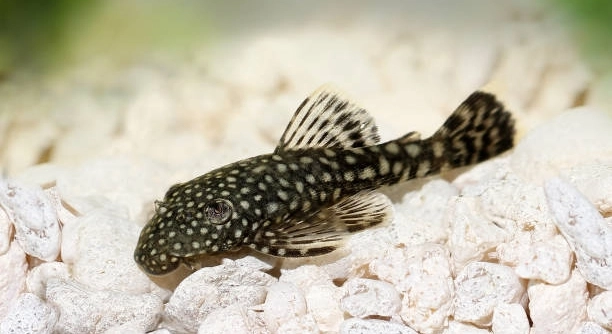
Is your pleco refusing to eat no matter what you try? Many owners face this issue, especially when the fish is new or experiencing stress. Understanding the causes is the first step toward helping your pet recover.
A pleco that won’t eat may be suffering from stress, illness, poor water quality, or an unsuitable diet. Addressing these factors promptly, maintaining a clean tank, and offering varied foods can restore normal feeding behavior and improve overall health.
Learning the signs of trouble and the right adjustments will help your pleco regain appetite and thrive in its environment. Small changes can make a big difference in their daily routine.
Common Reasons Plecos Stop Eating
Plecos may stop eating for several reasons, many of which are tied to their environment or health. Stress is one of the most frequent causes, often triggered by a new tank, sudden changes in water temperature, or aggressive tank mates. Poor water quality can also lead to appetite loss; high ammonia, nitrite, or nitrate levels irritate the fish, making them less likely to feed. Diet plays a role as well—some plecos refuse certain foods, especially if they are not accustomed to them. Illness, including parasites, bacterial infections, or internal issues, can also prevent feeding. Observing your pleco closely helps identify any unusual behavior, discoloration, or lethargy. Providing hiding spots, adjusting lighting, and maintaining a consistent feeding schedule can reduce stress and encourage eating. A well-maintained tank with a variety of vegetables, algae wafers, and occasional protein sources usually keeps plecos healthy and motivated to eat regularly.
Monitoring water parameters and offering diverse foods can quickly improve a pleco’s eating habits.
Recognizing subtle signs of stress or illness allows you to intervene before the situation worsens. Simple adjustments, like cleaning the tank or changing feeding methods, can restore appetite. Observing their behavior over time helps you determine which changes are effective. Patience and careful attention are key to helping plecos eat normally again.
Adjusting Diet for a Picky Pleco
Small changes in diet often make a big difference. Plecos may ignore certain foods, so variety is essential to meet their nutritional needs.
Offering vegetables such as zucchini, cucumber, and spinach can encourage eating, especially when lightly blanched. Algae wafers provide a familiar and consistent food source. Occasionally adding protein, like bloodworms or shrimp, supports growth and overall health. Remove uneaten food to prevent water quality issues. Feeding at consistent times helps plecos establish a routine, reducing stress. Observing preferences allows you to adapt the diet over time. Combining fresh, prepared, and occasional protein sources ensures balanced nutrition.
Consistency is crucial. Feeding at the same time each day, maintaining clean water, and monitoring how your pleco reacts to new foods helps build trust and encourages regular eating. Some plecos take time to adjust to changes, but patience usually results in better appetite. If a pleco continues to refuse food, it may be necessary to consult a veterinarian to rule out illness. Environmental adjustments, such as adding driftwood or algae patches, can also make food more appealing and create a more natural setting. Over time, a carefully managed diet and consistent care can restore healthy eating habits, supporting your pleco’s long-term well-being and vitality in the aquarium.
Improving Water Quality
Regular water changes are essential to maintain a healthy tank. Poor water quality directly affects a pleco’s appetite and overall health. Testing ammonia, nitrite, and nitrate levels helps identify problems before they become serious. Proper filtration and routine cleaning make a noticeable difference in feeding behavior.
Ensuring optimal water parameters requires monitoring temperature, pH, and hardness, depending on the pleco species. Sudden fluctuations can stress the fish, making them refuse food. Partial water changes of 20–30% weekly keep toxin levels low. Removing uneaten food and debris prevents contamination, reducing the risk of disease. Clean decorations and substrate also help maintain a stable environment, supporting both physical health and feeding behavior.
Adding beneficial bacteria can improve water quality by breaking down waste more efficiently. Consistent maintenance helps prevent buildup of harmful substances that reduce appetite. Observing the pleco’s behavior after water adjustments shows whether the environment is suitable. Subtle changes, like aeration or adjusting flow, can also encourage activity and feeding. Combining careful monitoring, routine cleaning, and gradual improvements ensures a stable habitat where plecos are more likely to eat regularly and maintain their health over time.
Reducing Stress in Plecos
Providing hiding spots reduces stress and promotes eating. Driftwood, caves, and plants create secure areas that help plecos feel safe and less anxious in the tank.
Minimizing sudden changes in lighting, temperature, or tank arrangement is important. Stress from aggressive tank mates can also make plecos hide and avoid food. Observing interactions and rearranging decorations can create a calmer environment. Limiting loud noises and vibrations near the tank helps maintain a peaceful setting. A stable feeding schedule and consistent routines reduce anxiety and encourage normal behavior.
Stress management includes monitoring tankmates, water flow, and environmental consistency. Aggressive fish should be separated to prevent bullying. Slow acclimation to new tanks or decorations reduces sudden stress. Maintaining steady lighting cycles mimics natural conditions, supporting regular activity and appetite. Driftwood and plants provide both hiding places and grazing surfaces, allowing plecos to feel secure while eating. Even small improvements, like reducing sudden movements near the tank, can significantly impact stress levels. Gradual adjustments in the environment, combined with careful observation, often lead to noticeable improvements in feeding and overall well-being for plecos in captivity.
Checking for Illness
A pleco that refuses food may be sick. Look for signs like faded colors, clamped fins, or unusual swimming patterns. Early detection is important to prevent serious health problems.
Consulting a vet or experienced aquarist can help identify diseases. Prompt treatment improves recovery chances and restores appetite.
Adjusting Tank Temperature
Maintaining the proper temperature for your pleco species is essential. Water that is too cold or too warm can slow metabolism, causing the fish to stop eating. Using a reliable heater and thermometer ensures consistent conditions, supporting healthy feeding habits and overall well-being.
Observing Feeding Behavior
Watching your pleco during feeding times helps identify patterns or preferences. Noting when and how it eats allows you to adjust the diet and environment effectively.
FAQ
Why is my pleco ignoring all types of food?
A pleco may refuse food due to stress, illness, or poor water quality. Sudden changes in tank conditions or aggressive tank mates can make it hide instead of eating. Checking water parameters, observing behavior, and offering a variety of foods often helps restore appetite.
Can a pleco survive without food for several days?
Plecos are hardy and can survive short periods without food, but extended fasting can weaken their immune system. Providing hiding spots and maintaining stable tank conditions reduces stress and encourages feeding. Monitor closely to prevent long-term health issues.
How do I know if my pleco is sick?
Signs of illness include faded coloration, clamped fins, unusual swimming patterns, lethargy, or visible spots on the body. Any sudden changes in behavior or appetite should prompt a review of water conditions and, if necessary, consultation with a veterinarian experienced in fish care.
Should I change the type of food if my pleco isn’t eating?
Yes. Plecos may prefer vegetables like zucchini, cucumber, or spinach, lightly blanched for easier consumption. Algae wafers are also reliable. Occasionally offering protein, such as shrimp or bloodworms, can stimulate appetite. Removing uneaten food promptly prevents water contamination and encourages consistent feeding.
Does tank size affect a pleco’s eating habits?
A small or overcrowded tank increases stress, which can reduce appetite. Ensuring enough space for swimming, hiding, and grazing promotes natural behavior. Appropriate tank size depends on the pleco species, but providing adequate territory is essential for long-term health and feeding consistency.
How often should I feed my pleco?
Feeding once daily is usually sufficient for adult plecos, with occasional protein additions. Juveniles may require more frequent feeding. Maintaining a consistent schedule helps reduce stress, allowing the fish to anticipate meals and maintain healthy eating habits.
Can poor water quality make a pleco stop eating?
Yes. High ammonia, nitrite, or nitrate levels irritate plecos and can suppress appetite. Regular water changes, filtration maintenance, and monitoring parameters help prevent these issues. Clean decorations and substrate also reduce the risk of contamination that may affect feeding.
Is it normal for a pleco to eat less during certain seasons?
Some plecos naturally reduce feeding in cooler months or during periods of stress. Adjusting water temperature gradually and maintaining optimal tank conditions helps prevent drastic appetite loss. Observing feeding patterns can guide dietary adjustments for these seasonal changes.
How long should I wait before consulting a vet?
If your pleco refuses food for more than a few days, or shows additional signs of illness, consulting a veterinarian is recommended. Early intervention increases the chances of recovery and helps prevent serious health issues.
Can stress from tankmates affect feeding?
Absolutely. Aggressive or territorial fish may intimidate plecos, causing them to hide and avoid food. Rearranging the tank to provide hiding places or separating problematic fish can reduce stress and encourage normal eating behavior.
Are there any home remedies to get a pleco to eat?
Small adjustments, like offering different vegetables, lightly blanched foods, or algae wafers, can help. Maintaining clean water, providing hiding spots, and keeping a consistent feeding schedule are effective home strategies. Avoid sudden environmental changes that may increase stress.
Does lighting affect a pleco’s appetite?
Yes. Bright lighting may stress plecos, especially nocturnal species, reducing feeding activity. Providing shaded areas or dim lighting during the day allows them to feel secure and more likely to eat naturally.
How can I tell if my pleco prefers vegetables or protein?
Observing which foods are consumed first helps identify preferences. Some plecos prefer algae wafers and vegetables, while others may respond to occasional protein treats. Offering a variety ensures balanced nutrition and helps determine what stimulates appetite most effectively.
Can fasting for a day or two help reset appetite?
In some cases, skipping a day or two of feeding can encourage a pleco to eat later, but this should be done cautiously. Continuous monitoring of behavior and water quality is essential to avoid stress or nutritional deficiencies.
Is it normal for plecos to nibble only at night?
Yes. Many plecos are nocturnal feeders. If they eat regularly during nighttime, it may not be a cause for concern. Observing overall health and activity levels is more important than feeding during daylight hours.
How important is hiding space for feeding?
Hiding spots are critical. A pleco that feels safe is more likely to eat. Caves, driftwood, and plants reduce stress and allow them to feed without fear, supporting natural grazing habits and overall health.
Can overfeeding lead to a pleco refusing food?
Yes. Overfeeding can spoil water quality and make the fish less interested in food. Removing uneaten food and feeding only the necessary amount promotes healthy appetite and prevents related health issues.
Should I change the feeding method if my pleco won’t eat?
Yes. Offering food in different locations, using tongs, or placing food near hiding spots may encourage feeding. Observing behavior during feeding helps identify the best approach to stimulate appetite while keeping stress minimal.
Can temperature fluctuations make a pleco stop eating?
Yes. Sudden changes in water temperature can slow metabolism and reduce appetite. Maintaining a stable temperature suited to the species encourages normal feeding patterns and overall health. Gradual adjustments are safer than abrupt changes.
What role does tank cleanliness play in feeding behavior?
A clean tank reduces stress and prevents exposure to harmful toxins. Uneaten food and waste can degrade water quality, discouraging feeding. Regular cleaning, proper filtration, and monitoring of water parameters support a healthy environment that promotes consistent eating habits.
How long does it typically take for a pleco to start eating again?
Recovery time varies depending on the cause. With proper diet, stable water conditions, and reduced stress, plecos may resume eating within a few days. Persistent refusal may require further investigation and possible veterinary intervention.
Can changing the location of the tank affect appetite?
Yes. Moving the tank can cause stress due to new surroundings, lighting, or vibrations. Providing hiding spots and maintaining familiar conditions during the transition can help the pleco adjust and return to normal feeding behavior.
Are there species differences in feeding behavior?
Different pleco species have unique dietary needs and feeding habits. Some prefer algae and vegetables, while others may require protein. Understanding the specific species helps tailor diet and environment, improving the likelihood of regular eating and overall health.
Is it normal for older plecos to eat less?
Older plecos may naturally slow down and reduce their food intake. Ensuring a nutrient-rich diet and maintaining water quality helps older fish stay healthy even with decreased feeding frequency. Observation is key to distinguishing normal aging from health problems.
Can supplements improve appetite?
Occasionally, supplements like vitamins or spirulina can encourage eating, especially in picky plecos. However, these should complement a balanced diet, not replace essential foods. Over-supplementing can create health issues, so use carefully and monitor the fish’s response.
What is the best way to introduce new food?
Introduce new food gradually, mixing it with familiar options. Offering small amounts at consistent times allows the pleco to adjust. Observing which foods are accepted helps develop a balanced diet and prevents waste or stress.
Can breeding behavior affect eating?
During breeding, plecos may eat less or focus on nest building. Providing hiding spaces and monitoring behavior ensures they remain healthy while accommodating natural instincts. Appetite usually returns after breeding activity decreases.
How can I tell if my pleco is stressed from handling?
Excessive hiding, clamped fins, or refusal to eat after being handled indicate stress. Minimizing handling, using nets carefully, and providing secure hiding areas reduces anxiety and promotes normal feeding habits.
Is fasting dangerous for young plecos?
Yes. Juveniles require more frequent feeding for growth. Fasting young plecos can lead to stunted growth and weakened immunity. Consistent feeding with appropriate food ensures healthy development.
Can water hardness impact feeding?
Yes. Plecos have preferences for certain water hardness levels. Too soft or too hard water can stress the fish and reduce appetite. Maintaining species-appropriate conditions supports feeding and overall health.
What should I do if nothing seems to work?
If your pleco continues to refuse food despite adjusting diet, water quality, temperature, and stress levels, consulting a veterinarian is essential. Persistent refusal may indicate underlying health issues that require professional attention.
This FAQ section provides practical, step-by-step guidance for addressing common feeding issues, covering diet, environment, health, and behavior in a concise, actionable way. Regular observation and care are key to maintaining a healthy, eating pleco.
Final Thoughts
Caring for a pleco that refuses to eat can feel frustrating, but understanding the main factors influencing appetite makes the process more manageable. Feeding issues are usually linked to stress, water quality, diet, or illness. Each of these areas is controllable, and addressing them systematically often resolves most problems. Keeping the tank clean, monitoring water parameters regularly, and providing a stable environment reduces stress, which is one of the main reasons plecos stop eating. Observing your pleco’s behavior closely gives insight into what adjustments are needed. Simple changes, like adding hiding places or adjusting lighting, can make the fish feel secure enough to start feeding again. It’s important to remember that plecos are nocturnal and sometimes eat less during daylight, so patience is key when monitoring their habits.
Diet plays a critical role in encouraging feeding. Offering a variety of foods, including vegetables like zucchini, cucumber, and spinach, along with algae wafers and occasional protein treats, ensures proper nutrition. Some plecos are picky, so introducing new foods gradually helps them adjust. Feeding at consistent times creates a predictable routine, reducing anxiety and making the fish more likely to eat. Avoid overfeeding, as leftover food can spoil water quality and discourage appetite. Observing which foods your pleco prefers allows you to fine-tune the diet for optimal nutrition. If your pleco refuses food for several days despite adjustments, it may indicate illness, and consulting a veterinarian can prevent serious health issues. Paying attention to small details like feeding location, water flow, and tankmates can also improve feeding behavior and overall well-being.
Maintaining the right tank conditions is essential for long-term health. Temperature, pH, and water hardness should be suitable for your pleco species. Sudden changes in these factors can stress the fish and reduce appetite. Adding driftwood, plants, or caves provides both grazing surfaces and secure hiding spots, helping plecos feel comfortable while feeding. Stress from aggressive tankmates or excessive handling can also discourage eating, so creating a calm and stable environment is important. Regular observation and careful adjustments make a noticeable difference over time. By addressing water quality, diet, and stress factors, plecos are more likely to return to normal feeding habits. Patience, consistency, and attention to detail are the keys to helping your pleco thrive and maintain a healthy appetite.

Hello,
If you enjoy the content that we create, please consider saying a "Thank You!" by leaving a tip.
Every little bit helps us continue crafting quality advice that supports the health, happiness, and well-being of pets around the world, for pets of all shapes, sizes, and species.
We really appreciate the kindness and support that you show us!