
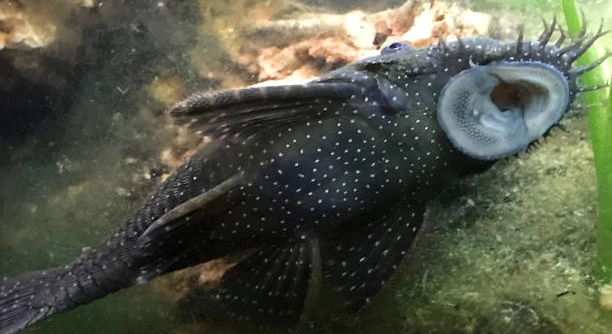
Have you ever noticed your Bristlenose Pleco quietly exploring the corners of your aquarium, spending hours grazing on algae and hiding among the plants? These small, peaceful fish have unique behaviors that make them fascinating to observe.
Bristlenose Plecos are generally solitary creatures and do not require companions to thrive. They can coexist peacefully with other fish but typically prefer to spend most of their time alone, relying on hiding spots and algae for sustenance.
Understanding their natural tendencies can help you create a comfortable and stress-free environment for your Pleco to flourish.
Understanding Bristlenose Pleco Behavior
Bristlenose Plecos are naturally solitary fish. In their natural habitats, they spend most of their time grazing on algae and hiding among rocks or plants. They are nocturnal, becoming more active at night, and often retreat to shelters during the day. Observing them closely, you may notice how they interact with the environment, gently scraping surfaces and exploring corners of the tank. They are not aggressive, but they can be territorial, especially with other bottom-dwelling fish. Providing plenty of hiding spots, driftwood, and surfaces for algae growth helps reduce stress and encourages natural behavior. Watching a Pleco slowly move across the tank, brushing against decorations, can be calming and rewarding. Their slow, deliberate movements make them easy to care for, but they do appreciate a stable environment with consistent water conditions and proper nutrition to remain healthy and active throughout the year.
These fish do not need other Plecos to feel secure, making them ideal for peaceful aquariums.
Even though they are independent, some tank mates may benefit from their presence. Small community fish often coexist with Bristlenose Plecos without conflict. Plecos’ algae-eating habits can help keep tanks cleaner, indirectly supporting other fish. However, overcrowding the bottom with multiple Plecos can lead to territorial disputes, so understanding their space needs is essential. Proper tank setup with hiding areas ensures everyone in the aquarium remains comfortable, reducing stress and potential health issues. Over time, observing their subtle interactions can provide insight into their preferences and habits, enhancing your overall care approach.
Tank Setup Tips for Plecos
A well-structured tank supports their natural behavior and comfort.
When setting up a Pleco tank, include plenty of hiding spaces, driftwood, and smooth surfaces for grazing. They need stable water parameters, with regular maintenance to keep the environment clean. Adequate filtration, gentle water flow, and occasional supplemental feeding are important. Driftwood is especially valuable, as it provides both shelter and a food source. Soft lighting mimics their natural shaded habitats, reducing stress and encouraging normal activity patterns. Avoid overcrowding and ensure sufficient space for each Pleco if more than one is present. Including plants can enhance the tank visually while offering extra cover. Monitoring water quality and observing fish behavior regularly ensures that their environment remains suitable. Understanding these requirements helps maintain their health, supports natural behavior, and allows you to appreciate their unique presence in the tank. Proper setup is essential for a thriving, balanced aquarium that benefits all inhabitants.
Feeding and Nutrition
Bristlenose Plecos mainly eat algae, but their diet should be supplemented with vegetables and sinking pellets. Zucchini, cucumber, and spinach work well. Providing a varied diet ensures healthy growth and vibrant coloration while keeping them active and satisfied in their tank environment.
Supplementing their diet with fresh vegetables is essential for overall health. While algae can cover part of their nutritional needs, relying solely on it may cause deficiencies. Occasional protein-based foods like bloodworms or shrimp pellets can support growth, especially for younger Plecos. Ensuring they have access to surfaces for grazing mimics natural behavior. Rotating vegetables weekly keeps their diet balanced. Observing their eating habits helps you know if they are receiving enough nutrients, as underfed Plecos may become lethargic or show slower growth patterns.
Providing a consistent feeding schedule fosters trust and regular activity. Plecos quickly learn when and where food is available, which encourages natural foraging behavior. Avoid overfeeding to prevent water quality issues.
Choosing Tank Mates
Bristlenose Plecos are compatible with most peaceful community fish, including tetras, guppies, and rasboras. Aggressive or territorial fish should be avoided to prevent stress and injury. Their calm nature allows easy integration.
Choosing compatible tank mates requires considering swimming zones and behavior. Plecos occupy the bottom, so mid- and top-dwelling fish are ideal companions. Avoid other bottom dwellers that may compete for hiding spots or food. Observe interactions carefully, especially during feeding, to ensure harmony. Providing multiple hiding areas reduces territorial disputes. Some Plecos may tolerate conspecifics if the tank is spacious, but personal observation is key. Overcrowding can lead to stress, so proper tank size is critical. Regular monitoring and gradual introductions help maintain a peaceful community aquarium.
Breeding Considerations
Bristlenose Plecos breed in caves or enclosed spaces, often requiring a male and female for successful reproduction. Providing a suitable hiding spot encourages spawning and protects eggs from other tank inhabitants. Monitoring water quality is essential during this time.
Males develop larger bristles on their faces when ready to breed. They guard the eggs carefully, fanning them to provide oxygen. Females lay eggs inside the cave or hollow decoration, and the male continues care until they hatch. Observing this behavior can be rewarding, but it requires minimal disturbance to prevent stress. Adequate hiding places and a stable environment increase the likelihood of successful breeding.
Common Health Issues
Bristlenose Plecos are generally hardy but can face problems like fin rot or parasitic infections. Maintaining clean water and a proper diet reduces risks.
Tank Size Recommendations
A minimum tank size of 20 gallons suits a single Pleco. Larger tanks are recommended if keeping multiple Plecos or additional fish.
Hiding Spots and Decorations
Providing driftwood, caves, and smooth decorations helps Plecos feel secure and encourages natural behaviors.
FAQ
Do Bristlenose Plecos need companions?
Bristlenose Plecos are solitary by nature. They do not require other Plecos to feel comfortable or secure in their tank. While they can coexist with peaceful community fish, they spend most of their time alone, grazing on algae and exploring their hiding spots.
Can I keep more than one Pleco in the same tank?
It is possible to keep multiple Bristlenose Plecos together, but caution is needed. They are territorial along the bottom of the tank, so sufficient hiding spaces and a larger tank are necessary to reduce conflicts. Overcrowding may lead to stress and minor aggression.
What is the best diet for a Bristlenose Pleco?
A varied diet is essential. Algae is a staple, but it should be supplemented with vegetables like zucchini, cucumber, and spinach. Occasional protein-based foods, such as bloodworms or shrimp pellets, help support growth and overall health. Feeding multiple times a week in small amounts is ideal.
How often should I feed my Pleco?
Feeding every other day or three times a week is usually sufficient, depending on the size and age of the fish. Overfeeding can cause water quality issues and lead to obesity. Watching them eat helps determine the correct amount.
What tank size do Bristlenose Plecos need?
A single Pleco does well in a 20-gallon tank. If you plan to keep multiple Plecos or other fish, a larger tank is recommended. More space prevents territorial disputes and allows for proper hiding spots and grazing areas.
Do Plecos need driftwood in their tank?
Yes, driftwood provides both hiding spots and a natural food source. Plecos rasp on it, which helps with digestion. Smooth, untreated driftwood is safest. It also mimics their natural habitat, making them feel secure and encouraging natural behavior.
Can Bristlenose Plecos live with aggressive fish?
Aggressive or highly territorial fish should be avoided. Stress from constant harassment can weaken Plecos’ immune systems and affect their health. Peaceful mid- or top-dwelling fish are better companions for a calm tank environment.
How do I know when my Pleco is healthy?
Healthy Plecos are active at night, grazing surfaces and exploring hiding spots. They have vibrant coloration, intact fins, and no visible lesions or unusual growths. Appetite and regular movement are also good indicators of overall health.
How do I encourage breeding in Plecos?
Breeding requires a male and female, caves for spawning, and stable water conditions. Males develop prominent bristles and guard the eggs. Providing hiding spots and minimizing disturbances increases the chances of successful reproduction. Regular observation helps ensure the eggs are safe and developing properly.
What are common health issues in Bristlenose Plecos?
They are hardy but can face fin rot, parasitic infections, or stress-related illnesses. Maintaining clean water, a balanced diet, and proper tank conditions minimizes these risks. Early detection and treatment are crucial to prevent serious health problems.
How much lighting do Plecos need?
Plecos prefer dim or moderate lighting since they are mostly nocturnal. Bright light can stress them, so shaded areas or decorations that provide cover are helpful. A natural day-night cycle encourages normal activity patterns.
Do Plecos eat live plants?
Generally, Bristlenose Plecos do not heavily damage live plants, but some soft leaves may be nibbled occasionally. Hardy plants or artificial decorations can be used to protect delicate species while still providing natural cover.
How long do Bristlenose Plecos live?
With proper care, Bristlenose Plecos can live 5 to 10 years, sometimes longer. Maintaining stable water conditions, a balanced diet, and a stress-free environment supports longevity and overall health.
Are Plecos noisy or disruptive?
No, they are quiet fish. Their movements are gentle, and they rarely disturb other tank inhabitants. Watching them graze or rest is peaceful, making them a calm addition to any community aquarium.
Do Plecos need water heaters?
Bristlenose Plecos prefer water temperatures between 74–80°F (23–27°C). In cooler climates, a heater ensures consistent warmth, which helps maintain activity, digestion, and overall health. Extreme temperature fluctuations should be avoided.
Can Plecos survive on algae alone?
Algae alone is not enough for long-term health. While it provides fiber and some nutrients, vegetables and occasional protein supplements are necessary for growth, vibrant coloration, and strong immunity.
How often should I clean a Pleco tank?
Regular partial water changes, typically weekly, help maintain water quality. Removing uneaten food and cleaning surfaces prevents buildup of waste. Over-cleaning or disrupting decorations can stress Plecos, so balance is important.
Do Plecos interact with their owners?
They are generally independent but may become accustomed to human presence over time. Some may swim closer during feeding, but they rarely seek attention actively, showing curiosity mainly through observation of the tank environment.
Can Plecos coexist with shrimp or snails?
Yes, most small invertebrates coexist well. Plecos may occasionally nibble on very soft-bodied species, but generally, they focus on algae and plant matter rather than actively hunting tankmates. Observing interactions ensures compatibility.
Is it okay to keep Plecos in a small tank temporarily?
Short-term housing in a small tank is acceptable during cleaning or emergencies. Long-term, a small tank restricts movement, increases stress, and may trigger territorial disputes. Ensuring adequate space is crucial for ongoing health and comfort.
What water parameters are best for Plecos?
They prefer pH between 6.5–7.5 and soft to moderately hard water. Stable conditions, gentle filtration, and low nitrate levels promote health. Sudden changes in water chemistry can cause stress and illness. Regular testing is recommended.
Do Plecos need air stones or special aeration?
Standard filtration often provides sufficient oxygen. Additional aeration can help in heavily stocked tanks but is generally not required. Plecos can tolerate normal tank oxygen levels as long as water movement is moderate.
How fast do Bristlenose Plecos grow?
Growth depends on diet, tank size, and water quality. They typically reach 4–6 inches within a year under optimal conditions. Proper nutrition and a comfortable environment ensure steady, healthy development.
Can Plecos help keep the tank clean?
Yes, they consume algae and detritus, which can reduce maintenance needs. However, they are not a complete cleaning solution. Regular tank upkeep and water changes are still necessary for a healthy aquarium.
Do Plecos require specific substrates?
Soft sand or smooth gravel is ideal. Sharp substrates can damage their delicate undersides. Providing a natural feel with driftwood and decorations supports grazing and comfort.
Are Plecos compatible with bettas?
Generally, yes. Bettas occupy the upper levels, while Plecos stay at the bottom. Both are relatively peaceful, but observing initial interactions ensures the betta does not harass the Pleco.
How can I tell the sex of a Bristlenose Pleco?
Males have larger bristles on their snouts, especially during breeding periods. Females have shorter, less prominent bristles. Observing their behavior during spawning can also help identify gender.
Do Plecos need special water changes during breeding?
Stable water conditions are more important than frequent changes. Minor adjustments to slightly warmer, cleaner water can encourage spawning, but sudden large changes may stress adults and eggs.
What are the signs of stress in Plecos?
Lethargy, loss of appetite, hiding constantly, or damaged fins indicate stress. Causes include overcrowding, poor water quality, aggressive tank mates, or sudden environmental changes. Addressing these issues promptly helps restore health.
Can Plecos survive in cold water?
Bristlenose Plecos tolerate slightly cooler temperatures but prolonged exposure below 72°F (22°C) may reduce activity, slow digestion, and weaken immunity. Maintaining a stable, warm environment is preferred for optimal health.
Do Plecos need supplements or vitamins?
A balanced diet usually provides necessary nutrients. Occasional supplements, like spirulina or fortified pellets, can enhance coloration and immune health, especially if algae is limited.
How often do Plecos molt or shed skin?
Plecos do not molt like invertebrates but may shed a thin layer of mucus or slough minor skin cells. This is normal and helps maintain healthy skin and scale condition.
Do Plecos have favorite hiding spots?
Yes, they prefer caves, driftwood hollows, or dense plant areas. Providing multiple options reduces stress and allows natural exploration without conflicts.
Can Plecos coexist with goldfish?
Generally, yes, if the tank is large enough. Goldfish may compete for food at the surface, but Plecos occupy the bottom. Proper feeding ensures both species thrive without stress.
Do Plecos need any special water conditioners?
Using standard water conditioners to remove chlorine and chloramines is sufficient. Plecos do not require special additives beyond maintaining proper pH and hardness for stability.
Can Plecos get along with cichlids?
It depends on the cichlid species. Aggressive cichlids can harass Plecos, causing stress or injury. Peaceful cichlids or larger, non-territorial species may coexist if the tank provides adequate space and hiding spots.
Are Plecos nocturnal?
Yes, they are most active at night. Observing them during the day often shows them resting in hiding spots. Nighttime activity includes grazing, exploring, and interacting subtly with tank mates.
Do Plecos require extra calcium for growth?
Supplemental calcium is not usually necessary if their diet includes vegetables and fortified pellets. Adequate water hardness can also provide some natural minerals. Monitoring for slow growth or deformities can indicate dietary needs.
How do Plecos respond to sudden changes in water?
They are sensitive to abrupt temperature, pH, or chemical changes. Rapid shifts can cause stress, illness, or lethargy. Gradual acclimation during water changes helps maintain stability.
Do Plecos need any special lighting for growth or health?
No special lighting is required. Moderate lighting with shaded areas works best, replicating their natural environment. Too bright lighting may cause stress, while dim lighting supports comfort and normal behavior.
Can Plecos coexist with African Dwarf Frogs?
Yes, they generally do well together. Plecos stay on the bottom while frogs stay near mid-water. Both species are peaceful, but monitoring during feeding ensures competition does not occur.
Do Plecos have social behaviors?
They are mostly solitary but may display minor interactions when multiple Plecos are present, such as brief territory inspections. Observing these behaviors provides insight into comfort levels and tank balance.
Are Plecos prone to obesity?
Yes, overfeeding, especially with high-protein foods, can cause weight gain. Moderation and a balanced diet prevent health issues and maintain normal activity levels.
How do I clean a Pleco tank without stressing them?
Partial water changes and gentle vacuuming of debris work best. Avoid moving decorations frequently, and clean when they are resting to minimize disruption. Maintaining consistency reduces stress.
Do Plecos need quarantine before adding to a community tank?
Yes, quarantining new Plecos helps prevent introducing diseases or parasites to established fish. Observing behavior and health during quarantine ensures safe integration.
Can Plecos tolerate brackish water?
No, they are freshwater fish. Slightly soft to moderately hard freshwater is ideal. Brackish or saltwater conditions can cause stress, illness, or death.
How do Plecos interact with snails?
They generally ignore snails, focusing on algae and plant matter. Occasional incidental contact may occur, but they rarely harm healthy snails.
Do Plecos need special decorations for climbing or activity?
No, smooth driftwood, caves, and rocks are sufficient. They do not require climbing structures but enjoy grazing and exploring surfaces at the bottom of the tank.
Are Plecos sensitive to medications?
Yes, some medications, especially those containing copper, can harm Plecos. Always check compatibility with bottom-dwelling species before treating the tank.
Can Plecos survive with fluctuating pH levels?
Fluctuating pH stresses Plecos, affecting health and growth. Maintaining a stable pH between 6.5–7.5 is important for long-term well-being.
Do Plecos prefer soft or hard water?
They thrive in soft to moderately hard water. Extremely hard or mineral-rich water may affect health, while overly soft water requires careful monitoring to maintain stability.
Do Plecos sleep like other fish?
Yes, they rest in hiding spots during the day. Their sleep is light and they remain aware of surroundings, becoming active mainly at night for grazing and movement.
How often should I check water parameters for Plecos?
Weekly testing of pH, ammonia, nitrites, and nitrates is recommended. Consistent monitoring prevents stress, disease, and long-term health issues. Adjustments should be gradual to avoid shock.
Can Plecos live with shrimp?
Yes, most small shrimp coexist peacefully. Plecos focus on algae rather than hunting, but very tiny or weak shrimp may occasionally be at risk. Observation ensures compatibility.
Do Plecos require a lot of tank maintenance?
Regular cleaning, water changes, and monitoring are necessary, but they are not high-maintenance. Their algae-eating helps reduce upkeep, but routine care ensures a healthy environment.
How do I acclimate a new Pleco to my tank?
Float the bag in the tank to equalize temperature, then slowly mix tank water into the bag over 30–60 minutes. Gradual acclimation reduces stress and helps the Pleco adjust safely.
Can Plecos survive in tanks without plants?
Yes, they do not strictly need live plants but benefit from hiding spaces and surfaces to graze on. Artificial plants or decorations can substitute for natural cover.
Do Plecos need special supplements for bristles?
No special supplements are required. Healthy diet and proper water conditions naturally support bristle development, especially in males during breeding periods.
Can Plecos adapt to different water hardness?
They tolerate moderate variations but prefer consistent conditions. Sudden changes can cause stress and affect feeding or activity. Gradual adjustment is necessary for long-term health.
How do I encourage Plecos to explore the tank?
Placing food in different areas and providing multiple hiding spots encourages natural exploration. Gentle lighting and minimal disturbances also help them feel secure while moving.
Do Plecos require specific tank shapes or layouts?
No special tank shapes are required. A tank that allows enough floor space for grazing, hiding, and swimming is most important. Decorations and driftwood enhance comfort and natural behavior.
Can Plecos survive in small bowls?
No, small bowls restrict movement, reduce water quality, and increase stress. Adequate tank size is essential for long-term health and proper development.
Do Plecos enjoy current or flowing water?
Moderate water flow is preferred. They do not require strong currents, but gentle circulation mimics natural conditions and supports oxygenation.
Are Plecos compatible with small schooling fish?
Yes, they coexist well with mid- and top-dwelling schooling fish. Plecos stay at the bottom, minimizing competition and stress while allowing peaceful community interactions.
Do Plecos require substrate for digging?
They do not dig extensively but benefit from soft sand or smooth gravel. Sharp substrates can damage fins and undersides. Driftwood and rocks provide better surfaces for grazing.
Can Plecos survive without caves or hiding spots?
They can survive but may become stressed. Hiding spots are important for resting, spawning, and feeling secure, directly affecting overall health and behavior.
Do Plecos need a lot of swimming space?
Moderate swimming space is enough since they are bottom dwellers. Adequate floor area, grazing surfaces, and hiding places are more important than open water for exercise.
Can Plecos tolerate sudden light changes?
Sudden bright lights can stress them. Gradual lighting changes or shaded areas are better, replicating their natural habitats with varying light conditions.
How do Plecos react to tank mates during feeding?
They focus on algae and sinking foods, generally avoiding competition. Careful observation ensures they get enough nutrition without being harassed by faster or aggressive fish.
Do Plecos need seasonal changes in water temperature?
No, maintaining stable temperatures within their preferred range supports health and prevents stress. Seasonal fluctuations are not necessary in a home aquarium.
Can Plecos live in tanks with turtles?
Not ideal. Turtles may harass or injure Plecos. If combined, a very large tank with separate zones and hiding places is essential to prevent conflict.
Do Plecos require nighttime feeding?
Not strictly, but since they are nocturnal, feeding in the evening or late afternoon aligns with natural behavior and encourages activity.
Can Plecos tolerate tap water with chloramine?
Only if treated with a water conditioner that neutralizes chloramine. Untreated tap water can harm gills and overall health.
Do Plecos need special care during molting or skin shedding?
No special care is required. Shedding of mucus or minor skin layers is normal. Maintaining good water quality and a balanced diet supports this process naturally.
Are Plecos prone to specific diseases?
They are hardy but susceptible to fin rot, parasitic infections, and stress-related illnesses. Prevention through proper tank maintenance and diet is more effective than treatment after onset.
Can Plecos live with catfish?
Compatibility depends on species. Peaceful catfish are fine, but aggressive bottom dwellers may compete for space or food, causing stress. Observation is key.
Do Plecos prefer dim or bright lighting?
Dim or moderate lighting is ideal. Bright light can cause stress and hide them in corners, while softer light encourages natural activity and grazing behavior.
How often do Plecos need water changes?
Partial water changes weekly or biweekly help maintain water quality. Large or frequent changes may cause stress. Consistency supports health and normal behavior.
Do Plecos need extra supplements during breeding?
Occasional vegetable or protein-rich foods can support health and encourage spawning, but stable water and hiding spots are more critical for successful reproduction.
Can Plecos live alone without any tank mates?
Yes, they thrive alone. While they interact minimally with other species, their health and behavior do not depend on companionship. Proper environment and diet are sufficient for well-being.
Do Plecos require sand or gravel substrate for health?
Soft sand or smooth gravel is preferred to protect their undersides. Sharp substrates can cause injury and discomfort. Driftwood and decorations offer better surfaces for grazing and exploration.
Can Plecos survive in planted tanks?
Yes, planted tanks are suitable. They may nibble soft leaves occasionally, but hardy plants provide hiding
Bristlenose Plecos are quiet, low-maintenance fish that fit well in many community aquariums. Their calm and solitary nature means they do not require companions, although they can live peacefully alongside other fish. Observing their slow, deliberate movements and grazing behavior can be rewarding, offering a sense of satisfaction as they explore their environment. These fish are gentle, bottom-dwellers who rely on hiding spots, driftwood, and algae to feel secure. Setting up a tank with adequate space, smooth surfaces, and proper decorations ensures they can display natural behaviors while remaining stress-free. Understanding these needs helps you provide a stable environment that promotes health, activity, and longevity. Over time, you will notice their patterns, from nocturnal grazing to resting in sheltered areas, which reinforces how simple yet captivating their behavior can be. Providing proper care, including regular feeding, water changes, and observation, makes it easy to maintain a thriving Pleco without added complications.
Feeding and nutrition are essential to a Pleco’s well-being. Algae alone is not enough to meet all their dietary needs. Vegetables like zucchini, cucumber, and spinach provide essential nutrients and fiber, while occasional protein-based foods such as shrimp pellets or bloodworms support growth and vitality. Maintaining a regular feeding schedule helps establish predictable routines, which Plecos quickly learn. They will graze at specific surfaces, responding to consistent food availability. Overfeeding should be avoided, as it can affect water quality and lead to obesity. Observing how your Pleco eats allows you to adjust portions to ensure optimal health. Combined with a balanced diet, a properly set up tank with hiding spots, driftwood, and soft substrates supports natural foraging behaviors. These practices not only encourage physical health but also contribute to their mental comfort, making them feel safe and secure. Over time, a well-fed Pleco demonstrates lively activity during feeding and nocturnal exploration, which reflects good care.
Maintaining water quality and tank conditions is equally important. Bristlenose Plecos thrive in stable water with temperatures between 74–80°F and a pH of 6.5–7.5. Sudden changes in temperature or chemistry can stress them, affecting feeding, growth, and immunity. Providing smooth surfaces, driftwood, caves, and other decorations allows them to rest and hide, reducing stress while mimicking natural habitats. They generally coexist well with peaceful community fish, but tank mates that are aggressive or highly territorial should be avoided. Regular monitoring of water parameters, along with weekly or biweekly partial water changes, supports long-term health. Observing behavior for signs of stress, illness, or changes in appetite ensures early intervention if problems arise. By focusing on proper nutrition, suitable tank setup, and stable water conditions, you can provide a thriving environment that supports natural behavior and long-term health. Bristlenose Plecos may not require companionship, but with the right care, they can live long, healthy, and peaceful lives in a home aquarium, quietly enhancing the overall ecosystem.

Hello,
If you enjoy the content that we create, please consider saying a "Thank You!" by leaving a tip.
Every little bit helps us continue crafting quality advice that supports the health, happiness, and well-being of pets around the world, for pets of all shapes, sizes, and species.
We really appreciate the kindness and support that you show us!