
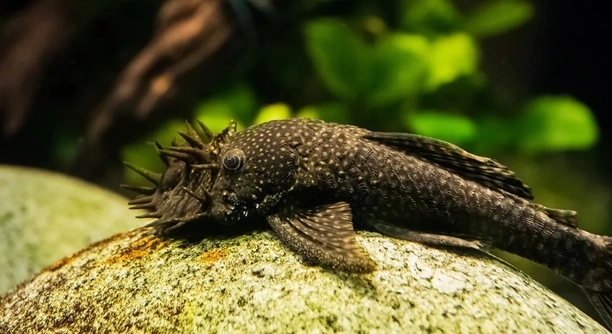
Do you ever notice your Bristlenose Pleco exploring the edges of your aquarium, sometimes clinging to decorations or glass walls with surprising strength? These fish are curious and active, often making aquariums feel more dynamic and lively.
Bristlenose Plecos are capable of climbing surfaces within their tank, but escapes are uncommon when proper tank maintenance is observed. Their climbing ability is typically limited to moist or slippery surfaces, and secure lids greatly reduce the risk of leaving the aquarium.
Understanding how Bristlenose Plecos interact with their environment helps ensure their safety and wellbeing while maintaining a stable tank for all aquatic inhabitants.
Why Bristlenose Plecos Climb
Bristlenose Plecos have strong suction mouths that allow them to attach to surfaces. They often climb on glass walls, rocks, and driftwood while searching for food or exploring their environment. This behavior is natural and helps them feel secure. Climbing also aids in cleaning algae from surfaces, which is a key part of their diet. Plecos are nocturnal and tend to be more active at night, making their climbing attempts more noticeable during evening hours. Even when they are calm during the day, they may shift position or adjust their grip to maintain comfort. Observing their movement helps understand their health and behavior. If a Pleco is struggling or frequently falling, it could indicate stress, illness, or an unsuitable tank setup. Ensuring smooth surfaces and proper water conditions reduces excessive climbing while allowing normal activity. Their climbing is a combination of instinct and necessity, not an attempt to escape.
Climbing is natural and usually not dangerous when the tank has proper conditions and a secure lid.
Maintaining tank stability and monitoring Pleco activity can prevent accidents. Observing when and where your Pleco climbs gives insights into their preferences. Providing driftwood, rocks, and smooth surfaces can satisfy their climbing instincts. Avoid sharp decorations that could injure them while climbing. Checking water quality, temperature, and oxygen levels ensures the tank supports healthy activity. A secure lid prevents escapes and keeps your fish safe while allowing them to move freely. Climbing behavior often reflects environmental enrichment rather than distress. By arranging the tank thoughtfully, you can minimize risky climbing while maintaining a stimulating habitat. Watching Plecos adapt and explore encourages attentive care and helps notice changes in behavior early. Small adjustments, such as adding algae wafers or gentle current, can satisfy their needs. Overall, understanding climbing tendencies improves both safety and overall wellbeing in the aquarium.
How to Prevent Escapes
A tight-fitting lid is essential to prevent Plecos from leaving the tank.
Tank layout matters. Adding smooth driftwood, rocks, and hiding spots reduces stress and limits climbing attempts. Avoid decorations with gaps or sharp edges that encourage risky behavior.
Monitoring Pleco activity closely allows early detection of escape attempts. Water quality directly affects their health, influencing climbing frequency. Providing sufficient food and algae reduces unnecessary movement toward the water surface. Temperature and oxygen levels must remain stable, as fluctuations can trigger unusual climbing or jumping. Observing patterns in their climbing helps identify triggers. A properly secured lid ensures safety without restricting their natural behavior. Routine checks of tank seals and corners prevent unnoticed openings. Additionally, adjusting lighting and flow conditions can guide activity to safer areas. By combining secure tank design with attentive care, climbing becomes a controlled, natural behavior rather than a hazard. These measures maintain a safe environment while respecting the Pleco’s instincts, ensuring their wellbeing over time.
Signs Your Pleco May Try to Climb
Frequent movement near the tank edges or glass is a common indicator. Plecos that often shift positions or stick to surfaces may be attempting to explore or escape.
Pay attention to behavior changes. If your Pleco is more active at unusual times, scratches the glass, or repeatedly moves toward the water surface, it could indicate stress or curiosity. Stress may result from poor water quality, inadequate hiding spots, or overcrowding. Some Plecos also test the tank environment, especially when new decorations or changes occur. Understanding these behaviors helps prevent accidents. Observing how often your Pleco climbs and which areas it targets gives valuable insight into its needs. Adjusting tank conditions accordingly can reduce risky climbing attempts and improve overall comfort. Monitoring patterns consistently allows you to notice subtle changes early, keeping your Pleco safe and content.
Environmental factors strongly influence climbing behavior. Water temperature, current, and oxygen levels affect activity. Providing sufficient food and hiding areas reduces unnecessary attempts to reach the water surface. Ensuring smooth surfaces prevents injury, while secure lids stop escapes. Regular maintenance and attention to behavioral cues maintain a safe environment and satisfy the Pleco’s natural instincts.
Tank Adjustments to Limit Climbing
Smooth surfaces, stable decorations, and secure lids are key to minimizing climbing risks while supporting healthy activity.
Adjusting tank layout thoughtfully prevents injuries and escape attempts. Avoid sharp or unstable decorations that encourage climbing. Adding driftwood, rocks, or plants provides stimulation without promoting risky behavior. Regularly monitoring water quality, temperature, and oxygen ensures optimal conditions, reducing stress-driven climbing. Secure lids are essential, especially for nocturnal activity when Plecos are most active. Observing the tank’s edges and corners helps identify areas prone to climbing, allowing targeted adjustments. Feeding schedules and algae availability influence movement patterns, so maintaining consistent care supports safer behavior. Small changes in lighting or water flow can guide activity to safer areas, keeping the Pleco engaged while minimizing escape risks. Implementing these adjustments creates a controlled environment that respects natural instincts, protects the fish, and reduces accidents.
Common Reasons Plecos Climb
Bristlenose Plecos climb to explore, search for food, or clean surfaces. They also test their environment, especially when decorations or tank conditions change.
Stress or discomfort can increase climbing behavior. Poor water quality, temperature fluctuations, or overcrowding may push Plecos to seek safer areas or more oxygen-rich zones.
Monitoring and Observing Behavior
Regular observation helps identify patterns. Noting when and where your Pleco climbs can reveal triggers like feeding time, light changes, or current variations. Consistent monitoring allows early intervention, reducing accidents and ensuring a safer tank environment. Adjusting decorations or water conditions based on behavior promotes comfort.
Feeding Habits and Climbing
Inadequate or inconsistent feeding can prompt Plecos to climb in search of food. Ensuring proper nutrition reduces unnecessary exploration and surface activity.
FAQ
Can Bristlenose Plecos actually escape from tanks?
Yes, while it is rare, Bristlenose Plecos can escape if the tank is not properly secured. They are strong climbers, able to move along smooth or slippery surfaces for short distances. A tight-fitting lid is essential to prevent accidental escapes.
Why does my Pleco climb the glass so often?
Frequent glass climbing is usually linked to natural exploration or searching for food. Plecos also use climbing as a way to clean surfaces covered in algae. Changes in water conditions, light, or decoration placement may trigger more noticeable climbing.
Is climbing a sign of stress or illness?
Sometimes. Stressors like poor water quality, fluctuating temperatures, low oxygen levels, or overcrowding can increase climbing behavior. Observing additional signs such as loss of appetite, rapid breathing, or lethargy can indicate health concerns that need attention.
Do Plecos climb more at night?
Yes, Bristlenose Plecos are nocturnal, meaning they are more active in the evening and night. Their natural instincts drive them to explore, feed, and clean surfaces under low-light conditions, making climbing attempts more noticeable during these hours.
How can I make climbing safer for my Pleco?
Providing smooth, stable surfaces reduces injury risk while allowing natural movement. Avoid sharp decorations or rough edges. Secure decorations and maintain adequate hiding spots. A well-maintained tank with proper water parameters supports normal activity while limiting risky climbing behavior.
Does diet affect climbing behavior?
Yes. Plecos that are underfed or lack access to algae may climb more to find food. Offering algae wafers, vegetables, and supplemental feeding reduces unnecessary surface exploration and keeps climbing motivated by natural behavior rather than hunger.
Will a secure lid completely stop climbing?
A secure lid prevents escapes but does not stop natural climbing within the tank. Plecos will still move along surfaces and decorations, so ensuring safe tank design is important to prevent injuries during these activities.
Are younger Plecos more likely to climb?
Juvenile Plecos tend to be more active and exploratory, making climbing more frequent. As they mature, their behavior may stabilize, but adult Plecos can still climb depending on environmental conditions, food availability, and tank layout.
Can climbing harm my Pleco?
Climbing is generally safe if surfaces are smooth and tank conditions are suitable. Injuries occur mainly from sharp edges, falls from unstable decorations, or insecure lids. Regular inspection of tank layout helps minimize risks while supporting normal behavior.
What environmental factors trigger climbing?
Water temperature, oxygen levels, light intensity, and current strength all influence activity. Stressful conditions or sudden changes in these factors can increase climbing frequency. Maintaining stable water parameters and observing Pleco patterns ensures safe and predictable behavior.
How do I know if climbing is normal or a problem?
Normal climbing is exploratory and brief. Excessive attempts to reach the water surface, repeated falls, or unusual behavior patterns may indicate stress, illness, or insufficient tank setup. Monitoring behavior and tank conditions helps distinguish normal activity from concerning signs.
Can adding plants reduce climbing?
Yes. Live or artificial plants provide hiding spots and distractions, keeping Plecos engaged in the tank rather than attempting to climb surfaces near the top. Arranging plants strategically reduces risky climbing while promoting natural behavior.
Should I worry if my Pleco climbs at night and then rests during the day?
No. This is typical nocturnal behavior. Plecos naturally explore and feed at night, then rest during daylight. Ensuring proper tank conditions and secure lids prevents accidents while allowing them to follow their natural schedule.
Does tank size affect climbing behavior?
Smaller tanks can increase climbing attempts due to limited space. Providing adequate volume, vertical structures, and hiding spots reduces stress-driven climbing while supporting natural movement and exploration patterns.
Can climbing indicate boredom?
Sometimes. Plecos are intelligent and curious, so limited stimulation may prompt more climbing. Providing decorations, driftwood, plants, and varied surfaces satisfies exploration instincts and minimizes risky behavior driven by inactivity.
How often should I check for climbing-related hazards?
Daily observation is ideal. Check for sharp edges, unstable decorations, gaps in lids, and signs of injury. Routine monitoring allows early detection of issues, ensuring the tank remains safe while supporting normal Pleco behavior.
Do all Plecos climb, or just Bristlenose?
Climbing behavior varies among species. Bristlenose Plecos are known climbers due to their strong suction mouths and active nature. Other Pleco species may climb less frequently, depending on size, activity level, and tank conditions.
Will adding driftwood increase climbing attempts?
Yes, but in a controlled way. Driftwood provides vertical surfaces that satisfy climbing instincts safely. Proper placement prevents falls or injuries while enriching the tank environment and encouraging natural behaviors.
Can climbing lead to jumping out of the tank?
Potentially. If surfaces are slippery or water levels are low, Plecos may accidentally exit the tank. Ensuring secure lids and minimizing high, unstable surfaces prevents accidents and keeps climbing within safe limits.
How do I balance allowing climbing while keeping my Pleco safe?
Provide smooth, stable surfaces, adequate hiding spots, and a secure lid. Maintain proper water conditions, nutrition, and enrichment. Observing behavior helps adjust tank layout for both safety and natural activity, supporting healthy Pleco behavior without unnecessary risk.
This FAQ covers common concerns, practical tips, and preventive measures, helping maintain a safe environment while respecting Bristlenose Plecos’ natural climbing instincts. Proper observation, secure tank design, and consistent care ensure their wellbeing while allowing normal activity.
Final Thoughts
Bristlenose Plecos are fascinating fish, and their climbing behavior is a natural part of their instincts. They use their strong suction mouths to explore surfaces, search for food, and clean algae. While this behavior can sometimes seem alarming, it is usually harmless when the tank is properly set up. Observing how your Pleco moves around the tank provides insight into its health and comfort. Climbing is more pronounced at night since Plecos are nocturnal, but daytime activity is normal as well. Providing smooth surfaces, hiding spots, and decorations that allow safe climbing helps satisfy their instincts without putting them at risk. It is important to note that climbing does not mean your Pleco is trying to escape; it is more about exploration and natural behavior. Proper tank maintenance, a secure lid, and monitoring water quality all contribute to safe climbing.
Ensuring the right environment is essential for your Pleco’s wellbeing. Water temperature, oxygen levels, and cleanliness play a significant role in reducing stress-related climbing. Overcrowded tanks or sudden changes in the environment can increase activity, sometimes leading to accidents if the tank is not secure. Feeding habits also influence climbing behavior, as underfed or hungry Plecos may explore more in search of food. Regularly providing algae wafers, vegetables, and occasional treats keeps your Pleco engaged and satisfied. Decorations like driftwood and plants allow natural exploration while preventing risky climbing near the water surface. Observing your Pleco’s behavior consistently helps identify any patterns or changes that may indicate health concerns. Small adjustments in tank layout or lighting can guide climbing activity safely, ensuring the fish has both stimulation and security. Maintaining a balance between environmental enrichment and safety is key.
Climbing is just one aspect of Pleco behavior that highlights their intelligence and adaptability. Watching them interact with their surroundings can be rewarding and helps build a better understanding of their needs. By providing a well-structured and stable tank, you can encourage natural behavior while minimizing risks. Plecos benefit from consistent care, including proper feeding, regular water checks, and attention to activity levels. Even minor changes in water quality, temperature, or oxygen can influence climbing, so monitoring conditions is important. A secure lid and careful arrangement of decorations prevent escapes or injuries. Supporting their nocturnal and exploratory tendencies with thoughtful design keeps them active and healthy. In the end, understanding and accommodating your Pleco’s climbing instincts allows you to maintain a safe, engaging, and balanced aquarium environment where the fish can thrive naturally.

Hello,
If you enjoy the content that we create, please consider saying a "Thank You!" by leaving a tip.
Every little bit helps us continue crafting quality advice that supports the health, happiness, and well-being of pets around the world, for pets of all shapes, sizes, and species.
We really appreciate the kindness and support that you show us!