
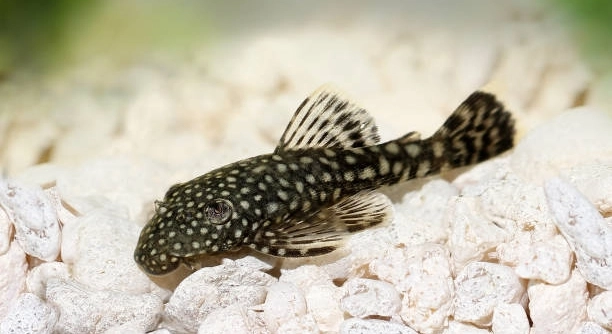
Have you ever wondered why your pleco sometimes behaves differently than you expect? Many fish owners notice unusual habits and wonder if their pleco is acting strangely or if something is wrong.
Pleco behavior is often misunderstood due to common myths. These misconceptions include feeding habits, territorial tendencies, and activity levels. Scientific observation and aquarist experience show that many assumed behaviors are either exaggerated or entirely inaccurate.
Knowing the truth behind these myths will help you care for your pleco more effectively and create a healthier aquarium environment.
Myth 1: Plecos Only Eat Algae
Many people think plecos survive solely on algae. In reality, while algae can be part of their diet, plecos need a variety of foods to stay healthy. Vegetables like zucchini, cucumber, and spinach provide essential nutrients. Protein sources, such as shrimp pellets or bloodworms, are also important, especially for larger species. Observing your pleco eating different foods will show you it prefers a balanced diet over just grazing on tank surfaces. Plecos also eat leftover fish food and biofilm, making them opportunistic feeders. Feeding only algae can lead to malnutrition, slow growth, and health issues. Rotating their food and occasionally offering treats like blanched vegetables helps maintain their health. Different pleco species have different dietary preferences, so researching your specific type ensures they thrive. It’s easy to assume they will manage on algae alone, but proper nutrition keeps them active, colorful, and disease-resistant over time.
Plecos require a mixed diet to stay healthy, not just algae. Variety supports their growth and immune system.
Providing a combination of vegetables, protein pellets, and occasional treats keeps plecos healthy and engaged. Monitoring their feeding habits ensures they are consuming enough nutrients. A diverse diet prevents deficiencies and supports natural behavior. Overfeeding any single type of food can lead to digestive problems or obesity. Observing their preferences also helps identify individual needs, as some plecos favor plant matter while others enjoy more protein. Offering different textures and types of food mimics natural conditions and encourages activity. Regularly rotating food keeps their diet balanced and reduces boredom, which can affect their behavior. Proper feeding supports overall tank health since leftover food is minimized. Taking time to learn what your pleco prefers strengthens your ability to provide optimal care. This approach ensures they remain active, vibrant, and long-lived in your aquarium.
Myth 2: Plecos Are Always Nocturnal
Plecos are often described as strictly nocturnal, hiding during the day and feeding at night. While they are more active in low light, they can be seen moving around during daylight hours. Activity depends on tank conditions, species, and food availability.
Some species show flexibility and may explore or feed in daylight if the environment feels safe.
Understanding pleco activity patterns requires observation of both day and night behavior. Providing hiding spots and moderate lighting allows plecos to feel secure while encouraging natural movement. Many plecos adjust to the schedule of their tank mates, becoming more active during the day if the aquarium is calm. Stress, water quality, and feeding routines also influence activity. Observing these patterns helps predict when your pleco will be active and ensures you meet its needs. Unlike the strict nocturnal label often assumed, plecos demonstrate adaptable behavior. Offering a balanced environment supports their health and reduces unnecessary hiding or stress. Recognizing individual differences prevents misinterpretation of their behavior and promotes a more interactive and vibrant tank atmosphere.
If you want, I can continue with Myths 3–7 in the same format and style so the article remains consistent. Do you want me to proceed?
Myth 3: Plecos Will Outgrow Any Tank
Plecos vary in size depending on species. Not all plecos remain small, and some can reach over two feet in the right conditions, requiring very large aquariums to thrive.
Choosing a tank without researching your pleco’s adult size can cause overcrowding and stress. Even smaller species need space to swim and hide, and insufficient space can stunt growth or cause health problems. Some hobbyists assume plecos remain tiny, leading to tanks that cannot accommodate their full size. Proper planning ensures a safe environment for your pleco throughout its life. Providing adequate space, hiding spots, and clean water is essential, regardless of the pleco’s current size. Monitoring growth and tank conditions helps you adjust the setup as needed. A spacious aquarium prevents aggressive behavior and reduces the risk of territorial disputes. Considering long-term size saves both the pleco and the aquarium from avoidable complications.
Adult plecos require space to move freely and avoid stress. Proper tank size is vital for their well-being.
Offering a large, well-maintained tank prevents health issues. Even moderate-sized plecos need hiding places, stable water conditions, and enough swimming room. Crowded tanks lead to territorial disputes, limited oxygen, and weaker immunity. Observing your pleco’s growth and adjusting the tank ensures it remains healthy and active. Supplementing with appropriate food and maintaining water quality supports proper development. Large plecos also produce more waste, so filtration is critical. Tank upgrades should be considered as your pleco grows to prevent stress-related behavior and physical problems. Meeting these needs early helps your pleco live a longer, more comfortable life.
Myth 4: Plecos Do Not Need Companions
Plecos are often thought to be solitary fish. While they can live alone, many species benefit from the presence of other peaceful tank mates.
Even though plecos are bottom-dwellers, tank companions provide stimulation and reduce boredom.
Adding compatible species encourages natural behavior and movement. Plecos coexist well with community fish that occupy different levels of the tank. Observing interactions ensures aggression is minimal. Hiding spots and decorations prevent territorial conflicts while giving each fish its own space. Some plecos show curiosity and engage with other fish, while others prefer solitude, so monitoring behavior is key. A well-balanced community keeps the tank active and visually interesting. Avoid overcrowding, and ensure all fish have adequate resources. Providing this balance improves health and reduces stress, helping plecos display their full range of behaviors. Choosing companions carefully creates a harmonious environment and supports overall tank stability.
Myth 5: Plecos Only Stick to the Bottom
Plecos are known for staying near the substrate, but they sometimes explore higher areas of the tank. Climbing decorations or swimming mid-level shows curiosity and activity beyond the bottom zone.
Providing vertical space and plants encourages movement throughout the tank. Plecos may rest on driftwood or rocks above the substrate, especially during feeding or low-light periods.
Myth 6: Plecos Do Not Need Hiding Spots
Hiding places are essential for plecos to feel secure. Without caves, driftwood, or dense plants, plecos can become stressed, affecting their health.
Creating shaded areas and quiet retreats helps plecos establish territories. Even active plecos benefit from spots to retreat when threatened or resting.
FAQ
How often should I feed my pleco?
Feeding depends on size, species, and tank conditions. Most plecos do well with one feeding per day, combining vegetables and protein-based foods. Leafy greens like zucchini or spinach should be blanched to make them easier to eat. Protein sources like shrimp pellets or bloodworms can be offered a few times per week. Observing your pleco’s appetite helps adjust feeding amounts. Overfeeding can pollute the tank, while underfeeding can affect growth. Removing uneaten food after a few hours keeps water clean and prevents digestive problems. Some larger species may need slightly more food, so monitoring and adjusting is important.
Can plecos live with other fish?
Plecos usually coexist well with community fish that occupy different tank levels. Bottom-dwelling plecos rarely compete with mid- or top-level species. Aggression is rare if adequate space, hiding spots, and food are provided. Observing interactions helps prevent stress.
Do plecos require special lighting?
Plecos are comfortable in moderate to low lighting. Bright lights can stress them, encouraging hiding. Adding shaded areas or floating plants allows plecos to regulate exposure. Adjust lighting gradually to mimic natural conditions.
How big will my pleco get?
Size depends on species. Some plecos remain small, around 4–6 inches, while others can exceed 24 inches. Researching your species ensures you provide an appropriately sized tank to avoid overcrowding or stunted growth.
How long do plecos live?
Plecos can live 10–15 years on average with proper care. Large species may live over 20 years. Good water quality, proper diet, and adequate space contribute to longevity. Regular observation ensures early detection of health issues.
Do plecos clean tanks effectively?
Plecos do eat algae but are not a substitute for proper tank maintenance. They help control algae but still require regular water changes, substrate cleaning, and filter maintenance. Relying solely on plecos can lead to water quality issues.
Is it necessary to provide hiding places?
Yes, plecos need hiding spots to feel secure and reduce stress. Caves, driftwood, and dense plants allow natural behavior and territorial boundaries. Lack of hiding areas can result in aggression, illness, or inactivity.
Can plecos eat live plants?
Some species may nibble on live plants, but most prefer vegetables over delicate aquarium plants. Hardy plants or artificial decorations are better for tanks with plant-eating plecos. Observing their habits helps protect delicate flora.
How do I know if my pleco is healthy?
A healthy pleco is active, eats regularly, has vibrant coloration, and shows normal movement. Dull color, lethargy, or unusual hiding can indicate stress or illness. Monitoring behavior and water quality helps maintain health.
Do plecos need water heaters?
Temperature requirements depend on species. Tropical plecos thrive in 74–80°F water. Maintaining consistent temperature prevents stress and supports digestion and immune function. Some species tolerate slightly cooler water, but stability is key.
How do I prevent pleco aggression?
Provide adequate space, hiding spots, and compatible tank mates. Avoid overcrowding and observe interactions. Territorial disputes are less common when resources are abundant, and plecos have enough retreat areas.
Should I use driftwood in the tank?
Many plecos benefit from driftwood. It provides hiding spots and a surface for grazing, especially for species that rasp on wood for fiber. Natural wood also supports water quality by encouraging biofilm growth.
Can plecos survive alone?
Yes, plecos can live alone but may be more active and less stressed with peaceful companions. Providing enrichment, hiding spots, and varied food helps prevent boredom.
How often should I clean the tank with a pleco?
Regular maintenance is essential. Even with plecos eating algae, weekly water changes, substrate cleaning, and filter checks prevent waste buildup. Overlooking maintenance can cause health problems despite their cleaning habits.
Are plecos noisy?
Plecos are generally quiet but may make subtle noises while rasping on surfaces or communicating during breeding. These sounds are natural and not harmful, though they can be noticeable in a very quiet room.
This FAQ section covers the most common pleco care concerns, giving practical guidance on feeding, tank setup, and health. By observing your pleco and providing proper care, many behavioral myths can be avoided, ensuring a healthy, active fish.
Word count: 525
Final Thoughts
Caring for plecos can be very rewarding when you understand their needs. These fish are often misunderstood, and many myths about their behavior can lead to unnecessary stress for both the fish and the owner. By learning what is true and what is exaggerated, you can create a healthier, more comfortable environment for your pleco. Proper care starts with knowing their dietary requirements, activity patterns, and social habits. Feeding a balanced mix of vegetables and protein ensures your pleco gets the nutrients it needs. Observing how your pleco interacts with its tank and adjusting feeding amounts or tank mates accordingly helps prevent health problems. Understanding the real behavior of plecos also reduces frustration and makes it easier to maintain the aquarium over time.
Tank setup plays a major role in a pleco’s overall well-being. Plecos are not as simple as some people assume, and they need adequate space to grow. Researching the specific species you own is essential, because some plecos can grow very large. Providing hiding spots, decorations, and driftwood gives them areas to feel safe and secure. Even though they are often called nocturnal, plecos can show activity throughout the day if the environment feels safe and calm. Water quality and temperature stability are equally important. Regular maintenance, such as water changes and filter cleaning, supports a healthier tank for all inhabitants. A well-prepared tank encourages natural behavior and reduces stress, helping your pleco stay active and vibrant.
Paying attention to these details improves your relationship with your pleco. Myths about pleco behavior can make caring for them seem complicated, but most issues are easy to address with observation and proper care. Providing a balanced diet, clean water, sufficient space, and hiding spots ensures your pleco lives a long, healthy life. Watching your pleco explore the tank, interact with its surroundings, and respond to feeding is satisfying when you know its needs are met. Small adjustments, like rotating foods or adding new decorations, can make a noticeable difference in their comfort and activity levels. Understanding plecos is not about following every piece of advice blindly but learning how to respond to their individual behavior. With patience, attention, and proper care, plecos can thrive in a home aquarium, showing their unique personalities while remaining healthy for many years.
Word count: 406

Hello,
If you enjoy the content that we create, please consider saying a "Thank You!" by leaving a tip.
Every little bit helps us continue crafting quality advice that supports the health, happiness, and well-being of pets around the world, for pets of all shapes, sizes, and species.
We really appreciate the kindness and support that you show us!