
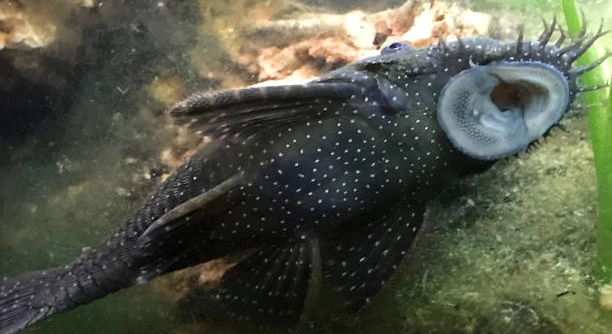
Are your plecos sometimes picky eaters, leaving leftover food in the tank? Feeding them can feel tricky, especially when balancing their nutritional needs with items that are easy to prepare. Consistent feeding helps them thrive.
Plecos benefit from low-maintenance foods that provide essential nutrients while minimizing preparation. Options such as algae wafers, zucchini, cucumber, and spinach meet dietary needs efficiently, supporting healthy growth, digestive function, and vibrant coloration in captive aquatic environments.
Knowing which foods are simple yet nutritious makes maintaining your tank easier. These choices ensure your plecos stay healthy without complicated feeding routines.
Algae Wafers
Algae wafers are one of the easiest foods to provide for plecos. They sink slowly, giving bottom-dwelling plecos enough time to reach them. I like using wafers because they don’t spoil quickly in the tank, and most plecos accept them immediately. They contain essential nutrients, including fiber, vitamins, and minerals, which support healthy digestion and overall vitality. Feeding a wafer a day can be enough for smaller plecos, while larger ones may need two. It’s also easy to combine wafers with fresh vegetables if you want to vary their diet. Rotating types of wafers can help maintain their interest and ensure they get a balanced intake. Overfeeding should be avoided, as leftover wafers can pollute the water. Observing how quickly your plecos consume the wafers helps adjust portions, ensuring your tank remains clean and the fish remain healthy. Wafers are convenient and reduce daily meal prep significantly.
They are simple, low-maintenance, and nutritionally complete, making them a staple in any pleco diet.
Using algae wafers regularly can maintain a consistent diet for plecos without complicated preparation. While they are convenient, combining them with occasional vegetables improves variety and nutrition. I usually break wafers into smaller pieces for smaller fish or younger plecos. Leaving uneaten wafers for too long can degrade water quality, so timing feedings is important. In larger tanks with multiple plecos, providing several wafers ensures all fish have access without competition. Wafers also encourage natural grazing behavior and help reduce aggression in community tanks. Monitoring fish activity around the wafers allows adjustments to feeding routines, ensuring every pleco gets enough food. In addition, wafers are easy to store long-term, unlike fresh vegetables, which can spoil quickly. This makes them convenient for busy days or for fish owners who prefer minimal daily preparation. Rotating wafers with other low-maintenance foods supports digestive health, vibrant color, and overall vitality for plecos in captivity.
Zucchini and Cucumber
Zucchini and cucumber are gentle on plecos and require minimal prep. Slicing and blanching them makes them easier to eat.
These vegetables provide fiber, aid digestion, and help keep plecos active. I usually alternate slices to keep meals interesting.
I often peel zucchini or cucumber and slice them thinly before dropping them in the tank. Blanching for a minute softens the pieces so plecos can chew easily, especially younger fish. The water absorbs some nutrients from the vegetables, which plecos nibble on slowly, creating a natural feeding pattern. Rotating zucchini and cucumber helps prevent diet monotony and ensures consistent fiber intake. They float briefly before sinking, giving fish time to grab bites. Overfeeding can cloud the water, so I remove leftover pieces after a few hours. These vegetables are widely available and easy to store, making them ideal for regular feeding. Combining them with algae wafers or spinach gives plecos both plant-based variety and balanced nutrition. I’ve found this mix keeps my plecos active, healthy, and engaged without complicated preparation.
Spinach
Spinach is soft, easy for plecos to eat, and full of nutrients. I usually blanch it to make it more digestible and slice it into manageable pieces before placing it in the tank.
Blanching spinach softens the leaves and removes excess chemicals that could harm plecos. I usually drop the slices directly into the water, and my fish quickly begin nibbling. Spinach provides vitamins and minerals that support healthy growth and maintain vibrant coloration. It is also high in fiber, which helps regulate digestion. I like to alternate spinach with zucchini or cucumber to give a mix of nutrients. Overfeeding can cause water issues, so I remove any leftovers after a few hours. Using spinach a few times a week keeps meals varied and supports overall health.
I sometimes freeze small portions of spinach to have it ready. This prevents spoilage and ensures I always have fresh, safe leaves for feeding. Plecos usually recognize it quickly and start feeding almost immediately. Feeding spinach regularly encourages natural grazing behavior. Its mild flavor is generally well accepted, and I combine it with other vegetables and algae wafers for a balanced diet. Managing portions carefully prevents uneaten leaves from fouling the tank, keeping water quality stable. I’ve found that including spinach keeps my plecos active, healthy, and colorful with minimal effort.
Peas
Peas are easy to prepare and help with digestive health. I remove the skins and lightly cook them before feeding my plecos.
Cooking softens peas, making them easier to digest. After removing the outer skins, I mash them slightly and drop small portions into the tank. Peas help prevent constipation and provide fiber, which supports healthy digestion. They are also a source of protein and essential nutrients, helping plecos maintain energy and vitality. I feed them in moderation, usually a few times a week, to avoid water contamination. Peas are convenient because they can be stored frozen, allowing me to prepare them in batches. Plecos usually recognize the small portions quickly and begin nibbling almost immediately. I like alternating peas with spinach or zucchini to keep the diet varied. The combination supports overall health, encourages natural feeding habits, and adds texture variety to meals. Feeding peas carefully prevents leftover waste, keeping the tank clean while providing a reliable nutritional boost.
Sweet Potato
Sweet potato is soft and naturally sweet, making it appealing to plecos. I usually peel and slice it into thin pieces, then blanch them briefly to make them easier to eat.
It provides fiber, vitamins, and minerals that support healthy digestion and growth. Feeding small portions prevents leftover food from polluting the tank.
Cucumber
Cucumber is light, easy to prepare, and plecos enjoy nibbling on it. I slice it thinly and sometimes blanch for softer texture. It’s a reliable option for providing nutrients with minimal effort.
Lettuce
Lettuce is mild and easy to digest. I usually rinse and remove tough stems before placing leaves in the tank. It helps maintain fiber intake and adds variety to their diet.
FAQ
What are the easiest vegetables to feed plecos?
The easiest vegetables are zucchini, cucumber, spinach, and lettuce. I usually blanch or slice them to make them softer and easier for plecos to eat. These vegetables provide essential fiber, vitamins, and minerals without requiring complicated preparation.
How often should plecos be fed?
Most plecos do well with daily feeding, but the portion size depends on their size. Smaller plecos often need one small meal, while larger ones may require two. I watch how quickly the food disappears to adjust the portions and avoid leftover waste in the tank.
Are algae wafers enough on their own?
Algae wafers can meet many of a pleco’s dietary needs, but combining them with fresh vegetables ensures a balanced diet. I rotate wafers with zucchini or spinach a few times a week to keep meals varied and nutritionally complete.
Can plecos eat peas?
Yes, peas are excellent for plecos. I usually remove the skins and lightly cook them to make them softer. They provide fiber, protein, and nutrients that support healthy digestion. I feed them in moderation to prevent water contamination.
Is sweet potato safe for plecos?
Sweet potato is safe and well-received. I peel, slice, and blanch it for easier consumption. It adds fiber, vitamins, and minerals. I feed small amounts a few times a week to keep meals balanced without leaving leftovers that could spoil water quality.
Should I blanch vegetables before feeding?
Blanching helps soften vegetables like zucchini, spinach, and sweet potato. I usually boil for a minute or two and then cool them. This makes them easier for plecos to eat, improves digestibility, and reduces the risk of introducing harmful substances into the tank.
How do I prevent overfeeding plecos?
Overfeeding can pollute the tank and harm fish. I measure portions based on the number of plecos and monitor how quickly the food disappears. Removing leftover vegetables after a few hours keeps water clean and prevents digestive issues. Small, frequent feedings work best.
Can plecos eat lettuce regularly?
Lettuce is safe but should be fed occasionally. I rinse leaves thoroughly, remove stems, and place them in the tank. It provides fiber and variety but is less nutrient-dense than spinach or zucchini, so I don’t rely on it as a primary food source.
Are frozen vegetables okay for plecos?
Yes, frozen vegetables like peas or spinach are convenient and retain nutrients. I thaw and rinse them before feeding. Using frozen vegetables prevents spoilage and allows me to prepare portions in advance, making feeding consistent and low-maintenance.
Do plecos need protein in their diet?
While plecos are mostly herbivores, some species benefit from occasional protein sources. Algae wafers contain small amounts of protein, and peas provide additional nutrients. I rarely supplement with animal-based food unless the species requires it, keeping their diet mostly plant-based.
How can I keep plecos interested in food?
Rotating vegetables and algae wafers keeps meals engaging. I mix textures, like soft spinach and firmer zucchini, to encourage natural grazing. Placing food in different areas of the tank also promotes activity and prevents boredom. Variety supports health and maintains interest.
Can overfeeding vegetables harm plecos?
Yes, too much can lead to water pollution, bloating, or digestive issues. I feed moderate portions and remove uneaten food after a few hours. Monitoring intake helps maintain a healthy tank and prevents stress on the fish.
Are these foods suitable for all pleco species?
Most common plecos accept these foods, but some species have unique dietary needs. I research specific species before feeding. Generally, zucchini, cucumber, spinach, lettuce, peas, sweet potato, and algae wafers are safe and well-tolerated by the majority.
What is the best feeding routine for plecos?
I feed small portions once or twice daily, depending on size and number of fish. Observing how quickly food is eaten helps me adjust portions. Rotating vegetables with algae wafers ensures nutritional balance and prevents monotony, keeping plecos active and healthy.
How do I prepare vegetables to avoid tank issues?
I wash all vegetables thoroughly, peel when necessary, and blanch softer vegetables. I remove any uneaten pieces after a few hours to prevent decay. This practice keeps water quality high while providing safe, digestible food for plecos.
Can plecos survive on algae alone?
Algae alone can sustain plecos for short periods, but a balanced diet with vegetables improves health, coloration, and digestion. I use algae wafers as a base and add vegetables like zucchini, spinach, and peas to provide fiber, vitamins, and minerals consistently.
How long can prepared vegetables stay in the tank?
I usually leave vegetables for a few hours. If uneaten after that, I remove them to prevent spoilage. Soft vegetables decompose quickly and can affect water quality, so timing is essential for maintaining a clean, healthy environment for plecos.
Are there vegetables to avoid for plecos?
I avoid starchy or heavily treated vegetables like potatoes with skin or pesticide residues. Bitter or tough leaves may also be refused or cause digestive discomfort. Safe options include zucchini, cucumber, spinach, lettuce, peas, and sweet potato prepared properly.
How do I know if plecos are eating enough?
I observe how quickly food disappears and watch their activity levels. Healthy plecos are active, nibble consistently, and maintain weight. Uneaten food or bloated bellies can indicate overfeeding or underfeeding, so monitoring is essential.
Can plecos eat frozen peas directly?
I thaw and rinse frozen peas before feeding. Directly frozen peas are too hard and may be difficult to eat. Thawing ensures safe texture, prevents digestive strain, and keeps plecos interested in the food.
Do plecos need vitamin supplements?
If they receive a balanced diet of vegetables and algae wafers, supplements are usually unnecessary. I focus on variety and quality ingredients to ensure nutrient intake. Only in rare cases of deficiency would I consider supplementation.
Can I feed plecos every day?
Yes, daily feeding works for most plecos. I adjust portions to prevent leftovers and rotate foods to maintain nutritional balance. Observing appetite and activity helps ensure meals meet their needs without compromising water quality.
How do I combine vegetables and wafers effectively?
I alternate days or mix small portions. For example, a wafer in the morning and vegetables in the evening works well. This ensures variety, supports digestion, and prevents boredom while providing all essential nutrients consistently.
What is the easiest routine for busy fish owners?
I prepare small portions in advance and store frozen vegetables. Algae wafers are convenient for daily feeding. Combining frozen or pre-prepared vegetables with wafers provides a low-maintenance routine that keeps plecos healthy and active with minimal daily effort.
Are all algae wafers the same quality?
No, quality varies by brand. I choose wafers with natural ingredients, high fiber, and added vitamins. Cheaper wafers may contain fillers that offer little nutrition. Reading labels ensures the wafers contribute effectively to the pleco’s diet.
Can I feed spinach daily?
I feed spinach two to three times a week. Daily feeding is safe in moderation, but overfeeding can cause water issues. Rotating spinach with zucchini, cucumber, or peas ensures balanced fiber and nutrient intake without tank contamination.
How do I store vegetables for plecos?
I wash, peel, and blanch vegetables, then store in airtight containers or freeze portions. This prevents spoilage and allows consistent feeding. Frozen vegetables are convenient, especially for busy schedules, and maintain nutrient content.
Do plecos eat lettuce better than other greens?
Lettuce is mild but less nutrient-dense than spinach or zucchini. I use it for variety rather than a primary food source. Plecos nibble on it, but I ensure it’s part of a balanced rotation to maintain health and activity levels.
What should I avoid when feeding plecos?
Avoid overfeeding, untreated vegetables with pesticides, and starchy or bitter vegetables. I monitor portions, prepare vegetables properly, and rotate foods to maintain water quality and overall pleco health. Proper preparation ensures minimal effort with maximum benefit.
Can I feed multiple pleco species together?
Yes, but I monitor food competition. Larger plecos may dominate. I distribute vegetables and wafers across the tank to ensure all fish access food. Rotating foods and observing feeding behavior ensures every species receives adequate nutrition.
How do I know if vegetables are safe for plecos?
I choose common, soft vegetables like zucchini, spinach, cucumber, peas, lettuce, and sweet potato. Blanching or peeling ensures digestibility. Avoid bitter, starchy, or treated vegetables. Observing acceptance and activity confirms the food is safe and beneficial.
Can plecos eat fruit?
Occasionally, small fruit pieces can be offered, but vegetables remain the primary source of nutrition. I limit fruit to treat amounts, as too much sugar can affect health and water quality. Stick to vegetables for regular feeding.
What is the best combination of low-maintenance foods?
A mix of algae wafers, zucchini, cucumber, spinach, peas, lettuce, and sweet potato provides balanced nutrition, fiber, and vitamins. I rotate and portion carefully, ensuring plecos remain healthy, active, and vibrant without complicated preparation or constant monitoring.
How do I introduce new vegetables to plecos?
I start with small portions and observe interest. If plecos accept it, I increase gradually. Combining new vegetables with familiar foods like wafers encourages acceptance and ensures they continue eating without stress or wasted food.
Can I overfeed algae wafers?
Yes, overfeeding wafers can pollute the tank and cause digestive issues. I provide one or two wafers based on size and number of fish, observing how quickly they are eaten. Portion control is essential for water quality and health.
Is freezing vegetables better than refrigerating?
Freezing maintains nutrients longer and prevents spoilage, while refrigeration is suitable for short-term use. I prefer freezing portions for convenience and consistency, especially for busy days, making feeding low-maintenance and safe.
Can plecos eat commercial vegetable sticks?
Some commercial sticks are safe if designed for herbivorous fish. I check ingredients for natural content and minimal additives. Homemade or fresh vegetables remain my preferred option for consistency and safety.
How long does it take plecos to adjust to new foods?
Adjustment can take a few days. I introduce small amounts and watch feeding behavior. Mixing new foods with familiar items helps plecos adapt faster without stress. Patience ensures acceptance without wasted food.
Are low-maintenance foods enough for growth?
Yes, when balanced. Vegetables and algae wafers provide essential fiber, vitamins, minerals, and some protein. I rotate items and monitor growth and activity to ensure proper nutrition. Consistency and variety prevent deficiencies and promote healthy development.
How can I prevent leftover vegetables from spoiling the tank?
I remove uneaten vegetables after a few hours and feed in small portions. Blanching soft vegetables prevents rapid decay. Regular observation ensures water quality stays high while providing safe, nutritious food for plecos.
What are the signs of underfeeding?
Plecos may appear inactive, lose weight, or show pale coloration. I monitor appetite and adjust portions accordingly. Observing feeding patterns and energy levels helps maintain optimal health without overfeeding or underfeeding.
How can I make feeding low-maintenance foods easier?
I prepare vegetables in advance, freeze portions, and use algae wafers as a base. Rotating foods ensures variety. Small, scheduled feedings prevent waste and water issues, keeping plecos healthy while requiring minimal daily effort.
Do plecos need shredded or whole vegetables?
Shredded or sliced vegetables are easier to eat, especially for smaller or younger plecos. I slice or blanch vegetables to match fish size, encouraging consumption while preventing leftover waste. Whole leaves can be used for larger plecos but may be wasted if too tough.
Are there any quick-prep vegetables I can always keep on hand?
Frozen peas, zucchini slices, spinach, and blanched sweet potato are convenient. I store them in portions for easy feeding. These vegetables require minimal preparation and provide essential nutrients consistently, making daily feeding straightforward and low-maintenance.
How do I combine frozen and fresh vegetables?
I alternate frozen peas or spinach with fresh zucchini or cucumber. Frozen vegetables are thawed and rinsed before feeding. Combining ensures variety, maintains nutrients, and keeps plecos interested without creating preparation challenges.
Can I feed too many different vegetables at once?
Yes, overloading the tank can lead to water pollution. I offer one or two types per meal and rotate options daily. This prevents spoilage, maintains water quality, and ensures plecos receive balanced, manageable portions without waste.
Do plecos prefer raw or blanched vegetables?
Blanched vegetables are easier to digest and softer. Raw vegetables work for some plecos, but I usually blanch zucchini, spinach, or sweet potato to encourage feeding and reduce risk of digestive issues or leftovers in the tank.
Are homemade vegetable mixes better than store-bought wafers?
Homemade mixes offer variety and fresh nutrients, while wafers provide convenience and balanced fiber. I use a combination for low-maintenance feeding. Mixing fresh vegetables with wafers ensures proper nutrition without complicated preparation, keeping plecos healthy and active.
How do I know if plecos are enjoying new foods?
They nibble actively and show interest in reaching for the food. Rapid consumption and consistent grazing behavior indicate acceptance. Lack of interest may mean the food needs preparation adjustments or is not preferred, requiring gradual introduction.
Can I feed low-maintenance foods during breeding?
Yes, vegetables and wafers support nutrition during breeding. I may increase portions slightly to meet higher energy needs. Rotating foods maintains fiber, vitamins, and minerals, promoting healthy development for both adults and fry without complicated preparation.
Are there risks in feeding the same food every day?
Feeding the same food daily may lead to nutrient imbalance or boredom. I rotate vegetables and wafers to ensure diverse nutrients, maintain activity, and prevent digestive issues, supporting long-term health and vibrancy of plecos.
What is the easiest way to track pleco feeding?
I note portions and observe consumption. Keeping track of which foods are eaten, leftovers, and feeding times helps adjust routines. This prevents overfeeding, maintains water quality, and ensures plecos get a balanced diet consistently.
Do plecos need live plants in addition to vegetables?
Live plants are optional but beneficial. They provide natural grazing surfaces and can improve water quality. I rely primarily on prepared vegetables and wafers for nutrition, using live plants for enrichment rather than essential dietary needs.
How do I prevent plecos from overeating wafers?
I provide measured portions based on size and number of fish. Observing consumption ensures wafers are eaten before excess remains. Removing uneaten pieces prevents water issues and supports a balanced feeding routine.
Are there any seasonal considerations for feeding plecos?
Temperature affects metabolism. In cooler water, I reduce portions as plecos eat less. Warmer water may increase appetite. Adjusting portions seasonally prevents overfeeding and maintains healthy growth without stress.
Can I feed low-maintenance foods to baby plecos?
Yes, but portions should be smaller, and vegetables may need extra softening. I mash or blanch food for fry to ensure digestibility. Rotating foods with wafers provides essential nutrients for growth and development.
What’s the simplest way to store prepared vegetables?
I use airtight containers or freezer bags and freeze portions. This prevents spoilage, keeps nutrients intact, and allows quick access. Thawing before feeding ensures safe texture and consistency for plecos.
How do I avoid mold or bacteria on vegetables?
Blanching, rinsing, and timely removal of leftovers prevent mold. I store prepared vegetables properly and monitor the tank. Quick feeding and cleaning maintain hygiene while providing nutritious meals safely.
Are peas better fresh or frozen?
Frozen peas are convenient and retain nutrients. I thaw before feeding to soften them. Fresh peas work but require more prep. Both are safe, but freezing allows low-maintenance storage and consistent availability.
How do I mix high-fiber and soft vegetables?
I combine softer vegetables like spinach or cucumber with high-fiber options like peas or sweet potato. This balances digestibility and fiber intake, promoting healthy digestion while keeping meals interesting and varied for plecos.
Can I feed vegetables overnight?
I avoid leaving vegetables overnight to prevent spoilage and water issues. I feed in small portions, remove leftovers after a few hours, and maintain clean, healthy water while providing proper nutrition.
Do plecos need additional supplements with low-maintenance foods?
If diet is balanced with vegetables and algae wafers, supplements are rarely needed. I monitor growth, activity, and color, adjusting only if deficiencies appear. Proper variety and preparation usually meet nutritional needs fully.
How do I rotate foods without overcomplicating feeding?
I plan a simple rotation of wafers and vegetables: zucchini, cucumber, spinach, peas, lettuce, and sweet potato. Changing one or two items per meal provides variety while keeping feeding simple and consistent.
Can frozen spinach be fed directly?
I thaw and rinse frozen spinach before feeding. Directly frozen leaves are too cold and may shock plecos. Thawing ensures safe texture and encourages immediate feeding.
How long do plecos take to eat vegetables?
Most plecos begin nibbling within minutes. Softer vegetables are consumed faster, while firmer pieces may take longer. Observing feeding patterns helps adjust portion sizes and avoid water contamination from leftovers.
Can plecos eat cucumbers with skin?
Yes, but I usually peel for younger or smaller plecos. Skin is safe but may be tougher to chew. Slicing and softening ensures easier consumption and prevents leftover waste in the tank.
Are frozen peas more nutritious than fresh ones?
Frozen peas retain most nutrients when properly frozen. Fresh peas can be equally nutritious but spoil faster. Freezing provides convenience and consistency, making them ideal for low-maintenance feeding routines.
How can I make feeding consistent with multiple tanks?
I prepare frozen vegetables and measure wafers in advance. Following the same rotation and portion plan across tanks ensures every pleco receives balanced nutrition with minimal daily effort. Observation confirms each tank’s feeding success.
Do plecos enjoy variety in texture?
Yes, combining soft and firmer vegetables encourages natural grazing behavior. I alternate spinach with zucchini or sweet potato to provide texture differences. Variety keeps plecos interested, supports digestion, and promotes healthy feeding habits.
How do I know if vegetables are fresh enough?
I check color, firmness, and smell. Fresh vegetables are vibrant, crisp, and free from mold or spoilage. Blanching or proper storage preserves nutrients and ensures safe, digestible food for plecos.
Can I feed too many frozen vegetables at once?
Feeding large amounts may lower water temperature temporarily and cause leftovers. I
Final Thoughts
Feeding plecos doesn’t have to be complicated. Using low-maintenance foods like algae wafers, zucchini, cucumber, spinach, peas, sweet potato, and lettuce can provide a balanced diet without daily stress. I’ve found that preparing vegetables in advance, blanching softer items, and portioning wafers makes feeding simple and consistent. These foods give plecos the fiber, vitamins, and minerals they need to grow healthy, maintain vibrant coloration, and stay active. Over time, I’ve realized that the key is observing their eating habits and adjusting portions to avoid leftovers, which can affect water quality. Small changes, like slicing vegetables thinly or rotating different types each week, make a noticeable difference in how quickly plecos eat and how energetic they appear.
Variety is important even with low-maintenance foods. Plecos can become bored or reluctant to eat if offered the same food every day. I rotate vegetables and combine them with wafers to maintain interest and provide all essential nutrients. Soft vegetables like spinach or zucchini are easy to digest, while firmer options like sweet potato or peas add fiber and texture. I usually alternate meals throughout the week, giving a mix of nutrients while keeping preparation minimal. Frozen vegetables are convenient because they last longer and are easy to portion, especially when feeding multiple tanks. Observing how quickly food disappears helps me gauge whether the portions are appropriate, preventing both overfeeding and underfeeding. Overfeeding not only pollutes the tank but can also cause bloating or digestive problems, so careful measurement is important.
Consistency and simplicity are what make low-maintenance foods work so well. I try to stick to a regular feeding schedule, offering small, measured portions that match the number and size of plecos in the tank. Combining fresh or frozen vegetables with algae wafers ensures plecos get balanced nutrition while reducing preparation time. Monitoring their behavior, such as activity levels and appetite, gives clear signals if dietary adjustments are needed. Even minor changes, like blanching vegetables or peeling tougher skins, make feeding easier and more effective. Overall, low-maintenance foods allow plecos to thrive with minimal effort while keeping the tank clean and healthy. A simple, consistent approach can support growth, digestion, and overall wellbeing without complicated routines or expensive supplements. By focusing on variety, preparation, and observation, feeding plecos becomes a manageable, low-stress task that benefits both the fish and the caretaker.

Hello,
If you enjoy the content that we create, please consider saying a "Thank You!" by leaving a tip.
Every little bit helps us continue crafting quality advice that supports the health, happiness, and well-being of pets around the world, for pets of all shapes, sizes, and species.
We really appreciate the kindness and support that you show us!