
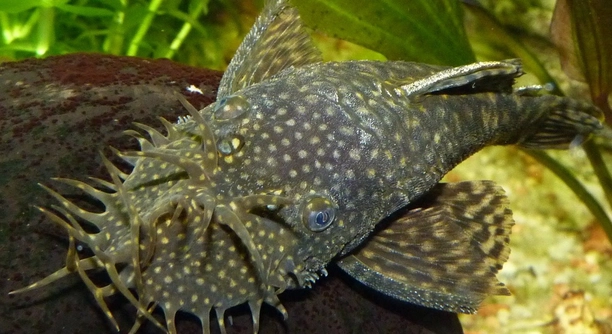
Keeping plecos healthy requires more than feeding them well; their tanks need proper care and maintenance. One critical aspect is filtration, which ensures clean water, reduces waste buildup, and supports the overall well-being of these unique fish.
The best filter for pleco tanks is one that provides strong mechanical, chemical, and biological filtration while maintaining sufficient water flow without creating excessive current. Canister filters are often recommended for their efficiency and reliability in larger setups.
Selecting the right filtration system can significantly impact your plecos’ health and the long-term stability of your aquarium environment. Proper care ensures they thrive in a clean, well-balanced habitat.
Why Filtration Matters for Pleco Tanks
Filtration is essential for maintaining a healthy pleco tank. Plecos produce a significant amount of waste, and without proper filtration, ammonia and nitrite levels can rise quickly, harming the fish. Mechanical filtration removes solid debris like leftover food and waste particles, keeping the water clear. Biological filtration supports beneficial bacteria that break down harmful substances into less toxic compounds. Chemical filtration, such as activated carbon, helps remove odors and impurities that might not be visible. Choosing a filter that balances these three types ensures that the tank remains stable and the water stays safe for plecos. Proper filtration also reduces the frequency of water changes, making tank maintenance easier. A well-filtered tank creates an environment where plecos can feed, grow, and reproduce naturally. Investing in a quality filtration system is not just about convenience—it directly impacts the long-term health and lifespan of your fish.
Filtration supports water quality, fish health, and cleaner tanks, allowing plecos to thrive without constant intervention.
Maintaining the right filtration involves monitoring water parameters regularly and cleaning the filter components as needed. Filters can become clogged with waste or biofilm over time, which reduces efficiency. Regular maintenance prevents sudden spikes in ammonia or nitrites, which can be lethal to plecos. It’s also important to match the filter’s capacity to the tank size. Over-filtering can create too strong a current, stressing the fish, while under-filtering leaves water quality unstable. Plecos prefer moderate flow with ample hiding spaces, so choosing a filter that balances power and gentle circulation is key. Observing your fish’s behavior helps indicate if the filtration system is working properly. Signs like lethargy, poor appetite, or unusual swimming patterns can signal water quality issues. By maintaining an effective filtration system and monitoring conditions consistently, plecos can thrive in a safe and stable environment.
Types of Filters Suitable for Plecos
Canister filters are popular for pleco tanks because they provide strong mechanical, chemical, and biological filtration. They work efficiently in larger aquariums and are relatively quiet, keeping the environment stable for fish.
Other options include hang-on-back (HOB) filters for smaller tanks. These are easy to maintain and provide adequate water movement and cleaning, though they may require more frequent replacement of media. Sponge filters are gentle and suitable for tanks with young or smaller plecos, providing biological filtration without strong currents. Internal filters can also work if positioned correctly, but they often occupy tank space and need careful flow adjustment. Choosing the right type depends on tank size, pleco species, and personal maintenance preferences. It is important to consider long-term performance and ease of upkeep to ensure that plecos remain healthy and the water stays clean consistently. Selecting a filter that balances these factors helps maintain a stable, thriving tank environment over time.
Maintaining Your Filter
Regular filter maintenance is essential to keep pleco tanks healthy. Cleaning mechanical media, replacing chemical media, and rinsing biological components in tank water prevents clogs and preserves beneficial bacteria, ensuring consistent water quality and a stable environment for your fish.
Neglecting filter upkeep can quickly lead to water problems. Mechanical media can become clogged with waste, reducing flow and efficiency. Chemical media like activated carbon loses effectiveness over time and should be replaced according to the manufacturer’s instructions. Biological media must be rinsed in tank water only to preserve the beneficial bacteria that break down ammonia and nitrites. Consistent maintenance keeps the water clear, prevents toxic buildup, and reduces stress on your plecos. Scheduling regular checks and cleaning ensures the filtration system functions optimally.
Observing the filter’s performance helps identify issues early. Reduced water flow, unusual noises, or visible debris accumulation are signs that maintenance is needed. Regular attention keeps the tank environment safe, stable, and supportive of pleco health. Proper care also extends the lifespan of the filter, saving time and money in the long run.
Filter Placement and Flow
Proper placement of a filter affects water circulation and pleco comfort. Positioning it to create gentle, evenly distributed flow ensures waste removal without stressing your fish.
Filters should be placed to encourage full water movement without producing strong currents that disturb plecos. Canister or HOB filters often work best near tank corners or along the back wall, allowing unobstructed swimming areas and hiding spots. Avoid placing filters where they push water directly at slow-moving or bottom-dwelling plecos. Adjusting the outflow direction helps maintain moderate flow while ensuring all areas of the tank receive filtration. Observing your plecos’ behavior can guide adjustments, as excessive splashing or hiding indicates flow is too strong. Proper placement balances cleaning efficiency with the comfort and natural habits of the fish.
Choosing Filter Media
Selecting the right filter media impacts both water quality and pleco health. Mechanical, chemical, and biological media each serve distinct purposes and should be balanced according to your tank size and fish load.
Mechanical media traps solid waste, chemical media removes impurities, and biological media supports beneficial bacteria. Combining all three types ensures efficient filtration.
Signs Your Filter Needs Replacement
A filter showing reduced water flow, strange noises, or visible damage is likely underperforming. Replacing it promptly prevents water quality issues that could stress plecos. Regularly inspecting the filter helps maintain a stable and healthy tank environment.
Balancing Flow and Habitat
Strong currents can stress plecos and disrupt tank decorations. Adjusting flow to moderate levels supports natural behaviors and reduces fish stress while maintaining effective filtration.
FAQ
What type of filter is best for pleco tanks?
Canister filters are generally the most effective choice. They provide strong mechanical, chemical, and biological filtration while maintaining a stable water flow. For smaller tanks, hang-on-back filters can be sufficient, and sponge filters work well for young or delicate plecos. Choosing a filter depends on tank size, pleco species, and desired maintenance effort.
How often should I clean my pleco tank filter?
Mechanical media should be cleaned every two to four weeks, depending on waste accumulation. Chemical media, like activated carbon, needs replacing every four to six weeks. Biological media should only be rinsed in tank water during cleaning to preserve beneficial bacteria. Regular checks prevent water quality problems and reduce stress on your fish.
Can I use more than one filter in a pleco tank?
Yes, using multiple filters can improve water quality and circulation, especially in larger tanks. Combining a canister with a sponge filter or HOB filter can enhance mechanical and biological filtration while keeping flow moderate. Placement should ensure water movement is even but not too strong for bottom-dwelling plecos.
Why is my pleco stressed even with a filter?
Stress can occur if the filter produces too strong a current, reducing hiding spots or creating turbulent areas. Filters must balance flow with plecos’ natural behavior. Poor water quality from inadequate filtration, clogged media, or irregular maintenance can also cause stress, leading to reduced appetite or unusual swimming patterns.
How do I maintain filter efficiency over time?
Regular cleaning and monitoring are essential. Rinse mechanical and biological media in tank water, replace chemical media on schedule, and check for clogs or damage. Observing water clarity, flow, and fish behavior helps detect declining filter performance before it affects pleco health.
Is it safe to turn off the filter temporarily?
Short interruptions are usually safe for a few hours, but prolonged downtime can harm water quality and stress plecos. Beneficial bacteria require consistent flow for optimal function. Minimize downtime by performing maintenance quickly and monitoring water parameters before and after turning the filter back on.
Do plecos need additional aeration besides the filter?
Most filters provide sufficient oxygenation, especially canister and HOB filters. However, in densely stocked tanks or very large setups, an air stone or supplemental aeration can help maintain oxygen levels, ensuring plecos remain active and healthy. Observing surface activity can indicate if extra aeration is needed.
Can I use a filter rated for a larger tank in my pleco setup?
Yes, using a filter rated for a larger tank is safe and can improve water quality. The only concern is that high flow may stress plecos or disturb decorations. Flow can often be adjusted using valves, spray bars, or positioning to create a suitable environment.
What should I do if my filter fails?
If a filter stops working, immediate action is necessary to prevent toxic buildup. Perform a partial water change, remove debris manually, and replace or repair the filter as soon as possible. Monitoring ammonia and nitrite levels closely during this period helps protect plecos from harm.
How do I know if my filter is properly balanced?
A well-balanced filter keeps water clear, maintains stable parameters, and provides moderate flow suitable for pleco activity. Fish appear relaxed, feed normally, and use hiding spots without struggling against currents. Observing these indicators over time helps confirm that the filtration system is working effectively.
Can I rely solely on biological filtration for plecos?
Biological filtration alone is not enough. While beneficial bacteria process harmful compounds, mechanical and chemical filtration remove solid waste and impurities. A balanced system combining all three types ensures optimal water quality, reduces maintenance frequency, and supports healthy pleco behavior.
How do I choose filter media for plecos?
Select mechanical media that traps debris, chemical media that removes odors and impurities, and biological media that supports bacterial colonies. Ensure the media is suitable for the filter type and tank size. Adjusting the combination based on waste production and pleco population helps maintain clean and safe water consistently.
Can filter noise affect plecos?
Excessive noise or vibration can stress plecos, especially in smaller tanks. Choosing a quiet filter, securing it properly, and avoiding unnecessary adjustments helps maintain a calm environment. Some plecos are more sensitive than others, so monitoring behavior after installation is important.
Is filter maintenance different for different pleco species?
Yes, larger or more active plecos produce more waste and may require stronger filtration or more frequent media cleaning. Smaller species may thrive with moderate filtration. Understanding the specific needs of your pleco species helps optimize both filter selection and maintenance routine.
How do I prevent filter clogging in a pleco tank?
Regular cleaning, avoiding overfeeding, and removing excess debris helps prevent clogs. Mechanical media should be inspected and rinsed regularly, while biological and chemical media require proper handling to avoid disruption. Preventing clogs maintains water flow, supports bacterial health, and reduces stress on plecos.
Can plecos damage filters?
Plecos may occasionally bump into internal or HOB filters, but serious damage is uncommon. Ensure external parts are secure and that internal filters are protected or positioned to avoid direct contact. Observing their behavior ensures the filter remains functional without harming the fish.
What is the ideal flow rate for pleco tanks?
Flow should be moderate, allowing water circulation without overwhelming the fish. Strong currents can stress plecos or disturb substrate and decorations. Adjusting valves, spray bars, or filter positioning helps achieve the right balance while ensuring efficient filtration throughout the tank.
How do I know when to replace a filter entirely?
A filter may need replacement if it becomes noisy, inefficient, or damaged beyond repair. Reduced flow, persistent water quality issues, and visible wear indicate it is time for a new unit. Timely replacement ensures continued safety and health for plecos.
Can I use the same filter for different tanks?
Filters can be reused if properly cleaned between setups. Biological media should be rinsed in tank water from the original tank to preserve beneficial bacteria. Avoid mixing media from different tanks to prevent contamination and maintain water quality.
Are there filters designed specifically for plecos?
While no filter is made exclusively for plecos, canister and HOB filters are commonly recommended due to their ability to manage large waste loads and maintain stable water parameters suitable for bottom-dwelling fish. Proper flow adjustment ensures plecos are comfortable in the tank environment.
What are the risks of inadequate filtration?
Insufficient filtration leads to poor water quality, toxic buildup, and increased stress. Plecos may develop health issues, reduced appetite, and abnormal behavior. Maintaining an appropriate filtration system is essential to prevent illness, ensure longevity, and support the natural habits of plecos in captivity.
How do I combine multiple filters without overdoing flow?
Using two filters requires careful placement and adjustment. Directing outflows to opposite sides or angling them along the tank walls helps distribute water evenly. Observing plecos’ swimming behavior ensures the current is gentle enough while maintaining effective filtration throughout the tank.
Can filters handle pleco waste alone?
Filters reduce waste but cannot replace regular tank maintenance. Occasional water changes and substrate cleaning are necessary to remove debris that the filter cannot process. Combining proper filtration with routine maintenance keeps water parameters stable and plecos healthy.
What signs show my filter is performing well?
Clear water, stable ammonia and nitrite levels, minimal odor, and calm plecos indicate effective filtration. Observing consistent flow and checking media regularly confirm the system functions correctly. Early detection of any decline helps prevent stress or illness in the fish.
How do I choose between a canister and HOB filter?
Canister filters excel in large tanks, providing strong, multi-stage filtration with minimal maintenance. HOB filters suit smaller tanks or simpler setups, offering easier access but requiring more frequent media replacement. Consider tank size, pleco type, and maintenance preferences when selecting a filter.
Is filter maintenance different in planted tanks with plecos?
Yes, planted tanks require careful media handling to avoid removing beneficial bacteria or disturbing plant roots. Flow should be moderate to protect delicate plants while still providing adequate filtration. Observation of both plant and pleco health helps maintain balance.
How can I reduce filter wear and tear in a pleco tank?
Regular cleaning, avoiding overfeeding, and monitoring debris buildup reduce strain on the filter. Ensuring proper installation, adjusting flow correctly, and using quality media also extends the filter’s lifespan while maintaining water quality for plecos.
Does water temperature affect filter performance?
Yes, temperature can influence biological filtration rates. Warmer water increases bacterial activity, while cooler water slows it down. Monitoring water parameters and adjusting maintenance routines helps maintain effective filtration regardless of seasonal or tank temperature changes.
What is the safest filter setup for multiple plecos?
For multiple plecos, a high-capacity canister filter or combination of filters ensures adequate filtration without overwhelming flow. Distributing water movement evenly and providing hiding spots prevents stress and supports healthy interactions among fish. Proper setup maintains stable water parameters for all inhabitants.
How do I troubleshoot low flow in a pleco tank filter?
Check for clogs in mechanical media, tubing, or impellers. Rinse or replace media as needed, remove debris, and inspect the pump for damage. Low flow often results from buildup or mechanical issues that can be resolved with routine maintenance, restoring proper circulation.
Can plecos survive with minimal filtration?
Minimal filtration increases risk of poor water quality, toxic buildup, and stress. While plecos can tolerate short periods, consistent filtration is essential for health, growth, and long-term survival. Proper maintenance prevents illness and creates a stable environment conducive to natural behavior.
How do I monitor filter effectiveness?
Testing water parameters, observing fish behavior, and checking media condition regularly ensures the filter is working. Clear water, minimal odor, and healthy plecos indicate proper filtration. Early detection of problems allows prompt intervention before water quality declines.
What precautions should I take when replacing filter media?
Replace chemical media on schedule, rinse biological media in tank water, and avoid over-cleaning mechanical media. Doing so preserves beneficial bacteria, maintains water quality, and prevents sudden spikes in ammonia or nitrites that could harm plecos.
Can a pleco block or damage the filter intake?
Plecos may occasionally explore or attach to filter intakes, especially larger species. Installing a guard or adjusting placement prevents obstruction and ensures safe operation without harming the fish. Observing behavior helps identify potential issues early.
What role does filter size play in pleco health?
A filter rated for the tank size ensures adequate flow and filtration capacity. Oversized filters may create strong currents, while undersized filters fail to maintain water quality. Proper sizing supports a stable environment and reduces maintenance frequency.
How do I prevent bacterial blooms in a pleco tank?
Regular filter maintenance, partial water changes, and avoiding overfeeding help control bacterial blooms. Balanced biological filtration ensures beneficial bacteria outcompete harmful microbes, keeping water clear and safe for plecos. Monitoring water parameters detects early signs of imbalance.
Is it necessary to upgrade filters as plecos grow?
Yes, larger plecos produce more waste, requiring higher filtration capacity. Upgrading filters or adding supplementary systems ensures water quality remains stable as the tank’s bio-load increases, preventing stress and health issues.
How often should I test water with a pleco filter system?
Weekly testing of ammonia, nitrite, nitrate, and pH helps ensure the filter maintains stable water conditions. Consistent monitoring allows adjustments to flow, media, or maintenance schedules, keeping plecos healthy.
Do internal filters affect hiding spaces for plecos?
Internal filters can occupy space, so placement matters. Positioning near tank corners or behind decorations preserves open areas and hiding spots, allowing plecos to feel secure while benefiting from adequate filtration.
What happens if biological media is cleaned too aggressively?
Over-cleaning biological media removes beneficial bacteria, reducing filtration efficiency. This can lead to spikes in ammonia and nitrites, stressing plecos. Always rinse biological media gently in tank water to preserve bacterial colonies.
Can filters reduce algae growth in pleco tanks?
Filters help maintain water quality, indirectly reducing algae by removing excess nutrients. Strong mechanical and chemical filtration prevents waste accumulation that feeds algae, but additional measures like lighting control and plant management may be necessary for full control.
How do I maintain filters during vacations?
Ensure the filter is clean and fully functional before leaving. Consider using an automatic feeder for food and check water parameters beforehand. Long-term absences may require asking someone to monitor the tank or using timers for filter adjustments.
Are filter upgrades worth the cost for pleco tanks?
Upgrading to a more powerful or efficient filter improves water quality, reduces maintenance frequency, and supports healthier fish. Long-term benefits outweigh initial investment, especially in larger tanks or with multiple plecos producing significant waste.
How do I choose between media brands for my filter?
Select reputable brands with media compatible with your filter type. Consider longevity, effectiveness, and cost. Some media types are more efficient at removing specific impurities, so understanding your tank’s needs helps choose the right combination for plecos.
Can a dirty filter cause pleco illness?
Yes, clogged or poorly maintained filters lead to poor water quality, stress, and increased susceptibility to disease. Routine cleaning, media replacement, and monitoring ensure that the filter supports fish health consistently.
What is the best way to start a filter in a new pleco tank?
Prime the filter according to manufacturer instructions, add media correctly, and fill with tank water if needed. Allow the biological filter to establish before adding plecos to prevent ammonia or nitrite spikes. Monitoring water parameters ensures a safe start.
How do I know if my pleco filter setup is over-filtering?
Strong currents, constant surface agitation, or fish hiding frequently indicate over-filtration. Adjusting flow direction, using valves, or adding flow deflectors reduces stress while maintaining adequate filtration. Observing plecos’ comfort helps gauge the correct setup.
Can plecos survive if the filter fails completely for a short time?
Short-term filter failure is manageable with partial water changes and monitoring. However, prolonged failure quickly leads to toxic buildup. Acting immediately to restore filtration prevents stress, illness, and potential fatalities.
Is it necessary to turn off the filter during maintenance?
Turning off the filter briefly is standard during cleaning, but minimize downtime to avoid disrupting biological filtration. Rinsing media in tank water rather than replacing all at once preserves beneficial bacteria and maintains water quality.
How do I balance filtration and aquascaping in a pleco tank?
Position filters and outflows to avoid disrupting plants, decorations, or hiding spots. Flow should support filtration without stressing plecos or damaging the aquascape. Strategic placement ensures both aesthetics and functionality coexist effectively.
Are all canister filters suitable for plecos?
Not all canister filters are ideal. Choose one rated for your tank size, capable of handling bio-load, and with adjustable flow. Observing pleco behavior after installation ensures the filter provides both effective filtration and a comfortable environment.
Can filters help with tank odor?
Chemical filtration, such as activated carbon, removes dissolved compounds that cause odors. Proper mechanical and biological filtration also prevents waste accumulation, contributing to a clean-smelling tank. Regular maintenance ensures the system continues to control odors effectively.
How do I handle filter upgrades without stressing plecos?
Introduce the new filter gradually, maintaining some of the old media to preserve bacteria. Adjust flow carefully and observe pleco behavior. Minimizing sudden changes prevents stress and keeps water conditions stable during the transition.
Can plecos chew on filter tubing or parts?
Some plecos may explore tubing or soft parts. Securing tubes, using guards, and ensuring materials are durable prevents damage and maintains filter functionality. Monitoring behavior helps identify potential issues early.
How do I clean filter intakes without harming plecos?
Use a soft brush or siphon to remove debris from intakes during water changes. Avoid harsh cleaning agents, and perform maintenance carefully to prevent disturbing the fish or beneficial bacteria colonies.
Can I automate filter cleaning for pleco tanks?
Some modern filters have self-cleaning mechanisms, but manual inspection and occasional maintenance are still necessary. Automation helps reduce effort but does not replace monitoring water quality or checking media integrity.
How long does it take for a filter to establish in a new pleco tank?
Biological filtration typically takes 4–6 weeks to fully establish, depending on temperature, tank size, and bacteria growth rate. Monitoring ammonia, nitrite, and nitrate levels ensures the filter is functioning safely before introducing plecos.
What should I do if plecos hide constantly near the filter?
Excessive hiding may indicate strong currents, noise, or poor placement. Adjust flow direction, reduce turbulence, or relocate the filter to provide calmer areas while maintaining adequate filtration. Observing behavior helps confirm the solution is effective.
Are all plecos sensitive to filter flow?
Sensitivity varies by species. Some plecos tolerate stronger currents, while others prefer gentle flow. Understanding your species’ natural habitat and behavior guides filter selection, placement, and flow adjustments to ensure comfort and health.
Can filter media be reused safely?
Mechanical and biological media can be reused if cleaned gently. Chemical media usually loses effectiveness after a set period and should be replaced. Proper handling preserves beneficial bacteria and maintains filtration efficiency for plecos.
How do I prevent sudden water quality drops during filter maintenance?
Clean one section at a time, rinse biological media in tank water, and avoid replacing all media simultaneously. This preserves bacteria and prevents sudden ammonia or nitrite spikes, protecting plecos from stress or harm.
Is it better to have a slower or faster filter flow for plecos?
Moderate flow is ideal. Too slow reduces filtration efficiency, while too fast can stress plecos or disrupt substrate. Adjusting outflow and observing fish ensures balance between effective cleaning and comfort.
Can plecos adapt to stronger filtration over time?
Some species gradually tolerate stronger flow, but abrupt increases can cause stress. Gradually adjusting the flow while monitoring behavior helps plecos adapt safely without compromising health.
How does filter placement affect water oxygenation?
Filters that circulate water evenly improve oxygen distribution. Positioning outflows to agitate the surface gently promotes gas exchange without creating strong currents that stress plecos. Proper placement supports both filtration and oxygen levels consistently.
Do plecos benefit from additional pre-filters or strainers?
Pre-filters on intakes prevent large debris from entering the main filter and protect smaller plecos from being sucked in. They reduce clogging and extend the lifespan of the primary filter, improving overall water quality.
Can filters remove all toxins from pleco tanks?
Filters significantly reduce toxins like ammonia and nitrites, but they cannot remove everything. Regular water changes and maintenance are necessary to control nitrate buildup, dissolved organics, and other compounds for a healthy tank environment.
How do I choose filter size for multiple plecos?
Select a filter rated above the total tank volume to account for increased waste production. Larger pleco populations require more filtration capacity to maintain water quality and stable parameters. Observation and adjustment ensure comfort and effectiveness.
**Is biological
Final Thoughts
Proper filtration is the foundation of a healthy pleco tank. Plecos produce a significant amount of waste, and without an effective filter, water quality can decline quickly, creating a stressful and potentially harmful environment for your fish. Choosing a filter that balances mechanical, chemical, and biological filtration ensures that debris, impurities, and harmful compounds are consistently removed. Mechanical filtration captures solid particles like uneaten food and waste, preventing them from clouding the water. Chemical filtration, such as activated carbon, removes dissolved impurities and odors, keeping the water clear and clean. Biological filtration supports colonies of beneficial bacteria that convert ammonia and nitrites into less harmful substances, maintaining a safe and stable aquatic environment. A properly maintained filtration system not only protects pleco health but also reduces the need for frequent water changes, making long-term tank care easier and more predictable.
Maintaining your filter involves more than just installation. Regular cleaning of mechanical media prevents clogs and ensures that water flow remains consistent. Biological media should be rinsed carefully in tank water to preserve the colonies of bacteria that break down toxins, while chemical media should be replaced on a schedule to remain effective. Observing your plecos’ behavior and monitoring water parameters are critical for evaluating filter performance. Signs such as sluggish movement, poor appetite, or constant hiding may indicate that the filter is producing too much flow, has become clogged, or is otherwise underperforming. Adjusting flow rates, repositioning the filter, and ensuring even water circulation help create an environment that supports natural pleco behavior. Additionally, selecting the right type of filter—whether a canister, hang-on-back, sponge, or internal filter—depends on tank size, pleco species, and maintenance preferences. A well-chosen filter reduces stress on the fish, keeps the tank clean, and supports stable water conditions, which are essential for long-term health.
Consistent attention to filtration ultimately allows plecos to thrive in their environment. Proper filter placement, balanced flow, and regular maintenance create conditions where plecos can feed, hide, and explore without stress. Using multiple filters or upgrading to a higher-capacity unit may be necessary for larger tanks or when housing multiple plecos, but flow must always be adjusted to ensure it is comfortable for the fish. Monitoring water quality, performing partial water changes when needed, and maintaining media according to manufacturer instructions are all steps that support optimal filtration. While it may seem like a significant responsibility, the benefits of a stable, clean, and well-oxygenated tank far outweigh the effort. Healthy plecos are active, feed well, and display natural behavior, which is a clear reflection of effective filtration. By prioritizing filter performance and maintaining regular care routines, the tank becomes a safe and stable home where plecos can flourish for years. Proper filtration is not just a technical requirement—it is the key to creating a balanced, thriving ecosystem in your pleco tank.

Hello,
If you enjoy the content that we create, please consider saying a "Thank You!" by leaving a tip.
Every little bit helps us continue crafting quality advice that supports the health, happiness, and well-being of pets around the world, for pets of all shapes, sizes, and species.
We really appreciate the kindness and support that you show us!