
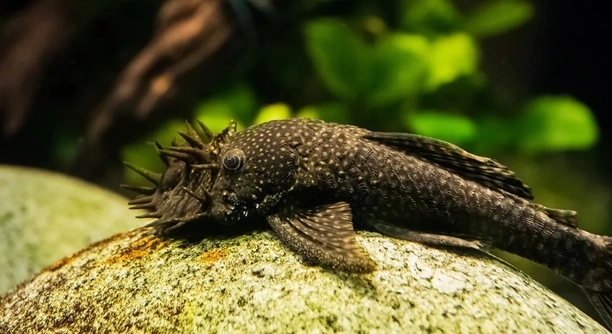
Is your pleco avoiding the cave you carefully added to its tank? Many owners notice their fish ignoring hiding spots, even when the cave seems perfect. Understanding this behavior can help improve your pleco’s comfort and environment.
Plecos may ignore their caves due to stress, tank setup, or social dynamics. Factors such as lighting, water flow, and tank mates influence their preference for hiding spots. Adjusting these elements often encourages natural cave use and reduces stress.
Observing small behavior changes can reveal why your pleco avoids the cave and guide simple adjustments for a happier fish.
Common Reasons Plecos Avoid Their Caves
Sometimes, plecos ignore caves simply because the environment isn’t quite right. Water temperature, pH levels, and lighting can all affect their comfort. If the cave is in a bright spot, your pleco may prefer shaded areas. Some fish are naturally more cautious and may explore slowly before using a hiding spot. Tank decorations and substrate can also influence behavior, as plecos like areas where they feel secure and grounded. Overcrowding or aggressive tank mates can make a pleco hesitant to enter a cave, even one that seems perfect. Providing multiple hiding spots can help them feel safer. Cleaning routines may also play a role; sudden changes in water conditions or strong currents can make the cave unappealing. Observing your fish’s habits and preferences is key to creating an environment that encourages natural hiding behavior.
Plecos may simply need time to adjust to a new cave. Patience often encourages eventual exploration.
Stress, environmental conditions, and social interactions all influence whether a pleco will use its cave. Lighting, water flow, and tank placement affect comfort, while tank mates can increase caution. Offering several hiding options allows your pleco to choose a safe spot and gradually develop confidence in exploring the tank, which often leads to increased cave use.
Adjusting the Tank to Encourage Cave Use
Small changes in tank setup can make a big difference for cave use.
Placing the cave in a darker, quieter corner often encourages your pleco to explore. Adjusting water flow and temperature to match species preferences can reduce stress. Introducing gentle tank mates or providing multiple caves helps prevent territorial conflicts and gives the fish options for safety. Observing your pleco’s behavior will show which areas feel most secure. Over time, these adjustments can increase cave use, improve comfort, and promote natural hiding habits. Ensuring the cave is large enough for the pleco to fit comfortably and that the entrance is unobstructed also contributes to a sense of safety. By carefully tweaking these factors, you can create an environment where your pleco feels at ease and begins to use its cave naturally. Regular monitoring of water quality and tank dynamics will further support this behavior.
Feeding Habits and Cave Use
Plecos often prefer feeding in open areas, which can make caves less appealing during active hours. Timing and placement of food can influence whether they use their hiding spots. Adjusting feeding routines may encourage more cave exploration.
Providing food near the cave can help plecos associate the space with safety and nourishment. Many plecos are cautious and will not enter a cave unless they feel secure or the cave is near a consistent food source. Placing vegetables or sinking pellets close to the entrance gradually teaches the fish that the cave is a safe area. Over time, your pleco may begin spending more time inside the cave, especially during rest periods. Consistency is key, as sudden changes in feeding locations may cause hesitation or stress. Observing patterns and adjusting accordingly can lead to a more confident, cave-using pleco.
Some plecos are naturally more active at night, avoiding caves during the day while resting in other shaded areas. Offering food before their active periods can encourage cave visits.
Social Dynamics in a Community Tank
Aggressive or territorial tank mates can prevent a pleco from using a cave comfortably. Separation or multiple hiding spots reduces stress.
In a community tank, plecos must navigate the presence of other fish. Territorial behavior from other species may intimidate your pleco, making caves seem unsafe. Providing multiple caves or secluded areas allows the pleco to choose a comfortable hiding spot without conflict. Observing interactions between tank mates is important, as even small signs of stress can indicate that the cave is being avoided. Rearranging decorations or adding additional hiding spaces can alleviate tension. Over time, careful management of social dynamics encourages natural behaviors, including regular cave use, while maintaining harmony within the tank.
Cave Size and Shape
A cave that is too small or too narrow may discourage your pleco from entering. The fish needs enough space to turn around comfortably.
Plecos also respond to the shape of the cave. Rounded or naturalistic caves tend to feel safer than sharp-edged or artificial designs, which can make the fish hesitant to explore.
Water Conditions
Stable water parameters are crucial for cave use. Sudden changes in temperature, pH, or hardness can make plecos avoid hiding spots. Maintaining consistent water quality ensures the environment feels safe, encouraging natural behaviors and promoting regular cave use.
Observation and Adjustment
Watching your pleco’s daily habits provides insights into cave preferences. Minor adjustments in placement or environment can make a noticeable difference.
FAQ
Why is my pleco ignoring a new cave even though it seems perfect?
Even a perfectly sized or styled cave may go unused if the location doesn’t feel safe. Bright areas, strong currents, or proximity to aggressive tank mates can discourage cave use. Plecos are cautious by nature and often explore slowly before committing to hiding spots.
How long does it take for a pleco to start using a cave?
Adjustment times vary. Some plecos may explore within a few days, while others need weeks. Patience is key. Consistently maintaining stable water conditions, proper lighting, and gentle tank mates encourages gradual adoption of the cave.
Can the size of the cave affect my pleco’s behavior?
Yes. Plecos need enough room to turn around and rest comfortably. A cave that is too small, narrow, or low can make them feel trapped. Rounded or natural-looking caves are generally more inviting than artificial, angular structures.
Should I place food inside the cave to encourage use?
Placing vegetables or sinking pellets near or inside the cave can teach plecos that it is safe. Gradually offering food there during active periods helps the fish associate the cave with nourishment, increasing comfort and encouraging consistent use.
Do plecos prefer caves during the day or night?
Many plecos are nocturnal or crepuscular, so they may avoid caves during daylight hours while resting in shaded areas elsewhere. Observing patterns helps identify the best placement for caves and feeding routines that encourage cave use.
Can other fish prevent a pleco from using a cave?
Yes. Territorial or aggressive tank mates may intimidate plecos, discouraging cave visits. Providing multiple hiding spots, secluded areas, or rearranging decorations can reduce stress and allow the pleco to safely choose its preferred cave.
Does water quality influence cave use?
Stable water conditions are critical. Sudden changes in temperature, pH, or hardness make plecos avoid hiding spots. Maintaining consistent water parameters ensures a safe environment, promoting natural behaviors, including regular cave use.
How do I know if my pleco is stressed about its cave?
Signs include hiding in open areas, reduced movement, or avoiding the cave entirely. Observing swimming patterns, interactions with tank mates, and responsiveness to feeding can indicate whether environmental adjustments are needed.
Can rearranging tank decorations help?
Yes. Changing cave location or adding multiple hiding spots can encourage use. Plecos feel safer when they have choices, and rearranging decorations can reduce perceived threats while supporting natural behaviors.
Is it normal for plecos to ignore caves sometimes?
Absolutely. Individual behavior varies. Some plecos are more cautious or prefer open areas. Understanding your pleco’s habits and making subtle adjustments often leads to gradual adoption of caves without forcing behavior.
What type of cave material is best for plecos?
Natural or smooth materials like ceramic, resin, or driftwood are safest. Rough, sharp, or toxic materials can injure fish or make the cave unappealing. Choosing safe, natural-feeling materials encourages exploration and comfort.
How many caves should I provide in a tank?
Providing multiple options is ideal, especially in community tanks. Plecos can choose a preferred spot without conflict. Extra caves reduce stress, prevent territorial disputes, and promote natural hiding behaviors across different times of day and water conditions.
Can lighting affect cave use?
Yes. Plecos often avoid bright areas. Placing caves in dimmer or shaded spots mimics natural hiding environments. Adjustable lighting or partially covered caves can create a more comfortable setting, increasing the likelihood of consistent use.
Is it okay if my pleco only uses the cave occasionally?
Yes. Occasional use is normal. Plecos vary in habits, and some may prefer resting elsewhere. Ensuring the cave is safe, accessible, and appealing allows the fish to use it when desired without forcing it to change its natural behavior.
What small adjustments make the biggest difference in cave use?
Minor changes such as relocating the cave, adding gentle food placement, adjusting water flow, or adding multiple hiding options can dramatically improve usage. Observing your pleco’s responses and making incremental adjustments supports comfort and natural exploration.
How can I tell if the cave is too stressful?
Signs include refusal to enter, frequent darting, or resting only in open areas. Watching behavior closely after any environmental change helps identify stress triggers. Adjusting lighting, flow, and tank mates often reduces stress and encourages safe use.
Does cave shape matter more than size?
Both are important, but shape can impact comfort more. Rounded, smooth, or naturally formed caves feel secure. Sharp edges, tight corners, or artificial shapes can discourage entry even if the size is adequate.
Should I clean the cave regularly?
Yes, but avoid overcleaning. Sudden removal of the cave or harsh scrubbing can stress plecos. Gentle cleaning maintains hygiene while keeping the environment familiar, which helps encourage consistent use.
Can multiple plecos share the same cave?
It depends on size and temperament. Overcrowding a single cave can cause stress or aggression. Providing several caves ensures each fish has a safe option, reducing conflicts and supporting natural behaviors.
Is it normal for plecos to prefer other hiding spots over caves?
Yes. Driftwood, plants, or tank corners can feel safer for some fish. Plecos are adaptable, and observing preferred hiding areas helps in arranging caves where they are most likely to be used.
How do I encourage a shy pleco to explore a cave?
Introduce small, incremental changes. Place food near the cave, adjust lighting, reduce tank stressors, and ensure multiple hiding spots exist. Over time, shy plecos gain confidence and are more likely to explore and settle into caves comfortably.
What role does tank size play in cave use?
Larger tanks require more hiding spots. A single cave may be overlooked if the tank offers many alternatives. Ensuring caves are easily accessible and spread throughout the tank helps plecos feel secure and encourages regular use.
Can plecos be trained to use a cave?
Yes, to some extent. Consistent placement of food, safe surroundings, and gradual exposure encourage voluntary cave use. Patience and observation are essential, as forcing behavior can create stress rather than comfort.
Is it normal for plecos to ignore caves during certain seasons or conditions?
Yes. Seasonal changes, water temperature shifts, or altered activity levels can affect behavior. Plecos may seek alternative hiding spots depending on comfort, stress levels, or feeding patterns, which is normal for adaptable fish.
How can I balance cave placement with tank aesthetics?
Choose natural-looking caves that complement the tank. Position them in shaded or quiet corners without obstructing swimming areas. Aesthetic placement doesn’t conflict with comfort when hiding spots meet the pleco’s needs for security and accessibility.
What is the most common reason plecos avoid caves?
The combination of environmental stressors, including lighting, water flow, tank mates, and cave size or shape, typically influences avoidance. Adjusting one or more of these factors often resolves the issue and encourages natural use.
Can plecos become attached to a particular cave?
Yes. Once a cave feels safe, plecos may favor it over other hiding spots. Respecting their preferences and keeping the cave consistent helps maintain comfort and reduces stress.
How do I know if my cave is appealing enough?
Observe usage patterns, hiding frequency, and the pleco’s comfort level. If the fish consistently avoids the cave, try minor adjustments in placement, size, or shape until it becomes a preferred spot.
Are there any signs that indicate a cave is unsafe?
Sharp edges, unstable placement, or materials that release toxins can make caves unsafe. Watch for signs of hesitation, injury, or avoidance to determine if the cave requires modification or replacement.
Do plecos prefer natural caves over artificial ones?
Many plecos respond better to caves that mimic natural forms. Smooth, rounded shapes or driftwood-based caves often feel safer than rigid or sharp-edged artificial options, although individual preferences can vary.
How often should I monitor cave use?
Regular observation helps identify changes in behavior. Weekly checks allow timely adjustments for water conditions, placement, or tank dynamics, ensuring the cave remains appealing and stress-free for the pleco.
What if my pleco ignores multiple caves?
Investigate environmental factors such as lighting, water flow, tank mates, and feeding routines. Ensuring a safe, calm, and stable environment usually encourages exploration and eventual use of hiding spots. Patience is essential.
Can I combine cave use with other enrichment?
Yes. Adding driftwood, plants, or gentle hiding options alongside caves promotes exploration, reduces stress, and supports natural behaviors. Plecos benefit from a variety of secure spaces within the tank.
Are plecos territorial about caves?
Some species may show territorial behavior, especially in crowded tanks. Providing multiple caves reduces conflict and ensures all fish have access to safe hiding areas.
Does age or size affect cave preference?
Yes. Juvenile plecos may be more cautious and require smaller, secure caves. Adult plecos need larger spaces and may prefer deeper or more secluded hiding spots. Matching cave size to the fish’s needs ensures comfort and use.
How can I prevent aggression around caves?
Spread multiple hiding spots, observe interactions, and ensure adequate space. Addressing stress factors and minimizing territorial disputes allows plecos to use caves without conflict, maintaining harmony in the tank.
Is cave use linked to health?
Frequent avoidance may indicate stress or illness. Observing overall activity, appetite, and appearance alongside cave habits helps detect potential health concerns early, allowing timely intervention and adjustment.
Can changing the substrate affect cave use?
Yes. Plecos often prefer caves with secure footing. Smooth, natural substrates around cave entrances can make the space feel safer, encouraging entry and prolonged hiding behavior.
What’s the best strategy for shy plecos in a busy tank?
Multiple caves, shaded areas, consistent feeding, and reduced aggressive interactions create a secure environment. Gradual exposure to the cave, with minimal disturbance, helps shy plecos gain confidence and adopt hiding behaviors naturally.
How do I encourage multiple plecos to share the tank peacefully?
Provide several caves and hiding spots, ensuring enough space for each fish. Careful observation of interactions, adequate feeding, and a calm environment support harmonious use of hiding spaces while minimizing stress and territorial behavior.
Can plecos be trained to prefer one cave over another?
Yes, through consistent placement of food and maintaining a safe environment. Patience and gradual encouragement help plecos favor specific caves without forcing behavior.
How do I adjust cave placement over time?
Observe the fish’s preferred areas and move the cave to shaded or quieter corners if necessary. Incremental changes maintain comfort and encourage consistent use while accommodating tank dynamics.
Are plecos more likely to use caves in planted tanks?
Plants provide additional cover and shade, complementing cave use. Plecos often feel safer in planted areas, and integrating caves into these zones increases the likelihood of natural hiding behaviors.
What role does tank lighting play in cave selection?
Dim or shaded areas encourage plecos to explore caves. Bright, exposed spots may discourage use, while partial coverage or adjustable lighting supports comfort and consistent hiding behavior.
Can plecos ignore caves if stressed from frequent handling?
Yes. Frequent disturbances can make caves feel unsafe. Minimizing handling and maintaining a calm environment encourages voluntary exploration and eventual use of hiding spots.
Does the type of food affect cave behavior?
Placing preferred foods near the cave can promote use. Consistency in feeding routines and gradual introduction of treats in or around the cave encourages the pleco to associate the space with safety and nourishment.
Are there signs of boredom that affect cave use?
Plecos that lack stimulation may ignore caves, seeking open areas or moving frequently. Providing enrichment like driftwood, plants, and multiple hiding options encourages natural behaviors, including cave exploration.
How do I know if my pleco is comfortable in its cave?
Frequent resting, calm movement, and regular use indicate comfort. Plecos that enter and exit the cave with ease and show natural behavior patterns demonstrate that the environment meets their needs.
Can sudden changes in the tank discourage cave use?
Yes. Rearranging decorations, changing lighting, or introducing new fish can make caves seem unsafe. Gradual adjustments and careful monitoring help maintain consistent hiding behavior.
What if my pleco only uses the cave at night?
This is normal for nocturnal or crepuscular species. Ensure the cave is safe and accessible during both day and night, and avoid forcing use during daylight hours.
Does the entrance size of the cave matter?
Yes. Entrances that are too small or too large can discourage use. Plecos feel secure in spaces that provide protection without feeling trapped, so adjusting the entrance size can encourage exploration.
Are there any tips for encouraging cave use in a new tank?
Maintain stable water conditions, provide multiple shaded or secure spots, place food near caves, and observe the fish’s preferences. Gradual exposure helps plecos adapt and use caves confidently over time.
Can plecos refuse caves indefinitely?
Yes, some individuals may simply prefer other hiding spots. Respecting natural preferences and providing alternative safe areas ensures comfort without forcing behavior, allowing the fish to explore at its own pace.
How do I balance multiple plecos and cave availability?
Provide enough caves to reduce competition, observe interactions, and place hiding spots in various locations. This prevents stress, territorial disputes, and ensures all fish have access to safe spaces for resting and exploration.
Does cave material influence long-term use?
Durable, smooth, and non-toxic materials encourage consistent use. Rough, unstable, or chemically treated materials may deter entry, making careful selection essential for long-term comfort and safety.
How can I tell if my pleco is shy or stressed?
Hesitation to enter caves, avoidance of other fish, reduced activity, or frequent hiding outside caves indicate shyness or stress. Observing interactions, feeding patterns, and environment allows adjustments to support comfort.
Are plecos more likely to use caves with gradual lighting changes?
Yes. Sudden bright light can be intimidating. Gradual dimming or shaded areas near caves encourages cautious exploration and increases the likelihood of regular use.
What is the ideal number of caves for a single pleco?
Even a single pleco benefits from two to three caves, offering choice and security. Multiple options reduce stress and accommodate preferences, promoting natural resting and hiding behaviors.
Can plecos lose interest in caves over time?
Yes, especially if environmental conditions change. Maintaining stability, providing enrichment, and observing preferences helps keep caves appealing for consistent use.
Does tank location affect cave use?
Yes. Caves placed near high-traffic areas or bright spots may be ignored. Quiet, shaded corners encourage exploration and use, making location an important factor for comfort.
Are there signs my pleco prefers one type of cave over another?
Frequent entry, prolonged resting, or repeated exploration indicate preference. Observing habits helps in arranging the tank and providing caves that suit the pleco’s comfort and natural behavior.
How do I encourage a pleco to use a cave without stressing it?
Gradual exposure, gentle feeding near the cave, stable water conditions, and multiple hiding options allow the fish to explore comfortably. Patience is essential to avoid stress while promoting natural use.
Can plecos share caves with other species?
Some may tolerate cohabitation, but stress or territorial disputes can occur. Multiple hiding spots and observing behavior help ensure all fish have access to safe spaces without conflict.
Do plecos ever completely ignore caves?
Yes, depending on personality, stress, or tank conditions. Offering alternative hiding options ensures comfort while respecting individual preferences.
How can I tell if my pleco is comfortable outside the cave?
Calm swimming, relaxed resting in shaded areas, and normal feeding behaviors indicate comfort even if caves are not used consistently. Observing these habits helps guide tank adjustments.
Can adjusting water flow near caves help?
Yes. Strong currents may deter entry. Creating calmer zones around caves allows plecos to feel safe, increasing the likelihood of regular use.
What is the most effective way to encourage shy plecos?
Combine multiple hiding options, gradual food introduction, shaded placement, and minimal disturbances. Over time, this approach builds confidence and encourages cave exploration without stress.
Are plecos more likely to use caves in larger tanks?
Larger tanks require more hiding spots. Proper placement and distribution of caves ensure access and security, encouraging natural behaviors and reducing stress.
Can substrate type near the cave affect use?
Yes. Soft, natural substrate feels safer than sharp or uneven surfaces. Providing suitable substrate at the entrance can encourage entry and prolonged hiding behavior.
How long should I wait before changing cave placement?
Give plecos a few days to a week to adjust. Sudden moves can create stress, so incremental changes are more effective for encouraging natural use.
Does frequent water change affect cave use?
Yes. Sudden water changes can make caves seem unsafe. Gradual changes and careful monitoring maintain comfort and encourage exploration.
Are there signs that the cave is the right size?
Plecos can enter and turn around comfortably, rest without feeling cramped, and show relaxed behavior. Observing these signs confirms the cave meets their needs.
Can plecos prefer caves over plants or driftwood?
Some may, depending on size, shape, and location. Offering a variety of hiding options accommodates preferences and encourages natural behaviors.
How can I tell if a cave is too small for my pleco?
If the fish hesitates, backs out frequently, or seems cramped inside, the cave is too small. Adjusting size ensures comfort and encourages regular use.
Can plecos be encouraged to use caves by changing lighting gradually?
Yes. Gradual dimming or shaded placement reduces intimidation, making caves more appealing and encouraging exploration over time.
Does adding multiple caves reduce aggression?
Yes. Providing several options prevents territorial disputes, ensures safety, and promotes natural hiding behaviors for plecos and other tank mates.
How often should I monitor cave usage?
Weekly observation allows you to track patterns, identify stress, and make small adjustments to optimize comfort and encourage consistent use.
Can plecos ignore caves if the water is too warm or cold?
Yes. Temperature outside their preferred range makes caves less appealing. Maintaining species-specific conditions supports comfort and natural hiding behavior.
Are plecos more likely to explore caves when alone?
Yes, less competition and fewer stressors encourage exploration. Multiple hiding options are still beneficial in community tanks to reduce stress and conflicts.
What is the best way to place caves in a tank?
Choose shaded, low-traffic areas with stable conditions. Multiple entrances, proper substrate, and calm water zones make caves inviting, encouraging natural exploration.
Do plecos prefer one cave over another for long-term use?
Yes. Once a cave feels safe, plecos may favor it. Consistency and stability help maintain comfort, reducing stress
Final Thoughts
Plecos are unique fish with their own personalities and preferences. Understanding why they may ignore a cave requires observing their behavior and considering multiple factors in the tank. Lighting, water flow, temperature, and tank mates all influence whether a pleco feels comfortable enough to use a hiding spot. Some plecos are naturally cautious and take longer to explore new spaces, while others are more confident and will investigate immediately. Offering multiple hiding options is often the simplest way to ensure your pleco feels secure. It allows them to choose the spot that best fits their comfort level without forcing them into one location. Being patient and attentive is essential, as plecos respond to consistency and stability in their environment more than sudden changes.
The size, shape, and placement of caves are also important. A cave that is too small or has sharp edges may feel unsafe, while a rounded or natural-looking cave is more inviting. Even the placement of the cave in the tank can make a difference. Plecos tend to prefer shaded or quieter areas, away from high traffic or bright lights. Substrate around the cave entrance also affects comfort; a stable, smooth surface encourages the fish to explore and rest. Additionally, feeding habits influence cave use. Placing food near or inside the cave helps the pleco associate the space with safety and nourishment, gradually building confidence. Over time, these small adjustments can make a noticeable difference in whether your pleco regularly uses the cave or continues to explore other parts of the tank.
Stress and social dynamics cannot be overlooked. Aggressive or territorial tank mates may prevent a pleco from entering a cave, while overcrowding can create tension that discourages hiding behavior. Observing interactions in a community tank is key to identifying potential problems. Providing multiple caves or secluded areas reduces conflict and gives the pleco options for safety. Regular monitoring of water quality, lighting, and tank layout also ensures the environment remains stable and comfortable. Every pleco has individual preferences, so it is normal for some to favor driftwood, plants, or shaded corners instead of a traditional cave. The goal is to create a safe, calm environment where the fish can explore naturally, rest comfortably, and display healthy behavior patterns. With careful observation, gradual adjustments, and patience, most plecos will eventually find a hiding spot that meets their needs and feel secure in their tank environment.

Hello,
If you enjoy the content that we create, please consider saying a "Thank You!" by leaving a tip.
Every little bit helps us continue crafting quality advice that supports the health, happiness, and well-being of pets around the world, for pets of all shapes, sizes, and species.
We really appreciate the kindness and support that you show us!