
Do you ever wonder how different fish species get along in the same tank? Many fish lovers enjoy mixing companions, but it can be tricky to predict how they will interact with each other daily.
Bristlenose plecos can live with goldfish under the right conditions. They require adequate space, compatible water temperature, and proper diet management. Careful observation is necessary to ensure peaceful coexistence and prevent stress or aggression between the species.
Maintaining harmony in a shared tank involves more than just picking friendly fish. Understanding their behaviors, needs, and environment will help ensure both species thrive together over time.
Understanding Bristlenose Plecos
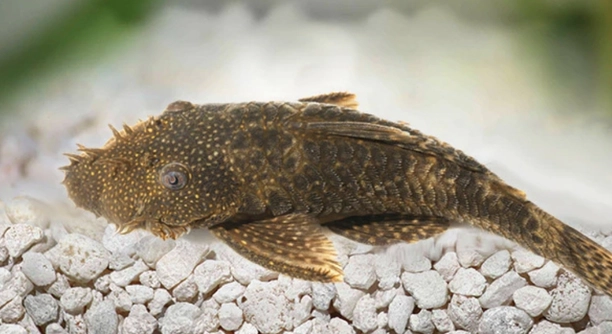
Bristlenose plecos are peaceful algae-eaters that can live in a community tank if their needs are met. They grow slowly and usually stay under six inches, making them suitable for medium-sized tanks. Their main activity is scavenging the tank for algae and leftover food, which helps keep the tank clean. They are nocturnal, so you might notice them hiding during the day in caves or under decorations. Bristlenose plecos prefer a slightly warm temperature, around 73–81°F, and slightly acidic to neutral water. They also need hiding spots like driftwood or rock caves to feel secure. Despite their peaceful nature, they can become stressed if the tank is overcrowded or water quality drops. Providing a steady diet of algae wafers, vegetables, and occasional protein will keep them healthy. Observing their behavior is key to ensuring they thrive alongside other tank mates like goldfish.
These plecos are hardy, adapting to different conditions, but proper care is essential for long-term health.
Knowing how plecos behave and what they need allows you to create a balanced tank. Their quiet presence complements goldfish without causing tension if space and water conditions are appropriate.
Tank Setup for Goldfish and Plecos
Keeping goldfish and bristlenose plecos together requires careful planning.
A tank of at least 30 gallons is ideal to accommodate both species. Goldfish produce more waste than plecos, so a strong filtration system is essential. Maintaining stable water temperature and quality reduces stress and disease. Providing hiding spots for plecos prevents them from being chased or disturbed. Decorations should be smooth, avoiding sharp edges that could injure either species. Feeding should be adjusted, as goldfish need flakes or pellets while plecos prefer algae and vegetables. Regular water testing ensures ammonia, nitrite, and nitrate levels remain safe. Tank maintenance, including partial water changes and cleaning, keeps the environment healthy. Monitoring behavior helps identify any issues early. With proper setup, both species can coexist peacefully, allowing the tank to function efficiently while reducing conflicts. Attention to detail ensures both goldfish and plecos remain active, healthy, and stress-free.
Feeding Habits
Bristlenose plecos mainly eat algae and vegetables, while goldfish prefer flakes and pellets. Offering each species the right food prevents competition and ensures both remain healthy. Supplementing with occasional protein benefits plecos without affecting goldfish digestion.
Providing a varied diet for both species supports their health and growth. Plecos enjoy zucchini, cucumber, and algae wafers, while goldfish thrive on flakes, pellets, and occasional treats like peas. Uneaten food should be removed promptly to avoid water quality issues. Feeding on a schedule helps reduce stress and prevents overfeeding, which is common when different species share a tank. Observing how each fish eats allows you to adjust portions to meet their individual needs.
Monitoring feeding habits is essential to prevent aggressive behavior or nutrient deficiencies. Plecos may hide while waiting for food, and goldfish can be slow eaters. Paying attention to their routines ensures that both species get proper nutrition without dominating each other. A consistent feeding plan also supports water cleanliness, reducing algae overgrowth and keeping the tank balanced and healthy for everyone.
Behavior and Interaction
Bristlenose plecos are mostly calm and nocturnal, while goldfish are more active during the day. Understanding these differences helps prevent stress and aggression in the tank.
Plecos spend much of their time attached to surfaces, scraping algae and resting in hiding spots. Goldfish swim more actively and can unintentionally disturb plecos if there are not enough hiding areas. Providing caves, driftwood, and plants allows plecos to retreat and feel secure. Observing interactions over time helps determine if adjustments are needed, such as rearranging decorations or increasing space. Social stress can be minimized by maintaining proper stocking levels and ensuring adequate territory for each species.
Successful cohabitation relies on respecting each species’ natural behavior. Plecos appreciate quiet, low-light areas, while goldfish enjoy open swimming space. Avoiding sudden changes in the tank environment prevents stress that could trigger aggression. Ensuring that plecos have hiding spots and food sources reduces conflict, while regular water maintenance supports overall health. By balancing activity levels, tank layout, and feeding schedules, both species can thrive together, forming a harmonious aquarium where each fish’s needs are met consistently and safely.
Water Quality
Maintaining clean water is crucial for both bristlenose plecos and goldfish. Goldfish produce a lot of waste, so regular filtration and partial water changes keep ammonia and nitrite levels low. Stable water conditions prevent stress and disease for both species.
Testing water regularly helps identify any changes in pH, temperature, or chemical levels. Plecos prefer slightly acidic to neutral water, while goldfish thrive in similar conditions. Keeping parameters stable reduces the risk of illness and promotes healthy growth. Proper aeration ensures oxygen levels remain sufficient for both active goldfish and nocturnal plecos.
Tank Size Considerations
A larger tank benefits both species, providing space to swim and hide. Crowding increases stress and aggression, especially with goldfish that grow quickly. A minimum of 30 gallons is recommended for a small pair, with more space preferred as they grow.
Health Monitoring
Regular observation of both fish is essential. Watch for signs of stress, illness, or unusual behavior. Early detection ensures timely care and prevents serious health problems.
FAQ
Can bristlenose plecos live with goldfish long-term?
Yes, they can coexist long-term if the tank is properly maintained. Providing adequate space, hiding spots for plecos, and a strong filtration system is essential. Goldfish produce more waste than plecos, so frequent water changes are necessary to keep water quality stable. Monitoring the fish for stress or unusual behavior helps ensure they remain healthy together. Both species benefit from separate food sources to avoid competition and ensure proper nutrition.
What is the ideal tank size for keeping them together?
A minimum of 30 gallons is recommended for a small pair, but larger tanks are better. Goldfish grow quickly, and plecos need space to hide and move around. Overcrowding can cause stress, aggression, and poor water quality. Providing open swimming areas for goldfish and secure hiding places for plecos creates balance and reduces conflict. A larger tank also makes feeding easier and ensures each species gets enough food without competition.
How should I feed bristlenose plecos with goldfish in the same tank?
Plecos mainly eat algae, vegetables, and occasional protein, while goldfish eat flakes, pellets, and treats like peas. Feed them separately if possible or place pleco food near hiding spots. Remove uneaten food to maintain water quality. Observing their eating patterns ensures each fish gets enough nutrition. Avoid overfeeding, as it can pollute the tank and harm both species. Feeding on a consistent schedule helps prevent stress and maintains healthy growth for both fish.
Do plecos bother goldfish?
Bristlenose plecos are generally peaceful and do not bother goldfish. They are nocturnal and spend most of their time scraping algae from surfaces or hiding. Aggression usually occurs if the tank is too small, overcrowded, or if hiding spots are limited. Providing sufficient space and decorations reduces the chance of conflict. Goldfish may accidentally disturb plecos while swimming, but this rarely causes harm if plecos have hiding areas.
Can goldfish stress out plecos?
Yes, goldfish can stress plecos if there isn’t enough space or hiding spots. Plecos are shy and need quiet areas to rest. Large or active goldfish may chase them unintentionally, causing stress. Adding caves, plants, and driftwood allows plecos to retreat. Maintaining good water quality also reduces stress-related illnesses. Observing both species regularly ensures plecos remain healthy and comfortable in a shared environment.
What water temperature works for both species?
Bristlenose plecos prefer 73–81°F, while goldfish do best in cooler water, around 68–74°F. A compromise near 73–75°F works for both species. Keeping the temperature stable is more important than hitting an exact number. Sudden fluctuations can cause stress, weaken immune systems, and trigger illness. Using a reliable heater and thermometer ensures the tank stays consistent, helping both species thrive.
How often should I clean the tank?
Partial water changes of 25–30% weekly are ideal. Goldfish produce more waste, and uneaten food can quickly degrade water quality. Clean filters as needed without removing all beneficial bacteria. Monitor ammonia, nitrite, and nitrate levels regularly to prevent toxic buildup. A well-maintained tank reduces stress, supports healthy growth, and prevents disease outbreaks for both plecos and goldfish.
Are plecos compatible with juvenile goldfish?
Yes, juvenile goldfish are usually calm enough to coexist peacefully. Plecos are gentle and will not harass smaller fish. As goldfish grow, ensure the tank size remains sufficient. Adjust hiding spots and feeding routines to accommodate the growing size and activity of goldfish, keeping the environment balanced and stress-free.
How can I tell if my pleco is stressed?
Signs include hiding excessively, loss of appetite, rubbing against surfaces, or sudden color changes. Stress may result from overcrowding, poor water quality, or aggressive tankmates. Addressing these issues quickly helps prevent illness and ensures the pleco remains healthy. Providing a stable environment with proper hiding areas is key.
Can bristlenose plecos reproduce in a goldfish tank?
Yes, they can, but they need caves or tight spaces for breeding. Goldfish may disturb eggs if the pleco’s hiding spot isn’t secure. If breeding is intended, consider separating them temporarily to increase survival chances of the fry. Ensuring water quality remains high supports successful reproduction and healthy offspring.
Do plecos clean the tank for goldfish?
They help control algae but do not replace proper tank maintenance. Plecos may eat leftover food and algae, but regular cleaning and water changes are still necessary. Relying solely on plecos to maintain the tank can lead to poor water conditions and stress for both species. Proper care ensures a clean, healthy environment for everyone.
Is it safe to keep multiple plecos with goldfish?
Yes, if the tank is large enough and hiding spots are sufficient. Overcrowding can cause stress, so monitor interactions carefully. Each pleco needs territory and food access. Proper tank size, filtration, and maintenance allow multiple plecos and goldfish to coexist peacefully without conflict.
This FAQ covers the most important considerations for keeping bristlenose plecos with goldfish, focusing on water quality, diet, behavior, and tank setup to ensure both species thrive together.
Final Thoughts
Keeping bristlenose plecos and goldfish together is possible, but it requires planning and careful attention. Both species have different needs that must be balanced in the same tank. Goldfish are active swimmers and produce more waste, while plecos are quieter and spend most of their time hiding or cleaning algae. Ensuring the tank is large enough, with proper filtration, is essential to maintain water quality. Overcrowding can lead to stress, illness, and aggressive behavior, so providing ample space is one of the first steps to creating a peaceful environment. Observing how each species interacts over time allows you to adjust the setup as needed, which is important for the long-term health of both fish.
Diet is another key factor in successful cohabitation. Plecos need vegetables, algae wafers, and occasional protein, while goldfish rely on flakes, pellets, and occasional treats. Feeding them separately or placing food in different areas helps prevent competition and ensures each species receives proper nutrition. Uneaten food should be removed quickly to avoid water pollution, which can be harmful to both plecos and goldfish. Keeping to a consistent feeding schedule also reduces stress and promotes healthy growth. Monitoring each fish’s behavior while feeding helps identify if one species is being bullied or if portions need to be adjusted. With careful attention to diet, both species can remain healthy and active in the same tank.
Finally, providing hiding spots and decorations is essential for plecos, as they are naturally shy and nocturnal. Caves, driftwood, and plants allow them to retreat and feel secure, while goldfish can swim freely in open areas. Maintaining stable water parameters, including temperature, pH, and cleanliness, helps prevent stress and disease. Regular observation, proper care, and attention to the specific needs of both species are what make cohabitation successful. When these factors are in place, bristlenose plecos and goldfish can coexist peacefully, creating a balanced tank that supports the health and wellbeing of both fish over time. A tank that meets these requirements not only keeps your fish alive but also ensures they remain comfortable, active, and thriving together.

Hello,
If you enjoy the content that we create, please consider saying a "Thank You!" by leaving a tip.
Every little bit helps us continue crafting quality advice that supports the health, happiness, and well-being of pets around the world, for pets of all shapes, sizes, and species.
We really appreciate the kindness and support that you show us!