
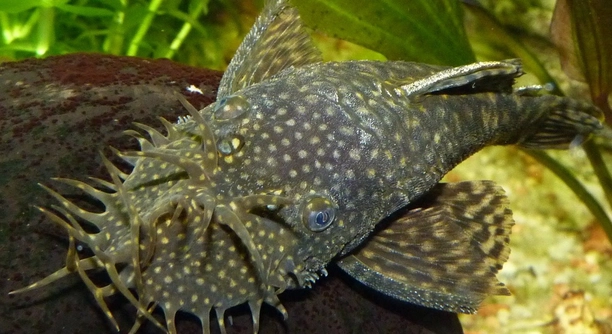
Have you ever considered adding a Bristlenose Pleco to your aquarium but weren’t sure what benefits it could bring? These small catfish are popular among hobbyists for their unique appearance and helpful traits in home tanks.
Bristlenose Plecos are valuable additions to aquariums because they efficiently control algae growth, contribute to a cleaner environment, and require minimal maintenance. Their calm behavior and adaptability make them suitable for most freshwater community tanks.
Learning about these benefits can improve your aquarium setup and overall fishkeeping experience, providing both a practical and enjoyable addition to your tank.
Efficient Algae Control
Bristlenose Plecos are excellent at managing algae in freshwater tanks. They constantly graze on surfaces like rocks, driftwood, and tank walls, keeping your aquarium cleaner without the need for frequent manual scrubbing. Their small size and non-aggressive behavior make them ideal for community tanks, where they peacefully coexist with other species. In addition to controlling visible algae, they help reduce the accumulation of organic waste that can lead to imbalances in water quality. Unlike larger fish that might disturb plants or decorations, Bristlenose Plecos are careful grazers, ensuring that your tank remains aesthetically pleasing. Over time, having one or more Plecos can significantly lower the effort needed for tank maintenance, allowing you to focus more on enjoying the aquarium rather than constantly cleaning it. Their predictable feeding patterns also make it easy to supplement their diet with vegetables or sinking pellets, supporting their overall health.
Regular grazing by Bristlenose Plecos helps prevent algae from spreading uncontrollably, keeping tanks visually appealing and healthier for other fish.
Adding Bristlenose Plecos to a tank provides a natural and consistent solution to algae problems. Unlike chemical treatments that can stress or harm sensitive fish, these catfish offer a safer alternative. They are especially effective in tanks with moderate lighting, where algae growth is most common. Owners often notice a reduction in slippery film and green patches within weeks. Additionally, their grazing promotes a more balanced ecosystem by reducing excess nutrients that fuel algae growth. Supplementing their diet ensures they remain healthy while continuing to clean surfaces. Over time, this reduces water changes and effort spent on cleaning, giving aquarists a more sustainable way to maintain their tank. Their small size and peaceful nature mean they integrate well into existing setups without causing conflicts. Observing them navigate the tank while feeding adds both practical benefits and visual interest, making them valuable residents for any freshwater aquarium.
Low Maintenance Care
Bristlenose Plecos require minimal daily attention, making them ideal for busy aquarists or those new to fishkeeping.
These fish are hardy and adaptable to a wide range of water conditions. Unlike more delicate species, they tolerate minor fluctuations in temperature and pH, which reduces stress on both the fish and the keeper. Their feeding needs are straightforward, as they consume algae, vegetables, and occasional protein-based pellets. This simplicity means fewer specialized foods and less concern about overfeeding. Additionally, their nocturnal behavior is low impact—they remain hidden or slow-moving during the day, which reduces tank disturbances. Breeding, when it occurs, is relatively simple compared to other catfish species. Because they do not require constant monitoring, owners can maintain a healthy, thriving tank with a predictable routine. Overall, their ease of care makes them a practical and rewarding addition, offering long-term benefits without demanding extensive effort or time.
Peaceful Tank Mates
Bristlenose Plecos are calm and non-aggressive, making them compatible with most community fish. They rarely compete for territory or food, allowing other species to thrive alongside them without stress or conflict. Their gentle behavior supports a balanced and harmonious aquarium environment.
Their peaceful nature makes them ideal for tanks with smaller or more timid fish. They mostly stay on surfaces, grazing or resting, and avoid confrontation. Unlike larger or more territorial catfish, they do not chase or harass other species. Even during feeding times, they are patient and slow, preventing fights over food. This contributes to a stable, low-stress tank environment where all fish can coexist comfortably.
Bristlenose Plecos are also beneficial in planted tanks because they do not uproot or damage plants while moving around. They explore crevices and corners carefully, reducing disruptions and keeping delicate plants safe. Their calm, steady movements allow fishkeepers to maintain a natural-looking setup without constant rearrangement. By integrating them into a community tank, you support both a functional algae control system and a peaceful, aesthetically pleasing aquarium. They fit seamlessly with most tropical freshwater species, enhancing the overall balance.
Longevity and Health
Bristlenose Plecos have long lifespans, often living over a decade with proper care, which makes them a lasting addition to any aquarium. Their resilience contributes to consistent tank stability and enjoyment.
A longer lifespan reduces the need for frequent replacements and allows fishkeepers to form a routine with a dependable tank member. Their hardiness extends to various water conditions and diets, which makes them forgiving for beginners. Regular monitoring, clean water, and occasional supplemental feeding ensure they remain active and healthy over the years. Their longevity also helps sustain algae control and natural tank maintenance consistently.
Because they are robust, Bristlenose Plecos resist common diseases that affect more delicate species. Their immune systems handle minor water parameter fluctuations without significant stress. Providing hiding spots, a proper diet, and a stable environment supports both physical health and longevity. Over time, their extended presence helps maintain a balanced ecosystem, as they continuously contribute to algae management and organic debris reduction. Owners can enjoy a long-term, low-maintenance companion that supports both the visual appeal and ecological stability of their freshwater tank. Their extended lifespan makes them a reliable, practical investment for any aquarium setup.
Adaptable to Various Tank Sizes
Bristlenose Plecos adjust well to both small and medium-sized aquariums. Their compact size allows them to thrive without requiring a large space, making them suitable for different setups while still performing their algae-cleaning role effectively.
These fish handle changes in tank conditions better than many other species. They adapt to varying water flow, decorations, and substrate types, maintaining healthy activity and consistent grazing behavior.
Easy to Feed
Bristlenose Plecos eat a variety of foods, from algae and vegetables to sinking pellets. This versatility simplifies care and reduces the need for specialized diets, saving time and effort for tank owners.
Natural Decoration Helpers
By grazing on surfaces, Bristlenose Plecos keep driftwood, rocks, and plants free from excess algae. Their activity enhances the tank’s visual appeal while contributing to overall cleanliness and maintenance.
FAQ
How big do Bristlenose Plecos get?
Bristlenose Plecos remain relatively small compared to other catfish, usually growing to about 4–6 inches in length. Their compact size makes them ideal for community tanks and small to medium aquariums. Despite their smaller size, they are efficient algae eaters and remain active throughout the tank.
What do Bristlenose Plecos eat?
They primarily feed on algae, but their diet can be supplemented with vegetables like zucchini, cucumber, and spinach, as well as sinking pellets designed for bottom-feeding fish. Providing a varied diet supports their health and encourages active grazing behavior, keeping the tank cleaner.
Are Bristlenose Plecos aggressive?
No, Bristlenose Plecos are peaceful and non-territorial. They coexist well with other fish species, including tetras, guppies, and other community fish. Their calm behavior reduces stress in the tank and supports a harmonious environment for all aquatic inhabitants.
How often should I feed them?
Feeding 2–3 times per week is sufficient if your tank has sufficient algae growth. For tanks with less natural algae, daily supplementation with vegetables or sinking pellets ensures proper nutrition and keeps them healthy without overfeeding.
Do Bristlenose Plecos need hiding places?
Yes, they appreciate hiding spots like caves, driftwood, or dense plant areas. These locations provide shelter during the day, as Plecos are more active at night, and reduce stress, contributing to their long-term health and comfort.
Can Bristlenose Plecos live with other Plecos?
Yes, multiple Bristlenose Plecos can live together peacefully, provided there is enough space and hiding spots to prevent competition. Unlike larger or territorial species, they rarely fight, even in smaller community tanks, as long as resources are sufficient.
How long do they live?
With proper care, Bristlenose Plecos can live 10–15 years. Stable water conditions, a balanced diet, and adequate tank maintenance contribute to their longevity, making them a long-term companion in freshwater aquariums.
Do they clean all types of algae?
They are effective at controlling soft algae and film algae on surfaces but may not remove tougher or more established algae completely. Supplementing with manual cleaning or other algae-eating species can enhance overall tank cleanliness.
Are Bristlenose Plecos nocturnal?
Yes, they are mostly nocturnal, being more active during the night. This behavior reduces daytime disturbances in the tank and allows them to graze consistently on algae without interfering with other fish activities.
Do they require special water conditions?
Bristlenose Plecos are hardy and adaptable to a range of water conditions, including moderate fluctuations in temperature and pH. Regular water changes and maintaining clean conditions are sufficient for their health, without the need for highly specialized setups.
Can Bristlenose Plecos reproduce in home aquariums?
Yes, they can breed in captivity. Males prepare caves for egg-laying, and they are known to guard the eggs until they hatch. Providing adequate hiding spaces and stable water conditions encourages natural breeding behavior and successful fry development.
How can I tell their gender?
Males typically have more pronounced bristles on their snouts, while females have shorter or less noticeable bristles. Observing these differences helps when planning breeding or maintaining multiple Plecos in a tank.
Do they need supplemental feeding if there is plenty of algae?
Even with abundant algae, occasional vegetables or sinking pellets are recommended to ensure balanced nutrition. This helps prevent nutrient deficiencies and supports growth, especially in tanks where natural algae growth fluctuates seasonally.
Can Bristlenose Plecos damage plants?
No, they are gentle grazers and do not uproot or eat healthy plants. They mostly feed on algae and detritus, making them compatible with planted aquariums and helping maintain plant health by reducing surface algae buildup.
How often should I clean the tank if I have Bristlenose Plecos?
They reduce maintenance needs but do not eliminate the need for cleaning. Regular water changes, substrate vacuuming, and occasional glass cleaning are still necessary to maintain optimal tank health and water quality.
Are they suitable for beginners?
Yes, their hardiness, low maintenance, and peaceful nature make them an excellent choice for new fishkeepers. They tolerate minor mistakes and provide a visible, beneficial presence in community tanks without complex care requirements.
Do Bristlenose Plecos grow too large for small tanks?
No, they remain small and manageable, unlike some other Pleco species. A tank as small as 20 gallons can support a single adult Pleco comfortably, provided there is adequate hiding space and water quality is maintained.
How do I know if my Pleco is healthy?
Signs of a healthy Bristlenose Pleco include active grazing at night, a clean and intact body, normal swimming behavior, and regular growth. Dull color, lethargy, or missing fins may indicate stress, poor diet, or water quality issues.
Can they coexist with aggressive fish?
While they are peaceful, extremely aggressive or territorial fish can stress Bristlenose Plecos. Pairing them with calm, community species is ideal, but careful observation is needed if aggressive tankmates are present.
Is it necessary to provide driftwood?
Driftwood is beneficial but not strictly required. It serves as a natural grazing surface and can help support their digestion. Including it in the tank enhances their habitat and encourages natural feeding behavior.
Do they help with tank odor?
Yes, by consuming algae and organic debris, Bristlenose Plecos reduce decaying material in the tank. This contributes to improved water quality and helps minimize odors, making the aquarium cleaner and more pleasant overall.
Can they survive in slightly cooler or warmer water?
They tolerate moderate temperature variations, typically between 72–78°F. Small fluctuations do not harm them, but extreme changes should be avoided to prevent stress and maintain overall health.
Are there any common health issues?
Bristlenose Plecos are generally hardy, but poor water quality or overfeeding can lead to fungal infections, fin rot, or digestive issues. Maintaining clean water, a balanced diet, and regular observation helps prevent most problems.
How do I introduce a new Pleco to my tank?
Acclimate slowly by floating the bag in the tank for 15–20 minutes, then gradually mix tank water into the bag before release. This reduces stress and helps them adjust to the new environment safely.
Can they live alone?
Yes, a single Bristlenose Pleco can thrive alone, as long as the tank conditions are suitable and there is enough algae or supplemental food. They do not require social interaction but benefit from hiding places and space to graze.
Do they need aeration or strong water flow?
Moderate aeration is sufficient. They do not require strong currents, though gentle water movement helps maintain oxygen levels. Excessive flow can stress them and interfere with grazing behavior.
What tank size is ideal for multiple Plecos?
A 30–40 gallon tank is recommended for two or three Bristlenose Plecos. Adequate space and hiding spots prevent competition, ensuring that each fish can graze and rest comfortably without stress.
How often should I monitor water parameters?
Weekly monitoring of pH, ammonia, nitrites, and nitrates is sufficient. Bristlenose Plecos tolerate minor fluctuations, but maintaining stable water conditions supports health and longevity.
Can they live with shrimp or snails?
Yes, they are compatible with most non-aggressive invertebrates. They do not harm shrimp or snails, making them suitable for mixed-species tanks with smaller creatures.
Do Bristlenose Plecos require lighting?
They do not need specialized lighting. Moderate aquarium lighting for plants is sufficient, as Plecos are mostly nocturnal and rely more on surfaces and algae than light-dependent behavior.
Are there different color variations?
Yes, Bristlenose Plecos come in several morphs, including albino, gold, and spotted varieties. These variations allow aquarists to choose fish that complement the tank’s aesthetic while maintaining the same care requirements.
Can they survive if I travel or miss feeding?
They are hardy enough to survive a few days without supplemental food if the tank has algae. However, long absences require proper planning or feeding automation to ensure continued health.
Do they interact with other fish?
They are mostly solitary and peaceful but may occasionally swim near other fish while grazing. Their interaction is minimal, as they focus primarily on feeding and resting in secure areas.
Are they suitable for planted tanks?
Yes, they are ideal for planted aquariums. They do not uproot plants and help manage algae on leaves and surfaces, maintaining a healthy and visually appealing environment.
How fast do they grow?
Growth is gradual. Under proper care, they reach full size within 12–18 months. Adequate food, clean water, and a stable environment support steady, healthy growth.
Do they need water conditioners?
Using water conditioners to remove chlorine and chloramines is recommended. This ensures safe water quality and protects their sensitive gills, supporting overall health.
Can they survive with fluctuating pH?
They tolerate minor pH changes, but extreme fluctuations can cause stress or illness. Keeping the pH stable within a safe range (6.5–7.5) promotes long-term health and activity.
Are they active during the day?
They are mostly nocturnal, but occasional daytime activity occurs, especially when grazing or exploring. Their activity is subtle and does not disrupt other tank inhabitants.
How do I know if they are stressed?
Signs of stress include hiding excessively, loss of appetite, pale coloration, or erratic swimming. Stress often stems from poor water conditions, aggressive tankmates, or insufficient hiding places.
Do they require supplements like calcium?
Occasional vegetable feeding usually provides sufficient nutrients. Adding calcium-rich vegetables or mineral supplements can help maintain healthy growth, especially in planted or soft-water tanks.
Can they survive in brackish water?
No, Bristlenose Plecos are freshwater fish and do not tolerate brackish conditions. Salinity can harm their health and lead to stress or death.
Is it safe to keep them in small aquariums?
Yes, their small size makes them suitable for tanks as small as 20 gallons. Providing hiding spots and proper water quality ensures they remain healthy and active.
Do they eat fish eggs or fry?
Bristlenose Plecos generally ignore eggs or fry. They are primarily algae grazers and scavengers, making them safe for tanks with breeding fish or small fry.
How can I encourage breeding?
Provide caves, stable water conditions, and a nutritious diet. Males will guard the eggs in the caves, and ensuring minimal disturbances supports successful hatching.
Do they need a heater?
A heater helps maintain consistent tropical temperatures. While they tolerate moderate fluctuations, stable warmth supports health, activity, and longevity.
Can they survive without driftwood?
Yes, but driftwood is beneficial. It provides surfaces for grazing, enhances digestion, and adds natural decoration, supporting both health and aesthetic appeal.
Are they noisy?
No, Bristlenose Plecos are silent. They do not create disturbances, bubbles, or sounds, making them ideal for peaceful aquarium setups.
Do they require a specific tank substrate?
They are adaptable to sand, gravel, or smooth substrate. Soft substrates reduce injury risk, while hiding spots and décor remain more important than substrate type for comfort and health.
Can they tolerate tap water?
Yes, if treated to remove chlorine and chloramines. Conditioned tap water is safe and supports their health and longevity without additional filtration needs.
Do they eat leftover food from other fish?
Yes, they will consume uneaten food that reaches the bottom, helping reduce waste and maintain cleaner water. Supplemental feeding ensures balanced nutrition even if tank leftovers are inconsistent.
How can I tell if they are happy?
Active grazing, healthy coloration, smooth fins, and normal swimming indicate a content Pleco. Observing them in their usual routine is the best way to monitor well-being.
Can they live with bettas?
Yes, they are generally compatible with bettas. Their peaceful, bottom-dwelling habits prevent conflicts, though monitoring initial interactions is recommended to ensure harmony.
Do they require water testing kits?
Regular water testing helps maintain optimal conditions, though Bristlenose Plecos tolerate minor fluctuations. Testing ensures ammonia, nitrite, and nitrate levels remain safe for long-term health.
Are they suitable for beginners who travel often?
Yes, their hardiness allows for short absences. Proper planning, such as automatic feeders or tank mates with algae, ensures they remain healthy during brief periods without care.
Can they survive overcrowded tanks?
Overcrowding increases stress and disease risk. While tolerant, Bristlenose Plecos perform best in adequately sized tanks with proper filtration and hiding spots.
Do they interact with humans?
Minimal interaction occurs; they recognize movement near the tank but primarily focus on feeding and grazing. Their presence adds enjoyment without demanding direct attention.
Are they sensitive to light changes?
Moderate lighting is sufficient. They are nocturnal, so drastic changes in light intensity are unnecessary and can stress them. Consistent day-night cycles are ideal.
Can they help prevent algae blooms?
Yes, consistent grazing reduces algae buildup, lowering the chance of blooms. Supplementing with proper water maintenance further supports algae control.
Do they require quarantine before introduction?
Quarantine is recommended to prevent disease transfer. Observing a new Pleco for 1–2 weeks ensures it is healthy before adding it to an established tank.
How do I clean their hiding spots?
Gently rinse caves and driftwood in tank water during maintenance. Avoid strong cleaning agents or soap, which can harm their health.
Are they prone to fin damage?
No, they have sturdy fins and slow movements. Stress or aggressive tankmates, however, can cause injury, so maintaining peaceful conditions is important.
Do they need water movement?
Moderate water flow is sufficient. They tolerate gentle currents but do not require strong filtration, making them adaptable to various setups.
Can they live in tanks with fluctuating temperatures?
Minor fluctuations are tolerable, but extremes should be avoided. Stable, tropical temperatures support health, longevity, and activity levels.
Are there risks with multiple males?
Competition for caves may occur, but aggression is low. Providing multiple hiding spaces reduces potential conflict and ensures each male can establish territory without stress.
Do they require any special lighting for breeding?
No special lighting is needed. Stable water conditions and proper hiding places are the primary factors for encouraging reproduction.
Can they survive if I forget to feed them for a week?
If algae is present, they can survive short periods without supplemental feeding. Longer absences require planning to prevent malnutrition or stress.
Do they ever jump out of the tank?
They rarely jump but may if water quality is poor or stressed. Keeping the tank covered reduces the risk of escape.
Can they live with goldfish?
Yes, but goldfish produce more waste, requiring additional filtration. Bristlenose Plecos remain compatible as long as water quality is maintained.
Are they affected by medication used for other fish?
Some medications can harm them, particularly copper-based treatments. Always check compatibility before adding medications to a tank with Plecos.
Do they need vitamin supplements?
Occasional supplementation is helpful, but a varied diet of vegetables and sinking pellets usually provides adequate nutrition.
Can they survive in a tank without other fish?
Yes, they do not require companions. A single Pleco can thrive alone with proper food and tank conditions.
Are they suitable for nano tanks?
They can live in tanks as small as 20 gallons, but space for hiding and grazing must be provided. Overcrowding reduces health and comfort.
How often should I replace their food?
Remove uneaten food daily to prevent decay. Fresh vegetables and pellets should be offered regularly to maintain nutrition and prevent water quality issues.
Do they show affection or recognition?
They do not form attachments like mammals but respond to feeding times and movement, showing mild recognition of routine.
Can they survive with pH lower than 6.5?
Slightly acidic conditions are tolerated, but prolonged exposure to very low pH can cause stress and health issues. Stable conditions are best.
Do they produce a lot of waste?
They produce minimal waste compared to larger fish. Regular tank maintenance is still required, but their contribution to organic buildup is low.
Are they suitable for cold-water tanks?
No, they prefer tropical temperatures. Cold-water conditions can slow metabolism, reduce activity, and increase susceptibility to disease.
Do they need water filtration?
Filtration is important to maintain water quality. Plecos tolerate minor fluctuations, but clean, filtered water supports long-term health and reduces disease risk.
Can they eat live plants?
No, they primarily feed on algae and detritus. Live plants remain safe, making Plecos compatible with planted aquariums.
Do they require a specific tank shape?
No, they adapt to rectangular or square tanks. Adequate bottom surface area, hiding spots, and decorations are more important than shape.
How quickly do they reproduce?
Breeding depends on water conditions, diet, and availability of caves. With proper care, eggs hatch within a week, and fry mature over several months.
Can they survive in low-oxygen water?
They tolerate moderate oxygen fluctuations but require adequate aeration. Low oxygen can cause stress and reduce activity, impacting feeding and health.
Are there common mistakes when keeping Plecos?
Overfeeding, overcrowding, and poor water quality are the most common issues. Providing proper space, nutrition, and stable conditions prevents most problems.
Do they benefit from tank plants?
Yes, plants provide additional grazing surfaces, hiding spots, and enhance tank aesthetics. Planted tanks also support water quality, indirectly benefiting Pleco health.
Can they be aggressive during breeding?
Males may guard caves aggressively, but this behavior is limited to specific locations and does not extend to other tank inhabitants. Proper space reduces potential conflicts.
Do they require strong lighting for algae growth?
Moderate lighting is sufficient. Excessive light may cause algae blooms, while too little reduces natural food sources. Balanced lighting maintains a healthy tank ecosystem.
How do I remove them safely from the tank?
Gently coax them with a net or container, taking care not to stress their fins or body. Avoid sudden movements that may cause injury.
Do they require a sand or gravel substrate?
Either works. Soft substrates are preferable to prevent abrasion, but hiding spots and décor are more critical
Bristlenose Plecos are a practical addition to almost any freshwater aquarium. Their small size, calm behavior, and adaptability make them ideal for both beginners and experienced fishkeepers. Unlike larger Pleco species, they do not outgrow the tank quickly, and their peaceful nature allows them to coexist with most community fish. They remain largely unobtrusive, spending their time grazing on algae and resting in hiding spots, which reduces stress on other tank inhabitants. Over time, their presence contributes to a cleaner, healthier environment, requiring less frequent manual cleaning and providing a more balanced ecosystem overall.
These Plecos are also low-maintenance compared to many other freshwater species. They tolerate minor fluctuations in temperature and water quality, and their diet is simple yet effective, relying on algae and occasional supplemental foods such as vegetables or sinking pellets. Their nocturnal behavior minimizes daytime disturbances, allowing other fish to move freely without competition. Additionally, providing hiding places, driftwood, or caves encourages natural behavior and supports their overall well-being. With basic attention to water conditions and nutrition, Bristlenose Plecos remain active, healthy, and effective at maintaining tank cleanliness for many years.
Another benefit of keeping Bristlenose Plecos is their longevity and reliability. With proper care, they can live for over a decade, providing consistent algae control and contributing to a stable aquarium environment. They are compatible with a wide range of tankmates, including small or timid species, and rarely display aggressive behavior. Their peaceful temperament, combined with hardiness and ease of care, makes them an excellent choice for maintaining both aesthetics and function in a freshwater tank. Overall, Bristlenose Plecos are a practical, low-stress, and long-term investment for anyone looking to improve tank health while enjoying the presence of a unique and useful aquatic companion.

Hello,
If you enjoy the content that we create, please consider saying a "Thank You!" by leaving a tip.
Every little bit helps us continue crafting quality advice that supports the health, happiness, and well-being of pets around the world, for pets of all shapes, sizes, and species.
We really appreciate the kindness and support that you show us!