
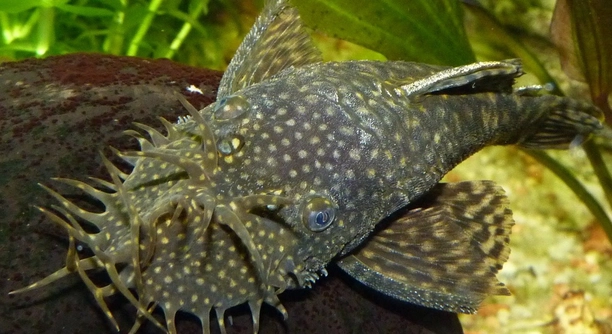
Is your pleco tank showing subtle changes that feel off but hard to pinpoint? Observing your tank closely can help you notice early shifts that indicate contamination before it becomes a serious problem for your fish.
Early signs of pleco tank contamination often include cloudy water, unusual algae growth, sudden changes in fish behavior, accumulation of waste, foul odors, and fluctuations in water parameters. Recognizing these indicators promptly allows for timely intervention and maintains a healthy aquatic environment.
Identifying these early signs is essential to keeping your plecos safe and your tank balanced for long-term aquatic health.
Cloudy or Discolored Water
When the water in your pleco tank starts to look cloudy, murky, or develops an unusual color, it is often the first noticeable sign of contamination. This can happen due to leftover food decomposing, excessive fish waste, or imbalance in beneficial bacteria. Cloudy water reduces oxygen levels and makes it harder for your pleco to breathe comfortably. Watching your tank daily helps you spot even minor changes before they worsen. Regular water testing is essential, as it can reveal shifts in pH, ammonia, nitrite, or nitrate levels that might not be visible at first glance. Simple changes like adjusting feeding habits or performing partial water changes can improve water clarity. In my experience, addressing these early signs promptly prevents more serious problems and keeps the tank environment stable.
Cloudy water is more than a visual issue; it directly impacts your pleco’s health and comfort.
By maintaining consistent cleaning routines and monitoring water parameters, you can prevent long-term issues. Regular partial water changes, avoiding overfeeding, and cleaning substrate help restore clarity. Keeping filtration systems effective and not overcrowding the tank ensures that waste is processed efficiently. Observing your pleco’s behavior in cloudy water also gives clues; reduced activity or hiding often accompanies poor water conditions. Balancing tank conditions with proper maintenance keeps the fish healthy and the environment clean.
Unusual Algae Growth
Algae growing excessively on the tank walls, decorations, or substrate is a clear sign that your pleco tank may be contaminated.
Excessive algae indicates nutrient imbalance, high light exposure, or poor water circulation.
Algae overgrowth can harm water quality by consuming oxygen at night and releasing toxins in some cases. It often appears as green, brown, or even reddish patches. When algae spreads rapidly, it can cover surfaces and make the tank look unkempt while stressing your pleco. Managing algae involves controlling light exposure, avoiding overfeeding, and keeping water parameters stable. Using an algae scraper or incorporating algae-eating species can help maintain balance. Over time, these adjustments prevent contamination and support a healthier environment for your pleco, reducing stress and promoting better overall activity and growth in the tank.
Foul Odors
A strong, unpleasant smell coming from your pleco tank is a sign that waste and leftover food are decomposing faster than they are being removed. It indicates that the water quality is declining and intervention is needed to protect your fish.
Foul odors often accompany high levels of ammonia or nitrites in the tank. Uneaten food, fish waste, and decaying plants can release compounds that create a noticeable stench. Addressing this requires consistent cleaning, including removing uneaten food, performing partial water changes, and vacuuming the substrate. Maintaining a properly functioning filter helps trap waste before it decomposes, reducing odor and improving water quality. Overfeeding is a common cause, so adjusting feeding routines is crucial.
Plecos can also be stressed by the smell, which may affect their appetite and behavior. Keeping the tank clean prevents harmful bacteria from multiplying and ensures a healthier environment. Combining regular monitoring of water parameters with routine maintenance will keep the tank odor-free and stable for long-term fish health.
Sudden Behavioral Changes
Noticing your pleco behaving differently, such as hiding more than usual, refusing food, or moving sluggishly, often signals contamination in the tank. Stress caused by poor water quality directly affects their normal activity levels.
Behavioral changes in plecos are often linked to fluctuations in water conditions, such as pH, ammonia, nitrite, or nitrate spikes. These changes can happen gradually or suddenly if a filter fails, water becomes contaminated, or overfeeding occurs. A stressed pleco may avoid usual hiding spots, lose interest in algae wafers, or swim erratically. Observing your fish closely and correlating behavior with water testing can help identify issues early. Addressing these changes quickly prevents long-term health problems and reduces stress.
Correcting water parameters and maintaining a clean environment can restore normal behavior. Implementing partial water changes, cleaning the substrate, and ensuring proper filtration allows plecos to regain comfort. Monitoring feeding habits and tank population also helps prevent further stress. Regular observation combined with proactive maintenance creates a stable habitat where plecos thrive, maintaining both their health and activity patterns consistently.
Foul Odors
A strong, unpleasant smell coming from your pleco tank is a sign that waste and leftover food are decomposing faster than they are being removed. It indicates that the water quality is declining and intervention is needed to protect your fish.
Foul odors often accompany high levels of ammonia or nitrites in the tank. Uneaten food, fish waste, and decaying plants can release compounds that create a noticeable stench. Addressing this requires consistent cleaning, including removing uneaten food, performing partial water changes, and vacuuming the substrate. Maintaining a properly functioning filter helps trap waste before it decomposes, reducing odor and improving water quality. Overfeeding is a common cause, so adjusting feeding routines is crucial.
Plecos can also be stressed by the smell, which may affect their appetite and behavior. Keeping the tank clean prevents harmful bacteria from multiplying and ensures a healthier environment. Combining regular monitoring of water parameters with routine maintenance will keep the tank odor-free and stable for long-term fish health.
Sudden Behavioral Changes
Noticing your pleco behaving differently, such as hiding more than usual, refusing food, or moving sluggishly, often signals contamination in the tank. Stress caused by poor water quality directly affects their normal activity levels.
Behavioral changes in plecos are often linked to fluctuations in water conditions, such as pH, ammonia, nitrite, or nitrate spikes. These changes can happen gradually or suddenly if a filter fails, water becomes contaminated, or overfeeding occurs. A stressed pleco may avoid usual hiding spots, lose interest in algae wafers, or swim erratically. Observing your fish closely and correlating behavior with water testing can help identify issues early. Addressing these changes quickly prevents long-term health problems and reduces stress.
Correcting water parameters and maintaining a clean environment can restore normal behavior. Implementing partial water changes, cleaning the substrate, and ensuring proper filtration allows plecos to regain comfort. Monitoring feeding habits and tank population also helps prevent further stress. Regular observation combined with proactive maintenance creates a stable habitat where plecos thrive, maintaining both their health and activity patterns consistently.
FAQ
How often should I change the water in my pleco tank?
Partial water changes should be done weekly or biweekly depending on the tank size and fish load. A general rule is to replace 20–30% of the water to remove accumulated waste and maintain water quality without shocking your pleco.
Can overfeeding cause contamination?
Yes, overfeeding is one of the most common causes of tank contamination. Leftover food decays and increases ammonia and nitrite levels. Feeding only what your pleco can consume within a few minutes prevents excess waste and helps keep the water clean.
What are the signs that my filter isn’t working properly?
If water flow is reduced, debris builds up quickly, or you notice cloudy water despite regular maintenance, your filter may be clogged or failing. Filters must run continuously to process waste effectively, so regular inspection and cleaning are important.
Is it safe to use chemical treatments to fix contamination?
Chemical treatments can help in emergencies, but they should not replace proper maintenance. Overuse can harm beneficial bacteria and stress your pleco. It’s better to address the root causes, like water changes, substrate cleaning, and adjusting feeding routines.
How can I prevent algae overgrowth?
Controlling light exposure, feeding the right amount, and maintaining proper filtration are key steps. Excess nutrients, like uneaten food or high nitrate levels, encourage algae growth. Manual removal and adding algae-eating species can also help maintain balance in the tank.
Why does my pleco hide more than usual?
Hiding can be a response to stress caused by poor water conditions, sudden temperature changes, or overcrowding. Observing behavior alongside water testing helps determine if hiding is due to contamination or environmental factors. Ensuring clean water and proper tank setup restores normal activity.
What is the role of substrate cleaning in preventing contamination?
Debris and uneaten food accumulate in the substrate, leading to ammonia spikes. Regular vacuuming removes waste, prevents decay, and supports healthy bacterial activity, which is essential for keeping water parameters stable and reducing odors.
Can tank decorations affect contamination levels?
Yes, porous or unclean decorations can trap debris and contribute to bacterial growth. Regular cleaning and choosing decorations that are easy to maintain helps prevent contamination and ensures the tank stays safe for your pleco.
How do I know if my water parameters are safe for plecos?
Testing kits measure pH, ammonia, nitrites, and nitrates. Ideal pleco conditions include stable pH around 6.5–7.5, ammonia and nitrites at 0 ppm, and nitrates below 20–40 ppm. Frequent testing helps detect issues before they affect your fish.
Can I keep multiple plecos in the same tank without contamination?
Yes, but overcrowding increases waste and stress. Ensuring enough space, proper filtration, and a cleaning routine prevents contamination. Observing behavior and tank conditions closely is important to maintain harmony and water quality.
What should I do if I notice sudden water discoloration?
Immediate partial water changes and testing the water parameters are essential. Identify and remove any decaying food or plants. Adjust feeding, clean the substrate, and check filtration to restore water clarity and prevent long-term damage.
How do temperature fluctuations contribute to contamination?
Rapid temperature changes reduce oxygen levels and stress beneficial bacteria, which can lead to higher ammonia and nitrite levels. Using a heater or thermometer to maintain stable temperatures helps keep your pleco healthy and supports the tank’s ecosystem.
Is it normal for plecos to produce a lot of waste?
Plecos naturally produce significant waste due to their diet and size. Proper filtration, regular water changes, and monitoring feeding amounts ensure waste does not accumulate and compromise water quality.
Can live plants help reduce contamination?
Yes, live plants absorb excess nutrients, stabilize pH, and provide oxygen. Choosing hardy plants suitable for pleco tanks contributes to water quality and creates a more natural, balanced environment.
How long does it take for a contaminated tank to recover?
Recovery depends on the severity of contamination and actions taken. Minor issues may resolve within a few days with water changes and cleaning, while severe contamination may take several weeks of consistent maintenance to restore safe conditions.
What are the long-term effects of ignoring contamination?
Prolonged exposure to poor water conditions can lead to disease, stress, and reduced lifespan. Maintaining clean water, proper feeding, and regular monitoring prevents health problems and ensures your pleco thrives over time.
Can adding another fish help control algae or waste?
Certain species, like snails or algae-eating fish, can assist in keeping algae under control, but adding more fish increases waste. Balancing the tank carefully is essential to avoid worsening contamination while benefiting from their cleaning habits.
How do I adjust feeding for a pleco in a contaminated tank?
Reduce feeding to only what the pleco can consume quickly. Overfeeding increases waste, contributing to contamination. Observe your pleco’s eating habits and adjust quantities to maintain water quality while ensuring proper nutrition.
Are store-bought water conditioners necessary?
Water conditioners help remove chlorine, chloramines, and detoxify ammonia temporarily. They are useful, especially during water changes, but consistent maintenance is the key factor in preventing contamination rather than relying solely on conditioners.
How can I monitor contamination without constant testing?
Observing water clarity, smell, algae growth, and your pleco’s behavior provides practical insight into tank conditions. Regular visual checks combined with periodic water testing give an effective overview of contamination risks.
This FAQ provides guidance on recognizing, preventing, and addressing contamination to keep your pleco tank stable, healthy, and safe for long-term care.
Final Thoughts
Maintaining a pleco tank requires consistent attention and observation. The signs of contamination, such as cloudy water, unusual algae growth, foul odors, and behavioral changes in your fish, are all indicators that the tank environment needs care. Ignoring these signals can quickly lead to poor water quality, stress for your pleco, and potential health problems. Simple, regular practices like partial water changes, cleaning the substrate, and monitoring feeding habits make a significant difference in preventing contamination. Even small adjustments, such as reducing overfeeding or ensuring the filter is running efficiently, help maintain a balanced ecosystem. A healthy tank is not only visually appealing but also essential for your pleco’s well-being and long-term survival.
Observing your pleco daily provides insight into its comfort and health. Fish behavior often reflects the conditions of their environment. When a pleco becomes more reclusive, stops eating as much, or shows unusual swimming patterns, it is a signal to check water parameters, filtration, and overall tank maintenance. Many contamination issues can be prevented with proactive care rather than reactive measures. Investing time in monitoring your tank and performing routine maintenance ensures that your pleco has a stable and stress-free habitat. Additionally, keeping a log of water tests and tank cleaning routines can help identify patterns and prevent recurring problems. These habits make it easier to maintain optimal conditions and avoid situations where contamination could escalate.
Creating a balanced environment for your pleco also involves considering all aspects of tank care. Light exposure, decorations, live plants, and tank population all play a role in maintaining water quality. Excessive light or uneaten food can accelerate algae growth, while overcrowding increases waste accumulation. Incorporating live plants and algae-eating species can help stabilize the ecosystem and reduce contamination risks. At the same time, proper filtration and substrate maintenance support healthy bacterial growth and water clarity. By following consistent cleaning routines, monitoring fish behavior, and adjusting feeding and tank conditions as needed, you create a sustainable environment that promotes long-term health. Maintaining a pleco tank may require effort, but the benefits of a clean, stable habitat are clear—your fish thrive, the tank stays manageable, and you can enjoy observing healthy and active plecos for years.

Hello,
If you enjoy the content that we create, please consider saying a "Thank You!" by leaving a tip.
Every little bit helps us continue crafting quality advice that supports the health, happiness, and well-being of pets around the world, for pets of all shapes, sizes, and species.
We really appreciate the kindness and support that you show us!