
Do you enjoy keeping a peaceful community tank but find yourself wondering how different bottom-dwelling fish will interact with each other? Bristlenose Plecos and Corys are popular choices, yet their personalities may influence tank harmony in subtle ways.
Bristlenose Plecos generally get along well with Corydoras catfish due to their non-aggressive nature and differing activity patterns. Plecos focus on algae and surfaces, while Corys dwell at the bottom, minimizing competition and promoting a peaceful coexistence in shared aquariums.
Observing their interactions can reveal important insights about tank balance and fish behavior, helping ensure both species thrive comfortably in the same environment.
Understanding Bristlenose Plecos
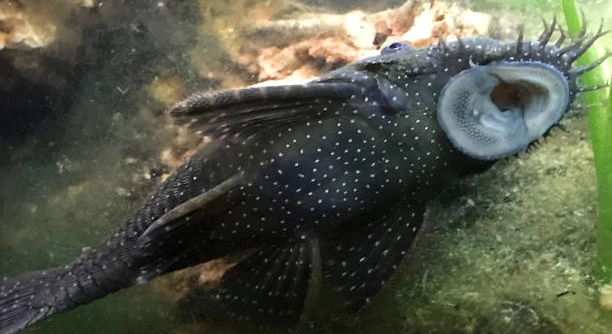
Bristlenose Plecos are calm, algae-eating fish that spend most of their time grazing on surfaces and hiding in caves. They grow slowly and rarely show aggression toward tank mates. Their nocturnal nature means they are mostly active at night, while spending the day resting. Plecos are hardy and adapt well to a variety of water conditions, which makes them suitable for community tanks. They produce moderate waste, so regular tank maintenance is necessary to maintain water quality. Providing driftwood, plants, and smooth decorations allows them to graze and hide comfortably. While they may occasionally chase small fish or rearrange tank decorations, these behaviors are usually mild and do not disturb Corys. Overall, Bristlenose Plecos are low-maintenance fish whose calm behavior and focus on algae consumption make them ideal companions for bottom-dwelling species like Corydoras. Their presence adds diversity without increasing tension in the tank environment.
Their calm, mostly nocturnal behavior helps keep the tank peaceful and stress-free for other fish.
Plecos prefer hiding spots like caves and driftwood, which prevents territorial disputes. They are compatible with Corys because they occupy different zones in the tank. Corys remain active during the day, exploring the substrate, while Plecos focus on surfaces and algae. Feeding routines can overlap without conflict, and both species benefit from clean water and a balanced diet. Observing their habits helps maintain harmony, as both species are generally non-aggressive and adaptable. Small differences in behavior rarely lead to tension, making coexistence smooth.
Understanding Corydoras Catfish
Corydoras are small, social bottom-dwellers that move in groups and search for leftover food in the substrate.
Corydoras thrive in soft, slightly acidic water and appreciate a sandy substrate to prevent injury to their delicate barbels. They are peaceful and rarely show aggression toward tank mates. Group behavior is essential; keeping at least six ensures they remain confident and active. Corys are active during the day, gently sifting through the substrate while interacting with each other. Their small size and gentle temperament make them ideal for community tanks, including those housing Bristlenose Plecos. Feeding them a mix of sinking pellets, wafers, and occasional live or frozen foods keeps them healthy. Despite their active foraging, Corys are not disruptive to Plecos, as their different feeding and activity zones reduce competition. Maintaining clean water and providing hiding spots ensures both species feel secure. Overall, Corydoras are adaptable, social fish that contribute to a calm and balanced tank environment, making them compatible with Plecos.
Tank Setup for Harmony
Providing enough space is key to keeping Plecos and Corys comfortable. A tank over 30 gallons allows each species to have its own area to explore and feed without feeling crowded. Proper filtration keeps water clean and stable.
Decorations like caves, driftwood, and plants help Plecos hide and graze naturally. Corys prefer open sandy areas for foraging. Keeping both zones in mind reduces stress and prevents minor conflicts. Maintaining consistent water temperature, pH, and gentle water flow creates an environment that suits both species. Regular cleaning of substrate and removal of leftover food ensures the tank stays healthy. By observing fish behavior, adjustments can be made to enhance comfort. Both species thrive when their basic needs and territories are respected.
Lighting should mimic natural day-night cycles, supporting Pleco nocturnal habits while keeping Corys active. Soft light and shaded areas prevent stress.
Feeding Plecos and Corys Together
Bristlenose Plecos mostly eat algae wafers, vegetables, and occasional protein treats. Corys prefer sinking pellets and small bits of frozen or live food. Both species can coexist at feeding time without competition if food is spread out.
To feed efficiently, scatter food across the tank so Corys can forage the substrate while Plecos graze surfaces and driftwood. Vegetables like zucchini or cucumber can be placed near Pleco hiding spots, encouraging natural feeding behavior. Observing how each species eats helps prevent overfeeding and ensures no fish goes hungry. Maintaining a balanced diet supports growth and health, reducing stress and aggression. Proper feeding routines contribute to a peaceful community tank.
Regular monitoring of leftover food prevents water quality issues. Adjust portions based on fish activity and growth.
Common Behavioral Traits
Bristlenose Plecos are mostly nocturnal and prefer hiding during the day. They occasionally explore the tank but rarely show aggression toward other fish. Corys are active during daylight, moving in groups and foraging gently along the substrate.
Both species are social in their own ways. Plecos enjoy solitary hiding spaces, while Corys rely on group interactions for confidence. Their activity patterns rarely overlap, reducing tension. Observing these behaviors ensures each species has the space and conditions it needs to feel secure and thrive in a shared tank.
Managing Water Quality
Keeping water clean is essential for both Plecos and Corys. Regular water changes, effective filtration, and testing for ammonia, nitrites, and nitrates prevent stress and illness. Plecos produce moderate waste, and Corys sift through the substrate, so a well-maintained tank is necessary to maintain stability.
Observing Interactions
Watching how Plecos and Corys interact can help you adjust tank setup, decorations, and feeding practices to support peaceful coexistence.
FAQ
Do Bristlenose Plecos need hiding spots in a tank with Corys?
Yes, hiding spots are essential for Plecos. They like to rest during the day and feel secure in caves, driftwood, or dense plants. Corys don’t compete for these areas because they mainly stay on the substrate, so providing multiple hiding places ensures Plecos can retreat comfortably without disturbing other fish.
Will Corys bother Bristlenose Plecos?
Corys are gentle, bottom-dwelling fish that focus on foraging in the substrate. They rarely bother Plecos, who occupy higher surfaces and crevices. Keeping Corys in groups of six or more helps maintain their social behavior and reduces curiosity-driven interactions with Plecos.
Do Plecos and Corys eat the same food?
While there is some overlap, Plecos primarily eat algae, vegetables, and occasional protein, whereas Corys prefer sinking pellets and small bits of frozen or live food. Scattering food across the tank allows each species to eat in its preferred zone, preventing competition and ensuring both species get proper nutrition.
How big should the tank be for both species?
A tank of at least 30 gallons is recommended. This provides enough space for Plecos to graze on surfaces and hide, while Corys have room to explore the substrate. Larger tanks reduce territorial stress and allow natural behaviors without overcrowding.
How often should I clean the tank with both species?
Regular cleaning is important. Partial water changes every week or every other week help maintain water quality. Removing uneaten food prevents ammonia spikes, which both Plecos and Corys are sensitive to. Cleaning the substrate carefully protects Corys’ delicate barbels.
Can Plecos and Corys breed in the same tank?
Yes, but breeding conditions differ. Plecos need caves or driftwood for egg-laying, while Corys prefer open sandy areas. Both species can spawn in the same tank if proper areas are provided, though monitoring may be necessary to prevent eggs from being eaten.
Do Plecos get aggressive toward Corys?
Plecos are generally non-aggressive. Occasional chasing may occur if a Pleco feels threatened while exploring, but serious aggression toward Corys is uncommon. Ensuring hiding spots and proper feeding reduces the chance of minor conflicts.
What is the best substrate for both species?
Soft sand is ideal. Corys have sensitive barbels that can be injured by rough gravel, and Plecos will graze without issue. Sand also allows for natural foraging behavior for Corys while maintaining a smooth surface for Plecos to move around.
How can I encourage peaceful interaction between Plecos and Corys?
Provide enough space, hiding spots, and varied feeding locations. Observe fish behavior and adjust decorations or tank layout if tension appears. Both species benefit from consistent water conditions, proper diet, and minimal disturbances. This encourages a calm, balanced environment where each species thrives.
Do lighting and day-night cycles affect their behavior?
Yes, Plecos are nocturnal and prefer dim lighting or shaded areas, while Corys are more active during daylight. Mimicking natural cycles with moderate lighting and shaded spots supports their natural activity patterns and reduces stress in a shared tank.
Are there signs of stress to watch for in either species?
Yes, Plecos may hide excessively or stop grazing if stressed. Corys may become skittish, cling to each other, or reduce substrate foraging. Poor water quality, insufficient hiding spots, or overfeeding can trigger stress. Observing these signs helps make timely adjustments to maintain harmony.
Can Plecos and Corys tolerate a range of water conditions?
Both are adaptable but thrive best in stable water. Plecos tolerate a slightly wider range of temperatures, while Corys prefer soft, slightly acidic water. Monitoring water parameters and maintaining consistency ensures both species remain healthy and active.
How do I prevent food competition between the species?
Feed in multiple locations. Place vegetables or algae wafers near Pleco hiding spots, and scatter sinking pellets for Corys across the substrate. This separation allows each species to feed naturally without stress or competition, supporting overall tank harmony.
Can other community fish live with Plecos and Corys?
Yes, many peaceful species can coexist. Avoid aggressive or large predatory fish that may harass Corys or Plecos. Community tanks thrive when species have compatible behavior, feeding habits, and space requirements. Monitoring interactions ensures long-term compatibility and minimizes stress.
How long do Plecos and Corys live in a shared tank?
With proper care, Plecos can live 8–12 years, and Corys typically live 5–10 years. Stable water, proper diet, and a well-maintained environment contribute to their longevity. Observing natural behavior and reducing stress supports healthy, long-term coexistence in a shared tank.
What decorations are suitable for both species?
Driftwood, smooth rocks, caves, and live plants are ideal. Driftwood provides grazing surfaces for Plecos, while caves offer hiding spots. Corys benefit from open sandy areas to forage. Arranging decorations to create zones for each species reduces territorial disputes and encourages natural behaviors.
Do Plecos and Corys need supplemental lighting?
Minimal supplemental lighting is sufficient. Moderate lighting supports plant growth without stressing Plecos, who prefer shaded areas. Corys are active in lighted areas but can adapt to dim conditions. Providing a balanced light cycle helps maintain normal activity patterns for both species.
Is tank size more important than the number of fish?
Both matter. A larger tank reduces stress and allows multiple fish to coexist peacefully. Overcrowding increases competition for food and hiding spots, causing tension. Maintaining an appropriate fish-to-gallon ratio ensures each species thrives in its own space.
What is the best temperature range for a shared tank?
Both species thrive in 72–78°F (22–26°C). Temperatures outside this range may stress Corys or slow Pleco activity. Using a reliable heater and thermometer maintains stable conditions, supporting healthy metabolism, feeding behavior, and overall well-being.
Can Plecos damage tank plants that Corys enjoy?
Plecos may nibble on soft plants occasionally, but this is usually minor. Corys do not harm plants. Using hardy plants or protecting delicate species with rocks or decorations minimizes damage while maintaining a natural, functional tank layout.
How often should I test water parameters?
Testing once a week is recommended. Monitor ammonia, nitrites, nitrates, pH, and temperature. Early detection of imbalances prevents stress, disease, and aggression. Both species rely on stable water quality for health, growth, and peaceful coexistence.
Are Plecos and Corys sensitive to sudden changes?
Yes, both species are sensitive to abrupt temperature, pH, or water chemistry shifts. Gradual adjustments and regular monitoring prevent stress, illness, and behavioral problems. Maintaining stability is key to long-term harmony in the tank.
What is the best way to introduce new fish?
Quarantine new fish before adding them to the tank. Introduce slowly to prevent stress and allow Plecos and Corys to adjust. Adding decorations or hiding spots helps establish territories and reduces the risk of minor conflicts during the introduction period.
Can Plecos and Corys live together in a planted tank?
Yes, a planted tank works well. Plants provide hiding spots for Plecos and foraging areas for Corys. Select hardy plants that can tolerate Pleco grazing and Cory substrate activity. This creates a natural, balanced environment that supports both species’ needs.
How do I handle minor aggression?
If mild chasing occurs, add additional hiding spots or rearrange decorations to create separate zones. Ensure both species have adequate food and space. Minor aggression usually resolves once each fish feels secure in its territory, reducing stress and promoting coexistence.
Do Plecos produce more waste than Corys?
Plecos produce moderate waste due to grazing and occasional protein feeding, while Corys produce minimal waste. Efficient filtration, regular water changes, and substrate cleaning manage waste levels and maintain healthy water conditions for both species.
Are there signs of disease unique to either species?
Plecos may show fin rot or skin lesions if water quality is poor. Corys may develop fungal infections or barbel rot in abrasive substrate or dirty water. Early detection, proper tank maintenance, and quarantine procedures prevent disease spread and maintain a healthy community.
Is tank temperature more important than pH?
Both matter equally. Stable temperature ensures proper metabolism, while stable pH prevents stress and illness. Plecos tolerate slight pH variation, but Corys prefer slightly acidic water. Maintaining both within acceptable ranges supports health, activity, and harmonious behavior.
How can I prevent bullying in the tank?
Provide sufficient hiding spots, separate feeding areas, and enough space for both species. Observe behavior and make adjustments if tension arises. Ensuring each fish has a defined zone and access to food minimizes stress, supporting peaceful coexistence.
Can both species thrive in the same tank long-term?
Yes, with proper care. Maintaining stable water parameters, appropriate tank size, hiding spots, and feeding routines ensures both species live comfortably together for years. Observing natural behaviors and making small adjustments keeps the tank balanced and healthy.
How do I maintain a clean substrate without stressing Corys?
Use a gentle siphon to remove debris without disturbing the sand deeply. Corys’ barbels are delicate, so avoid aggressive vacuuming. Regular partial cleaning keeps the tank healthy while allowing natural foraging behavior.
Are there any signs that Plecos and Corys do not get along?
Signs include constant chasing, hiding excessively, reduced feeding, or damaged fins. These behaviors indicate stress or overcrowding. Adjusting tank setup, adding hiding spots, or separating food zones usually resolves conflicts and restores harmony.
What is the ideal group size for Corys?
At least six Corys are recommended. Smaller groups can become shy, stressed, or inactive. Larger groups allow natural social behavior, reducing interactions with Plecos and promoting confidence in a shared tank.
Can I keep multiple Plecos with Corys?
Yes, multiple Plecos can coexist if the tank is large enough and hiding spots are abundant. Avoid overcrowding to prevent minor disputes over territory, ensuring both species have their own space for feeding and resting.
How do I prevent overfeeding both species?
Feed measured amounts and remove uneaten food promptly. Scattering food across the tank allows Plecos and Corys to eat in their preferred zones, reducing waste and preventing water quality issues. Observing feeding habits ensures each fish receives adequate nutrition.
Do Plecos climb plants or decorations that Corys use?
Plecos may occasionally move over surfaces, but they rarely damage Corys’ foraging areas. Using stable decorations and dense plants helps Plecos navigate safely while allowing Corys to explore the substrate without interference.
How often should I observe fish behavior?
Daily observation is ideal. Spotting early signs of stress, illness, or conflict allows timely intervention. Monitoring behavior ensures Plecos and Corys remain healthy and compatible in a shared tank environment.
Are Plecos more active at night than Corys?
Yes, Plecos are primarily nocturnal, while Corys are active during the day. Understanding this difference helps create feeding schedules and tank lighting that suit both species’ natural behavior.
Do Plecos need driftwood for health?
Driftwood supports Plecos’ digestion and provides grazing surfaces. Corys are unaffected by driftwood placement. Including driftwood benefits Plecos while maintaining a comfortable environment for both species.
Can Corys get stressed by Pleco movements?
Occasionally, if a Pleco becomes active near them, Corys may momentarily hide. Providing multiple zones and hiding spots minimizes stress and allows both species to feel secure.
How do I ensure both species receive enough nutrition?
Feed a varied diet suitable for each species. Plecos need algae wafers, vegetables, and protein, while Corys require sinking pellets or small frozen foods. Spreading food across the tank ensures everyone eats without competition.
What tank decorations should I avoid?
Sharp or rough decorations can injure Plecos or Corys. Avoid jagged rocks, abrasive substrates, or fragile plants that could be disturbed by foraging or grazing behavior. Smooth, stable options maintain safety and comfort for both species.
Is water flow important for both species?
Moderate water flow suits both Plecos and Corys. Strong currents can stress Corys and reduce Pleco grazing activity. Gentle filtration maintains clean water while accommodating natural movement patterns.
Do Plecos and Corys need different lighting schedules?
A consistent light cycle works for both. Plecos will use shaded areas during the day, while Corys remain active. This balance supports normal behavior, reduces stress, and allows natural activity patterns for both species.
Are there any common mistakes when keeping both species?
Overcrowding, insufficient hiding spots, irregular feeding, and poor water maintenance are common mistakes. Addressing these factors prevents stress, aggression, and health problems, ensuring both Plecos and Corys thrive together in a shared tank.
How do I handle sudden illness in a shared tank?
Quarantine sick fish immediately. Treat with appropriate medication, maintain water quality, and observe the remaining fish. Early intervention prevents spread and protects both Plecos and Corys.
Can both species adapt to new tanks easily?
Yes, but gradual acclimation reduces stress. Introducing water slowly, providing hiding spots, and monitoring behavior helps both species settle comfortably and maintain harmony in a new environment.
Do Plecos ever compete with Corys for food?
Competition is rare if feeding is managed properly. Plecos graze on surfaces and algae, while Corys forage the substrate. Separating feeding zones and observing habits prevents conflict and ensures both species receive adequate nutrition.
Is it necessary to separate them during breeding?
It can help. Plecos and Corys have different spawning requirements. Providing species-specific breeding areas ensures eggs are safe and reduces stress during reproductive periods, supporting successful spawning without interference.
Can Plecos and Corys survive in slightly different water conditions?
Yes, within limits. Plecos tolerate a wider range of temperatures, while Corys prefer softer, slightly acidic water. Maintaining conditions acceptable to both ensures health, activity, and peaceful coexistence.
How can I tell if both species are healthy?
Healthy Plecos graze actively at night, have intact fins, and bright coloration. Corys are active, social, and forage efficiently. Clear eyes, consistent breathing, and normal movement indicate both species are thriving in a shared tank.
Do I need to adjust feeding for seasonal changes?
Mild adjustments can help. Fish metabolism may slow slightly in cooler months. Reducing food quantity slightly prevents overfeeding, while maintaining proper nutrition ensures Plecos and Corys remain healthy year-round.
Are there any special care tips for baby Corys or Plecos?
Provide extra hiding spots and separate feeding areas. Baby fish are more vulnerable to stress and may need softer or smaller food. Maintaining stable water conditions supports growth and prevents health issues in young fish.
Can tank decorations affect fish behavior?
Yes, decorations define territory and activity zones. Proper placement reduces conflicts, provides Plecos with grazing surfaces, and allows Corys to forage safely. Adjusting decorations based on observation supports natural behavior and a calm tank environment.
How do I know if I need more hiding spots?
If Plecos hide excessively or Corys seem skittish, adding more caves, plants, or driftwood can help. Sufficient hiding spaces reduce stress and support peaceful coexistence.
Is it necessary to monitor Pleco growth?
Yes, Plecos can grow significantly. Monitoring growth ensures the tank remains spacious enough and decorations are adequate. Adjustments may be needed to accommodate size without disturbing Corys.
Do Corys need a specific water current?
Gentle, steady flow works best. Corys prefer calm substrate areas for foraging. Too strong a current stresses them, while moderate flow maintains clean water without disrupting activity.
How can I prevent Plecos from becoming territorial?
Provide multiple hiding spots and surfaces to graze. Adequate space reduces territorial behavior and prevents stress for both Plecos and Corys. Monitoring behavior allows timely adjustments if disputes arise.
Are Plecos sensitive to water hardness?
Plecos tolerate moderate hardness but prefer stable conditions. Sudden changes can cause stress. Maintaining consistency supports grazing, health, and calm interactions with Corys.
Can Corys survive with minimal hiding spots?
Yes, Corys are social and active, but they appreciate shaded or sheltered areas. Minimal hiding spots are acceptable if tank conditions are stable and they have a group for confidence.
Do Plecos need supplemental calcium?
Providing driftwood or certain vegetables can support Pleco health and growth. Supplemental calcium is optional if diet and environment meet nutritional needs.
How do I manage algae growth for Plecos?
Encourage Plecos to graze naturally. Monitor light exposure and feeding to prevent excessive algae. Occasional manual cleaning helps maintain balance without disturbing Corys.
Are Corys prone to stress in crowded tanks?
Yes, overcrowding increases stress and reduces natural activity. Maintaining a suitable tank size and group ensures social behavior and compatibility with Plecos.
Can Plecos and Corys live with other bottom-dwellers?
Yes, peaceful species like small loaches or other Cory varieties can coexist. Avoid aggressive or large bottom-dwellers that may compete or stress either species.
How important is tank stability for breeding success?
Critical. Stable water, temperature, and hiding spots increase the chances of successful spawning for both species. Sudden changes can lead to egg loss or stress.
What signs indicate Plecos are grazing enough?
Visible algae reduction, healthy body condition, and regular nighttime activity indicate sufficient grazing. Observing their behavior ensures proper nutrition without overfeeding.
How do I protect Cory eggs in a shared tank?
Provide sandy substrate or breeding mops and avoid disturbing areas during spawning. Eggs can be relocated if necessary, reducing the chance of predation by tank mates.
Do Plecos ever damage tank equipment?
Occasionally, Plecos may move lightweight decorations or nibble on certain surfaces. Using secure decorations prevents accidents and keeps the tank safe for Corys.
Is it safe to keep multiple Plecos in a planted tank with Corys?
Yes, if space is sufficient. Multiple Plecos need grazing surfaces and hiding spots. Corys benefit from sandy areas and stable conditions, allowing all species to coexist peacefully.
How can I tell if Plecos and Corys are stressed from water changes?
Signs include hiding, rapid breathing, or inactivity. Performing gradual changes and monitoring fish helps reduce stress and ensures a smooth transition to clean water.
Are there specific feeding times recommended?
Plecos are more active at night, so feeding algae or vegetables in the evening works best. Corys are daytime feeders, benefiting from morning or afternoon meals. This schedule supports natural activity and reduces conflict.
Do Corys need soft food for their barbels?
Yes, soft sinking pellets or finely crushed foods protect their barbels while allowing natural foraging behavior. Abrasive foods or
Bristlenose Plecos and Corydoras catfish are two species that naturally complement each other in a community tank. Their different habits and activity patterns make it easy for them to coexist without constant conflict. Plecos are mostly nocturnal, grazing on algae and resting during the day in caves or shaded areas. Corys, on the other hand, are active during daylight, moving in groups and foraging gently through the substrate. These differences allow both species to live in the same tank while using different zones, reducing competition for food and territory. By understanding their individual needs, it is possible to create an environment where both species feel secure and can display natural behaviors comfortably. Their calm and non-aggressive nature means that, with the right tank setup, minimal monitoring is required beyond routine maintenance and observation.
Providing a tank that suits both species involves paying attention to size, decorations, and water quality. A tank of at least 30 gallons ensures that each fish has enough space to explore and rest without feeling overcrowded. Hiding spots, such as caves, driftwood, and dense plants, are essential for Plecos, while open sandy areas are important for Corys to forage safely. Balanced feeding routines are also necessary, with Plecos enjoying algae wafers, vegetables, and occasional protein, while Corys prefer sinking pellets or small frozen foods. Scattering food throughout the tank prevents competition and ensures that all fish receive adequate nutrition. Regular water changes, proper filtration, and monitoring of water parameters like temperature, pH, and ammonia levels are important for maintaining a healthy environment for both species. Paying attention to these details will keep the tank clean, stress levels low, and fish behavior natural.
Observation and small adjustments are key to long-term success when keeping Plecos and Corys together. Watching their behavior can help identify if one species is stressed or if minor conflicts arise. Adding extra hiding spots, adjusting feeding areas, or rearranging decorations are simple solutions that can prevent issues before they become serious. Both species are relatively hardy but still benefit from stable conditions and consistent care. Maintaining harmony in the tank is not just about preventing fights but also about allowing each species to express natural behaviors and thrive. Over time, a well-maintained tank with both Plecos and Corys can become a calm and balanced ecosystem. Their coexistence is generally peaceful, and they can live happily together for many years if proper attention is given to space, nutrition, and water quality. By respecting the unique needs of both species, it is possible to enjoy a visually appealing, functional, and healthy community tank.

Hello,
If you enjoy the content that we create, please consider saying a "Thank You!" by leaving a tip.
Every little bit helps us continue crafting quality advice that supports the health, happiness, and well-being of pets around the world, for pets of all shapes, sizes, and species.
We really appreciate the kindness and support that you show us!