
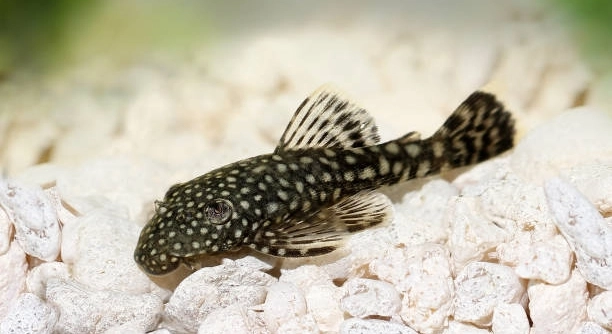
Many fish enthusiasts enjoy keeping Bristlenose Plecos because of their calm nature and algae-eating habits. These small catfish are often appreciated for their unique appearance and ability to help maintain cleaner aquariums with minimal effort.
Bristlenose Plecos can survive in outdoor ponds if the water conditions are suitable. They require stable temperatures, clean water, and adequate hiding spaces to thrive. Sudden temperature drops or poor water quality can compromise their health and longevity.
Knowing how to maintain their environment is essential for success. With proper care and attention, these plecos can adapt well and contribute positively to pond ecosystems.
Ideal Water Conditions for Bristlenose Plecos
Bristlenose Plecos are hardy fish, but they still need stable water conditions to thrive. They prefer temperatures between 72°F and 78°F, though they can tolerate slight variations if changes are gradual. The pH should remain between 6.5 and 7.5, with low levels of ammonia, nitrites, and nitrates. Outdoor ponds can experience temperature fluctuations, so it’s important to monitor water quality regularly, especially during seasonal shifts. Providing areas of shade or deeper water helps them avoid temperature extremes. These plecos also need hiding spots like caves, driftwood, or plants to feel secure and reduce stress. Aeration and gentle water movement improve oxygen levels, which supports their health. Feeding should include algae wafers, fresh vegetables, and occasional protein-rich foods to maintain proper nutrition. Maintaining clean water through regular partial water changes and careful filtration is key to preventing diseases and ensuring longevity.
Monitoring water quality daily helps detect issues early and keep the fish healthy.
With careful observation, Bristlenose Plecos can adjust well to outdoor ponds. Gradual changes in water conditions allow them to adapt without stress. Providing proper hiding spaces, adequate nutrition, and clean water ensures they remain active and visible. Seasonal adjustments, like adding pond heaters or extra shade, may be necessary in colder or hotter months. Algae growth should be managed so it doesn’t overwhelm the pond, yet still provides a natural food source. Checking water parameters like temperature, pH, and ammonia levels prevents sudden problems and keeps the environment stable. Even minor changes can stress the fish, so slow transitions in temperature or water chemistry are preferred. Observing behavior, such as hiding patterns or feeding activity, gives insight into their comfort level. A balanced environment supports both the health of the plecos and the overall pond ecosystem, creating a low-maintenance but vibrant setting that benefits all pond inhabitants.
Feeding Bristlenose Plecos in Outdoor Ponds
Bristlenose Plecos are mainly herbivores and need a steady supply of algae or plant matter to stay healthy.
In outdoor ponds, feeding should complement the natural algae they consume. Supplementing their diet with vegetables like zucchini, cucumber, and spinach provides essential nutrients. Algae wafers or sinking pellets ensure they get enough food when natural algae levels are low. Monitoring feeding habits is important to avoid overfeeding, which can harm water quality. Providing food near hiding spots encourages natural foraging behavior and reduces stress from competition with other fish. Occasionally offering protein-rich treats, such as bloodworms or shrimp, supports growth and strengthens their immune system. Timing feedings during daylight hours works best since plecos are more active when there is light. It’s also helpful to remove uneaten food to prevent decay, which could raise ammonia levels. Maintaining a consistent feeding schedule improves their health and allows for predictable observation of their behavior. Proper nutrition ensures Bristlenose Plecos remain active, healthy, and contribute to a balanced pond ecosystem.
Seasonal Care for Bristlenose Plecos
Temperature changes can stress Bristlenose Plecos, so it’s important to adjust pond care with the seasons. Shade in summer and partial heating in winter help maintain stable water conditions. Hiding spaces protect them from predators and reduce stress during seasonal shifts.
Seasonal care involves monitoring water temperature and adjusting feeding accordingly. During colder months, their metabolism slows, and they eat less. Overfeeding can pollute the pond, so reduce portions and focus on high-quality foods. Adding insulation or deeper areas in the pond helps prevent freezing in winter. In warmer months, provide shaded areas and ensure aeration prevents oxygen depletion. Plants and floating vegetation offer shelter and additional natural food sources. Observing the fish during seasonal changes helps identify stress signs early, allowing quick adjustments. Gradual transitions between seasons reduce shock, keeping plecos healthy and active throughout the year.
Proper pond maintenance during seasonal shifts also protects other aquatic life. Cleaning debris, checking filters, and maintaining stable water chemistry are essential. Sudden storms or heat waves can affect oxygen levels, so aerators or fountains may be necessary. Leaf litter should be managed to prevent decay, which could harm water quality. Regular inspection of pond edges and hiding spots ensures plecos have safe areas. Seasonal attention reduces stress-related illnesses and supports growth. By staying proactive, Bristlenose Plecos remain healthy, active, and visually appealing, while the pond environment stays balanced and vibrant. These practices make outdoor pond care manageable without constant intervention.
Common Health Issues and Prevention
Bristlenose Plecos can face diseases like ich, fin rot, or fungal infections if water conditions are poor. Regular observation and water testing prevent most health problems before they become serious.
Preventing health issues requires maintaining clean, stable water and providing a proper diet. Stress from temperature fluctuations or overcrowding increases susceptibility to infections. Proper hiding spots, clean substrates, and consistent feeding routines reduce stress. Quarantining new fish before adding them to the pond prevents disease introduction. Observing plecos for unusual behavior, discoloration, or rapid breathing allows early intervention. Minor injuries from rough surfaces or fights should be treated promptly to avoid infections. Ensuring balanced nutrition and avoiding overfeeding supports their immune system. Maintaining water parameters, such as pH, ammonia, and nitrate levels, within safe ranges reduces disease risk. Routine pond maintenance, including cleaning filters and removing debris, helps create a stable environment.
In addition to prevention, treating minor issues quickly is essential. Over-the-counter medications can address fungal infections or external parasites when used correctly. Adjusting water temperature slightly can help reduce stress-related illness. Monitoring plecos during treatment ensures recovery and prevents relapses. If severe problems arise, consulting a veterinarian familiar with aquatic species is recommended. A consistent care routine, including diet, water quality, and habitat management, minimizes common health issues. By staying vigilant, Bristlenose Plecos can live longer, healthier lives, contributing positively to the pond ecosystem while remaining active and visually appealing.
Pond Setup Essentials
A secure pond environment is vital for Bristlenose Plecos. Stable water levels, proper filtration, and hiding spots create a safe and comfortable habitat. Regular monitoring ensures the pond remains suitable for long-term fish health.
Adding plants and driftwood enhances shelter and provides surfaces for algae growth. These elements also create natural foraging opportunities and help maintain water quality.
Tank Mates and Compatibility
Bristlenose Plecos are peaceful fish, making them compatible with many pond species. Avoid aggressive or territorial fish that may harass them. Compatible tank mates include small koi, goldfish, and other calm community fish. Monitoring interactions ensures a stress-free environment for all pond inhabitants.
Maintaining Water Quality
Consistent water quality checks prevent harmful chemical buildup. Ammonia, nitrites, and nitrates should remain at safe levels. Proper filtration, partial water changes, and debris removal are essential for a healthy pond ecosystem that supports Bristlenose Plecos and other aquatic life.
Algae Management
Algae is a natural food source but can overgrow. Regular cleaning and balanced lighting prevent excessive growth while still providing nutrition for plecos.
FAQ
Can Bristlenose Plecos survive in cold outdoor ponds?
Bristlenose Plecos are tropical fish, so they prefer warmer water between 72°F and 78°F. In colder climates, ponds can be risky during winter. Providing deeper areas, pond heaters, or partial insulation can help them survive, but they are not fully cold-hardy. Monitoring water temperature regularly is important.
How much should I feed them in an outdoor pond?
Feeding depends on natural algae availability. If algae are plentiful, minimal supplementation is needed. Otherwise, offer vegetables like zucchini or cucumber, and sinking algae wafers once or twice daily. Avoid overfeeding, which can pollute water and harm fish health. Observing their behavior helps determine proper portions.
What are the best hiding spots for Bristlenose Plecos?
Plecos need caves, driftwood, or dense plants for shelter. Hiding spots reduce stress, provide security, and encourage natural behaviors. Even in larger ponds, multiple shelters distributed throughout the pond help ensure all fish have safe spaces, especially during feeding or aggressive interactions.
Can they live with koi or goldfish?
Yes, Bristlenose Plecos are peaceful and can share ponds with non-aggressive species like koi or goldfish. Avoid large, territorial fish that may chase or injure them. Observing interactions is important, particularly when introducing new fish to prevent stress or injuries.
How often should I check water quality?
Daily visual checks are useful, but chemical testing should be done at least once a week. Monitor pH, ammonia, nitrite, nitrate, and temperature. Prompt adjustments prevent disease, stress, and algae imbalances. Good filtration and regular partial water changes also support stable conditions.
Do they breed in outdoor ponds?
Bristlenose Plecos can breed if conditions are right. They require stable temperatures, clean water, and hiding spots like caves. Males guard the eggs until they hatch. Breeding may occur naturally in larger ponds, but close observation is necessary to protect eggs from other fish.
What are common signs of illness?
Look for unusual hiding, loss of appetite, discoloration, or frayed fins. Rapid gill movement or lethargy can also indicate stress or disease. Prompt water testing and treatment can prevent serious problems. Minor infections can often be managed with over-the-counter medications or isolated treatment tanks.
How can I prevent algae overgrowth?
Algae is food for plecos but can overgrow with excess sunlight and nutrients. Control lighting, avoid overfeeding, and remove debris regularly. Plants and floating vegetation help compete with algae, keeping its growth manageable while still providing a natural food source.
Are Bristlenose Plecos difficult to maintain in a pond?
They are low-maintenance compared to other tropical fish. They need stable water, proper diet, and shelter. Regular monitoring of temperature, water chemistry, and pond cleanliness ensures they thrive. With basic care and attention, plecos remain healthy, active, and visually interesting for many years.
Can I add other types of catfish with them?
Smaller, peaceful catfish species may coexist with Bristlenose Plecos. Avoid aggressive or larger catfish that could compete for food or territory. Observe behavior closely, especially in smaller ponds, to prevent stress or injuries. Multiple hiding spots help maintain peace among bottom-dwelling species.
What should I do if water levels drop?
Sudden drops in water level can stress plecos and expose them to predators. Refill gradually to avoid shocking the fish. Monitor water temperature and quality during changes. Adding supplemental aeration or moving fish temporarily to a stable environment can help in emergencies.
How do I know if they are happy in the pond?
Healthy plecos are active at night, explore their surroundings, and graze on algae. Smooth, intact fins and consistent coloration indicate good health. Watching behavior and feeding patterns gives insight into comfort and well-being. A stable environment keeps them thriving naturally.
Can I keep plecos in a small pond?
Small ponds are possible if water quality is maintained and hiding spots are abundant. Overcrowding or insufficient space increases stress. Regular cleaning and careful monitoring are essential to ensure plecos have enough room and stable conditions. Avoid mixing with aggressive fish in limited space.
Is it necessary to use a pond filter?
A filter is highly recommended. It helps maintain water quality by removing debris and circulating oxygen. Even small ponds benefit from filtration, especially if feeding is frequent or algae growth is low. Proper filtration reduces the risk of disease and keeps plecos healthy long-term.
How often should I clean the pond?
Regular maintenance prevents waste buildup. Remove fallen leaves, uneaten food, and other debris weekly. Partial water changes help maintain chemistry. Deep cleaning can be done seasonally, but avoid disturbing plecos too much. Consistent care ensures a stable and safe pond environment.
Can plecos survive in fluctuating temperatures?
They tolerate minor fluctuations if changes are gradual. Rapid temperature swings increase stress and disease risk. Providing shaded areas, deeper water, or a pond heater during extremes supports their health. Monitoring changes allows early action to maintain a stable habitat.
Do they need supplemental lighting in outdoor ponds?
Supplemental lighting is usually unnecessary if natural sunlight reaches the pond. However, shaded ponds may benefit from indirect light to encourage algae growth. Avoid excessive direct sunlight to prevent overheating or algae overgrowth, maintaining a balance for pleco nutrition.
What types of vegetables are best for plecos?
Zucchini, cucumber, spinach, and lettuce are ideal. Blanching vegetables makes them easier to eat. Rotating vegetables ensures balanced nutrition. Occasional protein treats like shrimp or bloodworms support growth but should remain a small part of the diet to maintain health.
How long do Bristlenose Plecos live in outdoor ponds?
With proper care, they can live 5–10 years. Stable water conditions, balanced nutrition, and shelter contribute to longevity. Regular monitoring for disease, stress, or environmental changes helps them live full, healthy lives while enhancing the pond ecosystem naturally.
Can I breed them intentionally in a pond?
Yes, if water is clean, stable, and there are sufficient hiding spots. Males guard eggs in caves until they hatch. Breeding requires observation to protect eggs from other fish and ensure fry survival. Monitoring water conditions supports successful reproduction.
What should I do if they stop eating?
Loss of appetite may indicate stress, illness, or poor water quality. Test water parameters, check temperature, and examine fish for signs of disease. Adjust feeding, provide fresh vegetables, and isolate sick individuals if necessary. Prompt action prevents further health decline.
Are they compatible with floating plants?
Yes, floating plants provide shade, reduce sunlight, and support algae growth. They create natural hiding areas and improve water quality by reducing excess nutrients. Maintaining a balance ensures plecos can forage while preventing excessive algae overgrowth.
Do plecos need aeration in outdoor ponds?
Aeration improves oxygen levels, especially in warmer months or densely stocked ponds. Fountains, waterfalls, or air pumps prevent oxygen depletion and support overall fish health. Proper aeration ensures plecos remain active and healthy, particularly during periods of high activity or heat.
Can plecos injure themselves on sharp pond decorations?
Yes, rough or sharp surfaces can damage fins or skin. Smooth rocks, driftwood, and plants reduce the risk. Providing safe hiding spots and gentle substrates ensures plecos remain healthy and avoid unnecessary injuries.
How do I introduce new plecos to the pond?
Quarantine new fish for at least two weeks to prevent disease introduction. Gradually acclimate them to pond temperature and water chemistry. Introducing them slowly reduces stress and ensures compatibility with existing pond inhabitants, helping maintain a stable environment.
Are plecos nocturnal?
Bristlenose Plecos are primarily active at night. They forage and explore during dark hours but can be seen during the day grazing or resting in hiding spots. Their nocturnal behavior is natural and helps reduce conflicts with other fish species.
What is the best substrate for outdoor ponds?
Smooth gravel or sand is ideal for plecos. It allows safe foraging and reduces the risk of injury. Avoid sharp or rough materials that can harm fins. Substrate also supports beneficial bacteria and natural algae growth.
Can plecos coexist with snails?
Yes, they generally do not harm pond snails. Snails and plecos can coexist peacefully, benefiting the pond ecosystem. Snails may help clean the pond, and plecos will focus on algae and detritus, reducing competition for food.
Do they require a specific water hardness?
Moderate water hardness is suitable. Extremely soft or very hard water can stress plecos. Regular testing and gradual adjustments maintain conditions within a safe range, supporting overall health and longevity.
Is it necessary to remove plecos during pond winterization?
If the pond is deep enough and water does not freeze entirely, plecos can remain outside. Otherwise, moving them to a heated indoor tank ensures survival. Gradual acclimation before and after winter minimizes stress.
How can I tell if plecos are stressed?
Hiding excessively, refusing food, or showing abnormal swimming patterns are signs. Stress often results from poor water quality, aggressive fish, or environmental changes. Identifying stress early allows corrective action to prevent illness.
Can plecos help control algae naturally?
Yes, they consume algae on rocks, plants, and decorations. While they won’t eliminate all algae, they reduce growth and maintain a cleaner pond. Supplementing with vegetables ensures balanced nutrition.
What is the ideal pond size for Bristlenose Plecos?
A minimum of 100 gallons is recommended for small groups. Adequate depth, hiding spaces, and stable water conditions are more important than total volume. Larger ponds allow natural behaviors and reduce stress from overcrowding.
Are plecos affected by pond chemicals?
Yes, many pond treatments, such as algaecides or medications, can harm plecos. Always check product safety for tropical fish before use. Maintaining natural water balance is safer than relying on chemicals.
Can plecos survive without algae?
They can survive with alternative foods like vegetables or algae wafers. Algae provides natural grazing, but a balanced diet with supplemental foods supports health when algae levels are low.
How often should hiding spots be cleaned?
Hiding spots should be checked periodically to remove algae overgrowth, debris, or decaying material. Cleaning every few weeks keeps them safe and functional without disturbing plecos excessively.
Do plecos need companions of the same species?
They don’t require same-species companions but benefit from having a few to reduce loneliness. Small groups interact naturally, though too many in limited space can increase stress.
Is it necessary to aerate during winter?
Aeration helps prevent oxygen depletion under ice or cold water layers. A small air pump or pond heater can maintain oxygen levels and reduce stress during colder months.
Can plecos jump out of ponds?
Bristlenose Plecos are not known to jump frequently, but pond edges should still be secure. Providing plants or barriers reduces the slight risk of escape.
What should I do if water quality suddenly drops?
Partial water changes, aeration, and removing decaying debris help stabilize conditions. Monitor fish closely for stress signs and adjust feeding to reduce pollution. Quick action prevents disease and maintains pond balance.
Are plecos sensitive to sunlight?
Direct sunlight is not harmful in moderation but can increase algae growth and water temperature. Floating plants or partial shade protect plecos and help balance the pond ecosystem naturally.
Do they require specific pond depth?
Deeper areas provide stable temperatures and protection from predators. A depth of at least 2–3 feet is ideal, especially in colder climates, to prevent freezing and maintain a safe environment.
Can plecos live with turtles?
Small, calm turtles may coexist, but aggressive or large turtles could stress or harm plecos. Observing interactions and providing hiding spots minimizes conflict and ensures safety.
How long does it take for plecos to adapt to a new pond?
They typically adjust within a few days to a couple of weeks. Providing gradual acclimation, stable water conditions, and hiding spots reduces stress and promotes faster adaptation.
Is it safe to add chemicals to treat pond plants with plecos present?
Many plant treatments are toxic to fish. Avoid chemicals unless confirmed safe for tropical fish. Mechanical or manual algae removal is a safer alternative to maintain plant health.
Can plecos survive in low-oxygen ponds?
Low oxygen levels are harmful. Aeration through pumps, waterfalls, or fountains is necessary to support pleco health, particularly during hot weather or when the pond is densely stocked.
Do plecos require nightly feeding in outdoor ponds?
They forage mostly at night naturally. Supplemental feeding once or twice a day is sufficient if algae or plant matter is limited. Overfeeding can degrade water quality.
What is the best way to acclimate plecos to a new pond?
Float their bag in the pond for 15–20 minutes to equalize temperature, then gradually mix pond water with their transport water. Slowly releasing them reduces stress and improves survival chances.
Can plecos survive with fluctuating pH?
They tolerate small changes, but sudden swings stress them. Stable pH between 6.5 and 7.5 is ideal. Testing regularly helps prevent harmful shifts.
Do they interact with plants in the pond?
Yes, plecos graze on algae growing on plants but do not usually damage healthy vegetation. Providing extra food ensures plants remain intact while still offering grazing surfaces.
Are plecos affected by heavy rain?
Heavy rain can dilute water, change temperature, and affect oxygen levels. Monitoring pond conditions after storms ensures plecos remain safe. Temporary aeration or shelter may help during extreme weather.
Can plecos survive if the pond freezes?
Complete freezing is fatal. Partial freezing may be survivable if deeper sections remain liquid. In colder climates, moving plecos indoors or using pond heaters is safer.
Do plecos need regular health checks?
Observing behavior, feeding, and appearance regularly is sufficient. Spotting early signs of stress, disease, or injury prevents serious health issues. Regular water testing complements visual checks.
How often should plecos be fed during winter?
Feeding should be reduced because their metabolism slows in colder water. Offer small amounts of algae wafers or vegetables only when they show interest. Avoid overfeeding to maintain water quality.
Can plecos coexist with floating duckweed?
Yes, duckweed provides shade, reduces sunlight, and supports natural algae growth. It creates safe areas and contributes to a balanced pond ecosystem without harming plecos.
Do plecos need additional calcium in outdoor ponds?
If water is very soft, supplementing calcium occasionally helps with healthy bone and fin development. Generally, natural pond water provides sufficient minerals. Monitoring fish health informs the need for supplementation.
What is the recommended group size for plecos in a pond?
A small group of 3–5 plecos is ideal. They are social but overcrowding causes stress. Adequate space and hiding spots maintain peaceful interactions and healthy behavior.
Can plecos tolerate slight pollution in outdoor ponds?
They are hardy, but consistent exposure to poor water quality increases disease risk. Maintaining clean water, regular changes, and proper filtration ensures long-term health and activity.
Do plecos need UV sterilizers in ponds?
UV sterilizers are not required but can help control algae and pathogens. Proper filtration, water changes, and balanced feeding usually suffice for healthy plecos without extra equipment.
Can plecos survive with fluctuating nitrate levels?
High nitrates stress fish over time. Maintaining nitrate below 40 ppm through water changes, filtration, and careful feeding prevents long-term health issues. Regular testing is key to stability.
Are plecos affected by pond predators?
Birds, raccoons, and large fish may threaten plecos. Providing deep water, floating plants, and hiding spots reduces predation risk. Netting or barriers offer additional protection in exposed ponds.
What is the best way to monitor pleco health?
Observe feeding, activity, fins, and coloration daily. Sudden changes indicate stress or illness. Coupled with regular water testing, visual monitoring ensures early intervention and long-term health.
Can plecos adapt to changes in pond size?
Gradual expansion or reduction of pond space allows adaptation. Sudden changes stress fish, so acclimating slowly while maintaining hiding spots and water stability is essential.
Do plecos produce a lot of waste?
Moderate waste is normal. Adequate filtration, partial water changes, and careful feeding prevent accumulation. Waste supports beneficial bacteria but must be managed to avoid water quality issues.
Can plecos survive in ponds with fluctuating light exposure?
They tolerate some variation, but consistent light-dark cycles help regulate activity. Floating plants can moderate light, supporting algae growth and providing shelter for natural behaviors.
Are plecos sensitive to sudden noises or vibrations?
Excessive disturbance can stress them. Outdoor ponds near constant vibration or loud noises may require hiding spots to reduce stress. Plecos adapt gradually but prefer calm environments.
Do plecos need winter feeding supplements?
Minimal feeding is required during cold months. Small amounts of algae wafers or vegetables suffice, as their metabolism slows. Overfeeding risks water quality deterioration and stress.
Can plecos survive with other algae-eating fish?
Yes, multiple algae-eaters coexist if space and food are sufficient. Observing feeding and behavior prevents competition and ensures all fish thrive in a balanced pond environment.
Do plecos need special water additives?
Typically not if water is balanced. Occasional mineral supplements help if water is very soft. Avoid unnecessary chemicals that could disrupt pond chemistry or harm plecos.
Can plecos survive in ponds with fluctuating oxygen levels?
Low oxygen is harmful. Aeration through pumps, fountains, or waterfalls ensures sufficient oxygen, especially in warm weather or densely stocked ponds. Stable oxygen supports active and healthy plecos.
How do I know if plecos are stressed from overcrowding?
Signs include hiding excessively, refusing food, and aggressive interactions. Providing more space, hiding spots, and reducing the number of fish alleviates stress and supports healthy behaviors.
Can plecos coexist with shrimp?
Yes, peaceful shrimp generally coexist without conflict. Shrimp help clean the pond and do not compete significantly with plecos for food. Multiple hiding spots benefit both species.
Do plecos need a specific pond shape?
Shape is less important than depth, hiding spots, and water stability. Irregular ponds with shelves, plants, and shaded areas provide enrichment and natural grazing opportunities, supporting pleco health.
Are plecos sensitive to pond pH swings?
Sudden swings cause stress. Maintaining pH between 6.5–7.5 ensures comfort and supports long-term health. Gradual changes are less harmful than abrupt shifts.
Can plecos live with fast-moving fish?
Fast, aggressive fish may stress plecos. Calm, slow-moving species are
Bristlenose Plecos can be a rewarding addition to an outdoor pond when their needs are properly met. They are generally hardy fish, but they still require stable water conditions, adequate hiding spaces, and a balanced diet to thrive. Ensuring proper filtration, regular water testing, and occasional water changes helps maintain a safe environment for these fish. Providing driftwood, plants, or caves gives them shelter, reduces stress, and allows them to display natural behaviors like grazing and exploring. Even though they are low-maintenance compared to many tropical fish, attention to water quality, temperature, and seasonal changes is essential for their health and longevity.
Outdoor ponds introduce factors that aquariums do not, such as fluctuating temperatures, exposure to predators, and variable sunlight. Bristlenose Plecos can adapt to these conditions if adjustments are made gradually and consistently. In colder months, deeper areas or partial pond heating may be necessary to prevent cold stress. In summer, shaded areas and aeration help maintain oxygen levels and reduce overheating. Monitoring behavior, feeding patterns, and overall appearance gives early indicators of stress or illness. By observing subtle changes, pond keepers can intervene promptly, preventing small problems from turning into serious health issues. Maintaining a consistent routine helps plecos feel secure and encourages them to thrive in the outdoor pond environment.
Overall, success with Bristlenose Plecos in outdoor ponds depends on providing a balanced habitat and attentive care. They benefit from natural algae, supplemented vegetables, and occasional protein-rich foods. Regular inspection of water parameters and pond structure, combined with careful observation of their behavior, ensures a healthy, long-lived population. Providing adequate space and compatibility with other pond inhabitants reduces stress and promotes natural activity. With thoughtful planning and attention, these plecos not only survive but also contribute to a cleaner, more balanced pond ecosystem. Their presence adds interest and functionality, helping maintain algae levels while offering a low-maintenance but active component to the pond. When cared for properly, Bristlenose Plecos can remain healthy, visible, and active for many years, making them a worthwhile addition to outdoor pond environments.

Hello,
If you enjoy the content that we create, please consider saying a "Thank You!" by leaving a tip.
Every little bit helps us continue crafting quality advice that supports the health, happiness, and well-being of pets around the world, for pets of all shapes, sizes, and species.
We really appreciate the kindness and support that you show us!