
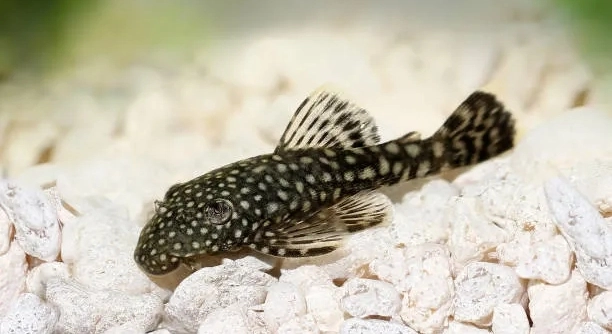
Do you ever notice your pleco acting differently in its tank, moving less or hiding more than usual? Observing changes in behavior and appearance can help you understand your pet’s health and well-being early on.
Sick plecos often display physical and behavioral symptoms that indicate underlying health issues. Common signs include changes in appetite, unusual swimming patterns, discoloration, damaged fins, and mucus buildup. Early recognition of these signs allows for timely intervention and proper care.
Monitoring your pleco closely can prevent minor issues from becoming serious problems and ensure it remains healthy and active in its aquatic environment.
Loss of Appetite
Sometimes plecos stop eating as much, and it can be worrying to watch. A healthy pleco usually has a steady interest in food, grazing on algae or sinking pellets throughout the day. When they suddenly eat less, it can indicate stress, poor water quality, or an internal illness. Observing your tank conditions, recent changes, or signs of disease on your pleco’s body is important. Temperature fluctuations, overcrowding, or sudden changes in diet can also affect feeding habits. Some plecos may hide more when they feel unwell, making it easy to miss the reduction in appetite. Tracking what, when, and how much your pleco eats helps identify early warning signs. Adjusting feeding schedules or checking water parameters can restore interest in food. Providing fresh vegetables or algae wafers may also encourage eating. Patience and careful observation are key to understanding why your pleco is refusing food and ensuring it recovers properly.
A lack of appetite in plecos is often an early indicator of illness or environmental stressors that need attention quickly.
Addressing appetite loss requires checking water quality, temperature, and diet. Poor water conditions, sudden temperature changes, or an unbalanced diet can all contribute. Some illnesses cause internal discomfort, making eating painful. Offering favorite foods, like zucchini or cucumber slices, can sometimes encourage feeding. Regular monitoring ensures you notice subtle changes before they become severe.
Unusual Swimming Patterns
Plecos normally glide along the tank bottom or cling to surfaces. Erratic swimming or floating near the surface can be a sign of illness or stress.
Changes in swimming often indicate oxygen issues, swim bladder problems, or infections. Monitoring movement patterns helps detect issues early.
Observing your pleco’s movement closely can reveal subtle health problems. Floating near the surface may indicate low oxygen levels or gill issues. Sudden darting or spinning can be signs of parasites or internal discomfort. Tank layout also matters—rocks, plants, and decorations should allow free movement. Stress from tank mates or overcrowding can alter swimming behavior. Consistent observation helps differentiate between harmless variations and genuine health concerns. If patterns persist, checking water parameters, consulting care guides, or seeking advice from an aquatic veterinarian can ensure timely action. Adjusting diet, water quality, and tank setup often restores normal swimming behavior.
Discoloration
Changes in your pleco’s color can signal illness, stress, or poor water conditions. Dull, faded, or blotchy skin is a common warning that something is affecting its health.
Discoloration often results from water quality issues, infections, or injuries. Plecos normally have consistent, vibrant patterns, so any change is worth noting. Poor lighting or sudden shifts in water parameters can stress the fish, causing temporary color loss. Fungal or bacterial infections may create spots or patches. Observing the environment and checking for sharp decorations, aggressive tank mates, or contaminated substrate can help identify causes. Diet can also influence coloration; plecos need nutrients to maintain healthy skin. Offering fresh vegetables and balanced pellets may improve their appearance. Immediate attention can prevent minor changes from developing into serious health problems. Regular monitoring of both water and the fish’s appearance is key to catching issues early.
Persistent color changes should be evaluated carefully, considering diet, water quality, and possible infections. Correcting conditions often restores natural coloration.
Treating discoloration involves adjusting water parameters, improving diet, and removing stressors. Some cases may require medication for bacterial or fungal infections. Keeping a consistent cleaning schedule and testing water regularly reduces the risk of recurring problems. Observing for additional symptoms such as fin damage or lethargy helps determine severity. Recovery can take days to weeks, depending on the cause.
Damaged Fins
Torn, frayed, or disintegrating fins indicate possible infection, aggression, or poor water quality. Prompt attention can prevent worsening damage and secondary infections.
Damaged fins often result from fights, sharp objects in the tank, or bacterial and fungal infections. Plecos rubbing against rough surfaces or being chased by other fish can tear fins. Poor water conditions weaken tissue, making it prone to splitting. Treating the environment and isolating injured fish may be necessary. Adding aquarium salt or medicated treatments can support healing. Proper nutrition, stress reduction, and clean water improve fin regeneration. Observing how the pleco uses its fins helps track recovery progress. Avoiding overcrowding and sharp decorations prevents future injuries. Regular water checks and gentle handling reduce ongoing risk.
Healed fins may look slightly different but should regain strength and function. Monitoring for new tears ensures continued health. Adjusting tank setup and observing interactions reduces future damage.
Mucus Buildup
Excessive mucus on your pleco’s body or fins can indicate stress, poor water conditions, or a bacterial infection. Healthy plecos produce some mucus, but thick layers or unusual patches are a warning sign.
Mucus buildup often develops when water is dirty or when the fish is battling an infection. Observing the texture and location of the mucus can help identify the issue. Regular water changes, proper filtration, and gentle cleaning of decorations reduce stress and prevent buildup. Infections may require medicated treatments or isolation. Providing a balanced diet and minimizing disturbances in the tank helps your pleco maintain healthy skin and avoid excessive mucus accumulation.
Lethargy
Lethargic plecos spend more time resting than usual and show little interest in activity or feeding. Persistent inactivity signals underlying health or environmental issues.
Lethargy can stem from poor water quality, low oxygen, or internal illness. Even minor changes in temperature or tank conditions can impact activity levels. Observing patterns over several days helps identify real concerns versus normal resting behavior. Correcting water parameters, improving diet, and ensuring adequate oxygen levels often restore energy. Isolation may be necessary if disease is suspected. Monitoring interactions with tank mates can also reveal stress factors contributing to lethargy. Early attention prevents minor lethargy from escalating into serious health problems.
Rapid Gill Movement
Rapid or heavy gill movement often indicates oxygen stress or gill irritation. It can result from low oxygen, high ammonia, or infections affecting breathing.
Unusual Spots or Lesions
Small white, red, or black spots, sores, or lesions on your pleco’s body often indicate infection or parasitic activity. Detecting them early allows treatment before the condition worsens.
How can I tell if my pleco is sick?
Observing behavior, appearance, and eating habits is key. Common signs of illness include loss of appetite, discoloration, damaged fins, excessive mucus, unusual swimming patterns, lethargy, and rapid gill movement. Regularly checking water parameters, tank cleanliness, and interactions with other fish also helps detect early problems.
What should I do if my pleco shows signs of illness?
Start by testing water quality for ammonia, nitrite, nitrate, and pH levels. Clean the tank and remove uneaten food or debris. Isolate the affected pleco if necessary to prevent stress or disease spread. Adjust water temperature and oxygen levels to meet species-specific needs. Observe closely and consider consulting an aquatic veterinarian if symptoms persist.
Can diet affect my pleco’s health?
Yes, diet is very important. Plecos require a mix of algae, vegetables, and protein-rich foods. Poor nutrition can weaken the immune system and cause discoloration or fin damage. Providing fresh vegetables like zucchini or cucumber, along with algae wafers or pellets, helps maintain strong health and natural coloration.
How do water conditions influence pleco health?
Water quality is one of the most important factors for plecos. Dirty water or high ammonia and nitrite levels can lead to mucus buildup, lethargy, and fin rot. Proper filtration, regular water changes, and monitoring of pH, temperature, and oxygen levels are necessary to prevent disease and maintain a healthy environment.
Why is my pleco hiding more than usual?
Hiding can be a response to stress, illness, or tank changes. Aggressive tank mates, sudden changes in water conditions, or discomfort from injury can make a pleco seek shelter. While hiding occasionally is normal, prolonged hiding combined with other symptoms often indicates a health issue that requires attention.
Are rapid gill movements a serious concern?
Rapid or labored gill movement usually signals oxygen stress, gill irritation, or infection. Check oxygen levels, water flow, and temperature. Poor water quality or parasites may also be the cause. Promptly correcting environmental issues and isolating the pleco if necessary can prevent more serious respiratory problems.
How long does it take for a pleco to recover?
Recovery time varies depending on the cause and severity of the illness. Minor stress or water-related issues may resolve in a few days with proper care. Bacterial or fungal infections might require one to two weeks or longer, with treatment and improved tank conditions. Patience and careful monitoring are essential.
Should I medicate my pleco?
Medication is only necessary if water quality improvements and diet adjustments do not resolve the symptoms. Bacterial, fungal, or parasitic infections may require specific treatments. Always follow dosage instructions carefully and consider isolating the pleco during treatment to prevent stress or contamination of the main tank.
Can plecos recover from fin rot or damaged fins?
Yes, with proper care, damaged fins can heal. Ensuring clean water, reducing stress, and providing adequate nutrition encourages fin regeneration. In some cases, medicated treatments or aquarium salt may speed recovery. Avoid overcrowding or sharp decorations to prevent repeated damage.
How often should I monitor my pleco for health issues?
Daily observation is recommended to notice subtle changes early. Check for changes in appetite, behavior, appearance, and swimming patterns. Regular water testing and tank maintenance help prevent illness. Catching problems early increases the chances of a full recovery and keeps your pleco healthy long-term.
Can stress cause illness in plecos?
Yes, stress weakens the immune system and makes plecos more susceptible to disease. Overcrowding, aggressive tank mates, sudden environmental changes, or poor water quality can all cause stress. Reducing these stressors improves overall health and prevents minor issues from becoming serious illnesses.
What preventive measures keep plecos healthy?
Maintain clean water with stable parameters, provide a balanced diet, monitor tank mates, and offer hiding spaces. Regular observation helps detect early signs of illness. Avoid overcrowding, sudden temperature changes, and sharp decorations. Consistent care ensures your pleco remains active, vibrant, and healthy for years.
How do I know if my pleco needs a veterinarian?
If symptoms persist despite proper water conditions, diet, and stress reduction, or if multiple signs appear together, consulting an aquatic veterinarian is recommended. Severe fin rot, persistent lethargy, discoloration, or breathing difficulties are signs that professional care may be necessary.
What role does tank setup play in pleco health?
Tank setup directly affects a pleco’s well-being. Smooth surfaces, adequate hiding spots, and sufficient space reduce stress and injury. Proper filtration, lighting, and water flow support natural behaviors. A well-designed environment lowers the risk of disease and promotes overall health, encouraging active feeding and swimming patterns.
Can plecos transmit illness to other fish?
Some infections, parasites, or bacterial conditions can spread to other fish. Isolating sick plecos and treating them promptly reduces the risk. Maintaining good water quality and a clean tank also prevents cross-contamination, keeping all fish in the aquarium healthier.
Is it normal for plecos to sometimes look unhealthy?
Temporary changes in color, appetite, or activity may happen due to minor stress or environmental adjustments. Persistent symptoms, however, usually indicate health problems. Monitoring trends over days rather than hours helps distinguish normal fluctuations from illness requiring intervention.
How important is quarantine for new plecos?
Quarantine prevents the introduction of disease into the main tank. New plecos should be observed for several weeks in a separate tank to monitor for signs of illness. This step protects existing fish and allows early treatment of any health issues before they spread.
How can I support my pleco’s immune system?
A balanced diet, stable water conditions, and minimal stress are crucial. Offering fresh vegetables, quality pellets, and occasional protein treats boosts immunity. Regular cleaning, adequate hiding spots, and consistent observation reduce stress and make it easier for the pleco to resist infections.
What are the most common mistakes leading to pleco sickness?
Poor water quality, inconsistent feeding, overcrowding, aggressive tank mates, and sudden environmental changes are major contributors. Neglecting regular observation or ignoring early warning signs allows minor issues to escalate into serious illness, making prevention and vigilance essential.
How quickly should I act when signs appear?
Immediate action increases recovery chances. Testing water, cleaning the tank, adjusting diet, and isolating affected fish can prevent minor problems from worsening. Delaying intervention often leads to more severe illness, longer recovery, and potential loss of the pleco.
What is the best way to maintain long-term pleco health?
Consistent care, including clean water, a balanced diet, regular observation, and stress reduction, is key. Proper tank setup and timely treatment of minor issues prevent serious illness. Maintaining these routines ensures a strong, healthy, and active pleco for years.
This FAQ section covers the most common concerns and practical steps for keeping plecos healthy, helping you respond quickly to any signs of illness.
Caring for a pleco requires attention to both its environment and daily habits. These fish are generally hardy, but subtle changes in behavior, appearance, or appetite often indicate health issues. Observing your pleco closely and regularly can make a significant difference in maintaining its well-being. Simple steps, such as monitoring water quality, checking temperature, and providing a balanced diet, create a stable environment that reduces stress. Stress and poor conditions can lead to problems like fin rot, discoloration, or lethargy, which are easier to prevent than to treat. Taking time to notice small signs early helps prevent minor problems from turning into serious illnesses. Even minor adjustments in tank setup, such as providing hiding spots or removing sharp decorations, can improve the fish’s comfort and overall health.
Understanding the most common health issues plecos face allows you to act quickly when something seems off. Problems like loss of appetite, unusual swimming patterns, or rapid gill movement often indicate underlying issues. Prompt action, including water testing, cleaning, and isolation if necessary, supports recovery and reduces the risk of infections spreading. Nutrition is also a critical factor. Offering fresh vegetables, algae wafers, and protein-rich foods ensures the pleco receives the vitamins and minerals it needs to stay strong. Poor nutrition weakens the immune system and makes the fish more vulnerable to disease. Regular observation combined with a carefully managed diet and tank environment creates a routine that promotes long-term health.
Consistency and patience are essential for pleco care. Recovery from illness may take days or even weeks, depending on the severity and cause of the problem. Maintaining clean water, monitoring interactions with other tank mates, and adjusting diet and tank setup when necessary all contribute to a healthier, happier pleco. Avoiding sudden changes in water parameters or overcrowding helps prevent stress, which is often a major factor in illness. Paying attention to details like color, fin condition, and activity levels allows you to identify issues early. By keeping these practices consistent, you support the pleco’s natural behaviors and ensure a stable, safe environment. Over time, careful observation, proper diet, and good tank management build a strong foundation for a thriving pleco, allowing it to live a long, active life with minimal health problems.

Hello,
If you enjoy the content that we create, please consider saying a "Thank You!" by leaving a tip.
Every little bit helps us continue crafting quality advice that supports the health, happiness, and well-being of pets around the world, for pets of all shapes, sizes, and species.
We really appreciate the kindness and support that you show us!