
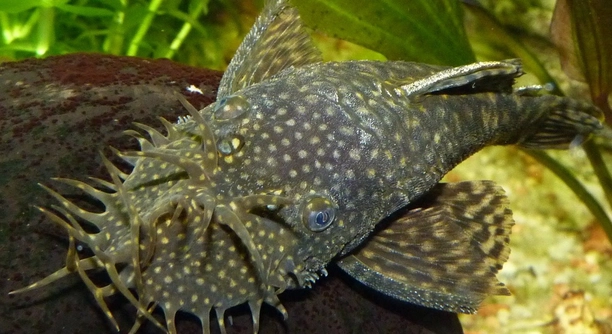
Many aquarium hobbyists enjoy keeping plecos because they help keep tanks clean and have calm personalities. Learning how they behave when living with another male matters for anyone planning a peaceful and healthy aquarium environment.
Housing two male plecos together is generally not recommended because they are territorial fish. Male plecos often compete for hiding spots and dominance, which can lead to stress, aggression, injuries, and long-term health issues within the aquarium environment setting responsibly.
There is more to know about tank size, hiding spots, and behavior to help create the safest setup possible environment.
Why Male Plecos Struggle to Live Together
Male plecos naturally defend their space, even in a large tank. They like securing hiding spots and surfaces to graze on. When two males share limited territory, tension begins quickly. You may notice chasing, flaring fins, and one fish constantly hiding. Over time, this stress can weaken their immune systems, make them stop eating, or cause visible injuries. Even peaceful plecos can turn aggressive if they feel their space is being invaded. While some aquarists hope their tank is big enough to avoid issues, male plecos have strong instincts that often take over. They are not trying to be difficult fish; they simply behave this way in nature, where they compete to claim the best spots. Remembering this behavior helps make better choices for your tank and keeps both fish healthy and calm.
A tank can feel peaceful at first, but this calm often changes once both males fully grow and settle into the space.
Beyond aggression, stress can lead to long-term harm. When fish constantly feel threatened, their colors may fade, they stop feeding as well, and infections become more likely. Even if you do not see fighting every moment, silent stress still harms them. Watching tank behavior for subtle signs is important. A male pleco hiding more than usual, eating poorly, or breathing heavily can mean it feels unsafe. It can be surprising how quickly peace turns into tension once both males decide who owns the territory. Keeping their natural behavior in mind helps avoid pairing two males and prevents unnecessary stress for both the fish and you as the keeper.
Signs Male Plecos Are Not Getting Along
Male plecos reveal tension through subtle and obvious behaviors. Chasing, fin flaring, hiding, and guarding caves show they are uncomfortable. If one pleco looks thinner or stays tucked away for long periods, competition is happening.
If your male plecos are showing territorial behavior, it will likely get worse, not better. They may seem calm when young, but aggression usually grows as they mature. Even with hiding spaces, powerful instincts push them to control territory. You might see biting or scraped bodies if the situation escalates. Removing one pleco before serious injury appears is better than hoping they adapt. Remember that stress does not always look dramatic; one pleco constantly avoiding the other is already a warning. Keeping male plecos separate prevents a tank full of tension and injured fish, and creates a more peaceful environment where each pleco can thrive without constant pressure.
Tank Setup Tips to Reduce Conflict
Large tanks reduce territorial fights, giving each pleco space to settle without constant pressure. Provide separate hiding spots, driftwood, and caves so neither fish has to compete for the same area, especially once they grow and become more confident.
Creating distance between males matters. Aim for wide spacing between caves and décor to avoid them claiming neighboring zones. Use thick plants or hardscape to break line of sight so they cannot constantly see one another. Plecos feel more secure when they can hide in shadowed spots or under wood. Smooth rocks, flat surfaces, and driftwood also support natural grazing, reducing tension created by food competition. Filters that keep water clean and oxygen levels high help lower stress. While these steps reduce conflict, they do not guarantee peace, especially as males mature and strengthen territorial habits found in nature.
Even when territorial behavior appears mild, the tank still needs routine care to support calm behavior. Weekly partial water changes keep water quality high, which helps fish handle stress better. Make sure to remove leftover food and monitor ammonia and nitrate levels. Feeding vegetables and high-quality sinking foods in separate areas also lowers food guarding. Watch body language during feeds; if one pleco chases the other from food consistently, tension is rising. Good lighting balance matters too. Too much light can make fish hide excessively, while dim lighting encourages natural foraging. Keeping the environment balanced improves overall comfort, lowering the chances of aggressive behavior between males.
Alternatives to Housing Two Males Together
Keeping one male pleco per tank is the safest option if you want consistent peace. Adding a female instead of another male reduces aggression, but they still need proper space, hiding spots, and water conditions to live comfortably and avoid stress.
If your heart is set on multiple plecos, choosing smaller, less territorial species can help. Bristlenose plecos, for example, tend to be easier to pair than larger types like common or sailfin plecos. Still, even smaller species require enough space to avoid constant encounters. For heavily territorial varieties, consider using separate tanks or dividers instead of forcing two males to live side by side. It may feel like extra work, but you protect both fish from stress and injuries. Prioritizing comfort and safety means you enjoy healthier fish and a calmer tank rather than constantly worrying about hidden aggression or unexpected fights.
Feeding Strategies to Minimize Tension
Offer food in different areas so males do not compete in one spot. Sinking wafers, algae pellets, and fresh vegetables placed apart create space and reduce chasing. A consistent feeding schedule also helps keep behavior calm and predictable.
Plecos graze throughout the day, so providing wood and algae surfaces helps maintain natural feeding habits. Supplement their diet with blanched vegetables and sinking foods at night when they are most active. This keeps both males occupied and reduces food guarding.
Choosing the Right Species for Compatibility
Some plecos are naturally more territorial than others. Bristlenose plecos usually tolerate tankmates better than large species like common plecos. Even then, providing enough room, hiding places, and good water quality remains essential. Choosing calm species makes peaceful tank life far more likely than forcing aggressive varieties together.
When Separation Becomes Necessary
Remove one pleco if aggression continues despite efforts. Injuries, weight loss, or constant hiding mean the setup is not safe. Moving one fish protects both and keeps the tank stable.
FAQ
Can two male plecos ever live together peacefully?
Two male plecos may tolerate each other in rare cases, but it is not reliable or predictable. Peace typically only happens in very large tanks with abundant hiding spots, driftwood, plants, and caves. Even then, the calm can change once both fully mature. Male plecos follow instinct, and territory matters to them. A tank that seems peaceful for months can suddenly shift into aggression as they grow or become more confident. If you choose to attempt housing two males, watch for chasing, fin flaring, and one pleco hiding more. These are early signs the pairing is not working. While some keepers succeed, most find that separating males protects both fish and keeps the tank calmer.
What size tank is recommended if I still want to try housing two males?
A tank of at least 90–125 gallons is recommended for two male plecos, depending on species. Larger species like common plecos require even more space. The tank should include multiple caves, heavy décor, driftwood, and plants to break line of sight. If the tank feels crowded, conflict rises fast. A large tank supports natural grazing behavior and allows each male to claim separate territory. Keep in mind that space alone cannot guarantee success. Instinct often overrides tank size, especially once the plecos reach full adult size and compete for dominance.
Will adding more hiding spots stop aggression?
Extra hiding spots help, but they do not erase territorial behavior in male plecos. They reduce constant chasing, but males still choose preferred caves and defend them. The goal is not to eliminate instinct but to reduce stress from constant contact. Use separate caves, wood pieces, and plants spread far apart so neither male claims the entire tank. Even with ideal hiding structures, housing two males carries risk. Hiding spots work best as support, not a full solution.
What signs show plecos are fighting?
Early signs include chasing, tail slapping, fin flaring, and one fish staying in the shadows. More serious signs include damaged fins, scraped bodies, weight loss, and refusal to eat. If one pleco always hides while the other roams confidently, stress is already affecting health. Plecos often fight at night, so daytime peace does not mean harmony. Checking the fish during feeding times and using a dim night-light occasionally helps you observe evening behavior. When aggression reaches injury level, separation is necessary.
Can two female plecos live together?
Female plecos are usually more tolerant of each other than males, but they still need room and hiding spots. Females defend territory less aggressively, making this pairing more successful. Still, avoid cramming multiple fish into small tanks. A peaceful female setup still relies on proper tank size, décor, and consistent maintenance. Watching body language remains important. Even female fish show stress when crowded or lacking resources.
Is it better to keep one pleco instead of two?
Yes, keeping one pleco per tank is the safest and least stressful approach. A single pleco still offers algae control, interesting behavior, and a peaceful tank without risking fights. If you want multiple plecos, choose smaller species and ensure proper space. Single housing often leads to healthier fish and fewer worries about silent stress, hidden wounds, or surprise aggression.
What should I do if my two male plecos start fighting?
Separate them as soon as aggression becomes consistent. Use a second tank or rehome one pleco. Waiting for behavior to improve rarely works, especially once dominance patterns form. Injuries happen fast, and stress builds quietly. By separating early, you protect your fish from long-term harm and create a calmer tank environment for everyone.
Final Thoughts
Keeping two male plecos in the same aquarium often sounds appealing, especially when you already enjoy watching one and imagine how interesting it might feel to have another. However, their natural territorial behavior makes this setup difficult to maintain. Even experienced keepers with large tanks face challenges when males begin to mature and claim space. While it may seem manageable in the early months, aggression usually increases as the fish grow and feel more secure in the environment. A peaceful start does not guarantee a peaceful future. Choosing a setup that protects your fish from stress and injury is not only better for the tank but also easier for you. It removes constant worry about behavior changes, feeding competition, or surprise injuries. Keeping a single male pleco per tank is a safer path that still gives you a healthy, active fish to enjoy without constant monitoring or separation plans ready in case things go wrong.
For anyone still considering two male plecos, understanding their needs deeply matters. These fish thrive in calm, stable environments with predictable routines, clean water, and plenty of space. Their instincts to defend territory are not negative traits; they are simply part of who they are. Respecting those instincts helps ensure their long-term health and comfort. Tanks with many hiding places, driftwood, live plants, and separate feeding zones can reduce stress, but they rarely erase it entirely when males share the same space. Thinking ahead saves you from difficult decisions later, such as rehoming a fish or rushing to set up a second tank during a stressful moment. A thoughtful setup is always easier than trying to correct an unstable one. Positive planning leads to happy fish and a tank you feel confident managing. When you consider how delicate aquarium balance can be, it becomes clear that taking a cautious approach is not being overly careful; it is simply responsible fishkeeping.
If your goal is to enjoy multiple plecos, there are safer options than placing two males together. Keeping one male with females or selecting smaller, less territorial species like bristlenose plecos can help maintain harmony. Providing adequate space remains important, but the stress level and risk are lower compared to two males living side by side. Many people find that one pleco brings plenty of activity, personality, and tank benefits on its own, especially when given the right environment. A well-kept pleco is enjoyable to watch, grows with time, and becomes part of the tank’s peaceful flow. With a thoughtful approach, you can support your fish’s natural behaviors instead of challenging them. A calm aquarium is more enjoyable, and your fish will show their best colors, movement, and health when they are kept in conditions that respect their natural instincts.

Hello,
If you enjoy the content that we create, please consider saying a "Thank You!" by leaving a tip.
Every little bit helps us continue crafting quality advice that supports the health, happiness, and well-being of pets around the world, for pets of all shapes, sizes, and species.
We really appreciate the kindness and support that you show us!