
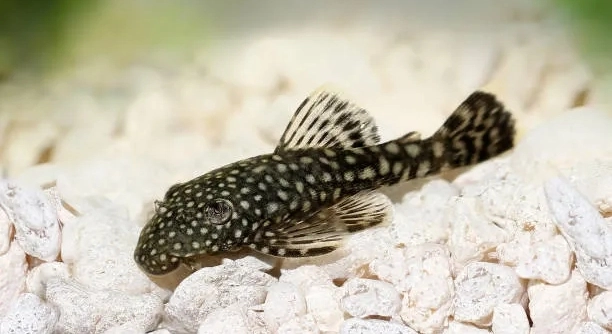
Have you ever noticed your pleco acting differently in its tank, moving slower than usual, or avoiding its usual hiding spots? Observing small changes in behavior can often hint at underlying issues with its diet.
Malnourishment in plecos is often indicated by weight loss, stunted growth, faded coloration, weakened fins, and reduced activity levels. Consistently poor nutrition prevents proper development and compromises overall health, making early detection crucial for timely intervention and care.
Recognizing these signs early allows you to take corrective measures to improve your pleco’s health and maintain a balanced, thriving aquarium environment.
Visible Weight Loss
When a pleco begins to lose weight noticeably, it can be a clear sign of malnutrition. Healthy plecos have a thick, robust body with strong muscle tone, while malnourished ones often appear thinner, with a sunken belly and less overall mass. Weight loss can happen gradually, making it easy to overlook. Regular observation and comparison to previous photographs or tankmates can help you notice subtle changes. Poor diet, lack of variety, or inadequate feeding frequency are often linked to this condition. Ensuring a diet rich in vegetables, algae wafers, and occasional protein sources supports healthy growth. It’s important to maintain consistent feeding schedules and monitor portions to prevent overeating or underfeeding. Additionally, stress from overcrowding or water quality issues can contribute to weight loss. Identifying the problem early can prevent further health complications and improve your pleco’s longevity. Maintaining a balance in nutrition and environment is key for vibrant, active fish.
Monitoring your pleco’s body shape weekly can help catch weight loss before it worsens. Visual checks are simple but effective.
Early intervention often restores healthy body mass. Adjusting diet and feeding frequency can quickly reverse weight loss and improve energy levels.
Faded Coloration
Faded or dull coloration is a common sign that your pleco may not be receiving proper nutrition. A healthy pleco typically has vibrant markings and consistent pigmentation, which reflects its overall well-being. Poor diet lacking essential nutrients like carotenoids and vitamins can lead to color loss. Additionally, stress and poor water quality can exacerbate fading. When plecos are undernourished, their energy is diverted from pigmentation toward vital functions, causing noticeable dullness. Ensuring a balanced diet with fresh vegetables, algae, and high-quality prepared foods supports natural coloration and overall health. Feeding varied foods ensures that your pleco receives enough nutrients to maintain its brightness. Regular observation of color intensity compared to previous tank conditions can help detect early changes, allowing timely dietary adjustments. Faded coloration is not only an aesthetic concern but also a sign that the fish’s nutritional needs are not fully met, indicating that careful attention to feeding practices is necessary.
Varying the diet with nutrient-rich foods can restore your pleco’s natural colors over time.
Color recovery may take several weeks, but consistent feeding and quality water conditions lead to noticeable improvement, enhancing vitality and overall health.
Reduced Activity
A noticeable drop in activity can indicate malnutrition. Plecos that normally move around the tank may become lethargic, hiding more often and showing little interest in food. This behavior signals low energy and insufficient nutrient intake, which can impact overall health if left unaddressed.
Malnourished plecos often lose their curiosity and responsiveness. They may linger near the tank bottom, avoid exploring decorations, or fail to compete for food. Low activity reduces their ability to graze on algae, further worsening nutrient deficiencies. Environmental stress, such as poor water quality, can worsen lethargy, but diet is usually the primary factor. Observing movement patterns and comparing them to previous activity levels helps identify early warning signs. Providing a balanced diet with vegetables, algae wafers, and occasional protein can restore energy. Feeding small, frequent portions encourages consistent activity and helps maintain muscle tone.
Improving nutrition gradually can reverse inactivity. Consistent feeding and varied foods help plecos regain energy, swim more, and resume normal behaviors, supporting overall health and well-being.
Weak or Deteriorating Fins
Weak or fraying fins are a common effect of malnutrition. Poor dietary intake can weaken fin tissue, making it prone to tearing or rot. Proper nutrients like protein, vitamins, and minerals are essential for strong, healthy fins.
Fins may appear thin, ragged, or translucent when plecos lack essential nutrients. Damage can occur gradually, and small tears may go unnoticed until they worsen. Maintaining water quality is important, but diet plays the largest role in tissue repair and strength. Feeding a mix of algae-based foods, leafy greens, and occasional protein supports regeneration and overall fin health. Healthy fins allow plecos to swim efficiently and avoid secondary infections. Regular observation of fin condition helps detect problems early, preventing long-term damage and promoting recovery. Nutrient-rich foods can improve fin structure, restore rigidity, and reduce susceptibility to disease over time.
Loss of Appetite
A sudden decline in appetite is often a sign of malnutrition. Plecos that normally graze on algae or accept prepared foods may start ignoring meals, leading to further nutrient deficiencies. Monitoring feeding habits is crucial to catch this early.
Gradually introducing a variety of foods can stimulate appetite. Leafy vegetables, algae wafers, and occasional protein sources encourage eating and support recovery.
Stunted Growth
Inadequate nutrition directly affects growth rates. Young plecos may fail to reach expected sizes, appearing smaller than tankmates of the same age. Growth is closely linked to protein and vitamin intake, making a balanced diet essential.
Stunted growth can also result from chronic underfeeding or competition for food. Observing tankmates and adjusting portions ensures each pleco receives adequate nutrition. A consistent diet rich in vegetables, algae, and occasional protein helps support normal development. Regular monitoring of size and body condition allows for timely dietary adjustments to prevent permanent stunting and maintain long-term health.
Hollow or Sunken Belly
A sunken belly often indicates prolonged malnutrition. Plecos with insufficient food intake may develop a hollow abdomen, reflecting muscle and fat loss over time.
FAQ
How can I tell if my pleco is malnourished?
Signs of malnutrition in plecos include visible weight loss, faded coloration, reduced activity, weak or fraying fins, stunted growth, loss of appetite, and a sunken belly. Observing these changes over time and comparing your pleco to previous photos or other tankmates can help confirm nutritional issues.
What foods should I feed my pleco to prevent malnutrition?
A balanced diet is key. Plecos thrive on vegetables like zucchini, cucumber, spinach, and lettuce. Algae wafers provide essential nutrients, and occasional protein sources like shrimp pellets or bloodworms support growth. Offering a variety of foods ensures all dietary needs are met.
How often should I feed my pleco?
Adult plecos typically benefit from feeding once per day, while juveniles may require smaller, more frequent meals. Observing eating patterns and adjusting portions prevents overfeeding or underfeeding. Uneaten food should be removed to maintain water quality.
Can malnutrition cause disease in plecos?
Yes. A weakened pleco is more susceptible to infections, fin rot, and other illnesses. Malnutrition reduces the immune system’s efficiency, making it harder for the fish to fight off bacteria or parasites. Maintaining proper nutrition helps prevent these secondary problems.
Will a malnourished pleco recover?
With prompt dietary improvements, most plecos recover. Gradually reintroducing nutrient-rich foods helps restore body mass, coloration, fin health, and energy levels. Recovery can take weeks, so consistent feeding and water maintenance are crucial. Patience and observation are key to ensuring a full return to health.
How can I encourage a picky pleco to eat?
Try offering a variety of foods, including fresh vegetables, algae wafers, and protein-rich treats. Placing food near their usual hiding spots or slightly moving it in the tank can attract attention. Reducing competition from other fish can also improve intake.
Is water quality linked to malnutrition?
Indirectly. Poor water conditions can stress plecos, reducing appetite and nutrient absorption. Ensuring proper filtration, regular water changes, and stable parameters supports feeding behavior and overall health. Clean water also minimizes disease risk while dietary adjustments take effect.
Should I supplement vitamins for my pleco?
If the diet is balanced and varied, supplementation is usually unnecessary. However, in cases of severe malnutrition or limited diet options, vitamin supplements designed for fish can support recovery. Always follow product instructions to avoid overdosing.
How long does it take to see improvement after dietary changes?
Visible changes like increased activity or regained appetite can appear within days, while improvements in weight, coloration, and fin strength may take several weeks. Consistency in feeding and monitoring water quality ensures sustainable recovery.
Can malnutrition happen even if I feed my pleco daily?
Yes. Feeding alone isn’t enough; variety and nutrient content matter. Relying only on one type of food, like algae wafers, may leave gaps in essential vitamins and minerals. A balanced mix of vegetables, algae, and protein prevents deficiencies and supports healthy growth.
What are the long-term effects of malnutrition in plecos?
Prolonged malnutrition can lead to stunted growth, weak immune systems, chronic lethargy, and reduced lifespan. Early recognition and dietary intervention can reverse most effects, but severe or long-term neglect may cause irreversible damage. Regular observation and proactive feeding practices are essential.
Can other tankmates affect my pleco’s nutrition?
Yes. Aggressive or fast-eating fish can outcompete plecos for food, leading to inadequate intake. Observing feeding times and separating plecos if needed ensures they get their full share of nutrients without stress or competition.
Is it necessary to adjust diet as my pleco grows?
Absolutely. Juveniles need higher protein for growth, while adults require balanced nutrition to maintain health. Gradually shifting the diet as the pleco matures supports proper development and prevents future deficiencies.
Are frozen or dried foods safe for plecos?
Yes, frozen or dried foods like shrimp, bloodworms, or spirulina can supplement the diet. They provide nutrients that fresh vegetables alone might not, supporting growth, energy, and coloration. Rotate these with fresh foods for a well-rounded diet.
How do I monitor if dietary changes are effective?
Observe activity levels, body shape, coloration, fin condition, and appetite. Gradual improvement in these areas indicates that the dietary adjustments are working. Keeping notes or photos can help track progress and identify if further changes are necessary.
This FAQ covers the most important questions about pleco nutrition and malnourishment, providing practical guidance to help ensure your pleco remains healthy, active, and vibrant in its environment.
Final Thoughts
Caring for a pleco involves more than just keeping the tank clean and feeding it daily. Proper nutrition is essential for maintaining its health, activity, and coloration. Malnutrition can develop gradually, often without obvious signs at first, so regular observation is key. Watching for changes in weight, activity, appetite, and body condition allows you to intervene before serious problems develop. Plecos are resilient fish, but their wellbeing relies on a balanced diet and stable tank conditions. Ensuring they have access to a variety of foods helps prevent deficiencies and supports healthy growth over time. Feeding leafy vegetables, algae wafers, and occasional protein sources provides the nutrients they need to thrive. Consistency and attention to portion sizes also play an important role in preventing both overfeeding and underfeeding.
When a pleco shows signs of malnutrition, the changes can often be reversed if addressed early. Gradually improving their diet, providing nutrient-rich foods, and monitoring their response is an effective approach. Weight may return, fins can strengthen, coloration may brighten, and energy levels often improve with proper care. It is also important to maintain clean water and stable environmental conditions, as poor water quality can stress the fish and reduce its ability to absorb nutrients. Observing how the fish interacts with its environment, how it grazes on algae, and whether it resumes normal activity can provide clear indicators of improvement. Even small adjustments, like adding fresh vegetables or adjusting feeding schedules, can make a noticeable difference over time. Recovery requires patience and consistency, but plecos respond well when their nutritional and environmental needs are met.
Long-term health depends on creating a supportive habitat and maintaining good feeding practices. Regularly checking tankmates for competition, ensuring proper water filtration, and offering a varied diet contribute to the fish’s overall wellbeing. Stunted growth, dull coloration, or weak fins are preventable with attention to diet and habitat. Keeping records or photos of the pleco’s size, body condition, and coloration can help track progress and identify potential issues early. Plecos may not show obvious distress immediately, but subtle changes can indicate a need for adjustment. By staying observant and proactive, you can prevent malnutrition and support a thriving, active pleco in your aquarium. Consistent care and proper nutrition will not only improve the fish’s physical health but also enhance its natural behaviors and lifespan, ensuring that it remains a vibrant and lively member of your tank.

Hello,
If you enjoy the content that we create, please consider saying a "Thank You!" by leaving a tip.
Every little bit helps us continue crafting quality advice that supports the health, happiness, and well-being of pets around the world, for pets of all shapes, sizes, and species.
We really appreciate the kindness and support that you show us!