
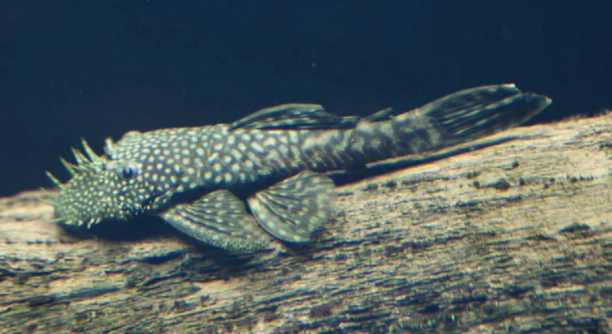
Do plecos are popular freshwater fish known for their algae-eating habits and unique appearance. Many aquarists keep them to help control algae growth, but their specific dietary needs often raise concerns. Understanding their feeding requirements ensures healthy, thriving fish.
Plecos do not require daily access to algae for survival. While algae is a natural food source, a well-balanced diet including vegetables, algae wafers, and protein supplements provides adequate nutrition and supports their growth and overall health.
Knowing how to feed plecos properly goes beyond just offering algae. Maintaining a balanced approach ensures long-term well-being and a cleaner aquarium environment.
Why Algae Isn’t Enough
Algae is a natural food source for plecos, but it alone does not meet all their nutritional needs. In the wild, plecos eat a mix of algae, plant matter, and small invertebrates. Simply relying on algae in a tank may lead to deficiencies in protein, vitamins, and minerals, affecting their growth and health. Tank-grown algae may also be limited in quantity or variety, which can leave plecos undernourished if no other food is provided. Many aquarists notice that plecos may nibble at algae but still appear thin or less active. Supplementing with vegetables like zucchini, cucumber, or spinach ensures they receive fiber and essential nutrients. Algae wafers are formulated to include protein and vitamins that natural algae may lack. Feeding a combination of natural algae, vegetables, and commercial wafers creates a balanced diet that supports digestive health and overall vitality. Over time, this approach prevents common issues like stunted growth and lethargy.
Providing a mix of food types supports pleco health more effectively than algae alone.
By combining fresh vegetables with algae wafers and the occasional protein source, plecos receive a well-rounded diet. Rotating vegetables such as cucumber, zucchini, or peas provides fiber, vitamins, and minerals while maintaining variety. Algae wafers fill in gaps that tank algae cannot cover, ensuring proper growth. It is also important to observe eating habits and remove uneaten food to prevent water quality issues. For protein, blanched shrimp or occasional bloodworms can be offered sparingly. Maintaining clean water and a well-planted tank helps plecos feel secure, which encourages regular feeding. With these practices, plecos grow stronger, display natural behavior, and contribute to a cleaner tank without compromising their health.
Feeding Frequency and Observation
Plecos do not need daily algae, but their feeding schedule should be consistent to ensure nutrition.
A practical approach is to feed vegetables or wafers every other day while allowing them occasional natural algae grazing. Observe their activity and body condition, adjusting portions as needed. Tanks with sufficient algae may require fewer supplemental feedings, while new setups often need more frequent offerings. Keeping a feeding log can help track patterns and prevent overfeeding. Watching how plecos interact with both algae and supplements helps identify preferences and potential health concerns. Over time, you can fine-tune the schedule to match the fish’s growth and energy levels. A balanced, monitored feeding routine maintains fish health and supports aquarium cleanliness, reducing leftover food accumulation and minimizing water quality issues.
Signs Your Pleco Is Underfed
If a pleco is not receiving enough nutrients, changes in behavior and appearance become noticeable. They may become less active, lose weight, or show a dull coloration. Reduced grazing on algae and vegetables can also indicate a nutritional gap that needs attention.
Monitoring their growth and body shape is crucial. Underfed plecos often appear thin, with sunken bellies or visible spine outlines. Their fins may look frayed or less vibrant. Lack of sufficient nutrition can also make them more susceptible to disease and stress. Regularly checking for these signs allows adjustments in diet before serious health issues develop, ensuring your fish remains lively and healthy.
Observation of eating patterns helps identify underfeeding early. If plecos ignore available food or fail to grow at a normal rate, it is time to increase vegetables, algae wafers, or protein supplements. Adjusting portion sizes gradually prevents overfeeding while supporting consistent growth. A balanced diet tailored to their needs maintains energy, improves coloration, and encourages natural behaviors like grazing and exploring. Keeping an eye on both tank conditions and feeding response is key to long-term health.
Creating a Balanced Diet Plan
A consistent diet plan ensures plecos receive all necessary nutrients without relying solely on algae.
Start by rotating vegetables like zucchini, cucumber, spinach, and peas. Include algae wafers to provide protein, vitamins, and minerals that vegetables alone cannot supply. Occasionally offer blanched shrimp or bloodworms for additional protein. Adjust portion sizes according to tank size, number of plecos, and observed appetite. Removing uneaten food prevents water contamination and keeps the aquarium healthy. Documenting feeding routines helps track which foods are preferred and which are ignored, making it easier to fine-tune the diet.
Consistency in feeding times and variety in food sources strengthens immune systems and supports growth. Plecos thrive when their diet mimics natural habits, providing fiber from vegetables and protein from wafers or occasional animal-based foods. Observing how different foods are consumed allows for gradual adjustments, ensuring no nutrient is overlooked. Regular monitoring of body condition and activity levels confirms that dietary changes are effective. A well-planned feeding strategy reduces stress, maintains energy levels, and keeps plecos healthy while contributing to a clean, balanced aquarium environment.
Choosing the Right Vegetables
Not all vegetables are suitable for plecos. Soft options like zucchini, cucumber, and spinach are easy to digest and provide essential nutrients. Harder vegetables may need blanching to prevent digestive issues and ensure the fish can eat them comfortably.
Rotating vegetables keeps meals interesting and ensures a variety of vitamins and minerals. Offering small portions at a time helps prevent waste and maintains water quality. Monitoring which vegetables are consumed most allows for adjustments that match your pleco’s preferences. Consistency and variety together support healthy growth and activity levels.
Incorporating Protein Supplements
Protein is essential for pleco growth and overall health. Algae wafers often provide sufficient protein, but adding occasional animal-based foods like blanched shrimp or bloodworms ensures balanced nutrition. Feeding protein in moderation prevents overfeeding while supporting proper development and activity.
Monitoring Water Quality
Clean water directly impacts pleco health. Uneaten food or overfeeding can quickly degrade water quality, stressing fish and leading to illness. Regular water testing and maintenance protect both diet effectiveness and overall tank health.
FAQ
Do plecos need algae every day?
Plecos do not require daily access to algae. While they naturally graze on algae in the wild, their nutritional needs are broader. Offering a mix of vegetables, algae wafers, and occasional protein ensures they get all necessary vitamins and minerals without relying solely on algae.
What vegetables are best for plecos?
Soft, easy-to-digest vegetables like zucchini, cucumber, spinach, and peas are ideal. Harder vegetables can be blanched to make them safe to eat. Rotating vegetables provides variety and ensures plecos receive a balanced supply of nutrients for growth and overall health.
How often should I feed plecos?
Feeding every other day works well for most plecos. Offering vegetables or algae wafers consistently ensures they receive enough nutrition while preventing overfeeding. Observation of appetite and body condition can help adjust the feeding schedule to meet each fish’s needs.
Can plecos eat protein?
Yes, protein is important for growth and health. Algae wafers often supply sufficient protein, but occasional treats like blanched shrimp or bloodworms are beneficial. Protein should be offered sparingly to prevent overfeeding and maintain clean water conditions.
How can I tell if my pleco is underfed?
Signs include thin or sunken bellies, dull coloration, reduced activity, and decreased grazing on available food. Observing eating habits and monitoring body shape regularly helps detect underfeeding before it becomes a serious issue. Adjust diet as needed to restore proper nutrition.
Do plecos prefer certain foods over others?
Plecos often show preferences for softer vegetables and algae wafers over harder foods. Observing which foods are consistently eaten can guide dietary adjustments. Providing a variety ensures nutritional balance even if they favor certain items.
Should I remove uneaten food?
Yes, leftover food can degrade water quality quickly. Removing uneaten vegetables or wafers prevents ammonia spikes and keeps the tank healthy. Clean water supports digestion, reduces stress, and helps plecos maintain vibrant coloration and energy.
How important is water quality for feeding?
Water quality directly affects how well plecos digest food and absorb nutrients. Poor water conditions can lead to stress, illness, and reduced appetite. Regular water changes, filtration, and monitoring are essential for a healthy feeding routine and long-term fish health.
Can plecos survive on algae alone?
While plecos may eat algae, it does not provide all essential nutrients. Relying solely on algae can result in malnutrition, stunted growth, and health issues. Supplementing with vegetables and algae wafers ensures a balanced diet that supports vitality and longevity.
How do I balance algae and supplemental foods?
Let plecos graze on natural algae while offering vegetables and wafers as supplemental meals. Adjust quantities based on observation, ensuring they finish most of what is provided without leaving excess that harms water quality. A balanced approach prevents deficiencies and supports healthy development.
Are there risks with too much algae?
Yes, excessive algae can indicate overfeeding or poor tank maintenance. While plecos will consume it, relying on algae alone can lead to nutritional gaps. Controlled feeding and monitoring algae growth keep fish healthy and maintain a clean tank environment.
What is the best routine for feeding plecos?
Offer a mix of vegetables and algae wafers every other day, with occasional protein treats once or twice a week. Remove uneaten food promptly, monitor water quality, and observe the fish’s condition. Adjust portions and frequency as needed to support growth and energy.
How do I introduce new foods to plecos?
Introduce new vegetables or protein gradually. Offer small portions alongside familiar foods to encourage acceptance. Observing reactions helps identify preferences and tolerances, ensuring dietary changes do not stress the fish or compromise nutrition.
Can baby plecos eat the same foods as adults?
Juvenile plecos require more protein for growth, so algae wafers with higher protein content and finely chopped vegetables work best. Adults can handle larger portions and a wider variety of vegetables, but protein should still be offered occasionally to maintain health.
Is it okay if plecos ignore algae sometimes?
Yes, plecos may skip algae if they are getting sufficient nutrition from vegetables and wafers. Occasional disinterest is normal and not a cause for concern as long as they maintain healthy body condition and activity levels.
How do seasonal changes affect feeding?
Plecos may eat less during cooler months when metabolism slows. Adjust portions accordingly and continue providing a balanced diet. Monitoring activity and body condition ensures they remain healthy despite seasonal changes in appetite.
What’s the role of fiber in a pleco’s diet?
Fiber from vegetables aids digestion and prevents constipation. Including zucchini, cucumber, and peas ensures plecos have enough fiber to maintain proper digestive health and nutrient absorption.
Can overfeeding harm plecos?
Yes, overfeeding can lead to poor water quality, obesity, and digestive issues. Offering controlled portions and removing uneaten food helps prevent these problems while supporting a healthy feeding routine.
How do I know if a feeding routine is working?
Observe growth, activity levels, coloration, and appetite. If plecos are thriving, finishing food, and showing natural behavior, the routine is effective. Adjust as necessary based on observation and tank conditions to maintain health consistently.
What other tips support healthy feeding?
Maintain clean water, rotate food types, monitor fish behavior, and remove leftovers promptly. Combining these practices ensures plecos receive proper nutrition while reducing stress and maintaining a balanced, thriving aquarium environment.
This FAQ addresses common questions about pleco feeding, balancing algae, vegetables, and protein to maintain optimal health and growth. Monitoring behavior, water quality, and dietary intake ensures long-term vitality and a cleaner tank.
Final Thoughts
Plecos are fascinating fish with specific dietary needs that go beyond simply grazing on algae. While algae is a natural part of their diet, it cannot provide all the nutrients required for their health and growth. A balanced approach, combining vegetables, algae wafers, and occasional protein, ensures that plecos receive fiber, vitamins, and essential minerals. Vegetables such as zucchini, cucumber, spinach, and peas are easy to digest and provide important nutrients, while algae wafers offer protein and vitamins that natural algae may lack. Including occasional protein sources, like blanched shrimp or bloodworms, supports growth, energy, and overall well-being. Monitoring how plecos respond to these foods and adjusting portions as needed helps prevent underfeeding or overfeeding, both of which can negatively impact health. Observing activity levels, coloration, and body shape is key to ensuring that the diet meets their needs. A well-rounded feeding plan supports natural behavior, encourages grazing, and helps maintain a healthy, active fish.
Feeding routines should be consistent, but flexibility is important to account for seasonal changes, tank conditions, and individual preferences. Plecos may eat less during cooler months, and tank-grown algae may not always be sufficient. Offering vegetables and wafers every other day, with occasional protein treats, provides a practical schedule that supports proper nutrition without overloading the tank. Removing uneaten food promptly prevents water contamination and helps maintain clean, healthy conditions. Consistent water quality is equally important, as poor conditions can stress fish, reduce appetite, and impair digestion. Observing how plecos interact with both natural algae and supplemental foods allows you to fine-tune their diet, ensuring they receive enough nutrition while maintaining a safe and clean environment. Documenting feeding routines and monitoring tank conditions can make adjustments easier over time, supporting long-term health and a balanced ecosystem.
Providing plecos with a carefully planned diet benefits both the fish and the aquarium environment. Balanced nutrition leads to healthy growth, vibrant coloration, and active behavior. A thoughtful approach to feeding helps prevent common issues like stunted growth, lethargy, and digestive problems. It also reduces leftover food that can compromise water quality. By combining vegetables, algae wafers, and occasional protein while keeping the tank clean and observing behavior, you can ensure plecos remain healthy, energetic, and thriving. Understanding their dietary needs and responding appropriately strengthens their overall well-being and contributes to a more balanced, stable aquarium. Consistency, observation, and variety are the key elements in maintaining a diet that supports plecos’ long-term health and ensures a cleaner, more enjoyable tank environment. By staying attentive to feeding habits and tank conditions, you can create a sustainable routine that benefits both your plecos and the ecosystem they live in.

Hello,
If you enjoy the content that we create, please consider saying a "Thank You!" by leaving a tip.
Every little bit helps us continue crafting quality advice that supports the health, happiness, and well-being of pets around the world, for pets of all shapes, sizes, and species.
We really appreciate the kindness and support that you show us!