
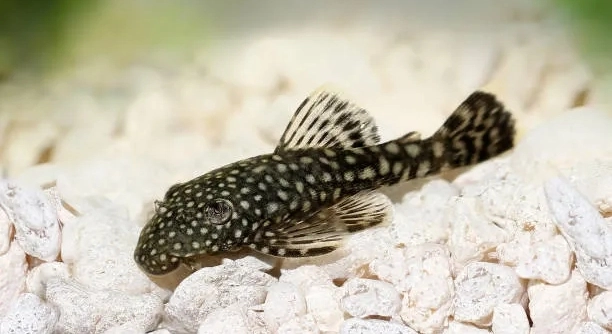
Do you ever notice your bristlenose pleco hiding in the corners of your tank and wonder about its preferences? These small catfish have unique habits that influence how they respond to their aquarium environment.
Bristlenose plecos prefer dimly lit or shaded areas rather than bright light. They are naturally nocturnal, seeking shelter among plants, decorations, or driftwood during the day. Providing subdued lighting supports their comfort, health, and natural behavior patterns.
Understanding their light preferences helps create a more comfortable and stress-free environment, improving both their activity levels and overall well-being in your aquarium.
How Light Affects Bristlenose Plecos
Bristlenose plecos are sensitive to strong lighting, which can make them feel exposed. In my tank, I noticed they often hid under driftwood or behind plants whenever the main light was on. Dim lighting allows them to explore more freely and reduces stress. Bright light can trigger their instinct to seek shelter, so providing shaded areas or floating plants creates a more comfortable environment. Plecos are most active in the morning and evening when light levels are lower. Adjusting light intensity gradually is better than sudden changes, as abrupt shifts can startle them. I found that using a timer to mimic natural day and night cycles helps regulate their behavior and supports feeding schedules. Many people underestimate how lighting affects nocturnal fish. Observing your plecos during different times of the day can help determine their preferred light levels, ensuring they remain healthy and active.
Dim or shaded areas are essential for their comfort and activity.
Monitoring light levels consistently helps your plecos feel safe while encouraging natural behavior, which ultimately benefits their health and reduces stress. It also supports algae growth in moderation, providing a natural food source. Adjusting your tank setup with plants, driftwood, or caves can create these preferred shaded spots. Consistent observation is key to understanding your fish’s habits and maintaining a stable, pleasant environment.
Choosing the Right Tank Setup
Providing hiding spaces is vital for bristlenose plecos’ comfort.
Driftwood, rocks, and dense plants create natural shelters where plecos can rest during the day. I arranged these areas so each fish had multiple hiding spots. Plecos also use driftwood for grazing, which helps their digestion and keeps them occupied. It’s important to ensure decorations don’t block swimming space entirely. Floating plants can diffuse light while still leaving open swimming areas. Using a soft substrate and avoiding sharp edges prevents injury. Lighting should be balanced so that shaded and open areas exist together, letting plecos regulate their exposure. Observing behavior and making adjustments based on activity patterns will improve their well-being. Creating a tank that meets these preferences ensures plecos are active, healthy, and less stressed. Over time, the right setup encourages natural behaviors, including grazing, hiding, and interacting with other tank mates safely, which enhances the overall tank environment and keeps the ecosystem balanced.
Feeding and Light Preferences
Bristlenose plecos feed mostly at night or in low light. I noticed mine rarely ate when the tank lights were bright. Providing food near shaded areas encourages natural grazing behavior without causing stress or competition with other fish.
Feeding them in dimly lit spots helps maintain their natural rhythms. Algae wafers, vegetables like zucchini or cucumber, and occasional protein treats are ideal. Placing food near driftwood or plants allows plecos to graze safely while feeling secure. I often leave a small portion of food in shaded areas overnight, which my plecos take advantage of. Overfeeding in bright areas can lead to uneaten food, which harms water quality. Observing when and where plecos eat helps adjust feeding schedules and tank setup for better overall health and activity levels.
Light intensity also affects their digestive health. Bright conditions can make them hide and avoid food, while low light encourages grazing. I learned to balance lighting so they feel comfortable eating while still allowing enough visibility for tank maintenance. Gradually changing light levels helps plecos adapt without stress, supporting both feeding and natural behaviors. This approach ensures they remain active, healthy, and content in the aquarium environment.
Common Mistakes with Lighting
Too much light can overwhelm bristlenose plecos and trigger constant hiding. I noticed stress signs when my tank was brightly lit for long periods, including reduced movement and hiding in corners.
Many aquarists place tanks under intense artificial light or neglect shaded zones. Plecos need shaded areas for comfort and activity regulation. Overexposure can disrupt their sleep and feeding patterns, making them less active and more prone to stress-related health issues. Using floating plants or adjusting lighting timers can prevent overexposure. Observing pleco behavior daily helps determine if light levels are suitable. I found that creating a mix of shaded spots and gentle illumination allows plecos to balance hiding and exploring naturally, which improves their overall well-being and encourages healthier grazing habits throughout the day.
Adjusting Light Gradually
Sudden changes in lighting can stress bristlenose plecos. I gradually adjust light intensity over several days to help them acclimate, which reduces hiding and encourages normal activity.
Using a dimmer or timer allows for smooth transitions. I noticed plecos become more active and comfortable when light changes are slow and predictable.
Best Plants for Shade
Floating plants like Java fern or duckweed provide gentle cover for plecos. They create natural shade without blocking swimming areas. I place plants strategically so plecos have both hiding spots and open spaces to move freely, supporting comfort and natural behavior.
Monitoring Behavior
Regularly watching your plecos helps gauge their comfort. If they hide constantly, light adjustments or additional shaded areas may be needed. I track their activity patterns to ensure the environment meets their needs, which improves overall tank harmony.
Lighting Schedule Tips
Consistency is key for bristlenose plecos. I keep a steady day-night cycle using timers, which supports feeding, activity, and rest patterns effectively, reducing stress.
FAQ
Do bristlenose plecos need complete darkness?
Bristlenose plecos do not need complete darkness, but they thrive in dimly lit environments. I’ve observed mine resting under driftwood or among plants when lights are strong. Partial shade is enough to make them feel secure while still allowing visibility for tank maintenance.
Can bright light harm bristlenose plecos?
Yes, bright light can stress plecos and alter their natural behavior. In my tank, constant bright light made them hide more and reduce activity. Providing shaded areas or floating plants reduces stress and encourages natural movement and feeding habits.
How much light is ideal for plecos?
Low to moderate light is ideal. I keep my tank lights on a timer for around 8–10 hours per day, ensuring shaded areas are always available. This balance encourages activity during feeding times while giving them rest in dimmer conditions.
Do plecos hide all day?
It’s normal for bristlenose plecos to spend much of the day hiding. They are nocturnal by nature. I noticed mine only come out fully when lights are dim, usually in the morning or evening. Adequate hiding spots reduce stress and mimic their natural behavior.
Will plecos eat if the tank is bright?
Plecos may eat less under bright light. I feed mine near shaded areas or under floating plants to encourage natural grazing. Food left in bright areas often goes uneaten, which can affect water quality if uneaten food decomposes.
Do plecos prefer natural or artificial light?
Plecos adapt to both, but natural light with controlled intensity is gentler. I’ve seen plecos become more active and confident when artificial lights are supplemented with floating plants or filtered sunlight, creating soft, diffused lighting.
How do I know if my pleco is stressed by light?
Signs include constant hiding, reduced feeding, and minimal movement. I monitor my plecos daily. When I noticed these behaviors, I adjusted lighting intensity and added more shaded areas, which helped them regain activity and comfort.
Can light affect algae growth for plecos to eat?
Yes, light influences algae growth, which plecos graze on. Too much light can cause algae blooms, while too little limits their natural food source. I balance lighting to support moderate algae growth without compromising the tank environment.
Should I change light gradually for plecos?
Gradual changes are best. I adjust brightness over several days when adding new lights or moving the tank. Sudden changes stress plecos, reduce activity, and may make them hide for longer periods.
Do plecos need a night light?
Night lights aren’t necessary. Plecos are naturally nocturnal and navigate low light easily. I’ve found that leaving the tank completely dark at night helps them rest and maintain a healthy day-night cycle, improving overall behavior and feeding patterns.
Can tank decorations affect light preferences?
Yes, driftwood, rocks, and plants create shaded spots that plecos use for hiding. I arrange decorations to balance open swimming areas with shade, ensuring plecos feel safe while remaining active and grazing naturally.
Is it okay to feed plecos in bright areas occasionally?
Occasional feeding in brighter areas is fine if shaded spots are available. I place some food near the open areas to encourage movement but always ensure plecos can retreat to cover if they feel exposed.
Does light affect pleco health long-term?
Consistent and appropriate lighting supports long-term health by reducing stress, encouraging natural behavior, and maintaining normal feeding patterns. I noticed my plecos remained more active, healthy, and vibrant when the tank had balanced lighting and plenty of shaded areas.
How do floating plants help plecos with light?
Floating plants diffuse light and create shade naturally. I use plants like Java fern and duckweed to soften bright light, giving plecos comfortable resting spots while still keeping the tank visually appealing and open for swimming.
Can I use a dimmer for pleco tanks?
Yes, dimmers are effective. I gradually adjust brightness using a dimmer, which allows plecos to acclimate slowly. This approach reduces hiding, encourages grazing, and prevents stress caused by sudden changes in light intensity.
Do plecos interact differently under different lights?
Yes, under dim light, plecos are more active and exploratory. I observed that bright lights made them retreat, while low light encouraged grazing, swimming, and interaction with tank features. Adjusting lighting helps maintain natural behaviors consistently.
Are plecos sensitive to LED vs fluorescent lights?
They can be. LED lights are often brighter and harsher, so diffusing them or adding floating plants helps. I’ve found plecos adjust better to softer lighting, regardless of the source, as long as shaded areas are available.
Does lighting affect breeding behavior?
Lighting can influence breeding. Plecos prefer dim conditions for spawning. I noticed that when the tank had soft, indirect light and sufficient hiding areas, my plecos exhibited more natural breeding behaviors compared to brighter tanks.
How often should I check light levels for plecos?
Daily observation is ideal. I monitor my plecos’ behavior and adjust lighting or shade as needed. Small changes can make a big difference in comfort, activity, and health over time.
Can too little light be harmful?
Too little light isn’t usually harmful, but it may limit algae growth, reducing natural grazing options. I maintain low to moderate lighting while providing supplemental food to ensure nutrition and support normal behavior.
What is the ideal light-dark cycle for plecos?
A consistent 8–10 hours of light with a longer dark period works well. I use a timer to mimic natural cycles, allowing plecos to rest, feed, and maintain healthy activity patterns without stress.
How do I balance visibility and comfort?
Providing shaded areas while keeping open swimming zones works best. I position driftwood, rocks, and plants strategically so plecos feel secure but remain visible enough to monitor their health and activity effectively.
Can light intensity affect tank water quality?
Indirectly, yes. Overexposure can increase algae growth, while low light may reduce natural algae food sources. I balance lighting to maintain both water quality and natural grazing opportunities for plecos.
Is it okay to change light schedules seasonally?
Gradual seasonal adjustments are fine. I slowly increase or decrease light duration to mimic natural changes, helping plecos acclimate without stress while maintaining natural behavior patterns.
How do I know if the tank setup supports pleco light needs?
Check their activity, feeding, and hiding patterns. I adjust shade and lighting if plecos hide excessively or eat less. Observing daily helps fine-tune the setup for comfort, health, and natural behavior.
Can multiple plecos share the same shaded spots?
Yes, but ensure enough hiding places. I provide several shaded areas so plecos can retreat individually, reducing stress and competition, which supports harmonious behavior in the tank.
Does light affect pleco color or appearance?
Indirectly, yes. Comfortable plecos under preferred lighting show brighter colors and healthier fins. Stress from bright lights can make them dull or more reclusive, which I noticed in my own tank.
Can artificial caves improve light conditions?
Artificial caves provide additional shaded areas. I use caves alongside plants and driftwood to give plecos multiple options, improving comfort and encouraging natural resting and grazing behaviors throughout the day.
Is it necessary to dim lights during feeding?
It helps. I lower light intensity slightly when feeding so plecos feel safe coming out to eat, reducing stress and ensuring more consistent food consumption while maintaining normal tank visibility.
Do plecos adjust to brighter tanks over time?
They can adapt gradually, but sudden brightness causes stress. I slowly increased light intensity over several days, allowing plecos to explore more without hiding excessively, supporting normal activity patterns.
What signs show plecos are happy with lighting?
Active grazing, swimming in open areas, and using shaded spots appropriately indicate comfort. I look for consistent feeding, vibrant coloration, and normal movement to confirm the tank lighting supports their needs.
Can lights affect interactions with other fish?
Yes, dim lighting reduces aggression and stress. I noticed plecos interacted better with tank mates under subdued light, as they feel more secure and are less likely to compete over hiding spots.
Should I change light color for plecos?
Neutral or soft white light works best. I avoid harsh blue or overly bright lights, which can stress plecos. Soft lighting creates natural conditions, supporting comfort, grazing, and overall activity patterns.
Do plecos need light at night?
No, complete darkness is preferable. I leave the tank dark at night so plecos rest naturally, maintaining a healthy day-night rhythm and preparing them for feeding and activity during dim daylight periods.
Can reflections from glass affect plecos?
Yes, bright reflections can stress them. I position lights and tank surroundings to minimize glare, which helps plecos feel secure and encourages normal behavior without excessive hiding or erratic swimming.
Is it okay to combine artificial and natural light?
Yes, but balance is important. I use artificial lights on a timer and allow indirect natural sunlight to create gentle, diffused lighting. This combination supports comfort, feeding, and overall pleco activity without causing stress.
How important is consistency for light schedules?
Consistency is crucial. I maintain steady schedules using timers. Regular light and dark periods reduce stress, support natural feeding and resting habits, and improve long-term health for bristlenose plecos.
Do plecos respond differently to seasonal daylight changes?
They can. Gradual seasonal adjustments help them maintain natural activity and feeding patterns. I slowly modify light duration to mimic seasonal changes, ensuring plecos remain comfortable and healthy throughout the year.
Can tank size affect lighting needs?
Yes, larger tanks may require more shaded areas. I provide additional plants, driftwood, or caves in bigger tanks so plecos can regulate light exposure and maintain comfort throughout the space.
How do I combine hiding spots with open swimming areas?
Strategically place decorations along the tank edges and leave central areas open. I balance shade and free space, giving plecos options to retreat while still allowing healthy exploration and swimming.
Are plecos more active under natural dusk-like light?
Yes, plecos tend to become more active under dim, warm lighting that mimics dusk. I use soft lighting in the evening to encourage grazing and exploration, supporting natural nocturnal behavior patterns.
Can stress from lighting affect lifespan?
Chronic stress from poor lighting may weaken the immune system, reduce feeding, and impact health over time. I prioritize dim, consistent lighting and shaded areas to maintain comfort and support a longer, healthier life for plecos.
Does light influence territorial behavior?
Bright or harsh lighting can trigger defensive hiding and territorial behavior. I provide multiple shaded spots and soft lighting to reduce competition and support harmonious tank interactions among plecos and other fish.
How do I test if lighting is too bright?
Observe hiding frequency, feeding hesitation, and reduced movement. I gradually adjust light intensity and monitor behavior to ensure plecos are active, comfortable, and grazing normally without excessive stress.
Can light affect pleco breeding caves?
Yes, dim lighting encourages plecos to use caves for spawning. I position caves in shaded areas to create secure, low-light environments that support natural breeding behaviors.
Are plecos comfortable under aquarium LED strips?
They can be if brightness is controlled. I diffuse LEDs with floating plants or partial shading to prevent stress while still keeping the tank visible for monitoring and care.
Does light affect nocturnal activity?
Yes, excessive light reduces nocturnal exploration. I keep shaded areas and dim evening lighting to support natural nocturnal behavior, ensuring plecos remain active and healthy during low-light periods.
Is there a preferred light spectrum for plecos?
Neutral white or soft natural light works best. I avoid intense blue or harsh white lights, which can cause stress. Proper spectrum supports activity, grazing, and overall comfort.
Can plecos adapt to constant low light?
Yes, but food sources like algae may be limited. I provide supplemental feeding and monitor behavior to ensure plecos remain healthy and active in consistently low-light conditions.
How does light affect algae wafers?
Algae wafers are unaffected by light, but natural algae growth is influenced by lighting. I balance light to encourage moderate algae growth while using wafers as a reliable food source for plecos.
Do plecos prefer light near the surface or bottom?
They prefer dimmer areas near the bottom or shaded mid-level zones. I place hiding spots and feeding areas accordingly to match their comfort and natural behavior patterns.
Can reflections from other fish affect plecos under light?
Yes, bright reflections or aggressive tank mates can increase stress. I ensure shaded zones and low light intensity to reduce tension and encourage normal grazing and hiding behavior.
Is it necessary to dim lights gradually when changing tanks?
Yes, gradual adjustments help plecos acclimate. I reduce brightness slowly over several days to prevent hiding, stress, or feeding disruption when introducing new tanks or lighting setups.
Can plecos sense light direction?
Yes, they orient themselves based on light intensity. I noticed they often move toward shaded areas or driftwood during bright periods and explore more freely in dimmer zones, which supports natural behavior.
Does light influence their interaction with other tank mates?
Indirectly, yes. Proper lighting reduces stress and competition for hiding spots. I observed more peaceful interactions when shaded areas and dim lighting were available, improving overall tank harmony.
How often should shaded areas be refreshed?
Periodically rearranging plants, driftwood, or decorations prevents overcrowding and keeps plecos engaged. I move hiding spots occasionally to maintain comfort, support grazing, and encourage natural exploration without causing stress.
Can overexposure to light stunt growth?
Indirectly, yes. Stress from prolonged bright light can reduce feeding and activity, which may impact growth. I maintain dim or moderate lighting with shaded zones to support proper nutrition and development.
Do plecos prefer filtered or direct light?
Filtered or diffused light is preferable. I use floating plants and indirect lighting to reduce glare, helping plecos feel secure while still keeping the tank visible for maintenance and monitoring.
Can light affect water temperature for plecos?
Yes, intense lighting can slightly raise water temperature. I monitor both light and heat levels to prevent stress, ensuring plecos remain comfortable and active.
Is a consistent lighting schedule more important than intensity?
Yes, consistency supports feeding, resting, and activity patterns. I use timers to maintain predictable light cycles, which helps plecos remain healthy, active, and stress-free over time.
How do I combine artificial light and natural sunlight safely?
Indirect sunlight with controlled artificial light works best. I avoid direct sun hitting the tank to prevent overheating and excessive brightness while maintaining balanced illumination for pleco comfort and natural behavior.
Can light affect breeding success?
Proper dim lighting and shaded areas encourage natural spawning behaviors. I position caves in low-light zones, which supports comfort and increases the likelihood of successful breeding in bristlenose plecos.
Do plecos adjust behavior based on seasonal light changes?
Gradual seasonal changes help maintain natural rhythms. I slowly adjust light duration to mimic seasonal cycles, ensuring plecos remain active, feed normally, and rest appropriately throughout the year.
Should I change feeding times based on light?
Feeding during dim periods encourages grazing. I schedule feedings in shaded areas or when lights are lower, supporting natural behavior and reducing stress during meals.
Does tank depth influence light exposure?
Yes, deeper tanks naturally reduce light intensity at the bottom. I consider tank depth when arranging hiding spots and placing food to ensure plecos remain comfortable and active throughout the water column.
Can sudden bright light cause illness?
Indirectly, yes. Stress from abrupt brightness may weaken the immune system, making plecos more susceptible to disease. I adjust lighting gradually to minimize stress and support overall health.
Do plecos prefer light on weekdays or weekends?
They respond to consistent patterns rather than specific days. I maintain a steady light schedule daily, ensuring predictable day-night cycles that reduce stress and support feeding and resting behavior.
How does light affect water chemistry indirectly?
Light affects algae growth, which influences nutrient levels. I balance lighting to support moderate algae for grazing while preventing excessive buildup that could affect water quality and pleco health.
Can plecos get used to fluctuating light schedules?
They may adapt slowly, but frequent changes cause stress. I maintain consistent schedules to encourage comfort, normal feeding, and active behavior while minimizing hiding and aggression.
Is it necessary to dim lights for new plecos?
Yes, new plecos are more sensitive. I start with lower intensity and gradually increase it as they acclimate, reducing stress and encouraging exploration and feeding in the new environment.
Can reflections from glass interfere with pleco comfort?
Yes, bright reflections can trigger hiding or stress. I adjust lighting and add shaded areas to minimize glare, supporting natural behavior and reducing anxiety for plecos.
How do I know if plecos are comfortable with current lighting?
Active grazing, regular swimming, and proper use of shaded spots indicate comfort. I observe behavior daily to confirm light levels and adjust if plecos hide excessively or avoid feeding.
Do plecos need different light levels for different tank sizes?
Yes, larger tanks require multiple shaded areas. I provide additional driftwood, plants, or caves so plecos can control light exposure and remain comfortable across the entire tank.
Can light affect pleco skin or fin health?
Indirectly, yes. Stress from bright light may cause dull coloration or fin deterioration. I maintain dim, consistent lighting with shaded zones to support healthy appearance and behavior.
Is partial shade sufficient for plecos?
Yes, partial shade allows them to regulate exposure. I ensure multiple shaded areas are available, giving plecos options to rest, graze, and explore comfortably throughout the day.
How do I create shaded spots without blocking the tank view?
Use driftwood, rocks, and floating plants strategically. I place these along tank edges or mid-levels to provide shade while leaving open areas visible for monitoring and swimming space for plecos.
Do plecos use shaded areas for sleeping?
Yes, shaded spots are preferred resting areas. I observed my plecos retreating to these zones during the day, supporting their nocturnal activity pattern and reducing daytime stress.
Can overexposure to bright light affect breeding success?
Yes, intense light may prevent plecos from using caves for spawning. I position breeding caves in dim zones to encourage natural reproductive behavior and protect comfort.
Do plecos prefer moving or still light?
Still, diffused light is ideal. I avoid flickering or overly bright dynamic lights, which can cause stress, hiding, and reduced activity for plecos.
Can too much shade be harmful?
Excessive shade may limit feeding if algae growth is insufficient. I balance shaded areas with moderate light to encourage grazing while maintaining safe, comfortable hiding spots.
**How often should I reassess lighting for plecos
Bristlenose plecos are small, hardy fish, but they have very specific needs when it comes to light. Observing how they react to different lighting conditions is one of the easiest ways to keep them comfortable and healthy. In my experience, plecos prefer dim or shaded areas over bright, direct light. This preference is natural since they are nocturnal by habit. Providing areas where they can hide during the day not only reduces stress but also encourages normal behaviors like grazing, resting, and exploring. Over time, adjusting the tank environment to meet their lighting needs makes them more active and visible during feeding times, which is rewarding to see.
Creating the right balance of light in a pleco tank doesn’t have to be complicated. I usually arrange driftwood, rocks, and plants to offer multiple shaded spots, which plecos quickly learn to use. Floating plants are especially helpful because they diffuse light without blocking open swimming areas. I also rely on timers to maintain a consistent day-night cycle. This consistency helps plecos maintain regular feeding and resting schedules. Sudden changes in light intensity or duration can stress them, so it’s better to make gradual adjustments when necessary. Monitoring their behavior and noticing when they hide or come out to feed provides valuable feedback about whether the lighting setup is working.
Overall, lighting is one of the most important factors in creating a healthy environment for bristlenose plecos. Dim or filtered light, combined with plenty of hiding spots, allows them to feel safe and encourages natural activity. Proper lighting also supports grazing on algae, which is an important part of their diet, and helps prevent stress-related health issues. Watching how plecos respond to light over time gives insight into their comfort and helps maintain a harmonious tank. By paying attention to their preferences, arranging shaded areas thoughtfully, and keeping a consistent lighting schedule, plecos can thrive in a home aquarium. Creating these conditions doesn’t just improve their health—it also makes observing them more enjoyable, as they become active, curious, and confident in their environment.

Hello,
If you enjoy the content that we create, please consider saying a "Thank You!" by leaving a tip.
Every little bit helps us continue crafting quality advice that supports the health, happiness, and well-being of pets around the world, for pets of all shapes, sizes, and species.
We really appreciate the kindness and support that you show us!