
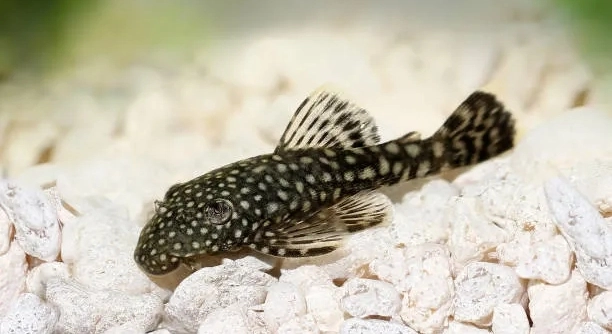
Keeping plecos healthy and helping them grow requires attention to their diet. These unique fish have specific nutritional needs, and providing the right foods can improve their overall well-being and promote steady growth in a home aquarium environment.
Feeding plecos a variety of nutrient-rich foods is essential for optimal health and growth. Algae wafers, fresh vegetables, and protein sources supply essential vitamins, minerals, and amino acids that support digestion, strengthen immunity, and encourage proper development in plecos.
Knowing which foods benefit your pleco most can make a significant difference in its longevity and vitality within the aquarium ecosystem.
Algae Wafers for Daily Nutrition
Algae wafers are a staple for plecos and provide essential nutrients they need every day. These wafers are designed to sink, allowing bottom-dwelling fish to feed comfortably. They contain fiber, vitamins, and minerals that aid in digestion and overall health. I have noticed that plecos that regularly eat algae wafers show stronger fins and brighter colors. They are especially helpful for young plecos who need steady nutrition to grow properly. Many aquariums also have natural algae, but wafers ensure that fish get a consistent diet without depending solely on what grows in the tank. It’s important to avoid overfeeding; one or two wafers a day is usually enough. Remove any uneaten food after a few hours to prevent water quality issues. Offering algae wafers regularly can create a stable diet and support long-term growth, keeping plecos active and healthy throughout the year.
Algae wafers are easy to use and help maintain proper pleco health daily.
When incorporating wafers, consider rotating with other foods to avoid dietary gaps. Consistency in feeding times improves digestion, reduces stress, and encourages growth. Observing how your pleco interacts with the wafer can provide insight into its health and preferences. Some plecos may prefer wafers softened in tank water, while others will nibble immediately. Ensuring wafers are part of a varied diet, alongside vegetables and occasional protein sources, promotes balanced nutrition. Over time, you may notice improved coloration and increased activity levels.
Fresh Vegetables for Balanced Diet
Leafy greens and zucchini provide important fiber for plecos.
Adding fresh vegetables supports digestion and overall health while supplying essential vitamins. Plecos enjoy a variety of vegetables such as cucumber, spinach, and lettuce. Blanching harder vegetables slightly softens them, making them easier to eat. These vegetables can be offered two to three times a week and should be cut into manageable sizes for your fish. Rotating vegetables ensures they receive a range of nutrients and prevents boredom with their diet. Fiber in vegetables helps keep the digestive system working efficiently, reducing the risk of constipation or bloating. I usually attach vegetables to a clip or weight so they remain at the bottom of the tank, allowing plecos to graze naturally. Combining vegetables with algae wafers and occasional protein creates a comprehensive diet that promotes strong growth, vibrant colors, and overall well-being in your pleco. Watching them enjoy fresh vegetables is rewarding and reassuring.
Protein Sources for Healthy Growth
Protein is essential for plecos, especially younger fish. Foods like shrimp pellets, bloodworms, and small pieces of fish provide amino acids that support muscle development, immune function, and overall growth in plecos.
I have found that offering protein in small amounts a few times per week keeps my plecos active and healthy. Overfeeding protein can lead to water quality problems, so it’s important to monitor portions carefully. Bloodworms and shrimp pellets are particularly effective because they are rich in nutrients plecos need but easy to digest. Combining these with regular vegetables and algae wafers creates a balanced diet. Plecos that receive protein regularly tend to have stronger bodies and brighter colors, which is always rewarding to see. Protein variety also prevents dietary monotony, keeping the fish engaged and supporting consistent growth over time.
Providing protein helps maintain strength and resilience. It complements other foods, ensuring a balanced diet.
Leafy Greens for Digestive Health
Leafy greens like spinach, kale, and romaine lettuce are excellent sources of fiber and essential vitamins. They help regulate digestion, reduce bloating, and improve nutrient absorption, keeping plecos healthy and active in the tank.
I usually blanch the greens briefly before offering them, softening them slightly for easier consumption. Plecos graze naturally on these vegetables, picking small pieces throughout the day. Rotating different types of leafy greens ensures they receive a variety of nutrients and prevents them from becoming bored with their diet. Fiber from greens helps maintain proper digestion and supports healthy growth, while vitamins contribute to stronger immunity and better coloration. When combined with protein sources and algae wafers, leafy greens create a well-rounded diet. Consistency in feeding greens two to three times per week has made a noticeable difference in my plecos’ energy levels, activity, and overall appearance.
Cucumber Slices for Hydration
Cucumber slices provide plecos with hydration and gentle nutrients. Their high water content helps maintain proper fluid balance and supports overall health, especially in warmer tanks.
I usually cut cucumber into thin pieces and attach them to a clip so plecos can graze slowly. This prevents waste and keeps the tank clean.
Pumpkin for Fiber and Vitamins
Pumpkin is a natural source of fiber, vitamin A, and antioxidants that aid digestion and boost immunity. I steam small pieces to soften them, making it easier for plecos to consume. Rotating pumpkin with other vegetables ensures a balanced intake of nutrients. Plecos enjoy nibbling on pumpkin, and it helps regulate their digestive system, preventing bloating and constipation. Regular feeding improves their energy levels and encourages steady growth. Including pumpkin in the diet alongside algae wafers, protein sources, and leafy greens provides a complete nutritional plan that supports healthy development, vibrant colors, and overall vitality for plecos in the aquarium.
Zucchini for Daily Supplement
Zucchini provides essential fiber and moisture. I offer it a few times a week to support digestion and maintain overall health.
FAQ
What is the best diet for plecos?
A balanced diet for plecos combines algae wafers, fresh vegetables, and occasional protein sources. Algae wafers provide essential vitamins and minerals, while vegetables like spinach, zucchini, and pumpkin supply fiber and additional nutrients. Protein from shrimp pellets or bloodworms supports muscle development and overall growth. Feeding a mix of these foods ensures proper nutrition and keeps plecos healthy and active. Rotating vegetables and protein helps maintain variety and prevents dietary gaps.
How often should I feed my pleco?
Plecos generally do well with one or two feedings per day. Algae wafers can be offered daily in small portions, while vegetables are best provided two to three times a week. Protein sources should be limited to a few times weekly to avoid overloading the tank with uneaten food. Observing your pleco’s eating habits helps determine the right portions. Uneaten food should be removed promptly to prevent water quality issues, which can stress fish and impact growth.
Can plecos eat fruits?
Plecos can eat some fruits in moderation, but vegetables are more suitable for regular feeding. Fruits like melon or cucumber provide hydration but should not replace fiber-rich vegetables. Too much fruit can increase sugar levels in the tank and may affect digestion. I occasionally offer a small piece of fruit as a treat, but it is never part of the daily diet. Sticking to vegetables, algae wafers, and protein ensures a consistent and healthy feeding routine.
Why is fiber important for plecos?
Fiber supports healthy digestion and prevents bloating or constipation. Vegetables such as pumpkin, zucchini, and leafy greens are excellent sources of fiber. Including fiber-rich foods helps maintain proper gut function and supports nutrient absorption. I have noticed that plecos eating adequate fiber show fewer digestive issues and remain more active. Fiber also complements protein intake, allowing plecos to grow steadily without digestive stress.
Should I soak or blanch vegetables before feeding?
Blanching harder vegetables slightly softens them, making them easier for plecos to eat. Leafy greens usually do not require blanching, but thicker vegetables like pumpkin or zucchini benefit from it. Softening vegetables also reduces waste in the tank, as plecos can consume them fully. I always check that the vegetables are cooled before placing them in the tank. This small step improves feeding efficiency and ensures my plecos get the full nutritional benefit from their food.
How can I ensure my pleco grows properly?
Growth depends on consistent nutrition, clean water, and a stable environment. Providing a mix of algae wafers, fresh vegetables, and occasional protein ensures plecos receive the nutrients needed for proper development. Maintaining appropriate tank conditions and monitoring water parameters supports their health. Observing activity levels and appetite helps identify potential issues early. Regularly offering a varied diet encourages steady growth, vibrant coloration, and overall vitality. Consistency and attention to feeding routines are key to healthy pleco development.
Are there foods plecos should avoid?
Plecos should avoid foods high in fat, artificial additives, or excessive sugar. Human snacks, processed foods, and overfeeding of protein can cause digestive issues and impact water quality. I stick to natural vegetables, algae wafers, and controlled protein portions to prevent problems. Avoiding these foods reduces the risk of illness and promotes long-term health. Focusing on high-quality, nutrient-rich options ensures plecos remain healthy and continue to grow steadily.
Can young plecos eat the same foods as adults?
Young plecos require smaller portions but the same types of food as adults. Algae wafers, soft vegetables, and small protein portions support their growth. Monitoring consumption and adjusting portion sizes prevents overfeeding. As they mature, their diet can gradually increase in volume while maintaining the same variety. Offering the right foods consistently helps young plecos develop strong bodies and vibrant colors, preparing them for adulthood.
Final Thoughts
Keeping plecos healthy and supporting their growth comes down to consistent care and a balanced diet. Providing a variety of foods ensures they receive all the nutrients they need. Algae wafers are convenient and provide essential vitamins and minerals that help maintain energy levels and proper bodily function. Vegetables like spinach, zucchini, and pumpkin supply fiber and additional nutrients that support digestion, prevent bloating, and keep plecos active. Including protein sources such as bloodworms or shrimp pellets a few times a week helps develop strong muscles and maintain overall health. Rotating these foods prevents dietary gaps and keeps the fish engaged with their meals. It is also important to monitor portion sizes and feeding schedules to avoid overfeeding, which can negatively affect water quality and fish health. Over time, plecos that receive consistent, nutrient-rich foods display brighter colors, stronger fins, and steady growth. Observing your plecos while they feed can help determine which foods they prefer and how much they need. Simple adjustments in portion sizes or rotation of vegetables and protein sources can improve their diet without much effort. Ensuring a mix of food types provides both nutritional balance and variety, which is important for long-term well-being.
Water quality and tank conditions are equally important in promoting healthy pleco growth. Even the best diet cannot fully compensate for poor water conditions. Regular water changes and monitoring key parameters like pH, temperature, and ammonia levels help prevent stress and disease. Plecos are sensitive to sudden changes in water quality, so maintaining a stable environment is crucial. I have found that keeping the tank clean and providing a consistent feeding routine produces noticeable improvements in my plecos’ activity levels and overall appearance. The combination of a balanced diet and proper tank maintenance allows plecos to thrive. Tank décor and hiding spots also play a role, providing comfort and reducing stress. Stress can reduce appetite and slow growth, so creating a calm and stable environment contributes to their health. Observing your fish daily can help identify early signs of illness or dietary issues, allowing for timely adjustments in food or care.
Consistency and attention to detail make a significant difference in pleco care. Feeding a variety of nutrient-rich foods, maintaining stable water conditions, and monitoring overall behavior all contribute to long-term health and growth. It is easy to overlook small details, such as the timing of feedings or the preparation of vegetables, but these steps have a noticeable impact. I have seen plecos grow steadily and develop strong bodies when these practices are followed carefully. Proper nutrition supports immune function, coloration, and energy levels, while good tank conditions prevent stress and disease. Combining these factors creates a well-rounded approach to pleco care. Over time, consistent attention to feeding and environment leads to vibrant, healthy plecos that thrive in the aquarium. Developing a routine that includes varied foods, regular observation, and proper tank maintenance ensures that your plecos continue to grow and remain healthy throughout their lives. This approach is simple but effective, and it provides a reliable way to care for plecos without unnecessary complications.

Hello,
If you enjoy the content that we create, please consider saying a "Thank You!" by leaving a tip.
Every little bit helps us continue crafting quality advice that supports the health, happiness, and well-being of pets around the world, for pets of all shapes, sizes, and species.
We really appreciate the kindness and support that you show us!