
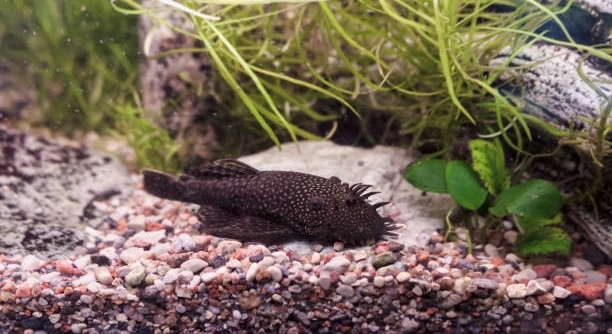
Do you enjoy keeping a peaceful freshwater aquarium but find yourself unsure about the best way to care for bristlenose plecos? Many fishkeepers wonder how to provide the ideal environment for these popular algae eaters. Proper tank setup ensures healthy growth and behavior, making your aquarium both lively and balanced.
Bristlenose plecos benefit from driftwood in their habitat because it aids digestion and provides natural grazing surfaces. Driftwood also offers shelter and encourages natural behaviors, contributing to overall fish health and stability within the aquarium ecosystem.
Including driftwood in your tank can transform your pleco’s environment, promoting both comfort and natural activity, enhancing the overall aquarium experience for fishkeepers.
Why Driftwood Matters for Bristlenose Plecos
Adding driftwood to a bristlenose pleco tank is more than decoration. These fish naturally graze on biofilm and algae, and driftwood gives them a surface to scrape and feed. Over time, driftwood slowly releases tannins into the water, slightly lowering pH and softening the water, which mimics their natural habitat. The texture and hiding spots offered by driftwood also reduce stress, as plecos are nocturnal and often need secluded spaces during the day. Many aquarists notice that plecos spend hours near or under driftwood, showing it provides both comfort and stimulation. Selecting the right type of driftwood is important; untreated, aquarium-safe wood prevents harmful chemicals from leaching into the water. Rinsing and soaking it before placement removes excess tannins and debris. Driftwood combined with proper tank maintenance enhances pleco health, encouraging steady growth, active grazing, and better overall behavior in captivity.
Driftwood improves water conditions slightly and offers plecos a natural structure for feeding and hiding. It benefits their daily activity significantly.
Beyond feeding and shelter, driftwood can encourage interaction with the tank environment. Plecos may attach eggs to its surface during breeding, while the crevices provide security for juveniles. Softened water from tannins reduces stress on their skin and fins, helping prevent minor infections and abrasions. Driftwood also promotes natural scraping behavior, keeping teeth healthy. Some aquarists notice plecos favoring certain types of wood over others, indicating preferences that mimic their natural choices in rivers and streams. Placement is key: large pieces create caves, while flatter sections serve as grazing surfaces. Monitoring water color and adjusting driftwood quantity ensures balance. Over time, driftwood integrates into the tank ecosystem, supporting algae growth and microfauna that further enrich the pleco’s diet. Choosing multiple pieces of different sizes encourages exploration, keeping plecos engaged. Overall, including driftwood supports both physical and mental health for bristlenose plecos, making them more active and vibrant.
Selecting and Preparing Driftwood
Choosing driftwood requires attention to size and type suitable for your tank and pleco’s needs.
Before placing driftwood in the tank, it should be cleaned and soaked thoroughly. Boiling smaller pieces removes surface bacteria and helps release tannins faster, while larger pieces may need days of soaking. Rinsing ensures no loose debris enters the aquarium. Some woods, like Malaysian driftwood or Mopani, are popular because they are dense and resist rotting. Avoid treated or painted wood, as chemicals can harm plecos. Once prepared, secure heavier pieces to prevent floating. Arranging driftwood to create both hiding spots and grazing surfaces improves fish comfort. Observing how plecos interact with the wood helps adjust placement. In time, the driftwood becomes part of the natural landscape, supporting biofilm growth and enhancing feeding behavior. This preparation process ensures plecos benefit fully, combining shelter, feeding areas, and water condition improvement for a healthier, more active fish population.
Feeding Benefits of Driftwood
Driftwood provides essential surfaces for grazing, allowing bristlenose plecos to naturally scrape algae and biofilm. It supplements their diet and keeps teeth healthy, preventing overgrowth and maintaining proper nutrition in a simple, natural way.
In addition to offering grazing surfaces, driftwood contributes to digestive health. Plecos consume small amounts of wood fibers, which can aid in digestion and prevent constipation. The slow release of tannins also supports gut function and reduces stress on their digestive system. By combining feeding and shelter in one element, driftwood creates a more balanced environment. Observing plecos using driftwood for feeding often reveals consistent grazing patterns, which indicate healthy appetite and activity levels. Over time, this natural feeding behavior encourages stronger immune responses and better overall fish health.
The presence of driftwood encourages plecos to explore their environment and engage with the tank regularly. Grazing and hiding behaviors reduce stress, improve activity levels, and create a more natural, stimulating habitat for them to thrive in.
Placement Tips for Driftwood
Proper placement ensures driftwood benefits plecos without disrupting tank balance. Position large pieces to create caves and smaller sections as grazing surfaces, while avoiding overcrowding the tank.
Securing driftwood prevents floating and ensures stability for plecos using it. Using multiple pieces at different heights encourages exploration and provides varying hiding spots, mimicking riverbank structures. Driftwood placement should consider water flow and accessibility, allowing plecos to reach both grazing areas and shelters comfortably. Observation is key; watching plecos interact with driftwood helps adjust positioning to suit their habits. Arranging wood to maximize surface area promotes algae growth while keeping the tank visually appealing. Over time, driftwood becomes integrated into the aquarium, supporting natural behaviors and healthier fish.
Driftwood should be arranged to balance feeding, hiding, and swimming space. Proper positioning enhances pleco activity, encourages grazing, and improves overall tank dynamics while maintaining water flow and aesthetic appeal.
Types of Driftwood
Different types of driftwood offer unique benefits for plecos. Mopani, Malaysian, and grapevine are popular choices because they are dense, durable, and resistant to rotting. Each type releases varying amounts of tannins, affecting water color and softness slightly.
Selecting the right wood depends on tank size and pleco behavior. Larger pieces provide hiding spaces and caves, while flatter sections serve as grazing surfaces. Harder woods last longer and support biofilm growth, which plecos feed on regularly. Softer woods may need replacement more often but can encourage more scraping activity, benefiting dental health. Choosing wood that complements your tank layout ensures a balanced and natural environment.
Maintaining Driftwood
Regular cleaning prevents debris buildup and keeps the water safe for plecos.
Driftwood should be monitored for mold or unwanted algae. Rinse or soak pieces periodically to maintain water quality and prevent decay. Proper maintenance ensures long-lasting benefits for plecos.
Signs Your Pleco Uses Driftwood
Plecos will often spend time scraping, hiding, or resting on driftwood, showing they rely on it for feeding and shelter.
FAQ
Do bristlenose plecos need driftwood to survive?
Bristlenose plecos can survive without driftwood, but including it greatly improves their overall health. Driftwood provides grazing surfaces, natural hiding spots, and mild tannin release, which slightly softens water. These factors reduce stress, promote natural behaviors, and aid digestion, creating a more balanced and comfortable environment. Without driftwood, plecos may still eat algae and commercial foods, but they might show signs of stress or dental overgrowth over time. Driftwood is not strictly mandatory, but it supports a healthier, more active pleco.
How much driftwood should I include in my tank?
The amount of driftwood depends on tank size and pleco behavior. A few medium to large pieces usually suffice for providing grazing surfaces and hiding spaces. Avoid overcrowding, as it can limit swimming space and affect water flow. Observation helps determine if additional pieces are necessary. The goal is to balance feeding areas, shelter, and open swimming zones while maintaining visual appeal. For a 30-gallon tank, one or two larger pieces with smaller branches or flat wood works well. Larger tanks can accommodate multiple pieces for more variety.
Do all types of driftwood work the same?
No, different woods vary in hardness, tannin release, and durability. Mopani, Malaysian, and grapevine are popular because they are dense, resist decay, and support algae growth. Softer woods may release more tannins and decay faster but encourage more scraping. Choosing wood should consider pleco size, tank layout, and maintenance needs. Harder woods tend to last longer and provide stable surfaces for hiding and grazing. Some plecos may prefer certain textures, so observing their interaction helps optimize selection. Combining multiple types can enhance both aesthetics and fish activity.
How do I prepare driftwood for my aquarium?
Driftwood should be cleaned and soaked before placing it in the tank. Boiling smaller pieces removes surface bacteria and accelerates tannin release. Larger pieces may require several days of soaking. Rinsing thoroughly ensures loose debris does not cloud the water. Avoid treated or painted wood, which can release harmful chemicals. Securing heavier pieces prevents floating, and arranging wood to create grazing surfaces and hiding spots supports natural pleco behaviors. Proper preparation ensures the driftwood is safe, stable, and beneficial for both water quality and fish health.
Will driftwood stain my tank water?
Yes, driftwood releases tannins that can slightly darken the water, giving it a tea-colored hue. This is harmless for plecos and can even reduce stress, as it mimics their natural environment. Soaking wood before placing it in the tank can reduce initial discoloration. Regular water changes help maintain clarity. Some aquarists embrace the darker tint, as it provides a natural aesthetic while enhancing the pleco’s comfort. The color usually stabilizes over time as tannins are gradually released.
Can driftwood decay or harm plecos?
Untreated driftwood may slowly decay over time, especially softer types, but proper selection and maintenance reduce this risk. Harder woods last longer and support biofilm growth. Monitoring for mold or excessive algae ensures the wood does not negatively impact water quality. Plecos are generally safe around driftwood, as it provides shelter and feeding surfaces. Removing decaying pieces promptly prevents deterioration in water conditions. Overall, careful preparation, cleaning, and monitoring make driftwood a safe and beneficial addition to the tank.
How often should I clean driftwood?
Cleaning frequency depends on tank conditions and driftwood type. Rinsing and scrubbing surfaces during water changes every few weeks is often enough. Boiling or soaking pieces occasionally helps remove buildup of debris, algae, or mold. Over-cleaning is unnecessary, as biofilm and algae benefit plecos’ diet. The goal is to maintain safety without removing natural surfaces for grazing. Consistent observation allows you to determine the ideal cleaning schedule while keeping both water quality and fish behavior optimal.
Can driftwood help during breeding?
Yes, driftwood provides secure surfaces for egg attachment and shelter for juveniles. Crevices and caves protect eggs from other fish and offer hiding spaces for fry. Placement should consider accessibility for plecos and enough space for movement. Driftwood contributes to a more natural, safe environment, encouraging successful reproduction. Using multiple pieces of wood can create separate areas for different breeding pairs. Driftwood does not guarantee breeding but enhances comfort and security, which can improve reproductive success.
Are there alternatives to driftwood for plecos?
While driftwood is preferred, some alternatives include ceramic caves, PVC pipes, or slate for hiding spots. However, these options lack the natural tannins and grazing surfaces that wood provides. Biofilm growth may be limited on artificial materials. Alternatives can complement driftwood or be used temporarily, but they do not fully replace its benefits. Combining artificial shelters with small driftwood pieces can achieve both aesthetic control and environmental enrichment. Driftwood remains the most effective option for supporting feeding, hiding, and natural behaviors.
Will plecos eat the driftwood?
Yes, bristlenose plecos often scrape and consume small amounts of driftwood, which helps maintain teeth health and supports digestion. Consumption is typically minimal and safe, especially with hardwoods. Observing feeding habits ensures plecos are engaging with the wood appropriately. Over time, this natural interaction promotes both dental and digestive health. Driftwood serves as both a food supplement and a behavioral enrichment tool, making it an essential part of the tank environment for healthy plecos.
This FAQ section provides detailed answers to common concerns about using driftwood with bristlenose plecos, covering health, maintenance, and behavioral benefits. It emphasizes practical steps for improving tank conditions while supporting natural fish habits.
Final Thoughts
Bristlenose plecos benefit greatly from having driftwood in their tank. While these fish can survive without it, driftwood provides natural surfaces for grazing, places to hide, and mild tannins that help soften water. The combination of these factors supports overall health, reduces stress, and encourages natural behaviors, which keeps plecos more active and comfortable in their environment. Driftwood also allows plecos to engage in natural scraping and grazing habits, which is essential for maintaining proper dental health. Over time, this interaction becomes a key part of their daily routine, making driftwood a practical and beneficial addition rather than just decoration.
Choosing the right type of driftwood is important for both the fish and the tank’s appearance. Hardwoods like Mopani, Malaysian, or grapevine are popular because they are durable, resist decay, and provide stable surfaces for grazing and hiding. Softer woods may need to be replaced more frequently but can encourage more active scraping behavior. Preparing driftwood properly before placing it in the tank is also critical. Cleaning, soaking, and boiling smaller pieces remove bacteria and help release tannins in a controlled way. Proper preparation prevents harmful debris from entering the tank and ensures the wood will not float or shift, which could disrupt the plecos’ environment or create water quality issues. Once set up, driftwood becomes an integral part of the aquarium, supporting natural behaviors and contributing to the overall ecosystem.
Maintenance and placement of driftwood should be done thoughtfully to maximize benefits. Arranging pieces to create both hiding spots and grazing surfaces allows plecos to explore, feed, and feel secure. Monitoring water conditions and cleaning driftwood occasionally ensures it remains safe and does not negatively affect water quality. Observing plecos and adjusting wood placement as needed helps maintain balance in the tank, supporting both activity and health. For breeding plecos, driftwood offers secure areas for eggs and juveniles, further enhancing its value. In the end, driftwood is a simple, natural addition that supports digestive health, provides comfort, and encourages natural behavior, making it a practical choice for anyone caring for bristlenose plecos. It benefits both the fish and the overall tank environment, creating a healthier and more engaging home for these popular freshwater fish.

Hello,
If you enjoy the content that we create, please consider saying a "Thank You!" by leaving a tip.
Every little bit helps us continue crafting quality advice that supports the health, happiness, and well-being of pets around the world, for pets of all shapes, sizes, and species.
We really appreciate the kindness and support that you show us!