
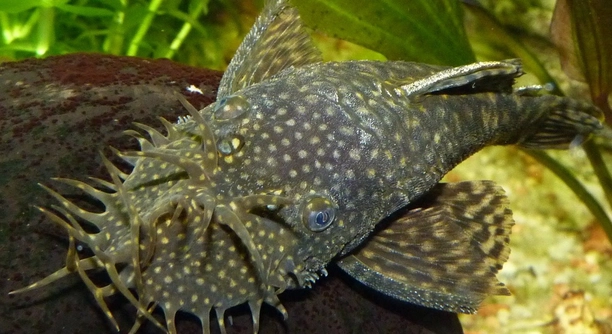
Are your Bristlenose Plecos acting strangely or spending less time exploring their tank? Sometimes, the materials used inside their aquarium can make them uncomfortable or even cause stress over time.
Bristlenose Plecos dislike certain tank materials because they can affect water quality, cause irritation, or disrupt their natural behavior. Substances like untreated wood, sharp gravel, or metal decorations may leach harmful compounds or create unsafe conditions within their aquatic environment.
Understanding which materials to avoid helps create a safer and more natural habitat where your Bristlenose Plecos can thrive with ease and comfort.
Sharp Gravel and Rough Substrates
Sharp gravel may seem like a simple choice for aquarium flooring, but it can be harsh on Bristlenose Plecos. These bottom-dwellers constantly graze and move along the tank floor, scraping their bellies and delicate fins against whatever surface they live on. When the gravel is too coarse or jagged, it can cause small cuts and abrasions that lead to infections or stress. Over time, Plecos might begin avoiding the tank floor entirely, hiding more often instead of foraging. Smooth substrates such as fine sand or rounded gravel provide a safer and more natural environment, protecting their soft undersides and allowing them to sift comfortably while searching for food. Choosing the right substrate not only prevents injury but also supports healthier behavior and improved water cleanliness since smoother materials trap less waste.
Switching to softer substrate options immediately reduces irritation and makes your Plecos feel more secure while they explore and graze naturally.
In my experience, transitioning from rough gravel to sand completely changed my Plecos’ activity levels. They became more playful, grazing openly throughout the tank rather than hiding in shaded corners. Sand is also easier to clean since debris stays on top, making maintenance simpler. The small change of replacing rough gravel with a softer surface dramatically improves comfort and health for these sensitive fish.
Metal Decorations and Rusting Fixtures
Even small metal accents can be risky for Plecos. As metal corrodes, it releases toxins like copper and zinc, which are dangerous for aquatic species.
Metal items slowly leach harmful elements into the water, disrupting the chemical balance essential for fish health. Bristlenose Plecos, being sensitive to impurities, may experience stress or damage to their gills and skin. Rust particles also build up over time, lowering water clarity and interfering with the tank’s biological stability. Removing metal decorations and replacing them with resin, stone, or ceramic alternatives ensures safer water quality and a more stable environment. Always check fixtures, clamps, and air stones for hidden metallic parts. It’s best to avoid any object that could corrode, no matter how harmless it looks. Prevention is simpler than recovery when dealing with toxic metals in aquariums.
Painted Or Artificially Colored Decorations
Painted decorations may look appealing but can harm Bristlenose Plecos over time. When submerged, cheap paints or coatings often chip, peel, or release chemicals into the water, affecting the tank’s overall safety and the fish’s health.
Toxins from poor-quality paints can irritate Plecos’ skin and gills, leading to stress and reduced activity. Even small flakes can be accidentally ingested, causing digestive issues or internal damage. Paint breakdown also contaminates the water, leading to cloudiness and bacterial imbalance. Always check that any decoration is labeled aquarium-safe and made from non-toxic materials. I once replaced painted décor with natural driftwood and stone, and the difference in my Plecos’ behavior was immediate—they became more active and relaxed. Natural materials also age beautifully, keeping the tank visually appealing without the risk of chemical leaching.
Avoiding painted items helps maintain a balanced and healthy ecosystem. Plecos thrive in natural-looking tanks, free from synthetic coatings that compromise water purity. Simple, untreated decorations like rocks, ceramic caves, or driftwood create a safe and visually calm habitat. These natural pieces not only protect the fish but also support beneficial bacteria growth. Keeping the tank authentic ensures your Plecos live comfortably and display their most natural behaviors daily.
Plastic Plants and Synthetic Ornaments
Plastic plants can irritate Bristlenose Plecos’ fins and bodies as they brush against them while foraging. Their rough or sharp edges may cause small cuts that make them vulnerable to infection or stress over time.
Beyond physical harm, plastic plants can trap dirt and algae, making tank maintenance more challenging. Over time, these materials may degrade and release microplastics or toxins, reducing water quality. Natural plants, on the other hand, improve oxygen levels and provide a soft surface for Plecos to graze on. Switching from plastic to live plants like Java fern or Anubias not only enhances the tank’s appearance but also benefits the overall health of your Plecos. They enjoy the cover, gentle texture, and stable environment live plants create, helping them stay more active and less anxious in their habitat.
Untreated Driftwood
Untreated driftwood can release excessive tannins or even harmful substances into the water. While Plecos love grazing on wood, unprocessed pieces may contain mold, pesticides, or contaminants that disrupt water balance and irritate their sensitive gills and skin.
Boiling or soaking driftwood before adding it to the tank helps remove impurities and excess tannins. Treated wood not only looks better but also maintains stable water conditions. My Plecos became more active once I switched to pre-treated driftwood, showing how small adjustments can greatly improve their comfort and overall health.
Limestone and Calcium-Based Rocks
Limestone and other calcium-rich rocks can alter the tank’s pH, making the water too alkaline for Bristlenose Plecos. These fish prefer slightly acidic to neutral water, and sudden shifts in pH can cause stress, lower immunity, and disrupt their natural behavior.
Glass Marbles and Smooth Pebbles
Glass marbles and overly smooth pebbles prevent Plecos from properly anchoring themselves while feeding. They also trap debris underneath, which can decay and affect water quality. Replacing them with textured, aquarium-safe substrates helps maintain cleanliness and allows your Plecos to move comfortably while feeding along the bottom.
FAQ
Why do Bristlenose Plecos react negatively to certain tank materials?
Bristlenose Plecos are sensitive bottom-dwellers that interact closely with every surface in their environment. Materials like sharp gravel, untreated wood, or metals can physically harm them or alter water chemistry. Their delicate fins, skin, and gills are easily affected by toxins or rough textures. Even small changes in their surroundings can influence their comfort and behavior. Keeping their habitat free from harmful or unstable materials helps reduce stress, encourage natural grazing, and maintain water quality. A tank made with Pleco-safe materials supports their longevity and natural habits without unnecessary irritation or risk.
Can I use decorations that contain paint if they’re sealed or labeled aquarium-safe?
If a decoration is clearly labeled aquarium-safe and designed for underwater use, it’s generally fine to use. The problem arises with cheaply made items or those not meant for aquariums. Even a sealed surface can degrade over time, releasing chemicals that cloud the water or harm your fish. I prefer natural decorations like rocks, wood, and ceramic ornaments because they stay stable and look realistic. Always check the manufacturer’s details and reviews before purchasing. Even aquarium-safe paint can wear down after years of exposure, so it’s wise to monitor any fading or peeling over time.
What types of wood are safest for Bristlenose Plecos?
The best choices are driftwood types known to be aquarium-safe, such as Malaysian driftwood, Mopani wood, or spider wood. These provide essential fiber that Plecos graze on while helping regulate digestive health. Always boil or soak wood for several hours before adding it to remove excess tannins and possible contaminants. Avoid using wood collected outdoors, as it might contain pesticides or fungi. I noticed my Plecos became livelier after introducing properly treated wood—they spent more time grazing and less time hiding. Safe driftwood not only enriches their diet but also enhances the tank’s natural look and stability.
Can Bristlenose Plecos live comfortably with sand substrates?
Yes, fine sand is one of the best substrate options for Bristlenose Plecos. It’s smooth, easy to clean, and gentle on their undersides. Plecos like to dig and graze, and sand allows them to do this naturally without injury. I use aquarium-grade sand that doesn’t compact too tightly, ensuring proper filtration and oxygen flow. When paired with driftwood and plants, sand creates a comfortable and natural environment. It also keeps waste visible on the surface, making cleaning quicker. Choosing sand over gravel can greatly improve water health and fish behavior, giving Plecos a more natural habitat to thrive in.
Why should I avoid metal decorations or fixtures?
Metals like copper, brass, and zinc can corrode underwater, releasing toxins harmful to Plecos and other tank inhabitants. Even small amounts can damage their gills and disrupt their immune systems. It’s best to replace any metal parts with plastic, ceramic, or resin alternatives labeled aquarium-safe. Check air stones, tubing clamps, and ornaments for hidden metallic components. Rust buildup can also cloud the water and harm beneficial bacteria. In my experience, removing metal fixtures improved water clarity and fish activity within days. Keeping metals out entirely ensures your Plecos remain stress-free and healthier long-term.
Do artificial plants cause harm even if they’re smooth and flexible?
Artificial plants made from low-quality plastics can still cause irritation, especially if edges fray or stiffen over time. Some may also trap debris and promote bacterial buildup. While soft plastic plants may seem safe, live plants are far better for Plecos. They provide oxygen, shade, and a surface for algae growth, which Plecos enjoy grazing on. I’ve found live plants like Anubias and Java fern easy to maintain and highly beneficial for water quality. Even if you prefer artificial plants, choose premium-grade ones marked as aquarium-safe and inspect them regularly for wear or rough edges.
What are signs that a Pleco is uncomfortable with its tank materials?
If your Pleco hides excessively, breathes rapidly, or stops grazing, something in the tank may be bothering it. Watch for red patches on fins, frayed skin, or dull coloration. These could signal irritation from rough or toxic materials. Testing water parameters helps confirm if leaching or pH changes are causing stress. I once noticed my Pleco rubbing against objects repeatedly—removing painted decorations solved the issue quickly. Observing your fish closely after introducing new items helps you detect problems early. A comfortable Pleco will stay active, explore freely, and display a healthy, even tone across its body.
How can I make my tank safer for Bristlenose Plecos overall?
Start by using materials specifically labeled aquarium-safe, and avoid anything metallic, painted, or untreated. Stick with natural, smooth substrates like sand and add driftwood or caves for hiding and grazing. Regularly clean and test the water to ensure no contaminants are present. Replace questionable decorations as soon as they show signs of wear or damage. Live plants add oxygen and stability while making the tank feel more natural. Keeping an eye on your Plecos’ behavior will guide you in spotting discomfort early. A well-maintained, toxin-free setup ensures they remain active, healthy, and content for years.
Final Thoughts
Creating a safe and comfortable environment for Bristlenose Plecos begins with understanding how the materials inside their tank affect them. These fish are gentle bottom-dwellers that spend most of their time grazing and resting along surfaces, which makes the texture, composition, and safety of every tank element important. Rough gravel, painted decorations, untreated wood, and metals can all introduce hidden dangers that disrupt their well-being. Even small details, such as the smoothness of the substrate or the coating on a decoration, can influence how secure and active they feel. A well-chosen setup does more than look appealing—it provides a calm and natural space where your Plecos can express their instincts freely.
Many Pleco owners overlook the impact that water chemistry and materials have on their fish’s daily comfort. Metals, plastics, and limestone-based items can alter the pH or release unwanted substances, which can cause stress or even long-term health issues. By removing these materials and replacing them with natural or aquarium-safe alternatives, you create a balanced and steady environment. Driftwood, stone, and live plants offer the right combination of beauty and safety, supporting the biological balance of the tank while encouraging natural feeding behavior. When your Plecos have the right conditions, their colors appear richer, their movements become more confident, and their activity levels increase noticeably. I’ve seen firsthand how switching just one harmful material for a safer option can make a visible difference within days.
The goal is not to make the tank look perfect, but to make it a place where your Plecos can thrive. Choosing smooth substrates, non-toxic décor, and stable materials ensures that every inch of their space contributes to their comfort and health. Regular maintenance and observation also play a key role—keeping an eye on changes in their behavior helps identify potential issues early. A healthy Pleco tank should feel natural and calm, with clean water, balanced lighting, and plenty of hiding areas. Every responsible aquarist learns that less is often more when it comes to tank design. By avoiding harmful materials and focusing on safety, you create a peaceful and enduring home where your Bristlenose Plecos can live long, healthy, and fulfilling lives.

Hello,
If you enjoy the content that we create, please consider saying a "Thank You!" by leaving a tip.
Every little bit helps us continue crafting quality advice that supports the health, happiness, and well-being of pets around the world, for pets of all shapes, sizes, and species.
We really appreciate the kindness and support that you show us!