
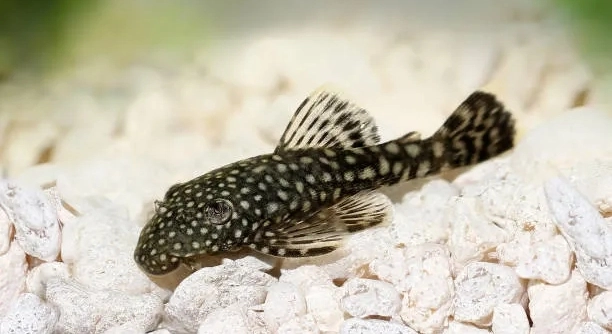
Do you ever notice your pleco spending more time in hiding than usual, tucked away behind decorations or in the corners of the tank? Many fish owners find themselves quietly observing these secretive moments. Watching a pleco’s habits can feel calming.
Increased hiding in plecos is often a response to stress, illness, or changes in their environment. Factors such as water quality, tank temperature, lighting, and interactions with other fish significantly influence their comfort and behavior patterns.
Understanding why plecos behave this way can improve their care and create a more harmonious tank environment for all your aquatic pets.
Common Reasons Plecos Hide More Than Usual
Plecos are naturally shy fish, and hiding is part of their normal behavior. However, sudden increases in hiding can indicate that something in the tank has changed. Water quality is one of the main influences on pleco behavior. Poor water conditions, such as high ammonia, nitrite, or nitrate levels, can stress fish, prompting them to retreat. Sudden temperature shifts or inconsistent heating also make plecos feel unsafe, especially since they are sensitive to cold water. Lighting plays a role as well—too bright or constant light can make plecos uncomfortable, encouraging them to stay in shadows or behind decorations. Even rearranging the tank or introducing new fish can create stress. Plecos need a sense of security in their environment, so small changes can affect their confidence. Monitoring water quality and providing consistent hiding spots can help your pleco feel more at ease in its tank.
Stress and poor water conditions are leading factors that make plecos hide excessively, even when they appear healthy.
Watching their behavior closely allows you to identify subtle changes in activity, appetite, and interactions. Some plecos may respond immediately to adjustments, while others take longer to regain normal behavior. By noting patterns, you can prevent prolonged stress and maintain a healthier environment for your fish. Understanding these triggers is key to helping your pleco feel secure.
Environmental Adjustments to Encourage Activity
Adding extra hiding spaces can make a pleco feel safer and reduce constant hiding.
Maintaining the right water temperature, filtration, and consistent lighting schedule is crucial for pleco comfort. Plecos are nocturnal by nature, so providing dark areas for resting while keeping some open space for exploration encourages movement. Driftwood and caves are excellent additions, giving them places to graze and hide simultaneously. Regular water changes are essential to prevent toxin buildup that may cause stress. Observing how plecos respond to these adjustments lets you fine-tune the environment for their preferences. Some plecos need more cover than others, depending on their personality and species. Avoid overcrowding the tank, as too many fish can increase stress levels. Ensuring a calm environment with predictable routines can gradually encourage a pleco to spend more time exploring rather than hiding. Consistency and attention to detail are key to keeping plecos healthy, active, and comfortable in their aquatic home.
Feeding and Nutrition
Poor diet can make plecos more withdrawn and less active. If they do not receive enough food or the right nutrients, they may hide more often. High-quality sinking pellets, fresh vegetables, and occasional protein treats keep them healthy and encourage normal behavior.
Feeding routines impact pleco behavior significantly. Plecos are nocturnal and tend to feed at night, so offering food in the evening aligns with their natural habits. Uneaten food can foul water, creating stress, so it’s important to remove leftovers promptly. Some plecos prefer certain vegetables, such as zucchini or cucumber, while others enjoy algae wafers. Monitoring what they eat helps you adjust portions and food types. Consistent feeding schedules combined with a balanced diet support their immune system, reduce stress, and help them feel secure enough to explore the tank instead of hiding constantly.
Variety in diet can make a big difference in pleco activity. Rotating vegetables, occasional protein, and algae-based foods keeps them engaged and promotes growth. Observing preferences ensures they get enough nutrients, which reduces prolonged hiding and supports overall health.
Health Concerns
Hiding can be a sign of illness, even if your pleco appears otherwise healthy. Stress from poor water or injury can make them retreat.
Common issues include parasites, bacterial infections, or fin damage. Lethargy, loss of appetite, or unusual spots may indicate health problems. Quarantining new fish and maintaining clean tanks prevent the spread of disease. Treatment often involves improving water quality, adjusting diet, or using safe medications. Early detection ensures recovery and reduces prolonged stress, allowing plecos to return to normal behavior.
Observation is key for identifying health concerns early. Plecos may mask symptoms, so watching subtle changes in color, breathing, or movement is important. Regular maintenance, proper nutrition, and careful introduction of new fish minimize stress-related illnesses. Keeping a log of water parameters and behavioral changes helps track patterns and spot issues quickly. Addressing problems promptly prevents minor conditions from becoming severe, supporting your pleco’s well-being and encouraging a more active, comfortable life in the tank.
Tank Size and Layout
A small or overcrowded tank can make plecos feel insecure. Limited space reduces hiding options and can increase stress, causing them to retreat more often.
Rearranging decorations or adding caves gives plecos more security. Driftwood, rocks, and plants create natural hiding spots that encourage exploration while providing safe areas to rest.
Lighting Considerations
Bright or constant lighting can stress plecos. They prefer dim or shaded areas where they can rest during the day without feeling exposed. Providing adjustable lighting or shaded sections helps maintain their natural activity patterns and reduces excessive hiding.
Social Dynamics
Aggressive or overly active tank mates can intimidate plecos. Territorial fish may chase or nip at them, forcing plecos into hiding. Observing interactions and separating incompatible species ensures a calmer environment. A peaceful community tank encourages natural behavior and exploration.
Water Parameters
Stable water conditions are essential. Fluctuations in temperature, pH, or chemical levels stress plecos, prompting them to hide. Regular testing and adjustments maintain a safe, predictable environment that supports healthy activity and reduces prolonged retreating.
FAQ
Why is my pleco hiding all the time?
Plecos are naturally shy and nocturnal, so hiding is normal. However, if hiding increases suddenly, it often signals stress, poor water quality, or environmental changes. Observing tank conditions, lighting, and temperature can help determine why your pleco is retreating more than usual.
Could poor water quality be causing my pleco to hide?
Yes. High ammonia, nitrite, or nitrate levels stress plecos, making them retreat. Even minor fluctuations in pH or temperature can affect comfort. Regular water testing and consistent maintenance, like partial water changes and filter cleaning, help maintain a safe environment that encourages normal behavior.
Does tank size matter for pleco behavior?
Absolutely. Small or overcrowded tanks make plecos feel insecure and increase hiding. Providing enough space for swimming and placing caves or driftwood for hiding ensures they feel safe. Overcrowding also raises stress and can lead to aggression among fish.
Can diet affect my pleco’s hiding habits?
Yes. A poor or inconsistent diet can make plecos lethargic and withdrawn. Feeding high-quality sinking pellets, algae wafers, and fresh vegetables on a consistent schedule supports health and encourages activity. Observing food preferences and appetite is important for long-term well-being.
Do lighting conditions influence hiding?
Bright or constant lighting can stress plecos. They prefer dim or shaded areas to rest during the day. Adjustable lighting and shaded spots help plecos feel secure and reduce hiding, while allowing them to explore the tank safely at night.
Can other fish cause my pleco to hide?
Yes. Aggressive or territorial tank mates may intimidate plecos, causing them to retreat. Observing interactions helps identify troublemakers. Providing separate hiding spaces or moving incompatible fish prevents stress and promotes a calmer, healthier tank environment.
Is hiding a sign of illness?
It can be. Lethargy, loss of appetite, unusual spots, or fin damage paired with hiding often indicates health problems. Early detection and treatment, such as water quality improvement or appropriate medication, support recovery and reduce prolonged stress.
How can I encourage my pleco to be more active?
Providing proper hiding spots, consistent lighting, and a balanced diet encourages exploration. Offering fresh vegetables or protein treats at night aligns with natural nocturnal feeding. Observing their preferences and adjusting the tank layout gradually can make them more confident.
How often should I monitor water parameters?
Weekly testing for ammonia, nitrite, nitrate, pH, and temperature is recommended. Sudden changes stress plecos and can increase hiding. Keeping records helps detect trends early and prevents prolonged retreat or illness.
Do plecos ever stop hiding completely?
Plecos will always hide occasionally, as it is part of their nature. With proper care, most will spend more time exploring the tank confidently. Providing safe spaces, consistent feeding, and stable water conditions balances natural instincts with visible activity.
Can stress from moving a pleco cause hiding?
Yes. Relocating or introducing a pleco to a new tank can trigger prolonged hiding. Minimizing handling, acclimating slowly, and maintaining stable water parameters helps them adjust faster and reduces stress-related retreat.
Are plecos more active at night?
Yes, plecos are nocturnal and naturally more active after lights are dimmed. Providing food in the evening or nighttime encourages normal behavior and helps reduce hiding during the night.
Should I separate my pleco if it hides too much?
Not necessarily. Separation is only needed if aggressive tank mates are causing stress. Otherwise, creating enough hiding spots and a calm environment usually allows plecos to regain confidence and explore without constant retreat.
How long does it take for a stressed pleco to adjust?
Adjustment depends on the cause. Minor environmental changes may see improvement within a few days, while stress from illness or major tank changes can take weeks. Patience, consistent care, and observation are key for recovery.
What signs indicate my pleco is comfortable in the tank?
Active swimming, regular feeding, exploring hiding spots, and resting calmly indicate comfort. Reduced hiding over time shows they feel secure. Maintaining proper water parameters and providing a stable, enriched environment supports these positive behaviors.
Can hiding affect a pleco’s health?
Prolonged hiding often accompanies stress, poor appetite, or illness. Stress lowers immune response, making plecos more susceptible to disease. Ensuring proper water quality, nutrition, and environmental enrichment helps prevent health decline and promotes overall well-being.
Is it normal for a pleco to hide after being fed?
Yes. Many plecos retreat to rest after eating, especially if they feel exposed. Observing natural patterns helps distinguish normal hiding from stress-related retreat or illness.
Does temperature influence hiding behavior?
Yes. Plecos are sensitive to temperature changes. Too cold or fluctuating water can make them retreat more often. Maintaining stable water temperature appropriate to the species supports activity and comfort, reducing excessive hiding.
Can changing tank decorations affect hiding habits?
Yes. Sudden rearrangement can make plecos feel insecure. Adding new caves or driftwood gradually allows them to explore while keeping familiar hiding spots reduces stress and helps them adjust faster.
How do I know if my pleco is stressed versus naturally shy?
Signs of stress include rapid hiding, loss of appetite, unusual color changes, or erratic swimming. Naturally shy plecos may hide occasionally but still feed normally and explore their environment at night. Monitoring behavior and tank conditions helps distinguish the two.
Final Thoughts
Plecos are naturally shy and nocturnal fish, so hiding is part of their normal behavior. However, when a pleco begins hiding more than usual, it is often a sign that something in their environment needs attention. Stress, poor water quality, or changes in temperature and lighting are the most common factors that influence hiding behavior. Providing a stable and predictable environment helps plecos feel secure. This includes maintaining consistent water parameters, keeping the tank clean, and offering plenty of hiding spots like caves, driftwood, and plants. Small adjustments in their surroundings can make a big difference in helping them feel safe and confident to explore their tank. Observing your pleco regularly allows you to notice any subtle changes that might indicate stress or discomfort, giving you the opportunity to address issues before they become serious problems.
Diet also plays an important role in pleco behavior. Plecos require a varied diet that includes algae-based foods, fresh vegetables, and occasional protein sources. Feeding high-quality sinking pellets or wafers ensures they get the nutrients they need. Offering food at night aligns with their natural nocturnal habits and encourages normal activity. Monitoring their appetite and preferences can help identify early signs of stress or illness. Uneaten food should be removed promptly to prevent water contamination, which can lead to additional stress. By paying attention to both the quantity and type of food, you can support your pleco’s health, energy, and overall comfort in the tank. A consistent feeding schedule, combined with environmental enrichment, makes plecos less likely to retreat excessively and promotes a more active, natural lifestyle.
It is also important to consider social dynamics and tank setup. Aggressive or overly active tank mates may intimidate plecos and force them to hide more often. Observing interactions and making adjustments, such as providing separate hiding spaces or moving incompatible fish, can reduce stress. Tank size matters as well—plecos need space to swim and explore. Overcrowded or small tanks increase anxiety and encourage retreating behavior. Lighting conditions should also be adjusted to create shaded or dim areas, as bright lights can make plecos uncomfortable. Regular monitoring of water temperature, pH, and chemical levels helps maintain stability. By combining proper diet, careful observation, and environmental adjustments, you can reduce hiding behavior and help your pleco feel safe, healthy, and more confident in its aquatic home.
Word count: 407

Hello,
If you enjoy the content that we create, please consider saying a "Thank You!" by leaving a tip.
Every little bit helps us continue crafting quality advice that supports the health, happiness, and well-being of pets around the world, for pets of all shapes, sizes, and species.
We really appreciate the kindness and support that you show us!