
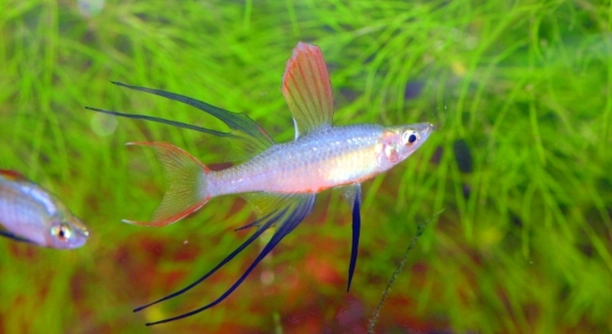
Are your threadfins ignoring the new decorations in your aquarium, leaving the tank looking untouched and bland? Many hobbyists face this situation when their fish avoid new items, making the tank feel less lively and engaging.
Threadfins may avoid new décor due to sudden changes in their environment, perceived threats, or unfamiliar textures. Gradually introducing items, maintaining consistent water conditions, and allowing time for acclimation can encourage exploration and interaction with the new additions.
Understanding threadfins’ behavior helps improve tank harmony and creates a more visually appealing and stimulating environment for both fish and hobbyists.
Observing Threadfin Behavior
Threadfins can be surprisingly sensitive to changes in their environment. When you introduce new decorations, they may hesitate to approach because the items are unfamiliar. Often, this hesitation is temporary and related to instinctual caution. Some threadfins prefer hiding spots first before fully exploring open areas. Watch for their patterns: if they consistently stay away from the décor, it might indicate stress or discomfort. Lighting and water flow also influence their comfort level. Bright lights can make them skittish, while strong currents may discourage movement toward certain areas. Gradually adjusting decorations over several days can help them acclimate. Moving one item at a time allows the fish to explore slowly without feeling threatened. Using natural materials, like smooth rocks or plants, often encourages interaction because the textures feel familiar. Observing their interactions carefully can guide future tank adjustments and make the environment more welcoming.
Introducing changes gradually reduces stress and helps threadfins adapt naturally to new surroundings.
Patience is key when integrating new décor. Sudden changes can increase stress, while slow adjustments allow threadfins to explore confidently and safely. Watching their reactions closely gives insight into preferences and comfort levels, which improves tank design and overall fish well-being.
Adjusting Decor Placement
Positioning decorations strategically can make a noticeable difference in threadfin engagement.
Threadfins respond well to a mix of open swimming areas and hiding spots. Place larger decorations along tank edges and corners to create secure zones. Avoid overcrowding; too many items can cause stress and reduce exploration. Smooth surfaces and rounded edges are ideal, minimizing the risk of injury. Layering decorations gradually allows fish to investigate new areas without feeling threatened. Changing the layout slightly over time encourages curiosity and natural movement. Introducing plants or soft textures can create appealing zones for exploration. Water flow should be considered: areas with gentle currents often become preferred spots, while strong currents near decorations may discourage interaction. Observe how your threadfins navigate the tank, noting which placements encourage more movement. Over time, slight modifications can improve engagement without overwhelming the fish. This thoughtful approach results in a healthier, more active tank environment that supports natural behaviors and reduces stress.
Encouraging Exploration
Gradually introducing new decorations helps threadfins feel more comfortable. Start by placing items in familiar areas and avoid sudden changes. Allow time for the fish to investigate on their own, giving them space and security.
Providing familiar textures like smooth stones or soft plants encourages interaction. Threadfins are cautious by nature, and forcing exploration can increase stress. You can gently rearrange existing decorations to create curiosity without overwhelming them. Observing which items attract attention helps identify preferred textures and locations. Lighting adjustments, such as dimming during initial introduction, can also make new décor less intimidating. By combining gradual placement, familiar materials, and careful observation, threadfins will often start exploring on their own schedule. Patience and attentiveness to their responses are key in ensuring a smooth transition.
Monitoring their behavior during these changes is essential. Some fish may quickly adjust, while others take longer, showing preference for hiding spots initially. By consistently offering safe options, threadfins gain confidence to explore. Over time, gradual encouragement leads to increased interaction with new decorations, improving both the aesthetic of the tank and the overall well-being of the fish. Observing subtle cues, such as tentative approaches or brief touches, helps guide future placement and additions. This method ensures that changes feel natural rather than forced.
Creating a Comfortable Environment
Threadfins are more likely to interact with decorations when their surroundings feel secure. Adequate hiding spots, stable water conditions, and gentle currents all contribute to comfort.
Providing areas where fish can retreat reduces stress and encourages movement. Temperature and water chemistry should remain consistent, as fluctuations make exploration less likely. Smooth, natural materials create inviting surfaces for investigation. Plants and other soft décor mimic natural habitats, giving a sense of safety. Even subtle changes in lighting can influence behavior; dimmer conditions often promote initial exploration. Monitoring fish reactions ensures the environment remains welcoming. Adjusting placement over time allows threadfins to discover new zones gradually, maintaining engagement without causing stress. Maintaining balance between open space and covered areas supports natural swimming patterns and reduces territorial aggression.
Encouraging comfort extends beyond decorations. Proper feeding schedules, consistent water quality, and minimal sudden disturbances all reinforce a secure environment. Fish are more likely to interact with new elements when they feel safe, and consistent routines help build confidence. Observing reactions during daily care provides insight into their comfort levels. Over time, threadfins will explore previously ignored decorations naturally. Small adjustments, like repositioning plants or adding subtle textures, maintain interest. Prioritizing stability and predictability ensures a healthier, more active tank where fish can thrive and engage with their surroundings fully.
Minimizing Stress
Keeping changes gradual reduces stress for threadfins. Introduce new decorations slowly, one at a time, and avoid sudden rearrangements. This approach helps fish feel secure and encourages natural exploration without feeling threatened.
Maintaining stable water conditions is equally important. Consistent temperature, pH, and gentle water flow contribute to a calm environment. Sudden fluctuations can increase stress and discourage interaction with new items.
Using Familiar Materials
Threadfins respond better to decorations that resemble elements from their natural habitat. Smooth stones, plants, and soft textures are more inviting than unfamiliar or harsh materials. This familiarity encourages cautious exploration and increases the likelihood of interaction over time.
Monitoring Progress
Observe how threadfins interact with new items daily. Note which decorations attract attention and which are avoided to guide future placement and adjustments.
FAQ
Why are my threadfins avoiding the new decorations?
Threadfins are naturally cautious fish. They may avoid new decorations because the items are unfamiliar, or they feel unsafe exploring them. Sudden changes in the tank can trigger stress, causing them to stick to familiar areas. Gradual introduction and observation usually help them adjust.
How long does it take for threadfins to explore new items?
The adjustment period varies depending on the fish and the tank environment. Some threadfins may approach within a day or two, while others may take a week or longer. Patience is important, as forcing exploration can increase stress and prolong avoidance.
Can changing lighting affect their behavior?
Yes. Bright lights can make threadfins skittish and less likely to explore. Dimming the tank during the introduction of new decorations can create a calmer environment. Subtle adjustments in lighting encourage natural exploration without causing stress.
Should I rearrange the decorations if they avoid them?
Rearranging should be done cautiously. Small changes can spark curiosity, but major alterations may intimidate the fish. Introduce one or two items at a time and observe their reactions before making further adjustments.
Do texture and material matter?
Absolutely. Threadfins respond better to smooth surfaces and natural textures like plants, stones, or driftwood. Harsh or rough materials can make them hesitant to interact. Using familiar-feeling items often encourages more confident exploration over time.
Can water flow affect decoration interaction?
Yes. Strong currents near new decorations can discourage exploration. Gentle currents create safe areas where threadfins feel comfortable swimming and investigating. Observing which zones they prefer helps determine the best placement for new items.
How can I encourage timid threadfins to explore?
Gradual exposure is key. Start with a single item placed in a familiar location. Offer hiding spots nearby and allow time for the fish to investigate. Reinforce exploration by keeping the tank calm and predictable during this period.
Is it normal for some threadfins to never approach new items?
Some individuals may remain cautious longer than others. Personality differences exist among fish. Providing safe, familiar areas and gradually introducing new decorations usually encourages most fish to explore eventually, but a few may remain selective.
Do decorations affect overall tank behavior?
Yes. Well-placed decorations can reduce stress, provide hiding spots, and create areas for natural activity. Avoid overcrowding, as too many items can make the tank feel unsafe. Balanced decoration placement promotes healthy swimming patterns and interaction.
Can threadfins get used to drastic changes in the tank?
Drastic changes are generally stressful and should be avoided. Threadfins adapt best to gradual adjustments. Sudden shifts in layout, water conditions, or lighting may cause prolonged hiding and stress, making them hesitant to interact with decorations.
Should I mix new and old decorations?
Yes. Combining familiar items with new additions helps threadfins feel secure. Familiar objects provide comfort while new ones encourage curiosity. Gradually increasing the number of new items over time supports confident exploration without overwhelming them.
How often should I monitor their interaction?
Daily observation is recommended, especially when introducing new decorations. Take note of behavior patterns, preferred areas, and any signs of stress. Adjust placement and introduction pace based on what you observe to support a comfortable environment.
Can feeding routines influence exploration?
Yes. Maintaining consistent feeding schedules reduces stress and encourages activity. Fish that feel secure and well-fed are more likely to explore their surroundings, including new decorations. Feeding near new items can gently encourage interaction.
What should I do if they still avoid decorations after weeks?
If threadfins continue to avoid new items, review the tank setup. Check water quality, lighting, and placement of decorations. Sometimes subtle changes, such as adjusting the location or material, are enough to encourage interaction. Patience remains essential.
Are some decorations more effective than others?
Natural elements like smooth rocks, plants, and driftwood are usually more effective. Avoid sharp edges or overly bright colors, which can intimidate cautious fish. Observing your threadfins’ preferences helps identify which decorations they are most comfortable with.
Does tank size matter in decoration placement?
Yes. Larger tanks allow more open swimming space and room for hiding spots, while smaller tanks require careful placement to avoid overcrowding. Ensuring a balance of open areas and secure zones encourages exploration and reduces stress.
Can temperature or water chemistry affect their willingness to explore?
Absolutely. Sudden fluctuations in temperature or pH can make threadfins hesitant. Maintaining stable water conditions is crucial for their comfort and encourages natural interaction with decorations. Gradual acclimation to changes is always better than sudden shifts.
Is it normal for some fish to explore while others avoid decorations?
Yes. Individual differences exist. Some threadfins are naturally bolder, while others remain cautious. Providing multiple hiding spots and gradual exposure allows all fish to explore at their own pace.
How can I make exploration part of their daily routine?
Keeping a predictable tank environment, feeding consistently, and gently rearranging decorations over time encourages daily interaction. Consistency and a calm environment help threadfins feel secure enough to explore regularly without stress.
Can stress from other fish affect decoration interaction?
Yes. Aggressive tank mates can discourage exploration. Ensuring compatible species and sufficient hiding spots reduces competition and allows timid threadfins to investigate new decorations safely.
What signs indicate a threadfin is starting to accept new décor?
Look for tentative approaches, brief touches, and increased presence near decorations. Gradual exploration, even if cautious, shows growing comfort and curiosity. Patience ensures continued progress and reduces stress-related behaviors.
Should I remove decorations that are consistently avoided?
Not necessarily. Some threadfins may take longer to interact with certain items. Keep them in the tank and continue gradual exposure. Over time, they may start exploring, and removing items prematurely could limit enrichment opportunities.
How do I balance safety and stimulation in the tank?
Provide smooth, natural decorations with open swimming areas. Ensure gentle water flow and stable conditions. Balance hiding spots with open space to encourage exploration while minimizing stress. Observing behavior allows fine-tuning of this balance for each tank.
Can adding plants help with decoration acceptance?
Yes. Plants offer natural hiding spots and create familiar textures. Live or artificial plants can reduce stress, encourage exploration, and make the environment more engaging for threadfins. Placement near new items often increases interaction and curiosity.
What is the most important factor for successful decoration integration?
Patience and observation are key. Gradual introduction, stable water conditions, appropriate materials, and attention to individual fish behavior ensure threadfins explore safely and comfortably over time. Small, consistent steps are more effective than sudden changes.
How do I prevent future avoidance of new décor?
Introduce new items slowly, monitor responses, and maintain a predictable tank environment. Ensuring decorations mimic familiar textures and providing safe zones encourages confidence. Regular observation allows adjustments before avoidance behaviors develop.
Can regular rearrangement keep fish interested?
Yes, but changes should remain subtle. Slight shifts in decoration placement can renew curiosity without causing stress. Sudden, drastic rearrangements may have the opposite effect, making threadfins retreat and avoid interaction entirely.
Is it helpful to combine different types of decorations?
Combining smooth stones, plants, and soft materials often works best. A mix of textures and shapes provides visual and tactile variety, encouraging exploration while offering safe zones for cautious fish. Observation ensures the combination supports their comfort.
Do decorations affect social behavior among threadfins?
Yes. Properly placed items reduce competition and aggression by providing multiple hiding spots and defined areas. This encourages natural swimming patterns, allows peaceful interactions, and improves overall tank harmony.
How often should I introduce new items?
Introduce new decorations slowly, spacing additions by days or weeks. Allowing time for acclimation prevents stress and supports positive exploration habits. Gradual changes help threadfins remain comfortable while staying engaged.
Can decoration color influence interaction?
Bright or unnatural colors may intimidate threadfins, while natural, muted tones tend to be more inviting. Observing preferences over time helps determine which colors and materials encourage exploration and interaction.
How do I know if the tank setup is optimal?
Observe behavior, activity levels, and interactions with décor. Fish exploring confidently, using hiding spots, and swimming naturally indicate a well-balanced, comfortable tank. Adjustments can be made based on ongoing observations.
Is it necessary to rotate decorations periodically?
Periodic, subtle rotation can maintain interest and encourage exploration. Avoid frequent or large-scale rearrangements, as these may increase stress. Small changes help create a stimulating yet secure environment.
Can threadfins adapt to completely new décor eventually?
Yes, with patience and gradual introduction. Most threadfins eventually explore unfamiliar items when changes are slow, water conditions are stable, and familiar hiding spots are available. Consistent observation ensures successful adaptation.
What is the single most effective strategy?
Introduce new decorations slowly, use natural textures, maintain stable water conditions, and observe fish behavior. Gradual adjustments and attention to comfort encourage confident exploration and long-term interaction with new items.
Are some threadfins naturally more curious than others?
Yes. Individual differences exist. Some fish are bolder and explore quickly, while others remain cautious. Providing a mix of hiding spots and gradual exposure allows all fish to engage safely.
Can multiple changes at once be harmful?
Yes. Sudden introduction of multiple items or major layout changes can increase stress and avoidance behaviors. Gradual, step-by-step adjustments are always safer and more effective for threadfins.
How can I support shy fish in a community tank?
Ensure sufficient hiding spots, stable water conditions, and gentle currents. Gradually introduce new items and monitor reactions. Respecting individual temperament allows shy fish to explore at their own pace without pressure.
Does frequent observation affect their behavior?
Observing without interacting is generally safe. Gentle, quiet observation helps track comfort and preferences. Avoid tapping the glass or sudden movements, which can increase stress and reduce exploration.
Are some types of decorations less suitable?
Sharp, rough, or brightly colored items can intimidate or injure threadfins. Avoid these materials, focusing on smooth, natural, and safe textures that encourage exploration and reduce risk.
Can environmental enrichment improve health?
Yes. Engaging decorations reduce stress, encourage movement, and mimic natural habitats. Proper enrichment contributes to overall well-being, activity, and reduced aggression among tank mates.
Is there a risk of over-decorating?
Yes. Overcrowding limits swimming space and increases stress. Balance decorations with open areas and hiding spots. Observing behavior helps determine the optimal amount for a comfortable, stimulating environment.
How important is consistency during decoration introduction?
Consistency is critical. Gradual, predictable placement and stable water conditions allow threadfins to acclimate safely. Sudden or inconsistent changes can lead to stress, avoidance, and reduced interaction with new items.
Can I use decorations to influence swimming patterns?
Yes. Strategic placement of decorations can encourage natural movement, provide safe zones, and reduce territorial disputes. Observing preferred areas helps guide adjustments for balanced tank activity.
Do threadfins prefer live or artificial plants?
Both can be effective. Live plants provide natural texture and water quality benefits, while artificial plants offer durability. Preference depends on individual fish and overall tank setup. Placement near hiding spots usually encourages interaction.
What if only one fish interacts with decorations?
Individual differences are normal. Continue gradual introduction and provide multiple safe zones. Over time, other fish often begin exploring as they observe confident peers engaging with decorations.
How can I track progress effectively?
Keep a simple log of behavior, noting approaches, avoidance, and preferred areas. This helps identify patterns, adjust placement, and ensure gradual improvement in interaction over time.
Are decorations more effective in larger groups of threadfins?
Yes. Group dynamics can encourage exploration. Observing bolder individuals can inspire more cautious fish to investigate new items. Adequate space and hiding spots remain essential for balanced behavior.
Do seasonal changes affect interaction?
Yes. Temperature, lighting, and activity levels can shift seasonally. Maintaining stable conditions and gradual adjustments helps threadfins continue exploring consistently throughout the year.
Can interaction with decorations reduce aggression?
Yes. Adequate hiding spots and open areas reduce territorial disputes. Engaging decorations provide mental stimulation, which lowers stress and aggressive behavior among tank mates.
Is it necessary to remove uneaten food near new decorations?
Yes. Uneaten food can attract bacteria and create stress. Cleaning near new items keeps the area safe and encourages exploration without negative associations.
How do I know when the tank is fully optimized?
Consistent exploration, balanced swimming patterns, reduced hiding, and minimal stress signs indicate an optimal environment. Adjustments are made based on ongoing observation and fish behavior.
Does interaction with décor indicate happiness?
It’s a positive sign. Confident exploration, frequent movement, and use of hiding spots suggest threadfins feel secure and comfortable in their environment, reflecting well-being and reduced stress.
Can stress from water quality override decoration benefits?
Yes. Poor water conditions can prevent exploration regardless of décor quality. Stable, clean water is essential for threadfins to feel safe and engage naturally with new items.
Are there decorations that are universally effective?
Natural textures like smooth stones, driftwood, and plants tend to work well. Observing fish preferences ensures the chosen items are suitable and encourage consistent interaction.
How long should I wait before introducing another new item?
Wait until fish consistently explore the current item. This often takes days to weeks, depending on temperament. Gradual pacing ensures comfort and reduces stress during each introduction.
Can changes in tank companions affect exploration?
Yes. Aggressive or overly active tank mates can inhibit interaction. Ensuring compatible species and providing hiding spots supports confident exploration of new decorations.
Does the shape of decorations matter?
Yes. Rounded, smooth shapes are less intimidating and safer for threadfins. Sharp edges or unusual shapes may discourage interaction and increase stress.
Can threadfins get bored with the same decorations?
Possibly. Subtle rotation or addition of new textures can maintain interest without overwhelming them. Gradual changes encourage exploration and mental stimulation.
Is there a recommended sequence for introducing items?
Start with familiar, smooth items, then gradually add plants, stones, or driftwood. Observe behavior and adjust placement before adding more complex or unfamiliar elements.
How do I balance aesthetic and fish comfort?
Prioritize smooth, natural materials and open swimming areas. A visually appealing tank should also meet the fish’s safety and behavioral needs to promote exploration and well-being.
Can the size of the decoration affect acceptance?
Yes. Large items may intimidate cautious threadfins, while very small ones may be ignored. Medium-sized, natural-looking decorations often achieve the best balance between visibility and comfort.
Do threadfins prefer clustered or spaced-out decorations?
A mix works best. Clustered areas provide hiding spots, while open spaces allow free swimming. Observing patterns helps adjust placement for balanced exploration and minimal stress.
Can regular observation influence future decoration choices?
Absolutely. Noting preferences, interactions, and stress indicators guides which materials, shapes, and placements work best, helping create a safer and more engaging tank environment over time.
Is it normal for some decorations to remain unused indefinitely?
Yes. Individual fish may never explore certain items. Keeping them in the tank does no harm, and some fish may eventually investigate as confidence grows or new items are added nearby.
Does tank depth influence interaction?
Yes. Threadfins may prefer certain levels in the water column. Placing decorations at various depths allows exploration across different areas, supporting natural swimming patterns.
How important is a quiet environment during introduction?
Very important. Noise and sudden vibrations can increase stress and reduce willingness to explore. A calm, predictable environment supports safe and confident interaction with new items.
Should I adjust feeding locations during decoration introduction?
Placing food near new decorations can gently encourage exploration. This method associates new items with positive experiences, making fish more likely to investigate over time.
Can decorations be used to encourage exercise?
Yes. Thoughtful placement can create pathways and obstacles, promoting natural swimming and movement, which benefits overall health and reduces sedentary behavior.
Is it necessary to separate shy and bold fish temporarily?
Not usually, but monitoring interactions is important. Ensure shy fish have access to hiding spots and safe zones to explore at their own pace without being chased or stressed by bolder tank mates.
Do threadfins explore more during certain times of day?
Yes. They are often more active during low light periods. Observing during these times may provide better insight into interaction with decorations.
Can frequent water changes affect decoration acceptance?
Yes. Sudden changes can be stressful. Gradual water changes maintain stability, allowing threadfins to continue exploring safely.
Are there signs of stress related to new decorations?
Hiding constantly, rapid swimming, or staying in corners indicates stress. Gradual introduction and secure hiding spots help alleviate these behaviors.
How can I track long-term acceptance?
Record behavior patterns over weeks. Note approaches, touches, and time spent near decorations. Consistent interaction indicates long-term comfort and successful integration.
Does tank temperature play a role in decoration interaction?
Yes. Extreme or fluctuating temperatures can reduce activity and exploration. Maintaining stable conditions encourages confident engagement with new items.
Is it beneficial to mimic natural habitats in decoration choice?
Yes. Decorations that resemble natural textures and structures provide familiarity, encouraging exploration and reducing stress. Observation ensures suitability for your specific fish.
Can rearranging too often backfire?
Yes. Frequent or large-scale changes increase stress and avoidance. Subtle, gradual adjustments are more effective in maintaining interest while preserving comfort.
Should I introduce one type of decoration at a time?
Yes. Introducing one type allows observation of preferences and reduces stress. Once accepted, additional items can be added gradually to maintain engagement.
Do shy threadfins ever become bold explorers?
Often, yes. With consistent, gradual exposure and a secure environment, cautious fish may become confident over time, exploring decorations they initially avoided.
Can interaction with decorations improve social cohesion?
Yes. Shared exploration of safe zones can reduce aggression and support natural social behaviors among tank mates.
Are there materials to avoid completely?
Sharp edges, rough surfaces, and overly bright colors can intimidate or harm threadfins. Stick to smooth, natural, and safe options for best results.
Does tank lighting influence shy fish differently than bold ones?
Yes. Shy fish are more sensitive to bright lights, while bold fish may be less affected. Dimmer lighting during decoration introduction can encourage all fish to explore safely.
Is it better to introduce decorations gradually even in established tanks?
Yes. Sudden changes in mature tanks can still stress fish. Gradual introduction, stable conditions, and careful observation ensure safe integration at any stage.
**Can adding
Final Thoughts
Introducing new decorations to a threadfin tank requires patience and careful observation. Fish are naturally cautious, and sudden changes can increase stress, leading them to avoid items completely. Gradually placing new decorations in familiar areas allows the threadfins to become comfortable over time. Small adjustments, such as moving one decoration at a time or dimming the lighting during initial introduction, can make the environment feel safer. Observing how fish respond to each addition is essential. Some threadfins may explore quickly, while others take days or even weeks to approach new items. Allowing them to interact at their own pace ensures a more natural and stress-free adjustment.
The choice of materials and placement also plays an important role. Smooth surfaces, natural textures, and rounded edges tend to be more inviting than rough or brightly colored decorations. Plants, stones, and driftwood provide both tactile and visual cues that mimic natural habitats, which can encourage interaction. Proper positioning of decorations is equally important. Creating a balance of open swimming space and secure hiding spots supports confident exploration while reducing stress. Gentle water flow, consistent temperature, and stable pH levels also contribute to a comfortable environment. By paying attention to both the physical and environmental factors, fishkeepers can create a tank that is both visually appealing and supportive of threadfins’ natural behaviors.
Patience, consistency, and observation are key to long-term success. Providing an environment where threadfins feel safe encourages them to explore decorations naturally, improving their overall well-being. Even if some items are initially avoided, gradual introduction and careful placement often lead to increased engagement over time. Tracking behavior, noting preferences, and making subtle adjustments can help maintain a stimulating and safe tank. Creating a space that balances comfort and enrichment not only supports the fish’s health but also allows hobbyists to enjoy a more lively and dynamic aquarium. With careful planning and attentive care, threadfins can become confident explorers, interacting with new decorations in ways that enhance both their quality of life and the visual appeal of the tank.

Hello,
If you enjoy the content that we create, please consider saying a "Thank You!" by leaving a tip.
Every little bit helps us continue crafting quality advice that supports the health, happiness, and well-being of pets around the world, for pets of all shapes, sizes, and species.
We really appreciate the kindness and support that you show us!