
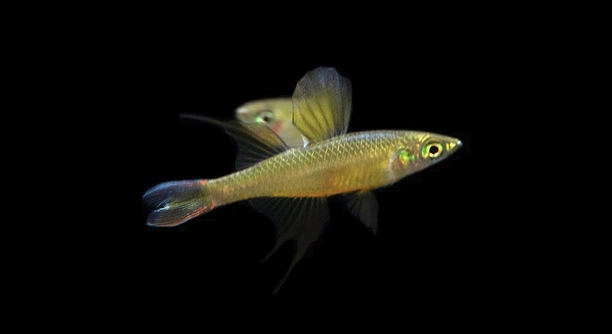
Have you ever noticed your threadfins suddenly darting away, reacting to sounds outside their tank that seem harmless to you but alarming to them?
Threadfins are highly sensitive to vibrations and unexpected noises, making them easily startled by sounds such as loud footsteps, closing doors, barking dogs, or even household appliances. Their acute hearing detects low-frequency vibrations that signal potential threats in their environment.
Recognizing the noises that cause stress in your threadfins can help you create a calmer and more secure habitat for them to thrive peacefully.
Common Household Noises That Startle Threadfins
Threadfins are peaceful and gentle fish, yet their sharp sensitivity to sound makes them easily frightened by noises you might overlook. Loud televisions, door slams, vacuum cleaners, and nearby conversations can cause them to dart or hide. Even subtle sounds, such as footsteps or the hum of a washing machine, create vibrations that travel through floors and tank stands, unsettling them. When these noises occur often, your fish may exhibit signs of stress like reduced feeding, erratic swimming, or fading color. Over time, frequent exposure to such disturbances can weaken their immune system and affect their overall health. Keeping their environment quiet and steady helps maintain their sense of safety and stability, which is essential for their well-being. Simple actions such as placing the tank away from high-traffic areas or using sound-dampening mats can make a noticeable difference in their comfort.
Noise sensitivity is a natural response for threadfins, and controlling the household environment is key to maintaining their balance and reducing unnecessary stress.
A quiet and stable setting encourages calm behavior, allowing threadfins to display their natural swimming patterns and interact peacefully within their habitat. By reducing loud household noises, you help your fish feel safer and healthier over time.
Outdoor and Environmental Sounds
Outdoor sounds like thunder, construction work, barking dogs, or heavy traffic can easily reach indoor aquariums. Threadfins, being sensitive to low frequencies, often react with sudden movements, showing signs of stress or fear.
Unlike household noises that can be managed through placement, outdoor disturbances may require extra care. If your home is near a busy road or exposed to loud outdoor activity, it helps to position the aquarium against an interior wall or in a sound-insulated room. Closing windows during noisy periods and adding thick curtains can also absorb external sounds. Some aquarists use aquarium backgrounds or foam padding behind tanks to reduce vibration transfer. During storms, it’s best to keep lighting dim and avoid tapping the glass, as this can intensify stress responses. Threadfins rely heavily on stability, and their well-being depends on an environment that feels consistently safe. Minimizing exposure to disruptive external sounds ensures they remain relaxed, active, and display their natural beauty without fear-driven behavior.
Sudden Human Activity Near the Tank
Threadfins can react strongly to abrupt human movement, such as walking quickly past the tank, waving hands nearby, or leaning over suddenly. These actions resemble predator movements and can cause instant panic, leading them to dart or hide.
Maintaining calm, steady motions around the tank helps reduce unnecessary stress. Threadfins interpret fast gestures as danger signals due to their instinctive sensitivity. Avoid tapping the glass or moving decorations when they are active, as these vibrations amplify their anxiety. If children or pets frequently pass by, consider setting the aquarium in a quieter corner where movement is minimal. A relaxed environment promotes consistent swimming patterns and steady feeding habits. Over time, your fish will associate your presence with safety rather than threat, which helps them display their natural, peaceful behavior comfortably and confidently within their tank.
Sudden activity not only startles threadfins but also disrupts their feeding schedule and resting patterns. Constant stress can make them skittish or prone to hiding for long periods. By being mindful of your actions, you protect their sense of security and prevent long-term behavioral changes. Calm surroundings and gentle interaction encourage their graceful nature to flourish, allowing them to move freely without fear or hesitation each day.
Vibrations from Appliances and Furniture
Vibrations from washing machines, speakers, or nearby refrigerators can disturb threadfins even if the noise seems mild to you. These subtle tremors travel through the floor and water, creating constant stress that may go unnoticed until behavior changes become visible.
Keeping the tank isolated from vibration sources is essential for their comfort. Place a soft, sound-absorbing mat under the stand to reduce transfer, and avoid setting aquariums near walls shared with appliances. Continuous vibrations can cause anxiety, decreased activity, or even illness due to ongoing stress. Observing their reactions helps identify when environmental adjustments are needed. Moving the tank slightly or changing its support base can make a noticeable improvement. Threadfins thrive in calm spaces where water remains undisturbed, and stable surroundings will keep them healthy, active, and confident in their environment.
Sounds from Other Pets
Barking dogs, chirping birds, or cats pawing near the tank can easily startle threadfins. These sounds carry through the air and water, causing them to hide or swim erratically as a natural defense response to perceived danger.
Keeping pets away from the aquarium area helps maintain a peaceful atmosphere. If this isn’t possible, creating barriers or using tank covers can help block noise. Threadfins thrive in quiet environments, and limiting exposure to other animals’ sounds prevents unnecessary stress that could affect their health and feeding habits.
Sudden Environmental Changes
Rapid changes in lighting or nearby sounds can confuse threadfins and disrupt their sense of stability. Turning on bright lights abruptly or dropping items near the tank creates sharp vibrations that alarm them. Keeping light transitions gentle and avoiding loud movements helps preserve their calm.
Human Voices and Music
Threadfins respond to sound frequencies, and raised voices or loud music can cause subtle distress. While gentle conversation may not bother them, repetitive loud tones can make them uneasy. Keeping background noise low allows threadfins to feel more secure and behave naturally, ensuring their comfort in a consistent and peaceful habitat.
What noises are threadfins most sensitive to?
Threadfins are highly sensitive to low-frequency sounds and sudden vibrations. Household noises like vacuum cleaners, washing machines, slamming doors, and loud footsteps can startle them. Even outdoor sounds such as thunder, traffic, or construction work may cause a stress response. Their acute hearing allows them to detect subtle disturbances in their environment that humans might overlook, making it essential to maintain a quiet and stable tank area.
How can I reduce stress from household noises?
Placing the tank away from high-traffic areas, using sound-dampening mats, or positioning it against interior walls helps reduce vibrations. Closing windows during noisy periods and limiting loud activities near the aquarium also lowers stress. Gentle movements and avoiding tapping the glass further support a calm environment for threadfins, allowing them to swim naturally without fear.
Do threadfins react differently to human activity?
Yes. Sudden gestures, quick walking near the tank, or leaning over quickly can trigger panic. Threadfins interpret abrupt movement as a potential threat. Maintaining slow, deliberate actions and consistent routines around the aquarium helps them feel secure. Children and pets should be monitored to minimize sudden disturbances.
Can other pets disturb threadfins?
Absolutely. Dogs barking, cats pawing, or birds chirping near the tank produce vibrations and sounds that threadfins perceive as danger. Restricting pets’ access, using barriers, or placing the tank in a quieter room can reduce disturbances. Limiting these exposures prevents stress-related behaviors and promotes natural activity patterns.
Do outdoor noises affect indoor aquariums?
Yes, sounds from thunderstorms, traffic, construction, or nearby machinery travel through walls and floors, disturbing threadfins. Positioning the aquarium against an interior wall, using thick curtains, or adding foam padding behind the tank reduces the impact of external noise. Minimizing these vibrations helps threadfins maintain their calm and regular swimming behavior.
How do vibrations from appliances affect threadfins?
Appliances such as refrigerators, washing machines, and speakers produce vibrations that travel through the floor and tank stand, causing stress even without loud noise. Using sound-absorbing mats and placing tanks away from heavy appliances reduces these vibrations. Stable surroundings keep threadfins comfortable, healthy, and less likely to hide or swim erratically.
Can threadfins get used to noises over time?
Some adaptation is possible if the sounds are consistent and not overly loud. Gradual exposure to mild, predictable noises may allow them to become less reactive. However, sudden, irregular, or very loud sounds will always trigger their natural startle response. Maintaining a calm environment remains the best approach to ensure their well-being.
What signs indicate my threadfins are stressed by sound?
Signs include hiding frequently, erratic swimming, reduced feeding, fading colors, and increased alertness. Constant stress can weaken their immune system and affect overall health. Observing these behaviors helps identify problem noises and implement adjustments to the tank environment.
Are there tools to help protect threadfins from startling sounds?
Yes. Soundproofing materials, thick curtains, foam padding, and aquarium stands designed to absorb vibrations can all help. Placing the tank in a quieter area of the home and minimizing sudden movements near the tank further reduces stress. Regular observation ensures these measures are effective.
How important is a quiet environment for long-term health?
A calm and stable environment is critical. Consistent exposure to loud or sudden noises can lead to chronic stress, behavioral changes, and weakened immunity. Reducing disturbances allows threadfins to swim, feed, and rest naturally, promoting longevity and maintaining their natural behavior patterns. A quiet setting is essential for their overall comfort and well-being.
This FAQ addresses the main sources of sound-related stress for threadfins and practical steps to minimize their impact, supporting a healthy and calm aquarium environment.
Word count: 532
Threadfins are gentle and sensitive fish that respond strongly to their environment. Loud or sudden noises, whether inside the home or from outside, can startle them and cause stress. Even small vibrations from footsteps, appliances, or other pets can affect their behavior. Over time, repeated disturbances may lead to changes in their swimming patterns, reduced feeding, or hiding for long periods. Observing these responses helps identify which sounds or movements trigger fear, allowing you to make adjustments that create a calmer habitat. Ensuring the tank is placed in a quiet, low-traffic area and reducing sudden movements nearby are simple but effective ways to protect your fish. A stable, peaceful environment allows threadfins to feel secure, display their natural behaviors, and maintain good health.
Minimizing environmental stress involves more than just avoiding loud noises. Subtle vibrations and rapid movements can be equally unsettling for threadfins. For instance, everyday activities such as closing doors, dropping items near the tank, or running a vacuum cleaner may seem normal to humans but can create strong reactions in these fish. Similarly, outdoor disturbances like traffic, thunderstorms, or nearby construction can reach the tank through walls and floors. Using sound-absorbing mats, thick curtains, or positioning the aquarium against interior walls can reduce the intensity of these disturbances. Even small steps, such as dimming lights gradually and moving slowly near the tank, help your threadfins feel safe and reduce their stress levels. Maintaining a consistent routine in their environment supports calm behavior and encourages them to feed and swim naturally.
Creating a supportive space for threadfins is about consistency and awareness. Quiet surroundings, careful placement of the tank, and attention to household activities all contribute to their overall well-being. Avoiding abrupt actions and limiting exposure to sudden or irregular noises ensures that threadfins feel secure in their habitat. Observing their behavior allows you to notice signs of stress early and make adjustments before it affects their health. Over time, a calm and stable environment will allow threadfins to thrive, swim confidently, and display their natural beauty without fear. Prioritizing their comfort helps them live a healthier, more active life, making the aquarium a peaceful space for both you and your fish.
Word count: 414

Hello,
If you enjoy the content that we create, please consider saying a "Thank You!" by leaving a tip.
Every little bit helps us continue crafting quality advice that supports the health, happiness, and well-being of pets around the world, for pets of all shapes, sizes, and species.
We really appreciate the kindness and support that you show us!