
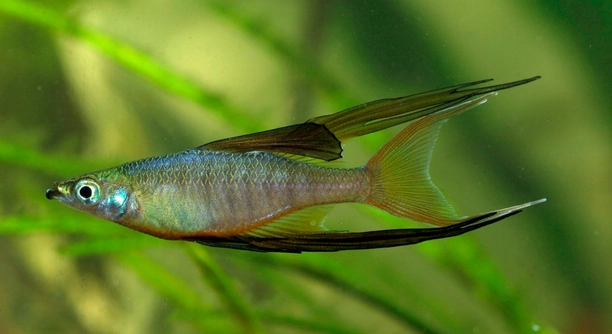
Do your Threadfin Rainbowfish sometimes dart away or hide suddenly, making their calm aquarium seem a bit unsettled? Their behavior can be puzzling, especially when they appear healthy and well cared for in their environment.
Threadfin Rainbowfish often act skittish due to sudden movements, bright lighting, or unfamiliar surroundings. Their sensitive nature makes them easily startled by changes in water flow, tank mates, or even reflections. Maintaining consistent conditions helps minimize their stress and promotes natural behavior.
Small details in their surroundings can make a big difference in how secure they feel each day.
Understanding Their Sensitive Nature
Threadfin Rainbowfish are naturally timid fish that thrive in calm, steady environments. Their delicate bodies and flowing fins make them easily startled by sudden noise, movements, or flashes of light. Even subtle vibrations or abrupt shadows can cause them to dart away for safety. This behavior stems from their survival instincts in the wild, where they live in slow-moving rivers with dense vegetation. They rely on quick reflexes to avoid potential threats. When placed in aquariums, these instincts remain strong, especially in brightly lit tanks or areas with frequent human activity. Creating a peaceful setup that mirrors their natural surroundings helps them feel secure and reduces their tendency to hide.
When Threadfin Rainbowfish appear skittish, it is not always a sign of distress. It often reflects their natural caution and awareness of their surroundings, particularly when adjusting to new environments or companions.
Reducing bright lighting, maintaining stable water parameters, and providing plenty of plants for cover can significantly improve their comfort. When they feel safe, their behavior becomes more relaxed, allowing their graceful swimming and vibrant colors to shine. Patience and consistency go a long way toward helping these gentle fish settle in and express their calm, social side naturally over time.
Creating a Calmer Habitat
A calm habitat plays a key role in easing Threadfin Rainbowfish behavior. Their environment directly influences their sense of safety, confidence, and overall well-being.
To make your Threadfin Rainbowfish feel more at ease, focus on minimizing stressors and keeping the aquarium conditions stable. Start by providing plants like Java moss or Anubias, which offer shelter and a sense of security. Floating plants also help soften lighting, reducing harsh reflections that can trigger anxiety. Avoid placing the tank near high-traffic areas or loud noises. Maintaining consistent water temperature and gentle filtration helps mimic their natural habitat. Introducing peaceful tank mates prevents unnecessary tension, allowing them to display their social nature. When feeding, move slowly and avoid sudden motions that may startle them. Over time, these adjustments help build trust, and the fish will become more visible and active. Establishing a calm, balanced environment ensures that your Threadfin Rainbowfish thrive, showing off their true beauty and peaceful temperament.
Common Triggers of Skittish Behavior
Threadfin Rainbowfish often become startled by sudden movements, bright lighting, or reflections in the tank. Even routine maintenance or quick gestures near the glass can cause them to retreat suddenly, especially in smaller or sparsely decorated aquariums.
Unstable water conditions, aggressive tank mates, and poor lighting setups can also make these fish uneasy. Temperature fluctuations or loud sounds from nearby rooms can heighten their stress. Their naturally cautious temperament makes them sensitive to subtle disturbances that other fish might ignore. Ensuring gentle filtration, balanced water chemistry, and soft, indirect lighting helps them adapt better to their surroundings. Gradual acclimation to new environments allows them to adjust without feeling threatened.
The layout of the aquarium also affects their comfort level. A setup with open swimming areas combined with dense plants or driftwood helps them feel both secure and free to move. Consistency and calm surroundings are essential to maintaining their confidence.
Encouraging Relaxed Behavior
Encouraging relaxed behavior begins with patience and steady care. Threadfin Rainbowfish thrive when they sense stability and predictability in their daily environment, especially in lighting, feeding, and water changes. Regular routines help them feel safe enough to explore more freely.
Introducing peaceful tank mates like small rasboras or tetras supports their calm nature. Avoid fast or aggressive species that may intimidate them. Keep lighting dim or filtered, and maintain moderate water flow to replicate their gentle river habitats. Feeding should be slow and steady, as rushing can make them anxious. Over time, consistent care builds trust, and they begin to swim openly without darting away. Creating a stable, peaceful space helps them express their natural beauty and calm behavior more confidently, making your aquarium a soothing environment for both the fish and the observer.
Signs of Stress in Threadfin Rainbowfish
When Threadfin Rainbowfish feel stressed, they often display quick darting, hiding for long periods, or fading colors. Their usual graceful swimming becomes erratic, and they may avoid eating or interacting with other fish in the tank.
Prolonged stress can lead to weakened immunity and increased vulnerability to illness. Faded colors or frayed fins may appear if conditions remain unstable. Paying close attention to these small behavioral changes helps identify problems early, allowing you to correct environmental or social factors before they affect the fish’s long-term well-being.
Maintaining Stability in the Tank
Keeping the tank consistent is essential for their comfort. Frequent water changes should be small and regular to prevent sudden parameter shifts. Always check temperature, pH, and ammonia levels before and after adjustments. Avoid rearranging decorations too often, as it can disrupt their sense of familiarity. Feeding schedules and light cycles should also remain predictable to reduce anxiety and encourage steady behavior over time.
Observing Positive Changes
As conditions stabilize, Threadfin Rainbowfish begin swimming gracefully in open areas and show brighter, more vibrant colors. They interact calmly with tank mates and feed without hesitation, signaling that they finally feel secure in their environment.
FAQ
Why do my Threadfin Rainbowfish suddenly hide more than usual?
Sudden hiding behavior often happens when they feel unsafe or sense too much activity around the tank. Loud noises, sudden movements, or tank maintenance can startle them easily. Even bright room lights or reflections can make them retreat into plants or behind decorations. If this behavior continues, check for new stressors such as water changes, new fish, or an altered layout. Maintaining calm surroundings and providing dense vegetation for cover helps them feel secure. Once they regain confidence, they usually return to their normal swimming patterns.
Can water quality cause my Threadfin Rainbowfish to act skittish?
Yes, poor water quality is one of the most common reasons for nervous or erratic behavior. Threadfin Rainbowfish are highly sensitive to ammonia, nitrite, and sudden pH shifts. Inconsistent temperatures or dirty filters can also increase their stress. Test water parameters weekly and ensure consistent filtration. If ammonia or nitrite levels rise, perform partial water changes immediately. Use dechlorinated water and avoid changing too much at once to prevent shocking them. Stable water quality helps them stay active, calm, and display their full coloration without signs of distress.
Do Threadfin Rainbowfish get scared of other fish?
They do, especially when housed with fast or dominant species. Aggressive tank mates can easily make them feel threatened, even if no direct harm occurs. To keep them relaxed, choose companions that share their peaceful nature and gentle swimming habits. Small rasboras, pygmy corydoras, or similar-sized rainbowfish make ideal companions. Avoid barbs or large tetras that dart quickly, as these movements can cause anxiety. Balanced group dynamics reduce skittish behavior and encourage natural schooling patterns, helping them feel safe and confident in the aquarium.
How long does it take for Threadfin Rainbowfish to adjust to a new tank?
Adjustment periods vary, but it generally takes one to two weeks for them to settle in. During this time, they may hide frequently or appear less active. Keep lighting low and avoid excessive movement near the tank. Feed lightly and maintain consistent water conditions. Over time, as they recognize a stable and calm environment, they begin to explore more freely. Once they adapt, they display smoother swimming, brighter colors, and a visible sense of ease in their surroundings. Patience during this period makes a significant difference.
Why do my Threadfin Rainbowfish lose color when frightened?
Color fading is a natural response to stress or fear. When startled, their body temporarily reduces pigmentation as part of a defense mechanism. Bright lights, sudden shadows, or quick changes in environment can trigger this. Usually, color returns once they calm down. Consistent lighting, soft background colors, and gentle movement around the tank help reduce these stress responses. Healthy diet and steady care further enhance their vibrancy, allowing them to show their full, shimmering hues.
Is it normal for Threadfin Rainbowfish to be shy when alone?
Yes, they are schooling fish and depend on the presence of others for comfort and confidence. A single Threadfin Rainbowfish often feels exposed and vulnerable, leading to timid or withdrawn behavior. Keeping them in small groups of at least six allows them to feel more secure and display natural social interactions. In groups, they communicate through subtle movements and maintain gentle coordination. Their confidence improves noticeably, and they spend more time swimming in open spaces.
How can I make my Threadfin Rainbowfish feel safer?
Provide an environment that feels familiar and predictable. Include live plants, driftwood, and hiding spots where they can retreat if startled. Use soft, diffused lighting instead of harsh illumination. Maintain consistent feeding times and gentle filtration to avoid strong water currents. Place the tank in a quiet area, away from direct foot traffic or television noise. Avoid tapping on the glass, which can easily frighten them. Over time, this calm setting helps them develop trust, making their behavior more relaxed and steady.
Why do my Threadfin Rainbowfish dart to the surface suddenly?
This can happen when they are startled, or the water’s oxygen levels are too low. Poor aeration, high temperatures, or overcrowding can reduce oxygen, forcing them to move upward. Ensure your filter provides enough surface agitation and avoid overstocking the tank. Checking the temperature and adding an air stone can also help. If darting continues even after fixing these issues, observe for aggressive tank mates or reflective surfaces that may be causing fear. Correcting these factors usually restores calm, consistent swimming behavior.
Do Threadfin Rainbowfish ever outgrow their skittish behavior?
While they may always remain a bit cautious, most become significantly calmer once they adapt to their surroundings. Consistency in care builds trust over time. When they recognize a stable environment and safe tank mates, they show greater confidence. Their movement becomes smoother, and they interact more naturally during feeding and swimming. Maintaining predictable conditions and gentle handling ensures they continue to thrive without unnecessary fear.
Final Thoughts
Threadfin Rainbowfish are delicate and graceful creatures that bring elegance to any aquarium. Their gentle nature and shimmering fins make them stand out, yet this same sensitivity often leads to skittish behavior when their surroundings change. Understanding that their reactions are instinctive rather than problematic helps create a better environment for them. These fish are naturally cautious because, in the wild, they rely on quick movements to escape predators. When placed in a home aquarium, those instincts remain strong, especially if the setup lacks stability or hiding spaces. The key to keeping them comfortable is patience, observation, and consistency in care. With time, their nervous tendencies ease, and they begin to show more confidence as they learn to trust their surroundings.
Creating a safe space for Threadfin Rainbowfish involves attention to detail. Simple factors like soft lighting, stable water parameters, and the presence of calm tank mates can have a large impact on their comfort level. They thrive in environments that mimic slow-flowing rivers, surrounded by plants that provide both shelter and shade. Introducing live plants, gentle filtration, and areas for retreat can make them feel more secure. It’s important to remember that sudden changes—whether in temperature, water chemistry, or layout—can easily startle them. Gradual adjustments are always better. Once they feel safe, they begin to swim more openly, showing off their full range of movement and natural colors. Watching them glide gracefully through a calm tank is a sign that your care efforts are working effectively.
Over time, you’ll notice that Threadfin Rainbowfish develop more stable routines when their environment remains predictable. They become more visible, more active during feeding, and interact peacefully with each other. The sense of calm they bring to a balanced aquarium is truly rewarding. Their skittish behavior, once understood, becomes a reminder of how closely they remain connected to nature, even in a domestic setting. These fish respond best to patience and gentle handling, rewarding consistent care with beauty and tranquility. By giving them a space that feels safe, you not only support their well-being but also create an environment that reflects balance and harmony. With careful attention, Threadfin Rainbowfish can thrive beautifully, transforming a simple aquarium into a peaceful aquatic display full of quiet grace and life.

Hello,
If you enjoy the content that we create, please consider saying a "Thank You!" by leaving a tip.
Every little bit helps us continue crafting quality advice that supports the health, happiness, and well-being of pets around the world, for pets of all shapes, sizes, and species.
We really appreciate the kindness and support that you show us!