
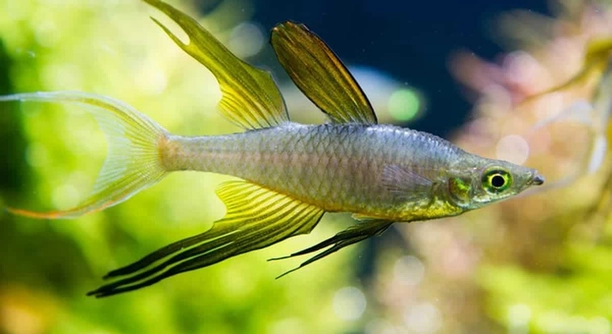
Do you ever notice your threadfins swimming nervously during routine tank cleaning? Many aquarium enthusiasts observe subtle reactions from their fish when vibrations ripple through the water. These responses can vary depending on the fish’s temperament and environment.
Threadfins do respond to tank vibrations during cleaning. They are sensitive to sudden movements and water disturbances, which can trigger stress responses or alter swimming patterns. Minimizing strong vibrations helps maintain their normal behavior and overall well-being.
Observing these reactions carefully can help you create a calmer environment for your fish while maintaining a clean and healthy tank.
How Threadfins Sense Vibrations
Threadfins have a lateral line system, a specialized sensory organ running along their bodies. This system detects subtle changes in water pressure and vibrations. During tank cleaning, movements from hands, equipment, or water flow generate waves that threadfins can feel. Their reactions can range from brief darting movements to hiding in plants or decorations. Even minor disturbances may make them pause and observe, as their instincts tell them to remain cautious. Younger or more timid fish often respond more noticeably than older or accustomed fish. Over time, threadfins may become accustomed to regular cleaning if done gently and consistently. Still, sudden changes in speed or force can trigger stress. Providing hiding spots, maintaining consistent cleaning routines, and minimizing abrupt vibrations helps keep threadfins calm. Their responses are natural survival instincts, reflecting their sensitivity to environmental changes and the need for a safe, stable habitat. Proper understanding allows aquarists to manage care effectively.
Gentle and predictable cleaning reduces stress for threadfins. Their responses lessen when vibrations are consistent and minimal.
A quiet approach while cleaning, along with soft movements and avoiding dropping equipment, ensures threadfins feel secure. Over time, they associate these moments with normal activity rather than danger. Maintaining water quality and a stable environment supports their health while reducing unnecessary stress. By observing behavior carefully, aquarists can adjust techniques, ensuring both cleanliness and comfort.
Minimizing Stress During Tank Maintenance
Providing plants, rocks, or hiding spots allows threadfins to retreat when vibrations occur. They feel safer and are less likely to panic.
Regular cleaning routines, using slow and deliberate movements, reduce sudden disturbances. Threadfins are sensitive, so avoiding splashing and loud noises helps. Monitoring their reactions during each session allows adjustments to technique. Gradually introducing changes in cleaning tools or methods can prevent startling them. Using soft brushes or low-flow water streams limits strong water currents, which can trigger stress. Additionally, spacing cleaning tasks across several days instead of completing everything at once gives threadfins time to recover. Maintaining consistent light and temperature conditions during cleaning further supports calm behavior. Observing their natural swimming patterns helps identify when stress occurs. Combining environmental enrichment with careful cleaning ensures threadfins remain healthy, reducing the likelihood of disease or aggression caused by stress. Ultimately, a mindful approach fosters a harmonious tank where threadfins can thrive alongside regular maintenance.
Signs of Stress in Threadfins
Threadfins show stress through erratic swimming, hiding frequently, or loss of appetite. Changes in coloration or slower movement can also indicate discomfort caused by vibrations during tank cleaning.
Stress can affect threadfins’ overall health. When exposed to repeated vibrations, they may spend more time in hiding spots and avoid swimming in open areas. Appetite can decrease, leading to slower growth or weight loss. Prolonged stress can weaken their immune system, making them more susceptible to disease. Observing these behaviors consistently helps identify whether cleaning routines are too disruptive. Adjusting the pace of cleaning, minimizing sudden movements, and keeping equipment noise low can reduce stress. Threadfins respond best when their environment feels predictable and secure, and they are given time to acclimate to regular maintenance.
Other signs include fin clamping, increased gill movement, or staying near the water surface. These indicate the fish are uncomfortable. Providing quiet, calm periods after cleaning allows them to recover quickly. Creating a stable environment with plenty of hiding spots helps threadfins regain confidence. Adjusting water flow and cleaning gently reduces panic responses, keeping fish active and healthy. Monitoring these behaviors over time ensures interventions are effective and the fish remain comfortable.
Tools and Techniques to Reduce Vibrations
Using soft brushes, low-flow siphons, or sponge cleaners minimizes water movement. Gentle tools prevent sudden disturbances and reduce stress.
Selecting the right tools for tank maintenance is crucial for sensitive fish like threadfins. Avoiding high-pressure streams or dropping equipment into the water prevents strong vibrations. Moving slowly and methodically while cleaning avoids startling fish. Placing gravel or substrate tools gently instead of scraping aggressively helps maintain stability in the tank. Maintaining consistent water flow and using equipment designed for low disruption supports a calmer environment. Threadfins adjust better when they experience minimal sudden movement. Observing reactions during cleaning can guide further adjustments to technique. Consistent routines and patience ensure maintenance is effective while preserving fish well-being.
In addition to careful tool use, spreading cleaning tasks over several short sessions can reduce prolonged stress. Combining this with strategically placed hiding spots and gradual acclimation to equipment movement allows threadfins to remain calm. Monitoring for subtle behavioral changes ensures they recover quickly, maintaining healthy interactions with their environment. This method supports both the cleanliness of the tank and the long-term welfare of the fish. Small, deliberate adjustments make a significant difference in reducing vibrations and preventing stress.
Timing Your Tank Cleaning
Cleaning during the fish’s least active periods helps reduce stress. Threadfins are calmer when they are naturally resting or less energetic.
Avoid sudden or frequent cleaning during peak activity times. Consistent schedules allow threadfins to anticipate maintenance, minimizing panic and disruption.
Maintaining Consistent Water Flow
Strong currents or sudden water movement can alarm threadfins. Using gentle, steady water flow keeps them comfortable and reduces startling vibrations. Slow adjustments to pumps or filters prevent abrupt changes that can trigger stress. Observing their behavior helps identify optimal flow levels. Regularly monitoring and fine-tuning water circulation ensures a stable environment.
Using Hiding Spots Effectively
Plants, rocks, and decorations give threadfins safe areas to retreat during cleaning. These spots help them feel secure and reduce visible stress responses.
FAQ
Do threadfins get stressed easily during tank cleaning?
Yes, threadfins are sensitive to sudden vibrations and movements in their environment. Even minor disturbances can trigger temporary stress responses, such as hiding, darting, or reduced activity. They respond to changes in water pressure, so gentle and predictable cleaning is important.
How can I tell if my threadfins are stressed?
Signs of stress include erratic swimming, clamped fins, hiding more than usual, or decreased appetite. Some threadfins may also stay near the surface or show pale coloration. Observing these behaviors consistently helps determine if cleaning routines are too disruptive.
What tools are best for minimizing vibrations?
Soft brushes, sponge cleaners, and low-flow siphons are ideal. Avoid high-pressure hoses or dropping equipment into the tank. Moving slowly and deliberately while cleaning prevents sudden vibrations that startle threadfins and allows them to remain calm.
Should I clean the tank less often to reduce stress?
No, regular cleaning is still necessary for water quality and fish health. Instead, focus on gentle methods and spreading cleaning tasks over shorter sessions. This maintains a healthy tank without overwhelming the fish with strong vibrations.
Can hiding spots help during cleaning?
Yes, providing plants, rocks, or other decorations gives threadfins safe spaces to retreat. They feel secure when they have options to hide, which reduces panic responses and allows them to remain calm throughout maintenance.
Does the time of day matter for cleaning?
Cleaning during less active periods, when threadfins are naturally calmer, reduces stress. Avoid cleaning during peak activity times, as sudden disturbances are more likely to provoke noticeable reactions. Consistent timing helps threadfins anticipate maintenance and feel safer.
How do I adjust water flow to minimize stress?
Strong currents can alarm threadfins. Using gentle, steady water movement, gradually adjusting pumps or filters, and monitoring fish behavior helps maintain a stable and comfortable environment for them. Fine-tuning circulation ensures less stress during cleaning.
What should I do if my threadfins appear stressed after cleaning?
Give them quiet time to recover, maintain normal water conditions, and avoid further disturbances. Ensure hiding spots are accessible, and observe their behavior over several hours. Gradual acclimation and gentle care help them return to normal activity.
Can repeated stress affect health?
Yes, chronic stress weakens the immune system, reduces appetite, and can lead to slower growth or illness. Consistently minimizing vibrations and disturbances is key to preventing long-term health issues and maintaining a stable environment for threadfins.
Are some threadfins more sensitive than others?
Individual temperament and age influence sensitivity. Younger or more timid fish may react more strongly to vibrations, while older, accustomed fish may tolerate maintenance better. Observing each fish’s response helps tailor cleaning routines for minimal stress.
How can I gradually acclimate threadfins to cleaning?
Start with short, gentle sessions and slowly increase duration over time. Use soft tools, minimize splashing, and maintain consistent water flow. Threadfins gradually learn that cleaning is a normal event, reducing panic and stress with each session.
Do vibrations from outside the tank affect them?
Yes, vibrations from nearby footsteps, tapping, or equipment can disturb threadfins. Minimizing external noise and movement around the tank, especially during cleaning, helps keep them calm and less reactive.
Is it better to clean all at once or in stages?
Cleaning in stages is often less stressful. Spreading tasks over multiple short sessions avoids prolonged disturbance and allows threadfins to adjust to each step. This approach balances tank maintenance with the fish’s comfort.
Can adjusting lighting help during cleaning?
Yes, keeping lights at normal levels or slightly dimming during cleaning reduces sudden visual stress. Bright, flickering lights combined with vibrations can amplify anxiety in sensitive threadfins.
How long does it take for threadfins to calm down after cleaning?
Recovery time varies, but most threadfins return to normal behavior within minutes to an hour. Providing hiding spots and avoiding further disturbances ensures they regain confidence and resume regular activity comfortably.
Are there specific cleaning habits that help prevent stress?
Yes, maintaining a predictable routine, using gentle tools, moving deliberately, and spreading tasks across short sessions all reduce vibrations. Observing fish reactions and making small adjustments ensures maintenance is effective while keeping threadfins calm and healthy.
This FAQ covers common concerns about threadfins’ responses to tank vibrations. Following these practices creates a calmer environment and ensures both tank cleanliness and fish well-being.
Threadfins are naturally sensitive fish, and their reactions to vibrations during tank cleaning are normal behaviors rooted in survival instincts. They rely on their lateral line system to detect changes in water movement, which allows them to sense potential threats. Even small disturbances from cleaning equipment, hands, or water flow can trigger these responses. Observing how threadfins react during maintenance provides valuable insight into their comfort level and helps aquarists adjust their approach. Over time, gentle and consistent cleaning practices can minimize stress and create a more predictable environment for them. By understanding their sensitivity, it becomes easier to balance maintaining a clean tank with supporting the fish’s well-being.
Minimizing stress for threadfins involves more than just careful handling during cleaning. Providing sufficient hiding spots, such as plants, rocks, or decorations, allows fish to retreat when they feel threatened. Adjusting water flow, using soft tools, and cleaning in stages rather than all at once also reduces sudden disturbances. Timing the cleaning for less active periods and maintaining consistent lighting further helps threadfins feel secure. Monitoring their behavior during and after maintenance allows for fine-tuning of routines. Small, deliberate changes in cleaning methods can significantly reduce stress responses, ensuring the fish remain healthy and active. Over time, threadfins can gradually become accustomed to maintenance procedures, allowing both the tank and the fish to thrive.
Consistent observation and careful planning are key to creating a calm environment for threadfins during cleaning. Understanding their natural instincts, recognizing signs of stress, and implementing simple techniques for minimizing vibrations go a long way in supporting their health. It is important to remember that every fish is different, and some may require extra patience and attention to adapt. By prioritizing gentle, predictable maintenance routines and providing adequate shelter, aquarists can ensure threadfins remain comfortable and confident in their habitat. A well-maintained tank not only benefits the fish but also enhances the overall enjoyment of aquarium keeping, as healthy, calm threadfins are easier to observe and care for. Consistency, care, and attention to their environment ultimately result in a harmonious space where threadfins can thrive with minimal stress.

Hello,
If you enjoy the content that we create, please consider saying a "Thank You!" by leaving a tip.
Every little bit helps us continue crafting quality advice that supports the health, happiness, and well-being of pets around the world, for pets of all shapes, sizes, and species.
We really appreciate the kindness and support that you show us!