
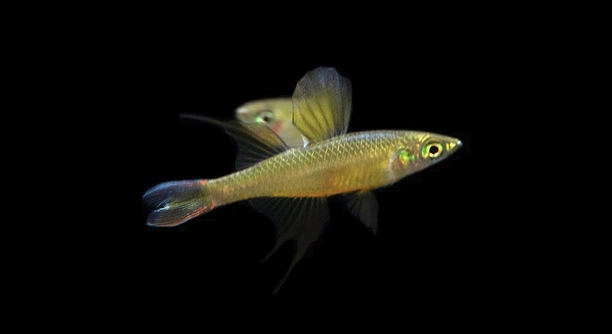
Have you ever noticed threadfins lingering near the thermometer while you watch them in your tank? These fish often stay close to warmer water areas, making their behavior seem deliberate and consistent throughout the day.
Threadfins tend to remain near the thermometer because they are attracted to slightly warmer water temperatures. Warmer areas enhance their metabolism, aid digestion, and provide comfort, which naturally encourages them to congregate in zones that are consistently heated within the tank.
Observing these patterns can help you create a healthier environment and better understand the subtle preferences of your threadfins.
Understanding Threadfins’ Temperature Preferences
Threadfins are naturally drawn to warmer water, which mimics conditions in their natural habitats. In the wild, these fish often stay in shallow, sunlit areas where water is warmer and oxygen levels are stable. Warmer temperatures help their metabolism work efficiently, allowing them to swim actively and digest food properly. You may notice your threadfins hovering near the thermometer not out of curiosity but because they instinctively seek comfort. These areas also provide a sense of security, as the consistent temperature creates a familiar environment. Observing this behavior can help you adjust your tank setup, ensuring there are warm zones for your fish to retreat to when they feel stressed or need to regulate their body functions. This small adjustment can make a significant difference in their overall activity, growth, and general well-being, making your care routine more effective.
Warm water areas often act as resting spots that keep threadfins active and healthy.
By paying attention to the placement of heaters, thermometers, and decorations in your tank, you can guide your threadfins toward warmer regions without overcrowding. Proper circulation ensures temperature is consistent, and monitoring water quality prevents harmful fluctuations. You may notice some fish preferring specific corners or spots around the heater; this is normal. Observing these patterns allows you to fine-tune the tank environment, creating zones that balance warmth and oxygen levels. Keeping a thermometer at multiple points helps ensure accuracy, especially if you have a larger tank. Additionally, providing open swimming space near warmer areas lets the fish move freely, reducing stress. Temperature regulation also supports feeding routines, as threadfins tend to eat more actively in optimal conditions. Consistent attention to these details can lead to a more lively tank, improving both the health of the fish and your experience in caring for them.
Signs Your Threadfins Are Comfortable
Comfortable threadfins swim steadily and interact with tank mates without sudden darting.
When fish stay near the warmer zones without showing signs of stress, it is a good indicator that your tank conditions are meeting their needs. You may notice more regular feeding behavior and smoother swimming patterns. Watching them in these areas over time reveals their temperature preferences and helps you understand how to maintain stability. Ensuring the water remains within an ideal range reduces illness risk, supports growth, and encourages natural behaviors. By arranging the tank thoughtfully and keeping the heater in a reliable position, you create a stable habitat where threadfins feel safe and active. This balance between warm spots and cooler areas allows for movement, exploration, and comfort, which is essential for their long-term well-being. Consistent observation and adjustments make caring for these fish straightforward and rewarding.
How Temperature Affects Feeding
Threadfins eat more actively in warmer water, which helps them gain energy and maintain healthy growth. Lower temperatures can slow digestion and reduce appetite.
Warmer areas in the tank stimulate their metabolism, making feeding more efficient. When threadfins stay near the thermometer, they are often in a spot where they feel safe and energized to eat. This consistent temperature allows them to process food better, preventing digestive problems that can arise from cooler zones. Providing access to slightly warmer water ensures they get the nutrients they need while maintaining regular feeding habits. Watching where they eat can help you plan feeding locations and times effectively.
Feeding habits also indicate comfort levels. If threadfins avoid cooler areas, it shows how sensitive they are to temperature changes. Observing these patterns helps you adjust your tank setup.
Maintaining a Balanced Tank Environment
Proper circulation and heater placement prevent cold spots that could stress threadfins. Regular temperature checks keep conditions stable.
By keeping water movement balanced, warm and cooler areas mix naturally, preventing extreme temperature zones. Heaters should be positioned to allow gradual heat distribution rather than creating a single hot spot. Checking thermometers in multiple spots ensures you catch any fluctuations early. Threadfins are sensitive to sudden temperature drops, which can weaken their immune systems. Balancing oxygen levels and maintaining clean water complements temperature control, supporting overall health. Consistent monitoring of both temperature and water quality reduces stress and encourages natural behaviors. Paying attention to their favorite spots near the thermometer guides small adjustments for a stable habitat.
Creating warm zones without overcrowding supports swimming freedom and resting spots. Observing how your threadfins move throughout the tank helps fine-tune the environment to keep them active, comfortable, and thriving.
Recognizing Stress Signals
Threadfins may dart erratically or hide if temperatures are too low. These behaviors indicate discomfort and require attention.
Lethargy and reduced appetite are common signs when fish avoid warmer areas. Observing their daily routines helps identify issues before they escalate, ensuring a healthier environment.
Adjusting Heater Placement
Placing heaters near areas where threadfins naturally gather helps maintain stable water temperatures. Proper placement reduces cold spots and encourages regular movement throughout the tank.
Seasonal Temperature Changes
Water temperature can shift with seasonal changes, affecting threadfins’ activity. Monitoring and adjusting accordingly keeps conditions consistent.
FAQ
Why do my threadfins stay near the thermometer all the time?
Threadfins naturally prefer slightly warmer water. Staying near the thermometer often means they are finding the warmest, most comfortable area in the tank. Warmer zones help their metabolism, digestion, and overall activity. If you notice them spending most of their time in one spot, it is usually a sign they are seeking stability and comfort. Observing this behavior can guide you in adjusting heater placement or adding decorations to create safe, warm areas throughout the tank.
Can threadfins get stressed from uneven water temperatures?
Yes, threadfins are sensitive to sudden or uneven temperature changes. Cold spots can cause stress, reduce appetite, and weaken their immune systems. Proper circulation, multiple thermometers, and careful heater placement can help minimize temperature swings. Watching their behavior, such as darting or hiding, can indicate stress. Creating a balanced environment prevents discomfort and supports natural activity patterns. Regular monitoring ensures that temperature is stable across the tank, keeping your fish healthy and reducing unexpected health issues.
Is it normal for threadfins to gather in groups near the heater?
Yes, threadfins often gather near warmer areas for comfort and social reasons. In nature, they naturally seek out sunlit or warmer zones, so this behavior is instinctive. Grouping near the heater helps them stay active and supports digestion. It also allows them to feel secure in a familiar temperature zone. Observing these patterns over time can help you understand their preferred areas. Ensuring enough space around the heater prevents overcrowding and allows all fish to benefit from the warmth.
How can I tell if my threadfins are too cold?
Signs of cold stress include lethargy, slower swimming, hiding, or reduced feeding. Threadfins may avoid the cooler areas entirely, staying in warm zones longer than usual. Maintaining a consistent temperature and monitoring their activity helps prevent these issues. Gradual adjustments in water temperature are safer than sudden changes. Providing warm resting areas and ensuring proper circulation reduces the risk of cold stress, keeping the fish more active and healthy. Observation over time helps you notice subtle changes before they become serious.
Do I need to move the thermometer if my threadfins avoid certain areas?
Yes, adjusting thermometer placement can help you understand temperature distribution. If threadfins avoid certain parts of the tank, those areas may be too cool or unstable. Monitoring multiple spots ensures that heat is evenly spread. Positioning heaters and thermometers strategically encourages even swimming patterns. Observing where your fish spend their time helps you identify and correct cold spots. Proper placement reduces stress, improves feeding habits, and keeps all areas of the tank comfortable.
Can seasonal changes affect how my threadfins behave near the thermometer?
Absolutely. Seasonal changes can alter room or water temperature, influencing where threadfins gather. They may seek warmer spots more actively during cooler months or spread out more when the water is naturally warmer. Monitoring these patterns allows you to adjust heaters or circulation systems to maintain stable conditions. Consistent temperature control during seasonal shifts ensures threadfins remain active, eat properly, and avoid stress. Small adjustments, like repositioning heaters or using insulation, help maintain their preferred environment.
Will adding more heaters confuse my threadfins?
Adding multiple heaters is fine if done carefully. Threadfins respond to stable warmth rather than the number of heaters. Spread heaters evenly to avoid extreme hot spots. Multiple heaters can actually improve comfort in larger tanks by keeping temperatures uniform. Observing where your threadfins gather helps you decide the best placement. Avoid clustering heaters too closely, as this may create intense hot zones that the fish will avoid. Properly distributed warmth keeps activity levels consistent and supports healthy feeding behavior.
How often should I check the tank temperature?
Daily checks are ideal, especially if you have sensitive fish like threadfins. Monitoring both the thermometer and observing their behavior ensures consistency. Temperature can fluctuate due to room conditions, seasonal changes, or equipment variations. Regular checks allow you to catch issues early and make small adjustments before stress occurs. Observing your fish alongside readings gives a better picture of their comfort, ensuring the tank environment supports healthy activity and growth.
Can uneven temperature cause aggression among threadfins?
Yes, cooler areas can create stress that leads to minor aggression. Fish may compete for the warmest spots or become more territorial when uncomfortable. Ensuring stable, evenly distributed temperatures reduces competition and promotes calm social behavior. Providing multiple warm zones helps reduce conflict and supports a peaceful tank environment. Observing interactions in relation to temperature helps identify potential problem areas. Adjusting heaters and circulation can prevent aggressive behavior and maintain balance among all fish in the tank.
Are there signs my threadfins are too warm?
Yes, if the water is too warm, threadfins may gasp at the surface, show rapid gill movement, or become lethargic. Overheating can reduce oxygen levels and cause stress. Maintaining the recommended temperature range and ensuring proper aeration helps prevent these problems. Watching for changes in swimming patterns, feeding, or breathing helps detect overheating early. Small adjustments, such as slightly lowering heater settings or increasing water flow, can restore balance. Proper temperature control ensures your threadfins remain active, healthy, and comfortable throughout the day.
This FAQ section provides practical tips and observations to maintain the right temperature for threadfins, ensuring their health and comfort in your tank.
Final Thoughts
Threadfins are sensitive fish that naturally seek out warmer areas in their tanks. Their habit of lingering near the thermometer is not random; it reflects a need for comfort, stability, and proper metabolic function. Warm water helps them digest food efficiently, remain active, and reduce stress. Observing where your threadfins spend most of their time can give you a lot of information about their preferences and overall well-being. It is helpful to create consistent warm zones in the tank and monitor these areas closely. By doing so, you provide a controlled environment that supports their natural behaviors, which can lead to healthier and more active fish. Paying attention to small details, like the placement of heaters, thermometers, and decorations, makes a real difference in their daily lives.
Maintaining stable water temperature is essential for threadfins’ health. Fluctuations in temperature, whether from seasonal changes, uneven heater placement, or room conditions, can cause stress, reduce feeding, and increase the risk of illness. Regular observation is important; watch how your threadfins move, eat, and interact with one another. Lethargy, hiding, or avoiding certain areas may indicate temperature issues that need adjustment. Using multiple thermometers to monitor different parts of the tank can help ensure that warmth is evenly distributed. Circulation is another key factor. Proper water movement keeps temperature consistent and prevents hot or cold spots, which can disrupt behavior. By combining careful monitoring, proper heater placement, and balanced circulation, you can create an environment that encourages healthy activity and growth.
Finally, understanding your threadfins’ preferences requires patience and observation. Each fish may have slightly different comfort zones, and noticing these differences can help you adjust the tank to suit them all. Warm areas should be easily accessible without overcrowding, allowing fish to move freely between warmer and cooler sections as needed. Observing behavior during feeding, resting, and social interactions will give insight into whether your tank setup is meeting their needs. Creating a stable, predictable environment reduces stress, supports natural activity, and encourages proper feeding habits. With consistent attention to temperature and careful adjustments, your threadfins can thrive, remain active, and display natural behaviors that make caring for them rewarding. Simple changes, like optimizing heater placement and monitoring warm zones, have a lasting impact on their health and comfort.

Hello,
If you enjoy the content that we create, please consider saying a "Thank You!" by leaving a tip.
Every little bit helps us continue crafting quality advice that supports the health, happiness, and well-being of pets around the world, for pets of all shapes, sizes, and species.
We really appreciate the kindness and support that you show us!