
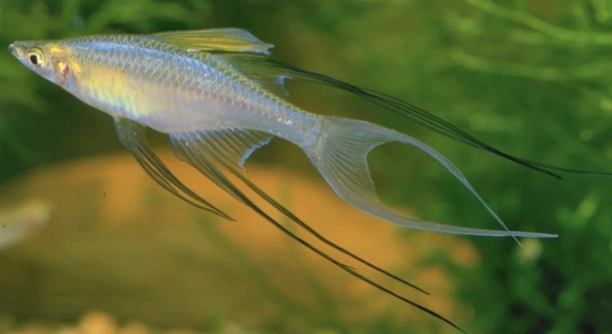
Threadfin rainbowfish are small, colorful fish that bring life to any aquarium. Many owners enjoy watching their active swimming patterns and vibrant colors, but these fish also need activities to stay healthy and mentally engaged.
Providing enrichment for threadfin rainbowfish involves offering varied environments, stimulating their natural behaviors, and introducing safe objects or plants. Activities like rearranging tank décor, adding floating plants, and providing occasional live or frozen food encourage exploration and active engagement.
Creating an engaging environment for your fish can make a noticeable difference in their activity levels and overall well-being. Observing how small changes influence behavior can be both rewarding and insightful.
Rearrange Tank Decorations
Changing the layout of your aquarium can have a significant effect on your threadfin rainbowfish’s behavior. Moving rocks, driftwood, or plants allows the fish to explore new areas and stimulates their natural curiosity. A simple change like shifting a rock formation or adding a new hiding spot encourages them to swim around more actively and reduces stress. Fish often revisit areas they haven’t explored in a while, making daily observation more interesting. Even small gaps or tunnels can create safe zones that help the fish feel secure while still being active. Alternating locations for floating plants or small ornaments also adds visual interest and can break up their routine, which is beneficial for their mental stimulation. Over time, you’ll notice the fish investigating the tank with renewed energy, interacting with different surfaces, and sometimes even displaying playful swimming patterns that weren’t visible before. Consistent changes can maintain long-term engagement and prevent boredom.
Rearranging your tank doesn’t require expensive equipment. Even small adjustments are enough to enrich your fish’s environment.
Regularly altering decorations promotes exploration and reduces monotony. Combining this with other enrichment strategies enhances overall health, encourages natural behavior, and keeps your rainbowfish more active and engaged throughout the day.
Introduce Live or Frozen Food
Adding live or frozen food to your fish’s diet can make feeding time more stimulating. Foods like brine shrimp or daphnia encourage natural hunting behaviors and give the fish a sense of accomplishment when catching them.
Introducing varied food options provides essential nutrients while keeping feeding sessions interesting. These foods mimic natural prey and encourage movement, making your fish more active and alert.
Feeding live or frozen food also allows you to observe behavior that is closer to what these fish would exhibit in the wild. They learn to chase, hover, and catch prey, which strengthens their swimming skills and coordination. While flakes or pellets are convenient, alternating with live or frozen options keeps the diet balanced and prevents boredom. It’s important to monitor portion sizes to avoid overfeeding and maintain water quality. Over time, you’ll see more energetic swimming, playful darting, and interactive feeding patterns. Your rainbowfish will appear livelier, and the tank itself will feel more dynamic as these small bursts of activity occur during feeding sessions. Using these food types as occasional treats ensures that enrichment stays special and maintains their interest without causing dietary imbalance.
Add Floating Plants
Floating plants create shaded areas and safe hiding spots for threadfin rainbowfish. They encourage exploration and reduce stress while offering a natural feel to the aquarium. These plants can also help improve water quality by absorbing excess nutrients.
Floating plants provide a gentle barrier in the tank, giving the fish places to hover and dart around. They often swim under or around these plants, which mimics natural behavior and adds variety to their environment. Some floating species, like duckweed or frogbit, move slightly with water currents, giving the fish a dynamic area to investigate. Over time, fish may use these areas for resting, chasing food, or simply exploring. Floating plants also soften lighting in the aquarium, reducing stress from overly bright conditions. This simple addition can change the way the fish interact with their surroundings, keeping their environment visually stimulating. Careful trimming ensures the plants don’t overgrow and block too much space, maintaining balance between coverage and swimming areas.
Besides providing cover, floating plants help oxygenate the water and contribute to a healthier environment. Their presence encourages natural behaviors, increases activity, and adds a visual appeal that benefits both fish and aquarium aesthetics.
Provide Hiding Spots
Threadfin rainbowfish benefit from having small caves or tunnels where they can retreat. These areas give a sense of security and reduce aggression among tank mates. Hiding spots also help mimic natural habitats, promoting calmer and healthier behavior.
Adding PVC pipes, ceramic caves, or rock formations creates areas where fish can hide or rest. These spaces are particularly useful during feeding or when introducing new fish. Hiding spots reduce stress levels and encourage natural exploration as the fish move between open water and sheltered areas. Observing their interactions with these structures reveals their personalities and swimming habits. By arranging these spots at different heights and angles, you give the fish multiple choices for retreat, which prevents boredom and supports mental stimulation. The diversity of structures also encourages active swimming and playful behavior, as the fish navigate around obstacles. Regularly adjusting or rearranging these spots keeps the environment engaging, helping maintain healthy activity levels.
Properly spaced hiding spots not only improve security but also enhance social interactions. They provide resting zones while encouraging movement, creating a balanced and stimulating environment for your rainbowfish.
Use Gentle Water Currents
Threadfin rainbowfish enjoy swimming in mild currents that mimic natural streams. Gentle water movement encourages exercise and keeps them active without causing stress or fatigue. Proper placement of filters or pumps can create consistent, safe currents throughout the tank.
Varying the strength and direction of the water flow helps the fish explore different areas. It also prevents stagnant zones and promotes oxygen circulation, contributing to overall tank health and fish vitality.
Introduce Live Plants
Live plants offer hiding spaces and grazing opportunities, making the tank environment more dynamic. They also support water quality by absorbing nutrients and producing oxygen. A mix of tall, short, and floating plants encourages natural swimming patterns and exploration.
Rotate Tank Accessories
Changing ornaments, decorations, or plants periodically prevents monotony. This keeps the fish curious and promotes natural exploration. Different layouts stimulate movement and interaction with their surroundings, maintaining mental and physical activity.
FAQ
How often should I rearrange tank decorations for my threadfin rainbowfish?
Rearranging tank decorations every few weeks is usually enough to keep the environment stimulating. Small adjustments, like moving rocks or changing plant positions, are effective. Sudden, drastic changes can stress the fish, so gradual shifts are better for maintaining comfort while still encouraging exploration.
Can threadfin rainbowfish be stressed by too many hiding spots?
Yes, overcrowding the tank with hiding spots can create limited swimming space, which may frustrate the fish. It’s important to balance cover with open areas, giving them options to retreat while still allowing free swimming. Monitoring how they interact with the tank helps determine the right amount.
Is live food necessary for enrichment?
Live or frozen food is not required but highly beneficial. It encourages natural hunting and active swimming. Using it occasionally alongside pellets or flakes adds variety and mental stimulation. Overfeeding should be avoided to maintain water quality and prevent health issues.
Will floating plants improve my fish’s activity levels?
Floating plants provide shaded areas and gentle obstacles that encourage movement. Fish often swim under, around, or through them, which mimics natural behavior. They also reduce stress by offering cover, helping shy individuals feel more secure while still being active.
How do gentle water currents help threadfin rainbowfish?
Mild currents encourage exercise and simulate their natural environment. Proper flow placement ensures that the fish can swim comfortably without being pushed too hard. Alternating directions or slightly changing current strength from time to time keeps the environment dynamic and engaging.
Are PVC pipes or ceramic caves better for hiding spots?
Both are effective, and the choice depends on tank size and aesthetic preference. Pipes create tunnels for exploration, while ceramic caves provide secure resting areas. Using a mix of structures at different heights promotes natural swimming and reduces territorial conflicts among fish.
How often should I rotate tank accessories?
Rotating accessories every month or so is ideal. Even small changes, like moving ornaments or swapping plants, maintain curiosity. Avoid removing all familiar elements at once, as this can create stress. Gradual rotations sustain mental stimulation while keeping the environment comfortable.
Do threadfin rainbowfish need live plants over artificial ones?
Live plants offer additional benefits like oxygen production and nutrient absorption, but artificial plants can also provide hiding spots and visual interest. A combination works well, offering enrichment while simplifying maintenance. Observing fish interaction with both helps tailor the setup for activity.
Will enrichment affect their health?
Yes, providing varied enrichment promotes both physical and mental well-being. Active fish develop stronger swimming skills and exhibit natural behaviors more often. A well-stimulated environment reduces stress, lowers disease risk, and encourages longevity, making enrichment an important part of tank care.
Can I combine all enrichment methods at once?
Combining methods is possible, but balance is key. Too many changes simultaneously can overwhelm the fish. Gradually introducing floating plants, live food, hiding spots, and rearrangements allows fish to adjust while keeping engagement high and stress levels low.
How do I know if my rainbowfish are enjoying the enrichment?
Signs of engagement include active swimming, exploring new areas, and interacting with decorations or food. Reduced hiding in fear and playful movements indicate comfort. Observing daily behavior helps identify which enrichment techniques are most effective.
Is enrichment only for adult fish?
No, juvenile fish also benefit from enrichment. Encouraging exploration, exercise, and natural behavior early on helps them develop strong swimming skills, reduces stress, and sets a pattern for long-term well-being.
Can enrichment help with aggression?
Yes, providing multiple hiding spots, swimming spaces, and distractions like live food reduces territorial disputes. Fish are less likely to stress each other when they have choices for retreat and mental stimulation. Proper tank layout supports social balance and peaceful interactions.
How long does it take to see results from enrichment?
Changes in behavior can often be seen within a few days to a week. Fish may explore more, swim actively, or interact with decorations differently. Consistent enrichment reinforces these behaviors and gradually improves overall activity levels and tank dynamics.
Are there enrichment activities that are not recommended?
Strong currents, overcrowded tanks, or overly aggressive tank mates can counteract enrichment benefits. Avoid adding too many objects at once or sudden changes in water parameters. Focus on gradual, safe improvements that promote natural behavior without causing stress.
How can I maintain enrichment long-term?
Rotate decorations, vary food types, trim or move plants, and adjust water flow periodically. Observing fish behavior ensures adjustments meet their needs. Long-term enrichment is about consistency and variety, keeping the environment interesting without overwhelming the fish.
Final Thoughts
Threadfin rainbowfish are active, colorful fish that benefit greatly from an enriched environment. Keeping their tank interesting is not just about aesthetics—it directly affects their health and behavior. When fish have opportunities to explore, hide, and interact with their surroundings, they are less stressed and more active. Small changes like rearranging decorations, adding floating plants, or introducing live or frozen food can make a noticeable difference. Over time, these adjustments help the fish develop natural behaviors, such as exploring their territory, swimming in groups, and even displaying playful movements. Observing these behaviors is rewarding and provides insight into what makes each fish unique. A tank that encourages activity also prevents boredom, which can lead to lethargy or health issues. Providing variety does not require expensive equipment or complex setups. Simple additions, thoughtful placement of decorations, and occasional changes are enough to keep rainbowfish mentally stimulated and physically active. The overall goal is to create a balanced environment that meets both their physical and psychological needs, ensuring they thrive in captivity.
Maintaining enrichment requires consistency and observation. It’s not a one-time effort but an ongoing process. Threadfin rainbowfish respond well to gradual changes, so adjusting tank layout, food types, or water flow in small steps is ideal. Overly sudden or drastic changes can stress them and reduce the positive effects of enrichment. Keeping track of their behavior helps determine which techniques are most effective. Some fish may prefer swimming through tunnels, while others may enjoy hiding among plants or chasing live food. Recognizing these preferences allows for a more tailored environment, which can boost activity and encourage natural habits. Rotation of accessories, trimming plants, or altering currents helps sustain interest and engagement. Consistently providing new experiences ensures the fish remain curious and active, reducing boredom-related problems. Enrichment is about creating opportunities for movement, exploration, and mental stimulation, all of which contribute to long-term well-being.
The benefits of a thoughtfully enriched aquarium go beyond the fish themselves. A lively, active tank is more enjoyable to watch and creates a healthier ecosystem. Fish that are physically and mentally stimulated are less prone to stress-related illness, which can affect water quality and the overall balance of the tank. By observing their reactions to different enrichment techniques, you can make small but meaningful adjustments that enhance both their daily life and your enjoyment as an aquarium keeper. It is also important to balance enrichment with the basic care requirements, such as maintaining water quality, feeding appropriately, and monitoring tank temperature. Combining these practices ensures threadfin rainbowfish live in an environment that is safe, stimulating, and supportive of natural behavior. Over time, enriched habitats not only improve the fish’s activity and well-being but also strengthen the bond between caretaker and aquatic life, making the aquarium a dynamic, rewarding space. The effort spent on enrichment ultimately leads to healthier, more vibrant fish and a more engaging tank overall, reflecting the care and thought put into their environment.

Hello,
If you enjoy the content that we create, please consider saying a "Thank You!" by leaving a tip.
Every little bit helps us continue crafting quality advice that supports the health, happiness, and well-being of pets around the world, for pets of all shapes, sizes, and species.
We really appreciate the kindness and support that you show us!