
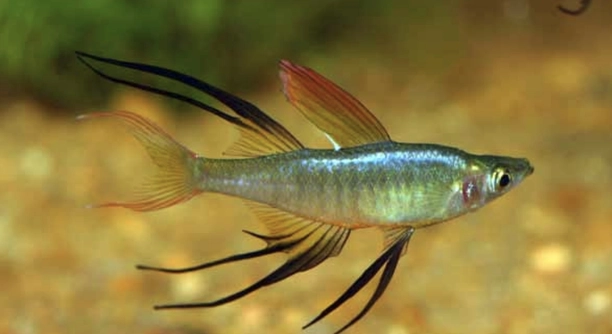
Do you ever notice threadfins swimming together gracefully, seeming to move in harmony with one another? These fish are social creatures that display fascinating behaviors when they start to form bonds with each other.
Threadfins exhibit specific actions that indicate bond formation, including synchronized swimming, gentle nudging, close resting proximity, cooperative foraging, mutual cleaning, shared hiding spots, and parallel alignment. These behaviors reflect social cohesion and mutual trust among individuals within their group.
Observing these behaviors can deepen your understanding of threadfin social life and enhance your appreciation of their interactions.
Synchronized Swimming
Threadfins often swim in perfect unison, moving together as if they share one mind. This synchronized movement is more than just coordination; it demonstrates comfort and trust among the group. When threadfins are forming bonds, you will notice how they adjust their speed and direction to match one another seamlessly. These moments are subtle but telling signs of connection. It is common to see pairs or small groups gliding side by side, maintaining close distance. They sometimes mirror each other’s movements almost instantly, responding to the smallest shifts. This behavior not only helps in avoiding predators but also strengthens social cohesion. Watching this can be surprisingly calming, as their motions are rhythmic and deliberate. Over time, repeated synchronized swimming solidifies relationships and signals that the group is functioning harmoniously.
Synchronized swimming is a clear indicator that threadfins are building social bonds. It shows both trust and cooperation among individuals in their group.
By paying attention to their movements, you can identify which threadfins have the closest connections and how their interactions shape group behavior.
Gentle Nudging
Threadfins often gently nudge each other with their heads or bodies. This behavior is a subtle form of communication, showing reassurance or prompting interaction. Nudging helps maintain contact between fish and encourages group cohesion. It is especially common in younger or newly formed groups, where establishing trust is important. These nudges are never aggressive but are soft and deliberate, serving as a friendly reminder of presence and acceptance. By nudging, threadfins also help guide each other toward food sources or safe areas, reinforcing cooperative habits. Observing nudging patterns can reveal which individuals are closely bonded and which ones are more independent. It is a small but meaningful gesture that builds and maintains social structures within the group. Over time, these nudges create a sense of familiarity and comfort among threadfins.
Gentle nudging indicates trust and social awareness. It strengthens bonds and ensures group members remain connected and responsive.
Regular nudging interactions reflect a developing hierarchy and cooperative dynamics. Threadfins use this behavior to support weaker or younger members and maintain group stability. It also encourages shared movement and coordinated feeding, making the group more efficient. These nudges may appear minor, but they are fundamental to social organization. Fish that frequently nudge each other tend to spend more time in close proximity, resting together or following one another through complex swimming patterns. The habit promotes safety, as bonded individuals are more likely to alert each other to threats. It also reinforces comfort levels, reducing stress and enhancing the overall cohesion of the school. Over time, nudging becomes a predictable pattern, revealing long-term relationships and preferred companions.
Close Resting Proximity
Threadfins often rest near each other, sometimes almost touching. This behavior shows trust and comfort within the group. Close resting proximity helps maintain social bonds and provides a sense of security for the individuals involved.
When threadfins choose to rest close together, it reflects a level of familiarity and confidence in one another. These resting clusters allow fish to stay alert collectively while still enjoying a sense of safety. The physical closeness reduces stress and reinforces relationships. Observing which fish prefer each other’s company during rest periods can reveal established bonds and social preferences within the group. Over time, these resting patterns become predictable, signaling the strength of the connections.
Close resting also helps regulate temperature and energy usage. Fish resting together can conserve energy and respond more quickly to changes in their environment. The behavior fosters a cooperative dynamic that strengthens the entire group’s cohesion and resilience.
Cooperative Foraging
Threadfins frequently forage together, moving in coordination to locate food efficiently. This collective approach benefits the group and strengthens social ties.
During cooperative foraging, fish will spread out slightly but remain aware of one another’s positions. Individuals often follow or mirror the movements of bonded members, ensuring that everyone gains access to resources. This behavior demonstrates not only trust but also an understanding of shared benefit. By foraging together, threadfins reduce the risk of missing food sources and increase overall success. This cooperation is subtle but consistent, with fish sometimes nudging each other toward food patches or staying close to maintain group cohesion. Over time, cooperative foraging patterns reveal alliances and preferred companions within the group.
Bonded threadfins also communicate non-verbally during feeding, using body movements and alignment to signal intentions. These cues help avoid conflicts and maintain harmony while securing nourishment. Groups that forage together frequently show stronger social bonds and more synchronized swimming behavior outside feeding times. This pattern of cooperation is crucial for survival and establishes trust, as fish learn to rely on one another for both food and protection from predators. It also highlights the complexity of their social structures, revealing that threadfins engage in more than just simple schooling—they actively support one another in essential daily tasks.
Mutual Cleaning
Threadfins often clean each other by gently nibbling or brushing along their bodies. This behavior removes parasites and dead skin while reinforcing trust between individuals.
Mutual cleaning strengthens social bonds and reduces tension within the group. Fish that participate in this activity frequently spend more time near each other, showing comfort and cooperation in their interactions.
Shared Hiding Spots
Threadfins frequently use the same hiding areas, staying close during rest or when feeling threatened. Sharing a hiding spot is a sign of trust and social cohesion. Fish that consistently choose the same safe spaces tend to have stronger bonds and prefer each other’s company during vulnerable moments.
Parallel Alignment
Threadfins often swim in parallel, maintaining a consistent distance while moving in the same direction. This alignment demonstrates coordination and a sense of connection among individuals.
FAQ
How can I tell if threadfins are forming bonds?
Threadfins show bonding through consistent, observable behaviors. Synchronized swimming, gentle nudging, close resting proximity, and parallel alignment are clear indicators. You might notice certain individuals staying near each other more often than others, following the same paths, or mirroring movements. These patterns are subtle but meaningful, revealing strong social connections within the group.
Why do threadfins swim together in unison?
Swimming in unison is both a survival strategy and a social behavior. By matching speed and direction, threadfins reduce the risk of predation while also demonstrating trust. The individuals who swim closely together are typically bonded, signaling cooperation and mutual awareness. Over time, repeated synchronized swimming reinforces relationships and group cohesion.
What does gentle nudging mean?
Gentle nudging is a form of communication. Threadfins nudge each other softly to encourage interaction, show reassurance, or guide group members toward food or safety. It is non-aggressive and indicates comfort and familiarity. Frequent nudging between specific individuals often points to a developing or established bond.
Why do threadfins rest close together?
Resting in close proximity signals trust and comfort. Fish that are bonded prefer to stay near each other during rest periods, reducing stress and creating a sense of security. Over time, these resting patterns reveal which individuals are most closely connected and highlight the social structure of the group.
What is cooperative foraging?
Cooperative foraging occurs when threadfins work together to locate food efficiently. Bonded individuals maintain awareness of each other’s positions and sometimes guide one another toward food sources. This behavior enhances feeding success, strengthens relationships, and demonstrates trust, coordination, and social cohesion within the group.
How does mutual cleaning work?
Mutual cleaning involves fish gently nibbling or brushing each other’s bodies to remove parasites or debris. It is both practical and social. Fish that engage in cleaning repeatedly show comfort and trust, often spending more time together and reinforcing bonds through this tactile interaction.
Why do threadfins share hiding spots?
Sharing hiding spaces shows trust and social comfort. Fish that prefer the same areas for rest or protection tend to have stronger bonds. This behavior indicates that individuals feel safe around each other and are willing to stay in close proximity even in vulnerable situations, reinforcing group cohesion.
What does parallel alignment indicate?
Parallel alignment is a sign of coordination and social connection. Threadfins swimming side by side at a consistent distance demonstrate awareness and mutual understanding. This behavior helps maintain cohesion during movement, reinforces trust, and often occurs among closely bonded individuals.
Are these bonding behaviors permanent?
Bonding behaviors can be long-term but may change over time. Environmental changes, group composition, or individual health can affect relationships. Observing consistent patterns across weeks or months, however, often indicates stable, meaningful social bonds that form the foundation of group dynamics.
How can observing these behaviors help me?
Watching threadfins closely allows you to identify social structures and connections within the group. Understanding these behaviors helps in creating supportive environments, reducing stress, and promoting natural interactions. Recognizing bonded pairs or groups also provides insight into feeding, resting, and movement habits, improving overall care and appreciation of these social fish.
Can all threadfins bond equally?
Not all individuals form bonds at the same strength or frequency. Some fish are more social or compatible than others. Observation of repeated interactions, shared activities, and preferred proximity is the best way to determine which fish are forming stronger connections and which are more independent.
Do bonded threadfins act differently from others?
Yes. Bonded fish often synchronize movements, rest together, and forage cooperatively. They show consistent nudging and cleaning behavior and maintain closer proximity during vulnerable moments. These actions are subtle but observable and distinguish closely bonded individuals from those less socially connected.
How long does it take for threadfins to form bonds?
Bond formation varies depending on the group size, individual temperament, and environment. Some pairs bond within days, while others may take weeks. Repeated social interactions, cooperative behaviors, and shared activities accelerate bond formation and help establish lasting relationships within the group.
What should I avoid when observing threadfin bonds?
Avoid disrupting natural behaviors by overhandling, introducing stress, or separating bonded individuals. Interference can break social patterns and reduce trust. Observe quietly, maintain consistent routines, and provide ample space and resources to allow natural bonding behaviors to develop and remain stable.
How do these bonds benefit threadfins?
Social bonds provide safety, reduce stress, improve feeding efficiency, and promote coordinated movement. Bonded fish are more likely to support each other during foraging and resting, creating a cooperative and resilient group dynamic that enhances survival and overall well-being.
Can environmental changes affect bonds?
Yes. Changes in tank size, population, or available resources can impact social relationships. Stable environments with predictable routines and sufficient space help maintain bonds. Disruptions may weaken connections, causing individuals to form new alliances or seek alternative companions.
Are these behaviors unique to threadfins?
While similar bonding behaviors occur in other social fish, threadfins show a distinctive combination of synchronized swimming, nudging, shared resting, cooperative foraging, mutual cleaning, and parallel alignment. Observing these together provides a clear picture of bond formation in this species.
What is the best way to monitor bonding?
Regular observation is key. Take note of consistent pairings, resting proximity, synchronized movements, nudging patterns, and cooperative behaviors. Documenting these interactions over time helps identify strong bonds and understand the social dynamics of your threadfin group.
How do bonds influence feeding behavior?
Bonded threadfins coordinate during foraging, often following each other and sharing food sources efficiently. They may guide each other to patches of food, reduce competition, and support weaker individuals. This cooperation ensures that bonded fish benefit from increased access to resources and shared vigilance.
Can bonds break naturally?
Yes. Natural shifts in hierarchy, group composition, or stress can lead to weakened or broken bonds. Fish may change preferred companions or adjust resting and swimming patterns. Observing changes over time helps identify evolving social relationships and adapt care to maintain stability.
Do bonds affect aggression levels?
Bonded threadfins typically show lower aggression toward each other. Trust and familiarity reduce conflicts, allowing for smoother interactions during swimming, feeding, and resting. Individuals are more tolerant and cooperative, contributing to a calmer, more stable group environment overall.
How do I encourage bonding in a group?
Providing a spacious, stable environment with predictable routines, ample food, and hiding spots encourages natural social interactions. Avoid sudden changes or stressors, and allow fish to engage freely in swimming, resting, nudging, and cleaning behaviors. Over time, these conditions foster stronger, lasting bonds among threadfins.
Is it important to recognize bonds for care?
Yes. Recognizing bonded pairs or groups helps in managing space, feeding, and social dynamics. Ensuring that bonded individuals remain together supports well-being, reduces stress, and encourages natural behaviors, improving overall health and quality of life for your threadfins.
How can I tell if a bond is strong?
Strong bonds are evident through repeated synchronized swimming, frequent nudging, shared resting, cooperative foraging, and mutual cleaning. Fish maintain close proximity, respond quickly to each other’s movements, and show consistent comfort and trust over time. Strong bonds are stable and resistant to minor environmental changes.
Do all these behaviors occur simultaneously?
Not always. Individual fish may display some behaviors more prominently than others. Synchronized swimming, nudging, resting proximity, cleaning, parallel alignment, and shared foraging may appear at different times, but repeated patterns across multiple behaviors indicate meaningful social bonds.
Can observing these behaviors improve my care approach?
Absolutely. Understanding bonding behaviors allows you to structure feeding, resting areas, and space to support social interactions. Recognizing strong relationships helps reduce stress, prevent conflicts, and encourage cooperative behaviors, ensuring that your threadfins thrive in a healthy, socially supportive environment.
What role does trust play in these bonds?
Trust is central to all bonding behaviors. Synchronized swimming, nudging, shared resting, and cooperative foraging rely on confidence in others’ predictability and reliability. Strong trust allows threadfins to interact safely, support one another, and maintain stable social networks. Without trust, these behaviors would be minimal or absent.
Can observing bonds predict future behavior?
Yes. Fish that display consistent bonding behaviors are more likely to continue engaging in cooperative actions, maintaining proximity, and supporting each other. Recognizing these patterns helps anticipate interactions, manage group dynamics, and provide care that aligns with natural social structures.
How do environmental stressors affect bonds?
Stressors such as overcrowding, poor water quality, or sudden changes in the environment can strain bonds. Fish may become more defensive, reduce social interactions, or separate from bonded partners. Minimizing stress helps preserve existing relationships and encourages the development of new connections.
Is bonding purely social, or does it affect survival?
Bonding has both social and survival benefits. Social bonds improve coordination, reduce stress, support cooperative foraging, and enhance protection against predators. Strong relationships increase overall resilience and contribute to the health, safety, and efficiency of the group as a whole.
Can I use these behaviors to monitor fish health?
Yes. Changes in bonding behaviors, such as reduced nudging, separation from resting clusters, or lack of synchronized swimming, may indicate stress, illness, or environmental issues. Observing these behaviors provides insight into both social and physical well-being.
How long should I observe to understand bonding?
Consistent observation over days or weeks is ideal. Short-term interactions may be misleading, while repeated patterns reveal stable relationships. Take note of resting choices, synchronized swimming, nudging, cleaning, and foraging interactions to build a clear understanding of social bonds within the group.
Can bonds form quickly in new groups?
Bonds may form quickly if individuals are compatible, the environment is stable, and food or space is sufficient. Some fish take longer to establish trust, but repeated interactions in a supportive setting encourage faster and more meaningful connections.
Are all bonded fish equally interactive?
Not always. Even among bonded pairs, some individuals may initiate interactions more frequently, while others are more passive. Observing patterns over time helps identify roles within bonds and provides insight into group dynamics and social hierarchy.
Does age affect bonding?
Younger fish may form bonds more quickly or be more social, while older fish often maintain established connections. Age can influence activity levels, interaction frequency, and preferred companions, but bonds remain important across all life stages.
Can bonded fish support weaker members?
Yes. Bonded individuals often stay near weaker or smaller fish during foraging or resting, providing guidance, protection, and social stability. This cooperative behavior strengthens group cohesion and ensures that vulnerable members benefit from established relationships.
What if a bonded pair is separated?
Separation can cause stress, reduce cooperative behaviors, and disrupt social dynamics. Fish may search for their companion or gradually form new bonds. Minimizing unnecessary separation helps maintain trust and stability within the group.
Do environmental enhancements encourage bonding?
Providing hiding spots, open swimming areas, and multiple food sources encourages natural interactions. These enhancements allow threadfins to engage in synchronized swimming, nudging, resting, cleaning, and parallel alignment, fostering bond formation in a stress-free environment.
Are there signs that a bond is weakening?
Yes. Reduced proximity, less synchronized swimming, avoidance of nudging or cleaning, and preference for new companions indicate weakening bonds. Observing these signs allows adjustments in care or environment to support social stability and prevent stress.
Can bonds influence reproduction?
Bonded individuals may show more coordinated behaviors during mating or shared nesting activities. Trust and familiarity increase comfort levels, facilitating successful reproduction and cooperative care of eggs or young in some social species.
How important is consistency for bonding?
Consistency in feeding, environment, and social group composition is crucial. Predictable routines help maintain trust, reinforce interactions, and support long-term relationships, ensuring that bonded threadfins continue to interact positively and remain socially stable.
Do bonds affect hierarchy?
Yes. Bonded fish often have defined roles within the group, including leadership during swimming or access to food. Strong bonds contribute to smoother interactions and reduced aggression, helping maintain a balanced social structure.
Can observation of bonds enhance enrichment?
Yes. Noticing which fish interact closely allows for targeted enrichment, such as arranging hiding spots or feeding strategies to encourage natural behaviors. Supporting bonds enhances mental stimulation and overall well-being.
What is the most reliable sign of a strong bond?
Consistent and repeated behaviors across multiple contexts, including synchronized swimming, nudging, resting together, cleaning, and parallel alignment, indicate a strong, stable bond between threadfins. These behaviors demonstrate trust, cooperation, and social cohesion over time.
How do bonds affect stress levels?
Bonded fish experience lower stress, as close interactions provide comfort, support, and safety. Social stability reduces aggression and competition, contributing to calmer behavior, improved health, and more predictable group dynamics.
Are there long-term benefits to observing these behaviors?
Yes. Understanding social bonds helps manage group dynamics, anticipate interactions, improve welfare, and provide optimal environments. Long-term observation ensures that threadfins thrive in both health and social stability, promoting natural behaviors consistently.
Can observing bonds reveal individual personalities?
Yes. Some threadfins are more social or proactive, while others are shy or passive. Patterns in bonding behaviors reveal preferences, compatibility, and roles, allowing for a better understanding of individual traits within the group.
Does space influence bonding?
Adequate space allows natural interaction, synchronized swimming, and shared resting without overcrowding. Limited space may increase stress, reduce interaction, and weaken bonds. Ensuring enough room supports healthy social development.
Can bonds help during environmental changes?
Yes. Bonded fish often provide mutual support and guidance when navigating new or stressful conditions. Trust and coordination allow the group to adapt more efficiently, reducing risk and maintaining stability.
Is it possible for a new fish to form bonds quickly?
A new fish may integrate if the environment is stable, food is sufficient, and compatible companions are present. Patience and observation are key to ensuring smooth integration and the development of meaningful relationships.
Do bonds affect daily routines?
Yes. Bonded fish often rest, forage, and swim together consistently. Their interactions shape movement patterns, feeding behavior, and proximity choices, creating predictable routines that reflect established relationships.
Can observing bonds guide care decisions?
Absolutely. Noting which fish are bonded informs feeding, space allocation, and group management. Maintaining these relationships supports well-being, reduces stress, and encourages natural, cooperative behaviors in threadfins.
How do I balance multiple bonds in a group?
Observe interactions to understand preferred pairings and groupings. Provide sufficient space, hiding spots, and resources to prevent competition. Supporting multiple bonds ensures that all individuals maintain connections without disruption.
Does diet influence bonding behavior?
Providing adequate and evenly distributed food prevents competition and allows bonded fish to forage together comfortably. A proper diet supports energy for swimming, coordinated movement, and social interactions.
Can observing bonds prevent conflicts?
Yes. Recognizing preferred companions and social hierarchies reduces the risk of aggression. Managing space and resources with bonds in mind helps maintain harmony within the group.
How do water conditions affect social interactions?
Stable, clean water promotes calm behavior and regular social interactions. Poor conditions can increase stress, reduce cooperation, and weaken bonds, impacting feeding, swimming, and resting patterns.
Can bonds improve survival rates?
Yes. Bonded fish benefit from coordinated swimming, shared vigilance, and cooperative foraging. Trust and support increase resilience against stressors and threats, improving overall survival and well-being.
Are some behaviors more indicative of bonding than others?
Synchronized swimming, nudging, resting proximity, and mutual cleaning are particularly strong indicators. Observing multiple behaviors together provides the clearest picture of meaningful relationships.
Does age or size difference affect bonding?
Yes. Fish of similar size or age may bond more easily, while differences can influence interaction frequency. However, cross-age or size bonds can still form, especially when trust and cooperation develop gradually.
Can observing bonds help in breeding programs?
Yes. Recognizing closely bonded individuals informs pairing decisions, increases compatibility, and improves reproductive success by ensuring comfort, trust, and cooperation during mating.
How can I record bonding behaviors effectively?
Use notes, diagrams, or video recordings to track interactions, proximity, nudging, synchronized swimming, and shared resting. Documenting patterns over time helps identify bonds and monitor changes in social dynamics.
What is the role of personality in bond formation?
Individual personality affects social compatibility, interaction frequency, and preferred partners. Observing consistent behaviors helps reveal personalities and predict bonding potential within the group.
Are these behaviors innate or learned?
Most behaviors are a combination of instinct and learning. Threadfins are naturally social, but repeated interactions and experience shape the strength and stability of bonds over time.
Can environmental enrichment accelerate bonding?
Providing varied hiding spots, open swimming areas, and opportunities for cooperative foraging encourages natural behaviors. Enrichment supports repeated interactions, enhancing trust and strengthening bonds within the group.
Do bonded fish sleep together?
Yes. Fish that have strong bonds often rest in close proximity or share hiding spots. This behavior reflects trust, comfort, and reliance on one another for security during vulnerable moments.
How do I maintain bonds in captivity?
Provide stable, spacious environments with consistent feeding, multiple hiding spots, and minimal stress. Allow natural interactions like synchronized swimming, nudging, resting, and cleaning to continue without disruption to preserve bonds.
Can bonds influence hierarchy and leadership?
Yes. Bonded individuals often coordinate movements, take turns leading during swimming, and influence group decisions. Strong relationships reduce conflicts and help maintain balanced social structures.
Are there seasonal effects on bonding behavior?
Environmental changes such as temperature or resource availability may influence interaction frequency. Stable conditions encourage consistent bonding, while shifts may temporarily alter behaviors without necessarily breaking established relationships.
Is it possible to measure bonding scientifically?
Yes. Observing repeated behaviors, proximity patterns, synchronized swimming, nudging frequency, and shared activities over time provides measurable indicators of social bonds. Consistency across multiple contexts strengthens reliability of assessment.
How do I encourage shy fish to bond?
Provide a calm, stable environment with hiding spots and consistent routines. Gradually allow interaction with more social individuals, offering opportunities for nudging, cleaning, or synchronized swimming to promote trust and relationship formation.
Can bonded fish help others integrate?
Yes. Bonded individuals often guide newcomers, demonstrating safe hiding spots, cooperative foraging, and synchronized movements. Their presence reduces stress for new fish and encourages gradual social integration.
Do all threadfins bond the same way?
No. Individual differences in personality, size, age, and temperament influence how bonds form. Some fish may be more active in nudging, swimming together, or sharing resting spots, while others are more passive but still connected.
Can observing bonding improve enrichment strategies?
Yes.
Threadfins are fascinating creatures, and observing their social behaviors can be both relaxing and enlightening. Over time, it becomes clear that these fish do not simply swim together by chance. Synchronized swimming, gentle nudging, shared resting spaces, mutual cleaning, cooperative foraging, and parallel alignment all reflect the social bonds forming between individuals. These behaviors are subtle but consistent, and they tell a lot about the comfort levels and trust within a group. Paying attention to these actions allows you to see which fish are connected, how the group interacts, and how bonds develop over time. It also shows that threadfins are more than just a collection of individuals—they are social animals capable of complex interactions that support both their safety and overall well-being. Recognizing these patterns helps you better understand the daily lives of threadfins and appreciate the dynamics that take place beneath the water’s surface.
Social bonds in threadfins are important for multiple reasons. They reduce stress and provide a sense of security, particularly during resting or when food is being shared. Fish that are bonded often display cooperative behaviors, such as guiding each other toward food or sharing hiding spots, which enhances survival and efficiency. Trust plays a central role in these interactions. A fish that frequently nudges another, swims in alignment, or participates in mutual cleaning is demonstrating confidence in its companions. These behaviors also create stability within the group, lowering aggression and helping to maintain a balanced social structure. Understanding these dynamics is useful for anyone caring for threadfins in captivity. It informs decisions about space, feeding, and environmental enrichment, ensuring that fish have the conditions they need to form and maintain bonds naturally. Observing interactions closely provides insight into both individual personalities and group dynamics, making it easier to support healthy relationships and a calm environment.
It is important to remember that forming bonds takes time and patience. Not all threadfins bond immediately, and individual personalities, age, size, and environment all influence the process. Maintaining stable conditions, providing sufficient space, and minimizing stress allows relationships to develop naturally. Over time, repeated interactions solidify bonds, creating a social network that benefits both individuals and the group as a whole. Even small behaviors, like swimming closely or resting near one another, carry meaning and contribute to the overall cohesion of the school. By observing and understanding these behaviors, you can better appreciate the social complexity of threadfins and create an environment that supports their natural interactions. Ultimately, recognizing and supporting these bonds enhances the well-being of each fish and allows you to enjoy the subtle beauty of their relationships in a meaningful way.

Hello,
If you enjoy the content that we create, please consider saying a "Thank You!" by leaving a tip.
Every little bit helps us continue crafting quality advice that supports the health, happiness, and well-being of pets around the world, for pets of all shapes, sizes, and species.
We really appreciate the kindness and support that you show us!