
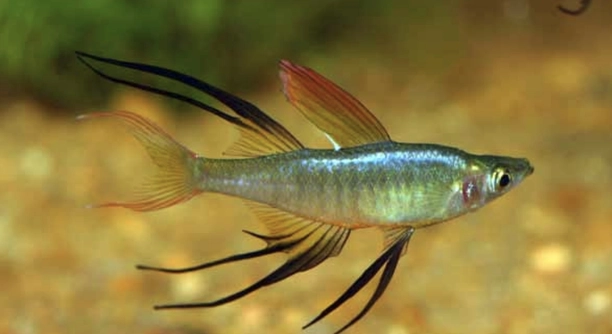
Have you ever noticed your threadfins swimming close together but suddenly acting tense or avoiding one another? Observing these shifts in behavior can be puzzling, especially when their peaceful swimming patterns change unexpectedly.
When threadfins do not get along, they may exhibit aggressive behaviors, chase one another, or isolate themselves within their environment. Such interactions can disrupt feeding, reduce overall health, and increase stress levels among the fish.
Understanding these social dynamics can help improve tank harmony and ensure your threadfins remain healthy and active for the long term.
Recognizing Signs of Tension
When threadfins start showing tension, the changes can be subtle at first. You might notice that they swim separately instead of gliding together in synchrony. Small nips or chasing can appear, often near feeding areas. Sometimes one fish hides more frequently or refuses to eat, signaling discomfort. Changes in color or fin posture can also indicate stress. Observing their daily interactions carefully helps identify patterns. Stress in threadfins can affect growth, appetite, and overall vitality. By spotting these early signs, it becomes easier to address issues before aggression escalates. Tank conditions, space, and social hierarchy often influence behavior. Even minor overcrowding or incompatible tankmates can lead to tension. Keeping notes on behavior changes and adjusting environmental factors can improve harmony. Consistency in feeding times, water quality, and observing reactions during group swims is essential. This awareness allows for proactive steps to reduce conflicts and promote a calmer environment for all fish.
Threadfins that are stressed often isolate themselves or show aggressive chasing toward others. Quick identification prevents long-term health problems.
Environmental factors like water temperature, pH levels, and oxygen content can directly impact behavior. Providing enough hiding spaces and maintaining a stable environment reduces conflicts. Observing each fish helps you understand their tolerance for social interactions, helping prevent unnecessary fights. Small adjustments in tank setup, like adding floating plants or rearranging decor, can redirect attention and calm anxious fish. Feeding routines also play a role; offering food in multiple locations reduces competition. Social balance is delicate, so monitoring new additions carefully is important. Patience and attentive care are key to maintaining a peaceful tank. Over time, consistent observation and small environmental tweaks help create a stable group dynamic. Knowing individual personalities of threadfins helps in arranging compatible groups. By prioritizing a stable environment, stress and aggression are minimized, supporting healthier, more active fish. Proper care fosters natural behaviors and ensures each fish thrives.
Managing Conflicts
Adjusting tank conditions is the first step in managing disagreements. Temperature, pH, and water quality need consistent monitoring to reduce stress.
Behavioral changes, if left unchecked, can escalate. Separating aggressive fish temporarily or providing extra space for swimming can calm tensions. Rearranging decorations and adding shelters allows fish to establish territories without constant confrontation. Feeding in multiple spots reduces competition over resources, lowering aggression. Introducing compatible tankmates gradually helps maintain balance and prevents dominance struggles. Observing interactions after changes is important to assess effectiveness. In some cases, identifying particularly aggressive individuals and creating separate spaces is necessary for long-term peace. Consistent monitoring of water parameters and fish behavior ensures early intervention. Keeping a structured feeding schedule and avoiding sudden changes in the tank environment promotes a sense of security. Through careful observation, environmental adjustments, and thoughtful tank management, conflicts among threadfins can be minimized. A calm environment supports healthy growth and encourages natural, harmonious swimming patterns for all fish.
Feeding Conflicts
Threadfins often compete for food, which can trigger tension. Offering multiple feeding spots helps reduce aggression and ensures all fish get adequate nutrition.
Providing food in several locations prevents dominant fish from controlling access. Slow feeders benefit when food is spread out, and aggressive fish focus less on chasing others. High-quality flakes, pellets, or small live foods should be portioned carefully. Observing mealtime interactions allows you to adjust feeding routines, ensuring everyone eats without stress. Sometimes feeding smaller amounts more frequently works better than one large portion, keeping peace in the tank. Overfeeding can cause water quality issues, which may worsen behavioral problems. Consistency and attention to how each fish responds are crucial for minimizing conflicts.
Feeding times can also be used to encourage natural schooling behavior. By placing food near open areas and away from tight spaces, fish move together, reducing isolation. Using feeding sticks or spreading food gradually across the tank gives less dominant fish a chance to eat without confrontation. Rotation of food types keeps interest high and reduces competition over a single preferred item. Watching how fish respond and adjusting portions helps maintain harmony. Over time, these small adjustments create calmer meals and healthier fish overall.
Territorial Behavior
Threadfins establish territories, especially in smaller tanks, which can lead to repeated conflicts. Providing hiding spots reduces tension and allows each fish a sense of space.
Territorial disputes often occur near decorations, rocks, or plants that fish claim as their own. Rearranging the tank periodically prevents fixed dominance patterns and gives less aggressive fish a chance to explore safely. Open swimming areas paired with hiding spots reduce stress. Monitoring interactions helps identify which fish are overly aggressive. In some cases, separating persistent aggressors temporarily can restore balance. Tank size plays a key role; overcrowding worsens territorial behavior. Gradual introduction of new tankmates allows social hierarchies to form without immediate fighting. Managing territory effectively ensures a calmer environment.
Encouraging natural exploration and movement within the tank decreases repeated skirmishes. Floating plants, driftwood, and rocks provide boundaries while leaving open water for swimming. Observing where conflicts occur most often allows targeted adjustments. Rotating shelters or adding new hiding areas keeps dominant fish from monopolizing spaces. Consistent water quality and feeding routines support a stable environment, reducing territorial disputes. Over time, these changes foster a more balanced hierarchy, allowing all threadfins to coexist peacefully while maintaining their health and activity levels.
Stress Indicators
Threadfins under stress may hide more often or stop eating. Changes in swimming patterns or color can signal discomfort.
Frequent chasing or sudden aggression is another sign. Stress can weaken their immune system, making them more vulnerable to disease and affecting overall health.
Adjusting Tank Layout
Rearranging decorations and adding hiding spots can reduce conflicts. Open swimming areas give fish room to escape aggressive peers. Spreading plants or rocks evenly prevents one fish from claiming a dominant position. Even small adjustments in layout help maintain harmony.
Water Quality Importance
Poor water quality increases stress and aggression. Regular testing for pH, ammonia, nitrites, and temperature is essential. Clean water supports healthy behavior and reduces conflicts among threadfins.
FAQ
Why are my threadfins constantly chasing each other?
Chasing is often a sign of establishing dominance or territorial disputes. Limited space, lack of hiding spots, or overcrowding can make these behaviors more frequent. Observing the tank and providing more open areas or shelters can reduce repeated aggression.
How can I tell if a threadfin is stressed?
Stress is visible through hiding, loss of appetite, faded coloration, or erratic swimming. Sometimes, stressed fish isolate themselves while others may become unusually aggressive. Tracking daily behavior and noting changes helps catch early signs before health is affected.
Is tank size important for harmony?
Yes. Smaller tanks increase competition for space, which heightens tension and aggression. Providing adequate swimming room and multiple levels of shelter allows threadfins to coexist without constant conflicts. Overcrowding is a major factor in fights.
Can feeding routines reduce conflicts?
Absolutely. Feeding in multiple spots and at consistent times reduces competition over food. Small, frequent meals allow less dominant fish to eat safely. High-quality, varied foods keep all fish engaged without triggering aggression over a single preferred item.
Do tank decorations influence behavior?
Yes. Threadfins claim certain areas as territories. Rearranging plants, rocks, or driftwood periodically prevents dominant fish from controlling the same spaces. Hiding spots help timid fish escape, and open areas reduce constant confrontation. Balance between open swimming space and shelters is crucial.
What should I do if aggression persists?
Temporarily separating aggressive individuals can restore peace. Gradually reintroduce fish after adjustments in layout or tank size. Careful observation ensures the group remains balanced. Avoid sudden additions, as new fish can destabilize established hierarchies.
How often should water be tested?
Regular water testing is key. pH, ammonia, nitrite, and temperature levels directly affect behavior. Poor water quality increases stress and can trigger fights. Weekly checks are ideal, with adjustments made immediately when values deviate from recommended ranges.
Can compatible tankmates reduce tension?
Choosing fish with similar temperaments and swimming patterns helps maintain balance. Avoid overly aggressive or territorial species that may dominate or stress threadfins. Gradual introductions allow social hierarchies to form naturally without immediate conflicts.
Does lighting or environment affect behavior?
Yes. Bright lighting or sudden changes can increase stress. Gradual light transitions, consistent tank routines, and stable environmental conditions support calmer behavior. Threadfins thrive in predictable settings with minimal sudden disturbances.
How do I encourage natural schooling behavior?
Providing open swimming areas and feeding in dispersed locations promotes cohesive movement. Avoid overcrowding, and introduce subtle decorations that guide rather than block swimming paths. This supports calm social interactions and reduces incidents of chasing or isolation.
Can I prevent aggression completely?
While some conflicts are natural, careful tank management can minimize them. Maintaining water quality, proper feeding routines, adequate space, and regular observation creates a stable environment where aggression is rare. Patience and consistent adjustments help threadfins coexist peacefully over time.
How do I handle new additions to the tank?
Introduce new fish gradually and monitor their interactions closely. Rearrange hiding spots before adding newcomers to prevent fixed dominance patterns. Ensuring sufficient space and temporary separation if needed helps reduce stress and aggressive encounters, allowing everyone to settle comfortably.
Is diet linked to behavior?
Yes. Nutritional deficiencies or inconsistent feeding can increase irritability. Providing a balanced diet of high-quality pellets, flakes, and occasional live food supports health and reduces food-based conflicts. Feeding multiple spots ensures all fish get access without confrontation.
What signs indicate permanent incompatibility?
Persistent chasing, repeated injuries, or continual hiding despite adjustments may signal that certain fish cannot coexist. In these cases, permanent separation may be necessary. Observing long-term patterns helps decide which fish require alternative arrangements to maintain overall tank harmony.
How long does it take for a tank to stabilize after conflicts?
Stabilization depends on tank size, number of fish, and adjustments made. With proper monitoring, layout changes, and feeding routines, calm behavior can often be restored in weeks. Patience and careful observation are essential to ensure lasting peace.
Are there behavioral cues before fights start?
Yes. Tail flicking, sudden flaring, or chasing around corners are early warning signs. Noticing these cues allows timely intervention through rearranging shelters, separating fish temporarily, or adjusting feeding routines to prevent escalation.
Does water temperature impact aggression?
Yes. Extreme or fluctuating temperatures increase stress, which can trigger fights. Maintaining stable water conditions within the recommended range for threadfins promotes calmer interactions and overall health.
Can I use barriers to prevent conflict?
Temporary barriers or tank dividers can help separate aggressive fish while still sharing the same tank. This allows for gradual reintroduction and reduces stress on less dominant fish. Barriers are especially useful in smaller tanks or during introductions.
Is it normal for some threadfins to always dominate?
A mild hierarchy is natural, but constant domination can harm other fish. Adjusting tank layout, providing shelters, and monitoring feeding distribution prevents one fish from controlling resources or causing chronic stress.
How can I track progress effectively?
Keeping a simple log of behaviors, feeding responses, and water quality changes helps identify patterns. Regular monitoring allows for timely adjustments in tank layout, feeding, or social arrangements to maintain a balanced, peaceful environment.
Threadfins are social fish, but they have personalities that can sometimes clash. Observing them closely can reveal subtle changes in behavior that may signal tension. Small signs like hiding, chasing, or changes in swimming patterns are important indicators to notice. Ignoring these signs can lead to stress, poor health, and ongoing aggression. Paying attention early makes it easier to make adjustments before problems become serious. Even minor environmental changes, like rearranging plants or adding shelters, can make a big difference in reducing stress and keeping the group peaceful. Understanding how each fish interacts with the others helps in managing the tank more effectively.
Managing their environment carefully is essential for harmony. Proper tank size, consistent water quality, and stable feeding routines all contribute to calmer interactions. Overcrowded or poorly maintained tanks can increase competition, leading to fights or injuries. Providing multiple feeding spots and hiding spaces allows all fish to have access to food and safety without constant confrontation. Observing mealtimes, swimming behavior, and territorial tendencies can help identify which fish need extra space or temporary separation. Even small, gradual changes in layout or feeding routines can prevent dominant fish from controlling the tank, making the environment safer and less stressful for everyone. Over time, these adjustments encourage natural behaviors and reduce tension, ensuring that threadfins remain healthy and active.
Caring for threadfins requires patience and observation. They respond to consistent routines, clean water, and thoughtfully arranged spaces. Aggressive behavior is often a response to stress, limited space, or competition, so addressing these factors is key. By monitoring daily interactions and making proactive adjustments, it is possible to maintain a peaceful tank environment. While occasional disputes may occur, managing their environment effectively allows all fish to coexist comfortably. Regular observation, small adjustments, and attention to individual needs help create a balanced and healthy setting where threadfins can thrive. Over time, these efforts lead to calmer fish, fewer conflicts, and a more enjoyable tank to watch.

Hello,
If you enjoy the content that we create, please consider saying a "Thank You!" by leaving a tip.
Every little bit helps us continue crafting quality advice that supports the health, happiness, and well-being of pets around the world, for pets of all shapes, sizes, and species.
We really appreciate the kindness and support that you show us!