
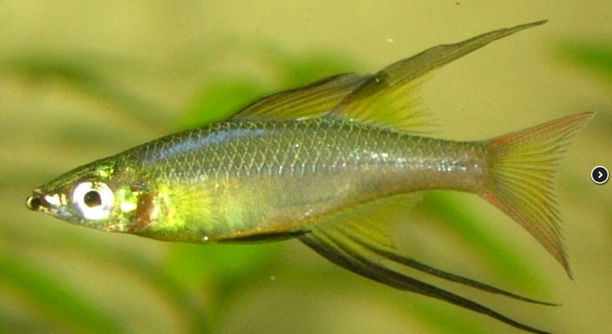
Threadfins are graceful fish that often capture attention in home aquariums. Their unique swimming patterns can sometimes seem unusual, especially when they linger along the back glass of a tank. Observing their behavior can reveal interesting details.
Threadfins often swim along the back glass due to a combination of environmental factors and instinctive behavior. They may feel more secure near a solid surface, seek calmer currents, or follow reflections. Tank setup, water flow, and social dynamics influence this pattern.
Understanding these behaviors can help you create a more comfortable environment. Recognizing the reasons behind their swimming habits benefits both the fish and the overall tank ecosystem.
Common Reasons Threadfins Swim Along the Back Glass
Threadfins often prefer swimming near the back glass because it provides a sense of security. In an open tank, these fish can feel exposed, so staying close to a solid surface reduces stress. Strong currents or irregular water flow can also encourage them to stick near the glass, where the movement is calmer. Lighting plays a role too; bright or fluctuating lights may push them toward shaded areas along the back. Social dynamics within the tank affect behavior as well. If other fish are more aggressive or territorial, threadfins may retreat to the edges for safety. The tank layout, including decorations and hiding spots, can influence their swimming patterns. Additionally, reflections in the glass sometimes attract them, as they mistake these images for other fish or points of interest. Overall, multiple environmental and instinctive factors combine to shape this behavior.
Environmental and social factors strongly impact threadfins’ comfort. Adjusting these elements often changes their swimming patterns.
Maintaining an optimal tank setup can encourage threadfins to explore more freely. Providing adequate hiding spots, balanced water flow, and consistent lighting helps them feel safe. Monitoring interactions with other fish is important, as aggression or overcrowding can force them to stick close to the back glass. Introducing plants, rocks, or decorations strategically can create natural boundaries and calming areas. Over time, these changes may reduce stress-related behaviors. Even small adjustments, like slightly altering water current or repositioning tank elements, can make a noticeable difference. Observing the fish regularly allows for timely responses to stress signs. Ensuring water quality remains high is crucial, as poor conditions exacerbate avoidance behaviors. By addressing environmental and social factors together, the tank becomes a more comfortable habitat. This approach not only improves swimming patterns but also promotes overall health and wellbeing of threadfins in the aquarium setting.
Tips to Encourage Active Swimming
Providing a gentle current encourages threadfins to explore open areas.
Introducing a varied tank environment stimulates natural behavior. Gradual changes in layout, such as adding small plants or adjusting decorations, promote exploration. Feeding routines also influence activity levels. Placing food in different locations encourages movement throughout the tank rather than lingering near the back glass. Maintaining a calm and consistent lighting schedule prevents unnecessary stress that can limit swimming. Monitoring water quality and temperature ensures comfort, as fluctuations can push them to stick to secure zones. Observation over time helps identify patterns, allowing for subtle adjustments. Encouraging social harmony within the tank is also key, as aggression or dominance can confine threadfins to corners. By focusing on these factors, you can foster a more dynamic environment.
Adjusting water flow, decorations, and feeding techniques can dramatically improve threadfins’ engagement with the tank. Providing a structured yet varied habitat encourages natural behaviors while reducing stress-related tendencies. Careful observation allows you to understand their preferences and respond accordingly. Encouraging exploration gradually strengthens their confidence in the open water. Social management, including monitoring interactions with other fish, prevents dominance issues and ensures a peaceful environment. Lighting schedules, hiding spots, and gentle currents all contribute to promoting active swimming. Over time, threadfins become more comfortable in the tank, reducing the need to cling to the back glass. These small but consistent changes enhance overall tank health and fish wellbeing. Ultimately, fostering an environment tailored to their needs encourages balanced behavior, providing both visual enjoyment and a healthier habitat.
Monitoring Water Quality
Keeping water clean and stable is essential for threadfins. Poor conditions can stress fish, causing them to stick near the back glass. Regular testing and maintenance help prevent problems and support natural swimming behaviors.
Water quality directly impacts threadfins’ health and activity levels. High levels of ammonia, nitrites, or nitrates can make them uneasy, while inconsistent pH or temperature fluctuations also trigger avoidance behavior. Performing regular water changes and using reliable filtration ensures stable conditions. Additionally, monitoring for debris or uneaten food prevents water contamination that could push fish toward safer zones along the back glass. Clean, balanced water encourages exploration and more natural swimming.
Providing consistent water conditions allows threadfins to thrive. Even minor changes in temperature, hardness, or chemical balance can affect their comfort. Observing their reactions during and after maintenance helps adjust care routines. By keeping parameters stable, they spend less time hiding near the back glass and more time swimming actively throughout the tank. This improves their health, reduces stress, and supports normal behavior patterns. Regular checks make it easier to identify problems early, ensuring long-term well-being for the fish.
Adjusting Tank Layout
Strategically placing decorations can guide threadfins to explore open areas. Hiding spots along the back should not dominate the tank. Proper placement encourages balanced movement.
A thoughtful tank layout promotes natural swimming patterns. Arranging plants, rocks, or artificial decorations to create pathways allows threadfins to navigate safely while exploring. Avoid overcrowding the tank with too many objects, as this can limit swimming space and encourage them to stick near the back glass. Varying heights and textures in the environment keeps fish engaged, offering both shelter and open areas. Gradual rearrangements prevent sudden stress and help them adapt comfortably to new surroundings.
Regular observation ensures the layout continues to meet their needs. Adjustments may be required as the fish grow or social dynamics change. Monitoring interactions with other tank mates can reveal if certain areas are avoided due to aggression or dominance. Incorporating open swimming zones alongside well-placed hiding spots encourages confident movement while reducing stress-related behaviors. Thoughtful planning of the tank’s spatial design allows threadfins to utilize all areas efficiently, supporting both physical health and mental stimulation. Maintaining this balance enhances overall tank harmony and promotes natural activity.
Feeding Habits and Placement
Where you place food can influence threadfins’ swimming patterns. Feeding near the center or front encourages them to leave the back glass. Rotating feeding spots helps promote movement and reduces repetitive hiding behaviors.
Consistent feeding schedules support predictable activity. Sudden changes in timing or location can increase stress and push threadfins toward secure areas along the back glass.
Social Dynamics
Interactions with other fish affect threadfins’ behavior. Aggressive tank mates can force them to stay near the back glass, while peaceful companions encourage exploration and confidence in open areas.
Lighting Conditions
Proper lighting helps threadfins feel secure. Bright or fluctuating lights can make them avoid open spaces. Consistent, moderate lighting encourages normal swimming and reduces stress, supporting healthier and more active behavior throughout the tank.
FAQ
Why do my threadfins stay near the back glass most of the time?
Threadfins often prefer staying near the back glass because it gives them a sense of safety. They feel less exposed near a solid surface, especially in tanks with open spaces or strong currents. Reflections in the glass can also draw their attention, making them linger there.
Can tank layout make a difference in their swimming behavior?
Yes, arranging plants, rocks, and decorations thoughtfully can encourage exploration. Providing pathways and open swimming zones reduces stress and prevents the fish from clinging to the back glass. Avoid overcrowding, as limited space makes them retreat to edges for comfort. Gradual rearrangements help them adjust without sudden stress.
Does water quality impact their behavior?
Absolutely. Poor water conditions increase stress and force threadfins to stay near secure areas. Ammonia, nitrites, or nitrates at high levels, fluctuating temperature, or unstable pH can all influence their comfort. Regular testing, consistent water changes, and proper filtration promote active swimming.
Do lighting conditions affect threadfins?
Yes, inconsistent or overly bright lighting can make threadfins avoid open areas. Moderate, steady lighting helps them feel secure and encourages natural swimming patterns. Shadows and hiding areas also reduce stress, making the tank feel safer. Adjusting lighting gradually prevents sudden disruptions to their behavior.
Will other fish in the tank influence them?
Social dynamics are important. Aggressive or territorial tank mates can push threadfins toward the back glass. Peaceful companions encourage exploration and confidence. Monitoring interactions and providing sufficient space for all fish ensures a balanced environment and reduces hiding behaviors.
Does feeding location matter?
Feeding spots affect movement. Placing food in different areas, rather than always at the back, encourages threadfins to swim through the tank. Rotating feeding locations and using varied feeding methods stimulate activity and prevent them from clinging to one area.
Can stress cause them to cling to the back glass?
Yes, stress from water quality, aggressive tank mates, sudden changes in layout, or inconsistent lighting can make threadfins retreat to the back glass. Observing their behavior carefully and adjusting environmental factors gradually helps reduce stress and encourages normal swimming.
Is it normal for threadfins to swim in patterns along the tank edges?
It can be normal. Many threadfins instinctively prefer swimming near surfaces or edges to feel secure. However, persistent avoidance of open areas may indicate environmental issues or stress that should be addressed. Creating a balanced tank environment encourages more confident movement.
How can I encourage them to explore the tank more?
Introduce gentle currents, varied hiding spots, and rotating feeding locations. Maintain consistent water quality and temperature. Ensure social harmony and adjust lighting to reduce stress. Small, gradual changes support confidence and help threadfins feel safe exploring open areas.
Are reflections in the glass a problem?
Reflections can attract threadfins and cause them to linger near the back glass. While not harmful, they may fixate on these images. Reducing bright lights or repositioning tank elements can help minimize this effect and encourage more natural swimming patterns.
How often should I observe my threadfins?
Regular observation is important to detect stress, aggression, or health issues early. Daily brief checks are sufficient, noting swimming patterns, interactions, and feeding behavior. Adjusting tank conditions based on observations ensures comfort and encourages active swimming.
Can temperature changes affect their swimming behavior?
Yes, fluctuations in temperature can make threadfins seek secure areas along the back glass. Stable, appropriate water temperature supports normal activity. Using reliable heaters or chillers and monitoring consistently helps maintain an environment that promotes balanced swimming behavior.
Do decorations need to be permanent?
No, decorations can be adjusted as needed. Gradual rearrangements help threadfins explore and feel safe. Overcrowding or sudden changes can increase stress, so changes should be slow and purposeful to encourage confidence in the open areas of the tank.
Is it normal for threadfins to occasionally hide?
Yes, occasional hiding is normal, especially during feeding or when startled. However, constant retreat to the back glass usually signals environmental or social stress. Providing balanced water conditions, proper layout, and peaceful tank mates helps reduce prolonged hiding behavior.
Can these adjustments improve their overall health?
Yes, maintaining clean water, stable temperature, balanced lighting, thoughtful layout, and social harmony not only encourages active swimming but also promotes better overall health, reduced stress, and longevity for threadfins. Regular monitoring ensures these conditions are consistently met.
This FAQ addresses the most common concerns about threadfins lingering along the back glass and provides actionable guidance to support their wellbeing.
Final Thoughts
Observing threadfins in a home aquarium can be fascinating. Their graceful movements and unique patterns add life to any tank. When they consistently swim along the back glass, it often reflects their instinctive behaviors combined with environmental factors. Providing a safe and stable habitat is key to supporting their natural activity. Water quality, temperature, and pH balance play important roles in their comfort. Even small fluctuations can cause stress, making them seek the back glass for security. Regular monitoring and maintenance of water conditions help reduce stress and encourage more active swimming. It is important to remember that threadfins are sensitive to changes in their environment, and consistent care improves both their physical health and mental well-being. Maintaining clean, stable water is not just about appearance; it directly influences their behavior and how they interact with their surroundings. A well-maintained tank creates an environment where threadfins can display their natural movements and behaviors more freely.
Tank layout and decorations also significantly influence threadfins’ swimming patterns. Open spaces, hiding spots, and varied textures allow them to navigate safely while exploring. Overcrowded or poorly arranged tanks may push them to linger near the back glass. Introducing pathways and areas for both shelter and open swimming helps them feel secure while encouraging movement. Gradual rearrangements of plants, rocks, or artificial decorations are preferable to sudden changes, which can increase stress. Lighting conditions also play a role; moderate and consistent lighting makes the tank more comfortable for exploration. Reflections from glass surfaces can attract attention but may also encourage hiding behaviors if the lighting is too harsh or inconsistent. By balancing open areas with secure hiding spots, threadfins can gain confidence to swim more actively, benefiting both their physical health and mental stimulation. Paying attention to these details helps create a harmonious environment, improving the overall experience of keeping them in a home aquarium.
Social dynamics and feeding routines further impact threadfins’ comfort and activity levels. Aggressive or dominant tank mates can restrict movement and increase stress, while peaceful companions encourage exploration. Observing interactions helps identify issues and make adjustments to improve harmony in the tank. Feeding practices also influence behavior. Placing food in different areas rather than always at the back encourages movement and reduces repetitive hiding. Consistent feeding schedules provide predictability, which lowers stress. Small adjustments in tank currents, lighting, and layout, combined with careful observation, promote a healthier environment where threadfins feel safe and confident. Over time, these strategies reduce the need for them to cling to the back glass and support natural swimming behaviors. By maintaining stable conditions, thoughtful layouts, and balanced social dynamics, threadfins can thrive, demonstrating their full range of activity and adding vibrancy to the aquarium.

Hello,
If you enjoy the content that we create, please consider saying a "Thank You!" by leaving a tip.
Every little bit helps us continue crafting quality advice that supports the health, happiness, and well-being of pets around the world, for pets of all shapes, sizes, and species.
We really appreciate the kindness and support that you show us!