
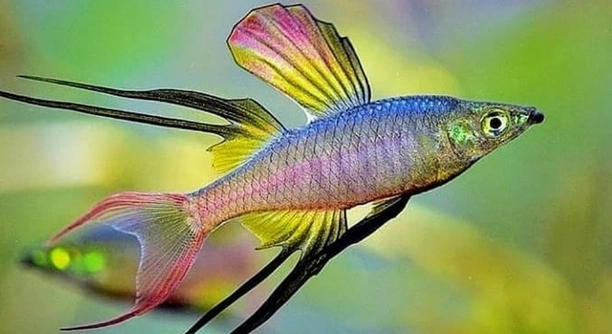
Do your threadfins sometimes swim in circles around their tankmates, leaving you puzzled about their behavior? Observing these patterns can feel strange at first, but they often reveal subtle interactions within your aquarium. Their movements are rarely random.
Threadfins may circle their tankmates due to territorial instincts, social hierarchy, or attempts to establish dominance within the aquarium. These behaviors help them navigate interactions, communicate status, and maintain social balance among other fish in shared spaces.
Understanding why threadfins act this way can improve your aquarium management. Observing their patterns more closely reveals insights into their natural instincts and daily interactions.
Social Hierarchy and Tank Behavior
In my experience, threadfins often circle their tankmates as a way to assert social hierarchy. This behavior isn’t aggressive in all cases, but it is a method to communicate status. Fish like threadfins are highly aware of their surroundings, and movement patterns are their primary way of signaling dominance or submission. In a tank with multiple species, this circling can also indicate which fish feels more confident or territorial. Sometimes, new additions to the tank trigger increased circling as established fish work to maintain familiar dynamics. Observing how often and how closely they swim around others can reveal which fish are dominant. This behavior can be more noticeable during feeding times or when the tank layout changes. Adjustments such as rearranging decorations or providing extra hiding spots can reduce stress. Over time, most threadfins settle into a rhythm that reflects the established hierarchy without constant tension.
Recognizing these interactions helps prevent unnecessary stress and promotes a balanced environment for all fish in the tank.
Proper observation of these patterns allows aquarists to identify dominant and subordinate fish early. Watching closely can prevent conflicts and promote healthy social behavior in the tank.
Environmental Triggers
Temperature, water flow, and lighting often influence circling behaviors. Threadfins are sensitive to changes, and sudden shifts can trigger repetitive movements around tankmates. Even small variations in water chemistry can make them more active or cautious, which often manifests as circling. Proper filtration and stable temperature help maintain predictable behavior. Overcrowding increases the likelihood of circling, as each fish struggles to maintain its preferred territory. Providing open swimming space alongside hiding areas reduces unnecessary tension. Regular observation and minor adjustments to the environment can significantly change how threadfins interact with others. I noticed that introducing plants or rocks strategically created boundaries that minimized constant circling. Consistent water maintenance, such as checking ammonia and nitrate levels, ensures that fish aren’t reacting to discomfort. Threadfins respond to environmental cues quickly, so keeping conditions stable is essential for minimizing stress-induced circling. These adjustments make the tank calmer and encourage natural swimming patterns, promoting a healthier atmosphere for all inhabitants.
Environmental management can significantly reduce repetitive circling, ensuring your threadfins remain active but not stressed.
Feeding Dynamics
Threadfins often circle tankmates during feeding to assert priority over food. This behavior helps them identify who will eat first and who will wait. Recognizing this can guide you in arranging feeding strategies and preventing stress among less aggressive fish.
Feeding time can highlight natural hierarchy in the tank. Threadfins use circling as a subtle form of dominance, ensuring they access food first while smaller or less assertive fish hang back. This behavior is especially noticeable with high-value foods or when portions are limited. By observing these patterns, I realized that dividing food into multiple spots reduces tension. Offering varied textures or types of food allows all fish to feed comfortably without constant competition. Over time, most fish adjust to these strategies, and circling becomes less aggressive and more structured.
In my own tank, I noticed that spacing out feeding locations drastically changed circling behavior. Threadfins began to swim calmly after a few weeks, and less dominant fish fed without fear. This simple adjustment improved overall harmony and allowed me to enjoy watching their natural interactions without constant worry about aggression. It also created opportunities for quieter fish to establish their own routines. Feeding strategies and careful observation work hand in hand to manage tank dynamics effectively, reducing stress and encouraging healthier social behavior.
Health and Stress Indicators
Circling can indicate stress or underlying health issues. Rapid, repetitive swimming or excessive attention to one fish may signal discomfort or illness.
Stress in threadfins often results from poor water quality, inadequate space, or aggressive tankmates. Circling becomes more pronounced when fish are anxious or unwell, and it may escalate if ignored. I observed one of my threadfins showing intense circling alongside other signs like fading color and decreased appetite. Immediate adjustments, including water changes, proper filtration, and separating aggressive tankmates, helped reduce the stress behavior. Monitoring behavior daily allows early detection of potential health issues. Ensuring stable environmental conditions and proper nutrition directly impacts both their physical health and social interactions within the tank.
In addition, stress-induced circling may be mitigated by providing enrichment and hiding spaces. Adding plants or structures allows fish to retreat when overwhelmed, reducing repetitive movements. Over time, threadfins regain confidence and establish calmer routines. Consistent care, attentive observation, and environmental stability are essential to maintain both health and social balance. Addressing these factors prevents the escalation of stress behaviors and promotes a peaceful aquarium environment for all species.
Territory and Space
Threadfins circle tankmates to mark personal territory. Limited space can make them swim around others more frequently as they assert boundaries. Providing adequate room helps minimize tension and maintains peaceful interactions.
Overcrowding intensifies circling behavior. Fish need defined areas to feel secure. Adjusting tank layout or adding decorations can create distinct zones, allowing threadfins to maintain comfort without constant confrontation.
Interaction with Other Species
Threadfins adjust circling patterns depending on the species around them. More passive fish often experience longer circling, while equally active species result in mutual movement adjustments. Observing these interactions reveals how threadfins negotiate social space, balancing dominance with coexistence to maintain tank harmony.
Seasonal Behavior
Threadfins may increase circling during seasonal changes. Shifts in temperature or daylight can trigger heightened activity, reflecting natural rhythms in their behavior and social interactions.
Tank Setup Considerations
Proper tank setup reduces unnecessary circling. Decorations, plants, and hiding spots provide visual barriers and personal zones, helping threadfins navigate social structures calmly. A thoughtfully arranged environment supports both activity and relaxation for all inhabitants.
FAQ
Why do threadfins circle certain tankmates more than others?
Threadfins often circle fish that are smaller, less active, or new to the tank. This behavior helps them establish social order and understand the comfort level of other fish. In my experience, the more confident a threadfin is, the more noticeable the circling becomes. It’s a way to communicate dominance without direct aggression. Providing enough space and hiding spots reduces repeated circling, giving all fish room to feel secure. Observing which fish are targeted most can help identify subtle social hierarchies within the tank.
Is circling always a sign of aggression?
Not necessarily. Circling is sometimes a social or exploratory behavior. Threadfins use it to check boundaries, learn about tankmates, or display curiosity. I’ve noticed that even calm fish may circle when introducing new elements, like decorations or food types. While aggression can accompany circling, especially during feeding or overcrowding, it’s often part of normal social behavior. Differentiating between playful or dominance-driven circling and aggressive actions like chasing or nipping is key. Maintaining stable water conditions and providing adequate space helps keep circling behavior balanced and less stressful for the tank community.
How can I reduce excessive circling in my tank?
Creating distinct zones with plants, rocks, or decorations helps threadfins feel secure. In my experience, spacing out feeding areas also reduces tension during meals. Regularly checking water quality, temperature, and flow prevents stress-induced circling. Overcrowding is a common cause, so keeping the tank at recommended capacity ensures fish have enough personal space. Providing hiding spots allows less dominant fish to retreat, reducing prolonged circling and potential conflicts. Adjusting these factors gradually can calm the tank without disrupting natural behaviors, encouraging peaceful social interactions.
Does circling indicate health problems?
Excessive or frantic circling can signal stress, poor water conditions, or illness. I’ve observed that when a threadfin swims obsessively around a tankmate or a corner, it often coincides with other signs like lethargy, discoloration, or loss of appetite. Regular observation and prompt action, such as water changes or separating affected fish, can prevent worsening conditions. Ensuring proper nutrition and a stable environment reduces the likelihood of stress-related behaviors and promotes overall health.
Can circling affect other fish negatively?
Yes, especially if one fish dominates feeding or territory consistently. Less confident fish may eat less or become stressed, impacting growth and health. I’ve found that dividing food, creating hiding spots, and observing interactions closely helps mitigate negative effects. Balancing the social environment ensures all fish can thrive without constant harassment.
Do environmental changes influence circling?
Absolutely. Threadfins react to temperature shifts, lighting changes, and water flow adjustments. In my experience, even minor changes can increase circling temporarily. Keeping conditions consistent and introducing new elements gradually allows fish to adapt without excessive stress. Thoughtful tank setup and careful monitoring help minimize behavioral disruptions.
Will circling stop over time?
It often decreases as fish establish social hierarchy and become familiar with their environment. In my tanks, circling reduced noticeably after a few weeks, especially once fish felt secure in their territories and feeding routines stabilized. Providing stable conditions, adequate space, and enrichment accelerates this adjustment.
Is it normal for circling to intensify during feeding?
Yes. Food triggers natural competition, and threadfins may circle to assert priority. I always divide food into multiple spots to prevent constant circling and ensure all fish can feed safely. Observing patterns over time helps determine if behavior is part of normal hierarchy or excessive stress.
Do tankmates influence circling frequency?
Definitely. Active or similarly sized species may trigger mutual circling as fish negotiate territory. I’ve seen threadfins adjust behavior depending on who is nearby, balancing dominance and coexistence. Introducing compatible species and providing adequate space reduces unnecessary tension.
Can decorations or plants help manage circling?
Yes, adding visual barriers and hiding spots creates personal zones. I noticed that rearranging plants and rocks reduced repetitive circling, allowing threadfins to interact without constant confrontation. Structured environments promote calm swimming patterns and healthier social dynamics.
How should I monitor circling behavior effectively?
Observe daily at different times, noting frequency, duration, and context. I keep a simple log to track patterns during feeding, tank changes, or new additions. Consistent monitoring helps identify stress triggers, health concerns, or social issues, enabling timely interventions.
Are all threadfins equally likely to circle?
No, individual personality matters. Some fish are naturally more assertive or curious, while others are timid. I noticed that confident threadfins circle more frequently, whereas shy ones may only move when threatened or during feeding. Understanding each fish’s tendencies helps in managing tank harmony effectively.
Can adjusting tank size impact circling?
Yes, providing more space reduces excessive circling. In smaller tanks, fish feel crowded, increasing dominance displays. Expanding swim areas or rearranging territories decreases tension and encourages natural movement. I often rearrange decorations to create zones, which significantly calms repeated circling and fosters peaceful coexistence.
Is circling a reliable indicator of stress?
It can be, but context matters. Normal social behavior looks different from stress-driven circling. I look for accompanying signs like color change, erratic swimming, or reduced appetite. Combined observation ensures accurate assessment of fish well-being.
Can I prevent circling entirely?
Not entirely, as some circling is natural for threadfins. However, maintaining stable water conditions, providing adequate space, multiple feeding zones, and enrichment reduces unnecessary circling. I’ve found that structured environments and careful observation keep interactions healthy without eliminating natural behavior.
Should I separate circling fish?
Only if aggression escalates or less dominant fish are consistently stressed. I usually create temporary partitions or additional hiding areas before considering permanent separation. Most circling behavior resolves once social hierarchy and territory are established.
Does age or size affect circling?
Yes, younger or smaller threadfins may be circled more frequently, while older, larger fish tend to assert dominance. I noticed that as juveniles grow, they gradually gain confidence and may circle others occasionally, balancing social interactions within the tank.
Can lighting influence circling patterns?
Lighting changes can increase activity, prompting more circling temporarily. I maintain consistent light schedules to help threadfins adapt naturally. Sudden bright lights or extended dark periods often lead to noticeable increases in swimming and circling.
Is circling more common in community tanks?
Yes, because multiple species and personalities create complex social dynamics. I’ve observed that introducing new species often triggers temporary increases in circling as threadfins assess their neighbors. Patience and careful observation allow fish to adjust without conflict.
How long does it take for circling to stabilize?
It varies, but typically a few weeks to a couple of months. In my experience, fish adjust faster when space is adequate, feeding is managed, and environmental conditions are stable. Structured setups accelerate calm behavior.
Are there signs circling is problematic?
Excessive chasing, injury, or refusal to eat indicate issues. I monitor behavior closely and intervene when repeated circling stresses other fish. Quick action prevents long-term health or social problems.
Do threadfins circle at night?
Occasionally, especially in poorly lit tanks. I maintain low or off lighting during night cycles to encourage rest and reduce unnecessary nighttime circling. Proper lighting schedules help regulate natural behavior.
Can I use enrichment to manage circling?
Yes, adding floating objects, plants, or tunnels encourages exploration and distracts from constant circling. I noticed fish engaged more with their environment, reducing repetitive patterns while maintaining social interactions naturally.
Is circling influenced by diet?
A balanced diet prevents stress-driven circling. Overfeeding or inconsistent feeding schedules can trigger competition, while consistent portions and varied food types maintain calm. I space meals and provide diverse nutrition to reduce circling-related tension.
How do I know if circling is normal or stress-related?
Look at frequency, intensity, and accompanying signs. Normal circling is brief and context-driven, while stress-related circling is persistent, frantic, and may include color changes or hiding. I always assess multiple factors before making adjustments.
Can water flow affect circling?
Yes, strong currents may prompt circling as fish navigate currents and territories. I adjust flow to balance oxygenation with natural swimming patterns, keeping circling under control while maintaining water quality.
Does tankmate density impact circling long-term?
Higher density increases social tension and circling. I maintain recommended capacity and provide personal zones. Overcrowding leads to persistent stress, while a balanced population supports natural movement and reduces unnecessary circling.
Can seasonal changes trigger circling?
Yes, variations in temperature, daylight, or seasonal cues can temporarily increase activity. I adjust care routines accordingly and provide consistent conditions to minimize stress-induced circling while supporting natural rhythms.
Are some tank setups better for reducing circling?
Tanks with open swim areas, hiding spots, and visual barriers reduce repetitive circling. I’ve found that structured layouts with multiple zones keep threadfins active yet calm, promoting balanced social interactions without constant stress.
Does circling interfere with breeding behavior?
Occasionally, as dominant fish may assert territory. I separate breeding pairs or provide private areas to minimize disruption. Structured environments support both social behavior and reproductive success.
Is circling more common in younger threadfins?
Yes, juveniles explore territories and test boundaries more frequently. I observed that as fish mature, circling decreases, replaced by more confident and predictable social interactions.
How can I use observation to manage circling effectively?
Daily monitoring of behavior, feeding, and interactions allows early intervention. I keep notes on which fish circle, how often, and under what conditions. This approach helps maintain tank harmony and prevent prolonged stress.
Can temperature fluctuations trigger circling?
Even small changes can increase activity. I keep temperature stable to prevent stress-induced behavior. Threadfins respond quickly to discomfort, and consistent warmth reduces unnecessary circling.
Does circling indicate boredom?
Sometimes. Lack of enrichment can lead to repetitive swimming. I added plants, tunnels, and floating objects to provide stimulation, which reduced unnecessary circling while encouraging natural exploration.
Is circling seasonal or continuous?
It can be both. Some patterns increase temporarily due to environmental or social changes, while baseline circling may continue as part of normal hierarchy. Observation helps distinguish these behaviors.
How important is water quality in managing circling?
Extremely important. Poor water conditions increase stress and repetitive circling. I maintain stable parameters and regular testing to ensure fish remain healthy and calm.
Can circling be a sign of curiosity?
Yes, sometimes threadfins are simply exploring tankmates or new objects. I observed non-aggressive circling around unfamiliar decorations or fish, indicating interest rather than dominance.
Does size difference among fish affect circling?
Larger threadfins circle smaller fish more often, establishing social order. I balance tank populations and provide hiding areas to reduce constant displays.
Can circling behavior predict compatibility with other species?
It provides insights. Frequent circling indicates how fish interact and adjust to social dynamics. I use observations to plan introductions and maintain balanced tanks.
Is it normal for circling to vary by time of day?
Yes, activity levels change throughout the day. I noticed increased circling during feeding or bright daylight, while calmer periods occur in low light. Monitoring these patterns helps predict behavior and adjust care routines.
Do threadfins circle more in new tanks?
Absolutely. New environments trigger assessment and social organization. I allow acclimation time, providing hiding spots and gradual introductions to minimize stress and excessive circling.
How do I distinguish playful from aggressive circling?
Playful circling is brief, gentle, and non-threatening. Aggressive circling involves chasing, nipping, or prolonged fixation. I assess body language and context to decide if intervention is necessary.
Are circling patterns unique to each tank?
Yes. Individual fish personalities, species mix, tank size, and layout all influence behavior. I tailor observations and management to each setup for the best outcomes.
Can lighting intensity reduce circling?
Moderate lighting helps maintain calm behavior. I avoid sudden bright lights, which can trigger rapid swimming and increased circling, keeping the tank stable and predictable.
Does tank cleaning affect circling temporarily?
Yes, disruptions can increase activity. I clean tanks carefully and gradually, allowing fish to readjust, minimizing stress-induced circling.
Are circling patterns predictable over time?
Mostly. Once hierarchy and territory are established, circling stabilizes. I monitor changes carefully when new fish or decorations are introduced.
Can multiple feeding spots prevent circling?
Yes, distributing food reduces competition and repeated circling. I noticed calmer interactions when fish have equal access to meals, supporting both social order and health.
Do threadfins circle more in large or small tanks?
Smaller tanks amplify circling due to limited space, while larger tanks allow more freedom. I provide adequate room to reduce repetitive behaviors and maintain peaceful interactions.
Is circling more noticeable in certain species of threadfins?
Yes, more active or assertive species tend to circle frequently. Observing species-specific tendencies helps manage tank dynamics and prevent unnecessary stress.
Does water current direction influence circling?
Yes, currents affect swimming patterns. I adjust flow to balance oxygenation and natural movement, reducing repeated circling around tankmates.
Can circling be a sign of excitement?
Sometimes. Fish may circle during feeding, introduction of new decorations, or environmental enrichment. I monitor intensity to differentiate excitement from stress or dominance.
Are some tankmates more likely to trigger circling?
Yes, timid or slower-moving fish often experience more circling. I provide hiding spots and multiple zones to reduce constant pursuit and maintain harmony.
How long should I observe circling before making changes?
A few weeks provides sufficient insight into patterns and social hierarchy. I record observations daily to identify stress triggers and appropriate interventions.
Can circling decrease naturally over time?
Yes, as fish adjust to tankmates and environment, baseline circling reduces. I ensure consistent conditions to support natural behavior without stress.
Is circling more common in community or single-species tanks?
Community tanks show more circling due to mixed personalities and hierarchy formation. I carefully plan species combinations and provide space to minimize unnecessary tension.
Can circling indicate environmental discomfort?
Yes, poor water quality, incorrect temperature, or limited space can trigger repeated circling. I monitor and adjust conditions promptly to ensure comfort and reduce stress.
Does hiding space reduce circling frequency?
Absolutely. Plants, rocks, and tunnels give fish options to retreat, lowering unnecessary circling and promoting peaceful coexistence.
Can circling behavior change with age?
Yes, juvenile threadfins circle more frequently, while adults establish hierarchy and reduce repeated patterns. Observing age-related behavior helps anticipate social adjustments.
Is circling influenced by feeding schedules?
Yes, inconsistent feeding increases competition and circling. I maintain regular, evenly distributed meals to reduce stress and reinforce calm interactions.
Can I track circling to identify stress triggers?
Yes, noting frequency, duration, and context helps identify problems. I log observations to make informed adjustments to the tank setup or routine.
Do threadfins circle less when they feel secure?
Yes, once hierarchy, territory, and environment are stable, circling decreases. I focus on stability and enrichment to support peaceful behavior.
Does tank shape affect circling behavior?
Yes, elongated tanks may encourage swimming along perimeters, while square tanks create more focal points. I arrange decorations to balance space and reduce repetitive circling.
Can seasonal lighting changes increase circling?
Yes, changes in daylight simulation can trigger temporary activity increases. I maintain consistent light cycles to support calm, predictable behavior.
Is circling more pronounced in mixed-age tanks?
Yes, older, dominant fish may circle younger fish to assert hierarchy. I provide zones and hiding spots to ensure balanced interactions.
How does water temperature consistency influence circling?
Stable temperature reduces stress-induced circling. I maintain steady warmth and avoid rapid fluctuations to promote calm social behavior.
Can I introduce objects to redirect circling?
Yes, floating or stationary objects encourage exploration and distract from repetitive circling, providing enrichment while maintaining natural interactions.
Does tank size relative to fish number affect circling?
Yes, more space per fish reduces repeated circling and territorial disputes. I maintain recommended stocking levels to support calm, balanced behavior.
Can circling behavior indicate readiness for breeding?
Occasionally. Increased activity around certain tankmates may reflect courtship or territory establishment. I monitor behavior carefully to differentiate social from reproductive actions.
Is it normal for circling to increase during water changes?
Yes, disruptions often trigger temporary activity spikes. I perform gradual changes to minimize stress and unnecessary circling.
Can circling be influenced by tank noise or vibration?
Yes, vibrations from equipment or external sources can increase movement. I ensure stable placement of tanks and minimize disturbances to maintain calm behavior.
Are certain tank decorations better for reducing circling?
Yes, items that create distinct zones and visual barriers help fish navigate territories without repeated displays. I use plants, rocks, and tunnels strategically.
Does feeding method influence circling?
Yes, surface versus bottom feeding changes competition dynamics. I distribute food thoughtfully to reduce repeated circling and ensure equitable access.
Can circling indicate dominance without aggression?
Yes, subtle displays through circling communicate hierarchy while avoiding conflict. I observed that fish often settle after establishing social order, reducing unnecessary tension.
Does water quality testing affect circling management?
Yes, monitoring ammonia, nitrite, nitrate, and pH levels ensures stress-free conditions. Stable water chemistry reduces compulsive circling and supports healthy interactions.
Can lighting color impact circling?
Some wavelengths may affect activity levels. I maintain neutral lighting to avoid overstimulation and excessive movement.
Is circling more noticeable in small tanks?
Yes, limited space makes territorial displays more obvious. I optimize layout and provide visual barriers to reduce repetitive behavior.
Can seasonal temperature changes trigger temporary circling increases?
Yes, even minor shifts can alter activity. I keep conditions stable to maintain calm behavior while supporting natural rhythms.
Does tank depth affect circling?
Deeper tanks allow vertical swimming, reducing horizontal circling around tankmates. I ensure adequate depth for natural movement.
Can circling be a form of exploration?
Yes, especially when new decorations or fish are introduced. Observing patterns helps distinguish curiosity from stress or dominance behavior.
Does diet consistency influence circling frequency?
Yes, regular feeding reduces competitive circling. I provide balanced, evenly distributed meals to support calm interactions.
Can circling be a sign of environmental enrichment need?
Yes, lack of stimulation can increase repetitive behavior. I provide tunnels, plants
Threadfins are fascinating fish to keep, and understanding their behavior can make a big difference in maintaining a peaceful tank. Circling around tankmates is one of the most common behaviors that can catch your attention. While it may look odd at first, it usually reflects natural instincts, such as establishing social hierarchy, exploring surroundings, or asserting territory. Observing when and how threadfins circle provides valuable insights into their interactions with other fish. Over time, noticing patterns helps predict behavior, allowing you to make small adjustments to reduce tension and maintain balance. From my experience, a little patience and careful observation go a long way in understanding these subtle signals. It is important to remember that circling is not always aggressive. Often, it is a form of communication or exploration. By maintaining stable environmental conditions, such as proper water quality, temperature, and lighting, you can ensure that circling does not become a sign of stress or conflict. Providing adequate space and hiding spots also helps threadfins feel secure while allowing less dominant fish to coexist comfortably.
Feeding practices play a significant role in how often threadfins circle. Fish often display circling behavior during feeding to assert dominance or claim territory. I have found that dividing food into multiple spots and providing consistent portions helps minimize competitive behavior. When all fish have equal access to food, stress is reduced, and circling becomes less aggressive and more organized. Observation is key to understanding whether circling is part of normal social interaction or a response to environmental stress. Changes in water flow, tank layout, or the introduction of new fish or decorations can temporarily increase circling, but most threadfins adjust over time. Creating distinct zones using plants, rocks, and other decorations allows fish to establish boundaries naturally. These adjustments not only improve social dynamics but also encourage natural exploration and activity. Over time, the tank becomes a more predictable and calm environment, where threadfins can interact safely with other species without unnecessary tension.
Health monitoring is another critical aspect to consider when evaluating circling behavior. Excessive or frantic circling can indicate stress, illness, or discomfort caused by poor water quality or overcrowding. I have noticed that changes in behavior, such as constant circling combined with fading color or reduced appetite, often signal the need for intervention. Regular water testing, careful feeding schedules, and proper tank maintenance help prevent stress-induced behaviors and promote overall well-being. In addition, providing enrichment and hiding spaces gives fish options to retreat, reducing prolonged or repetitive circling. By closely observing behavior, maintaining stable environmental conditions, and making thoughtful adjustments to the tank setup, circling can be understood and managed effectively. Ultimately, understanding the reasons behind threadfins’ circling behavior allows for a calmer, healthier, and more harmonious aquarium, benefiting both the fish and the aquarist’s experience.

Hello,
If you enjoy the content that we create, please consider saying a "Thank You!" by leaving a tip.
Every little bit helps us continue crafting quality advice that supports the health, happiness, and well-being of pets around the world, for pets of all shapes, sizes, and species.
We really appreciate the kindness and support that you show us!