
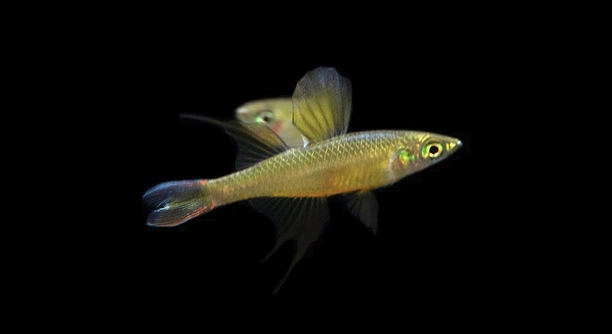
Do your threadfin rainbowfish seem restless or less vibrant than usual? Observing their behavior closely can reveal subtle signs of stress or fatigue. Ensuring your fish are healthy requires attention to their daily activity and environment.
Threadfin rainbowfish exhibit specific behavioral and physical indicators when they require a break, including reduced swimming activity, loss of coloration, clamped fins, unusual hiding, changes in appetite, erratic movements, and increased aggression. Recognizing these signs allows for timely intervention to maintain their well-being.
Identifying these signs early helps you prevent prolonged stress and ensures your fish remain healthy, active, and thriving in their aquatic environment.
Reduced Swimming Activity
When a threadfin rainbowfish is stressed or needs a break, one of the first signs is a noticeable reduction in swimming. Normally active and energetic, these fish will start lingering at the bottom of the tank or near decorations without much movement. You may notice them drifting aimlessly rather than actively exploring their surroundings. This change is often subtle at first, making it easy to overlook, especially if your fish is usually very active. Reduced swimming can indicate that the fish is conserving energy due to fatigue, illness, or stress caused by water conditions or tank mates. Monitoring swimming patterns daily can help you spot these changes before they become severe. Ensuring clean water, proper nutrition, and a calm environment can improve activity levels and prevent prolonged lethargy.
Persistent lethargy is a clear signal your fish needs rest and better tank conditions to regain normal behavior.
Observing and recording swimming behavior over several days allows you to distinguish between natural rest periods and concerning lethargy. Sudden decreases in activity paired with other signs, like color fading or fin clamping, point toward the need for intervention. Adjusting water temperature, checking filtration systems, and maintaining a stress-free environment all contribute to recovery. Providing hiding spots and reducing disturbances can also help the fish regain confidence and energy. Small changes in the tank setup, such as adding plants or rearranging decorations, can create a more comfortable space for resting fish. Monitoring their feeding habits alongside activity gives a fuller picture of their health.
Loss of Color
Faded or dull coloration is a common indicator that a threadfin rainbowfish is stressed or overworked. These fish usually display vibrant, shimmering colors, but stress, illness, or fatigue can quickly reduce their brightness.
Color loss is often gradual but noticeable when comparing day-to-day appearances.
Changes in pigmentation can occur due to several factors, including poor water quality, inadequate diet, and lack of rest. Stress hormones can directly affect the intensity of color in rainbowfish, making them appear less lively. Addressing water parameters like pH, temperature, and ammonia levels is crucial to restoring vibrancy. Ensuring a balanced diet rich in natural pigments and proteins also supports healthy coloration. Sometimes, minor tank disturbances or aggressive tank mates can trigger temporary fading, which resolves when conditions stabilize. Observing color alongside behavior provides a better understanding of overall well-being. Regular maintenance, gentle handling, and minimizing sudden changes in the environment help prevent prolonged color loss. By attending to these factors, you allow the fish to recover their natural, vivid appearance.
Clamped Fins
Clamped fins are a clear sign your threadfin rainbowfish is stressed or fatigued. The fins stay close to the body instead of spreading naturally, indicating discomfort or poor health.
Fins that remain tight against the body often reflect environmental stressors or underlying illness. Poor water quality, sudden temperature changes, or aggressive tank mates can trigger this behavior. It reduces the fish’s ability to swim effectively, making it harder to maintain balance and move with ease. Stress from overcrowding or inadequate hiding spots can also cause clamping. Observing fin posture regularly helps identify early warning signs and allows for timely intervention.
Correcting water parameters and providing a calm, stable environment encourages fins to return to their natural, open position. Ensuring proper nutrition and avoiding sudden changes in the tank helps the fish recover. Monitoring interactions with other fish and reducing disturbances further supports fin health. Sometimes, temporary clamping resolves once the fish adjusts to its environment, but persistent clamping requires immediate attention to prevent further stress or illness.
Unusual Hiding
Excessive hiding is a common sign that a threadfin rainbowfish needs a break. When they retreat to corners or decorations, it often signals discomfort.
Persistent hiding can indicate stress, illness, or fatigue, and it usually occurs alongside other behavioral changes. These fish normally explore their tanks, swim actively, and interact with others. A sudden preference for hiding may result from water quality issues, aggressive tank mates, or inadequate space. Frequent observation of these behaviors is essential to ensure timely responses. Providing sufficient cover like plants or caves helps reduce stress and gives the fish a safe area to rest.
Addressing hiding behavior involves creating a balanced and stable environment. Monitoring water conditions, maintaining cleanliness, and providing a quiet setting contribute to a sense of safety. Adjusting tank mates or rearranging decorations can make the fish feel more secure. Observing feeding habits alongside hiding helps determine if the behavior is temporary or a sign of deeper issues. Regular interaction with the environment and gentle observation encourage the fish to gradually resume normal activity. When hiding decreases, it reflects improved comfort and reduced stress levels.
Changes in Appetite
A sudden decrease or increase in appetite can signal that a threadfin rainbowfish needs a break. Stress, illness, or fatigue often affects feeding behavior, causing noticeable changes in how eagerly they eat.
Monitoring meal times and portion intake helps identify unusual patterns. Consistently skipping food or overeating may indicate environmental stress or underlying health issues. Adjusting diet quality and ensuring calm conditions can support proper feeding habits.
Erratic Movements
Erratic swimming, darting, or sudden changes in direction are signs of stress or discomfort. These movements can result from poor water quality, overcrowding, or agitation from other tank mates. Observing behavior consistently allows for early intervention.
Increased Aggression
Aggression in normally peaceful threadfin rainbowfish often reflects fatigue or stress. This can manifest as chasing, nipping, or dominance displays within the tank.
Addressing aggression involves evaluating tank conditions, including space, hiding spots, and compatibility with other fish. Improving water quality, providing ample territory, and reducing disturbances can reduce tension. Regular monitoring helps prevent injuries and ensures a balanced environment for all tank inhabitants.
FAQ
How can I tell if my threadfin rainbowfish is stressed?
Stress in threadfin rainbowfish can show in multiple ways, including reduced swimming, faded colors, clamped fins, unusual hiding, erratic movements, and changes in appetite. Observing daily behavior and noting any deviations from normal patterns is key. Environmental factors like water quality, temperature fluctuations, and aggressive tank mates often contribute to stress. Ensuring a calm, stable environment with proper nutrition helps reduce these signs.
What water conditions are best for threadfin rainbowfish?
Threadfin rainbowfish thrive in clean, slightly alkaline water with a pH between 7.0 and 8.0. Temperature should be maintained between 24°C and 28°C. Regular water changes and monitoring ammonia, nitrite, and nitrate levels are essential. Consistent conditions prevent stress and reduce the likelihood of illness, ensuring the fish maintain energy, color, and overall health.
Why is my fish hiding so much?
Frequent hiding indicates stress, fatigue, or discomfort. Overcrowded tanks, aggressive companions, or lack of hiding spots can trigger this behavior. Providing plants, caves, or decorations helps fish feel secure. Temporary hiding may resolve once the environment stabilizes, but persistent hiding requires checking water quality and tank dynamics.
What should I feed a tired threadfin rainbowfish?
A balanced diet is essential. High-quality flake food, small live or frozen foods like brine shrimp or daphnia, and occasional vegetables keep energy levels stable. Avoid overfeeding, which can worsen stress. Feeding small, consistent portions while monitoring appetite helps restore normal behavior and supports recovery.
How long should I give my fish a break?
The duration depends on the severity of stress or fatigue. Some fish recover within a few days with improved water quality and calm conditions. Others may need longer rest periods and reduced disturbances. Monitoring behavior and ensuring proper nutrition and hiding spaces helps determine when the fish has fully recovered.
Can poor tank mates cause stress?
Yes. Aggressive or overly active fish can intimidate threadfin rainbowfish, leading to clamped fins, hiding, or reduced swimming. Evaluating tank compatibility and creating separate areas or refuges can minimize tension and allow stressed fish to regain confidence and energy.
Are there signs that require immediate attention?
Severe lethargy, rapid color loss, continuous clamped fins, erratic movements, or refusal to eat for more than a day are red flags. These signs may indicate illness or serious stress, and prompt action—checking water quality, isolating the fish if necessary, and adjusting care—is critical.
How can I reduce stress long-term?
Maintain consistent water parameters, provide adequate space and hiding spots, and avoid sudden changes in temperature or lighting. Monitor interactions with other fish and ensure a varied, nutritious diet. Regular observation allows you to catch early warning signs before stress escalates.
Is it normal for rainbowfish to act differently sometimes?
Yes, minor fluctuations in behavior can occur due to natural activity cycles or temporary environmental changes. However, consistent deviations in swimming, feeding, or coloration indicate a need for intervention and adjustment of tank conditions.
Can supplements help stressed fish?
Some supplements, like vitamins or natural stress-reducing additives, can support recovery. Use these cautiously and follow manufacturer instructions. A healthy environment and proper diet remain more effective for long-term well-being than relying solely on supplements.
How do I track recovery effectively?
Keep a daily log of swimming patterns, coloration, feeding behavior, and interactions. Gradual improvements indicate recovery, while persistent issues may require further environmental adjustments or veterinary consultation. Consistent monitoring ensures your fish regain health safely.
Can stress affect lifespan?
Chronic stress weakens immune function and can shorten lifespan. Reducing environmental stressors, maintaining stable water quality, and providing appropriate care are essential to preserving the health and longevity of threadfin rainbowfish.
What is the best way to introduce new fish?
Acclimate new fish slowly to avoid sudden environmental changes. Float bags in the tank, gradually mix tank water, and observe interactions carefully. Proper introduction reduces stress for both new and existing fish, preventing conflict and behavioral issues.
How often should I check my tank?
Daily observation of behavior, feeding, and physical condition is ideal. Weekly water testing and regular maintenance ensure stable conditions. Consistent attention helps detect subtle changes early, allowing timely intervention to prevent stress-related problems.
Can stress be reversed completely?
With proper care, many signs of stress in threadfin rainbowfish can be reversed. Improvements in environment, diet, and social dynamics often restore normal behavior, coloration, and activity levels. Early recognition and intervention are key to full recovery.
Final Thoughts
Threadfin rainbowfish are delicate and lively fish that thrive best in stable, calm environments. Observing their daily behavior closely is essential to ensure they remain healthy and active. Subtle changes in swimming, coloration, appetite, or interactions with other fish can signal fatigue or stress, and addressing these signs early can prevent more serious issues. Consistent monitoring helps identify problems before they escalate, making it easier to adjust tank conditions, improve diet, or reduce disturbances in their environment. Maintaining clean water with appropriate temperature and pH levels is one of the most effective ways to keep these fish comfortable and energetic.
Providing adequate space, hiding spots, and compatible tank mates also plays a significant role in promoting well-being. Overcrowded tanks or aggressive companions often lead to clamped fins, hiding, or increased aggression. By observing social dynamics and ensuring every fish has its own space to explore and rest, you support natural behaviors and reduce stress. Nutrition is equally important. A balanced diet with high-quality flakes, occasional live or frozen foods, and supplements when necessary ensures the fish have enough energy to remain vibrant and active. Small adjustments in feeding routines, water quality, and tank layout can significantly impact a fish’s health and recovery.
Ultimately, recognizing when a threadfin rainbowfish needs a break is about paying attention to the details. Persistent lethargy, color loss, clamped fins, erratic movements, hiding, and changes in appetite all indicate that intervention may be needed. Correcting water parameters, providing calm conditions, and supporting recovery with proper nutrition helps the fish regain normal behavior and energy levels. Stress and fatigue are manageable when addressed promptly, and early attention often prevents long-term issues. By keeping a careful eye on behavior and making small, consistent improvements to the tank environment, you can ensure your threadfin rainbowfish remain healthy, active, and vibrant, enjoying a longer and more comfortable life.

Hello,
If you enjoy the content that we create, please consider saying a "Thank You!" by leaving a tip.
Every little bit helps us continue crafting quality advice that supports the health, happiness, and well-being of pets around the world, for pets of all shapes, sizes, and species.
We really appreciate the kindness and support that you show us!