
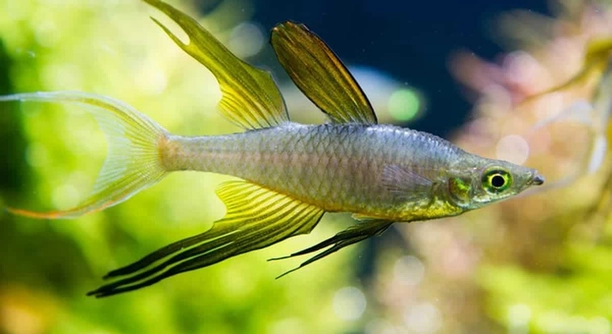
Threadfins are sensitive fish that rely on stable water temperatures to stay healthy and active. When their heater malfunctions, they can experience stress, reduced appetite, and unusual swimming behaviors that signal discomfort and confusion in their environment.
When a heater fails, threadfins may cluster near warmer areas, reduce movement, or display erratic swimming. These responses are instinctive measures to cope with temperature changes, maintain metabolic function, and minimize stress until the water conditions stabilize.
Observing these signs early allows owners to take prompt action and restore proper conditions for the threadfins’ well-being and comfort.
Recognizing Signs of Heater Malfunction
When a heater stops working properly, threadfins often show clear changes in behavior. They may gather near warmer spots in the tank or hover near the surface where the water temperature is slightly higher. Swimming can become sluggish or unusually frantic as they attempt to find comfort. Appetite changes are another key indicator, with some fish eating less or refusing food entirely. Their colors may also appear duller, and fins could be clamped closer to their bodies, signaling stress. Observing these signs daily is important, as even a short period of cold water can affect metabolism and immune function. Prompt attention ensures the fish remain healthy and reduces the risk of illness. Temperature monitoring tools, like digital thermometers, can help confirm if the heater is failing and identify temperature fluctuations before the fish experience severe stress. Recognizing subtle behavioral shifts can make a significant difference in maintaining tank stability.
Even small variations in temperature can disrupt threadfins. Immediate observation helps prevent long-term health problems.
Monitoring water conditions consistently and keeping a close eye on fish behavior allows owners to respond quickly. Adjusting heaters, performing partial water changes, and using temporary warming methods can stabilize the tank. Regular checks minimize stress and maintain healthy activity levels.
Steps to Stabilize Temperature
Acting quickly when a heater fails is essential. Temporary measures, like moving the heater to another tank or using safe external heat sources, can prevent temperature drops.
Replacing or repairing the heater should be done promptly. Ensure that the new or repaired heater matches the tank size and desired temperature range. Gradual adjustments prevent shocking the fish, and consistent monitoring ensures stability. Performing partial water changes can remove cooler water and maintain a comfortable environment while the heater stabilizes. Using insulated covers can also reduce heat loss. Patience is crucial, as sudden temperature swings can worsen stress. By combining observation, careful adjustments, and proper equipment, owners can maintain a healthy, balanced environment for their threadfins and reduce the risk of illness or abnormal behavior caused by cold water exposure.
Common Behavioral Changes
Threadfins may become less active when water temperature drops. They often linger near the warmest areas of the tank, reduce swimming, or hide more than usual. Appetite may decrease, and some fish might refuse food completely. Observing these behaviors helps identify problems early.
Stress from cold water can cause threadfins to display erratic swimming patterns or float near the surface for extended periods. These behaviors indicate discomfort and a struggle to maintain normal metabolic function. Reduced feeding can lead to weight loss, weakened immunity, and increased susceptibility to disease. Careful observation and timely intervention prevent long-term health effects and help the fish recover faster once stable temperatures are restored.
Some threadfins may also show changes in coloration or fin movement, clamping their fins or appearing duller. Such signs, combined with unusual swimming or reduced feeding, signal that water temperature is not ideal. Early recognition allows adjustments, such as temporary heating solutions or partial water changes, ensuring the fish remain healthy and active while the main heater issue is resolved.
Preventing Heater Failures
Regular maintenance is essential to avoid sudden heater malfunctions. Checking connections, cleaning the heater, and monitoring temperature daily keeps the system reliable and reduces stress on threadfins.
Choosing a heater suitable for the tank’s size and using a backup thermometer ensures stable conditions. Inspecting cords, thermostats, and settings prevents unexpected failures, and positioning the heater properly allows even heat distribution. Small temperature changes can still affect threadfin behavior, so consistent observation is key. Backup heat sources, like portable aquarium heaters, can serve as temporary support during repairs. By combining preventative care and monitoring, owners minimize risk and protect their fish from prolonged stress or health issues caused by unstable temperatures.
Temporary Heating Solutions
Using a portable heater or heat lamp can stabilize water temperature while the main heater is repaired. Ensure any temporary source is safe for aquarium use and does not create uneven heating that could stress the threadfins.
Floating heating packs or insulated tank covers can also help maintain warmth. These solutions provide short-term relief and prevent sudden drops that could affect fish behavior. Monitoring temperature closely during this period ensures that conditions remain within a safe range.
Feeding Adjustments During Malfunction
Threadfins may eat less when the water is cooler. Offering smaller, more frequent meals helps maintain energy without overfeeding. Soft, easily digestible food reduces stress on their digestive system, supporting health while temperatures stabilize.
Long-Term Maintenance Tips
Regularly inspect heaters, cords, and thermostats for signs of wear or damage. Cleaning mineral buildup and confirming proper placement prevents uneven heating. Consistent checks, combined with backup thermometers, ensure a stable environment that keeps threadfins active and healthy, minimizing risks from sudden malfunctions.
Observing Recovery
After restoring proper temperature, monitor threadfins for improved activity and appetite. Gradual return to normal behavior indicates successful stabilization.
FAQ
How can I tell if my threadfins are stressed from a heater malfunction?
Signs of stress include reduced activity, erratic swimming, hiding more than usual, clamped fins, dull coloration, and decreased appetite. Observing these behaviors daily allows you to identify problems early and take immediate action to stabilize water conditions before health issues develop.
What temporary solutions can I use if the heater fails?
Portable aquarium heaters, heat lamps, floating heating packs, or insulated tank covers can provide temporary warmth. Always ensure these methods do not create hot spots or uneven heating, which can further stress threadfins. Monitor the water temperature closely while using temporary measures.
Should I change the feeding routine during a heater malfunction?
Yes, threadfins may eat less when water is cooler. Offer smaller, more frequent meals of easily digestible food. This helps maintain energy without overloading their digestive system and supports overall health during temperature fluctuations.
How long can threadfins tolerate cooler water?
Threadfins can tolerate brief drops in temperature, but prolonged exposure can impact metabolism, immunity, and appetite. Acting quickly to stabilize the water and using temporary heating solutions reduces the risk of long-term health effects.
What maintenance steps prevent heater malfunctions?
Regularly inspect the heater, cords, and thermostat for wear or damage. Clean mineral buildup, confirm proper placement, and ensure the heater matches the tank size. Daily temperature checks with a reliable thermometer and using backup heating options improve overall reliability.
Can erratic swimming indicate other problems besides temperature?
Yes, erratic swimming can also result from water quality issues, stress, or disease. Testing pH, ammonia, nitrite, and nitrate levels ensures that environmental factors are not causing abnormal behavior. Addressing multiple factors provides a healthier environment.
Is it safe to use multiple heaters in a single tank?
Using multiple heaters is safe if each is appropriately sized for the tank. This provides redundancy in case one fails and helps maintain a more consistent temperature throughout the aquarium. Always monitor to avoid overheating.
How quickly should I replace a malfunctioning heater?
A heater should be replaced immediately if it shows signs of failure, inconsistent heating, or damage. Delaying replacement can leave threadfins exposed to stress and temperature fluctuations, which may compromise their health and recovery.
What long-term signs show my threadfins have recovered?
Once temperature stabilizes, threadfins should resume normal activity, regular feeding, vibrant coloration, and smooth swimming patterns. Observing these signs over several days confirms that they have adjusted and regained well-being.
Can I prevent stress by maintaining a backup heater?
Yes, having a backup heater provides peace of mind and ensures that water temperature remains stable if the primary heater fails. Backup systems are particularly important for sensitive species like threadfins, reducing the risk of sudden stress or illness.
How often should I check the aquarium temperature?
Daily temperature checks are recommended, especially during colder months or when using heaters. Consistent monitoring helps identify small fluctuations before they become serious problems, ensuring a healthy and stable environment for threadfins.
Are there signs of stress I might miss at first?
Yes, subtle signs like slightly reduced appetite, slower swimming, or occasional hiding can indicate early stress. Keeping a close eye on behavior and noting changes over time helps catch issues before they escalate.
How do I safely perform a partial water change during a heater malfunction?
Use water that matches the tank’s current temperature to avoid shocking the fish. Replace small amounts gradually, and maintain aeration to ensure the environment stays stable while the main heater is repaired or replaced.
Can temperature fluctuations cause long-term health problems?
Prolonged or repeated temperature swings can weaken immunity, slow growth, and make threadfins more susceptible to disease. Prompt action, proper heater maintenance, and careful observation are essential to prevent lasting effects.
Is it necessary to quarantine fish after a heater failure?
Quarantining is not usually required if temperature stabilizes quickly and the fish show no signs of illness. However, observe them closely for days afterward to ensure recovery and to catch any delayed effects of stress.
This FAQ provides practical guidance on identifying stress, stabilizing temperature, adjusting feeding, maintaining equipment, and supporting recovery, ensuring threadfins remain healthy and comfortable in fluctuating conditions.
Final Thoughts
Threadfins are sensitive fish that rely heavily on stable water temperatures to maintain health and activity. A malfunctioning heater can cause sudden stress, which affects their swimming patterns, appetite, and overall behavior. Observing the fish closely allows owners to detect early signs of distress, such as sluggish movement, hiding, or changes in coloration. Addressing these behaviors promptly is important, as even short periods of cooler water can impact metabolism and immune function. Taking the time to monitor daily activity and feeding habits provides insight into their condition and helps prevent longer-term health issues.
Maintaining a reliable heater is critical for creating a stable environment. Regular inspections, cleaning, and using the correct size and type of heater for the tank ensures consistent temperatures. Backup thermometers and secondary heating sources can provide extra security, reducing the risk of sudden temperature drops. Temporary solutions, such as portable heaters, floating heat packs, or insulated tank covers, can support fish while repairs are made. Partial water changes with carefully matched temperature water can also help stabilize conditions. By combining preventative maintenance with careful observation, owners can maintain a healthy environment and reduce the stress caused by equipment failures.
Recovery for threadfins requires patience and attention. Once the heater is repaired or replaced, the fish may take time to return to normal behavior, but gradual improvement in swimming, feeding, and coloration indicates recovery. Adjustments to feeding routines, smaller meals, and easily digestible food can support energy and reduce stress during this period. Observing the fish closely over several days ensures that they regain strength and vitality. A proactive approach, including consistent temperature monitoring, equipment maintenance, and careful observation of behavior, ensures that threadfins remain healthy and active. Long-term attention to these factors allows owners to maintain a stable environment, prevent recurring issues, and support the overall well-being of their fish.

Hello,
If you enjoy the content that we create, please consider saying a "Thank You!" by leaving a tip.
Every little bit helps us continue crafting quality advice that supports the health, happiness, and well-being of pets around the world, for pets of all shapes, sizes, and species.
We really appreciate the kindness and support that you show us!