
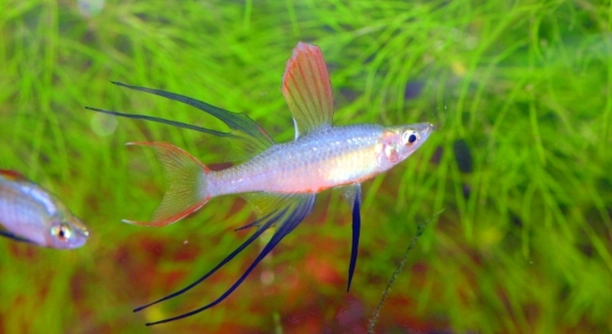
Have you ever noticed your threadfins shimmering more brightly at certain times and wondered what brings out those stunning colors? Their vivid appearance is more than just luck—it’s influenced by a few fascinating natural factors.
Threadfins display brighter colors due to a combination of diet, lighting conditions, water quality, stress levels, genetics, age, and breeding season. Each of these factors plays a significant role in enhancing or dulling their natural pigmentation.
Understanding these influences can help you maintain your threadfins’ radiant hues while supporting their overall health and happiness in your aquarium.
Diet and Nutrition
Threadfins gain their striking colors largely from what they eat. A nutrient-rich diet with natural pigments like carotenoids helps intensify their hues, particularly shades of orange, red, and gold. Foods such as brine shrimp, krill, spirulina, and color-enhancing pellets are excellent choices. Maintaining a varied feeding schedule prevents nutritional gaps that can cause dullness or fading over time. Overfeeding, however, can reduce water quality and counteract the benefits of a balanced diet. The right food doesn’t just enhance color—it strengthens immunity, supports growth, and keeps your threadfins active and vibrant. Observing their response to diet changes will help you fine-tune what works best for them.
Feeding high-quality, color-rich foods daily encourages your threadfins to maintain bright, even coloring across their fins and bodies. It also reduces stress-related dulling and ensures consistent vibrancy that reflects their overall health.
Balanced nutrition builds a solid foundation for color development. However, even the best diet cannot overcome environmental conditions that fail to meet the fish’s needs. Maintaining other factors like lighting and water quality ensures their pigments continue to flourish naturally, without artificial boosts or temporary color enhancements.
Lighting and Environment
Proper lighting plays a key role in making threadfins appear more colorful and defined.
Natural and artificial light both influence pigment visibility and overall vibrancy. Threadfins kept under full-spectrum aquarium lights often show richer tones, as these lights mimic natural sunlight and enhance reflective scales. Too little light causes colors to fade, while excessive exposure may stress the fish and dull pigmentation. Maintaining moderate, consistent lighting for about eight to ten hours daily helps regulate their internal rhythm and highlight their true colors.
The environment also contributes to their brightness. A clean, well-maintained tank with stable temperature and gentle water movement prevents stress, allowing colors to shine through naturally. Including dark substrates or plants can help contrast their tones, making their fins appear more luminous. In contrast, sudden water changes or poor filtration can quickly cloud their beauty. Creating a balanced space that supports comfort, calmness, and proper illumination will let your threadfins display their most radiant appearance without strain or fading.
Water Quality
Clean, stable water conditions are vital for threadfins to maintain their brilliant colors. Poor quality water causes stress, leading to faded pigmentation and sluggish behavior. Regular testing and maintenance create a healthy environment where their natural hues can thrive.
Maintaining balanced pH levels between 6.5 and 7.5, along with proper ammonia and nitrate control, supports strong coloration and general health. Weekly partial water changes remove waste buildup, ensuring a clear environment for light reflection. Overcrowding should be avoided since it increases toxins and stress levels. Good filtration paired with stable temperature promotes consistent coloration. Clean water doesn’t just keep them alive—it allows their pigments to reach their full potential.
Stable water parameters also encourage natural behaviors like schooling and displaying, which can further intensify their colors. When threadfins feel secure and stress-free, their scales reflect light more effectively, enhancing brightness without the need for artificial boosters or supplements.
Stress Levels
Stress greatly affects the brightness of threadfins’ coloration, often dulling their vibrant tones. Calm surroundings, consistent routines, and compatible tankmates help them feel secure and prevent the physical and behavioral effects of ongoing stress.
When threadfins experience frequent disturbances, such as sudden movements, poor handling, or loud vibrations, their body releases hormones that suppress pigment expression. Creating a stable environment with minimal disruptions allows natural colors to reappear over time. Ensuring they have hiding spaces, proper lighting, and consistent feeding schedules can significantly reduce anxiety. A peaceful aquarium not only benefits their health but also keeps their appearance lively and luminous.
Genetics and Breeding
Genetics determine the base color and pattern of threadfins, influencing how vivid their hues appear. Selective breeding enhances natural pigmentation, producing fish with stronger, more defined tones. Quality breeding lines often result in threadfins displaying consistently brighter and more stable coloration.
Breeding during the mating season can further intensify colors, as males often display heightened pigmentation to attract females. This temporary brilliance highlights the impact of hormones and genetics working together. Supporting healthy breeding conditions ensures both parents and offspring maintain strong, vibrant coloration across generations.
Age and Maturity
As threadfins mature, their colors develop greater depth and definition. Young fish may appear pale at first, but proper care and time allow pigments to fully form. Mature threadfins often display richer tones that reflect their overall health and longevity.
Tank Companions
Peaceful tank companions help threadfins stay calm, which allows their natural brightness to shine. Aggressive or fast-moving species cause stress, leading to faded colors and withdrawn behavior. Keeping them with compatible fish supports harmony and sustained vibrancy.
Why are my threadfins’ colors fading despite good care?
Even with proper diet, lighting, and clean water, threadfins can experience color fading due to subtle stressors or minor water fluctuations. Sudden temperature changes, overcrowding, or overly aggressive tankmates may suppress pigmentation. Hormonal shifts during non-breeding periods can also temporarily reduce brightness. Observing daily behavior alongside environmental conditions often helps identify the underlying cause. Adjusting lighting, ensuring consistent feeding, and maintaining a calm, stable environment usually allows colors to recover naturally. Patience is key, as it can take several weeks for pigmentation to return fully.
How can I naturally enhance my threadfins’ colors?
Natural enhancement comes from a combination of high-quality diet, proper lighting, and a stable, stress-free environment. Foods rich in carotenoids, such as krill, shrimp, and spirulina, directly contribute to deeper reds, oranges, and golds. A balanced feeding schedule ensures consistent nutrient intake without overfeeding. Full-spectrum or daylight-simulating aquarium lights enhance reflective scales, making colors appear more vivid. Clean water with regular changes prevents stress-induced fading. Providing a calm habitat with plants, hiding spots, and compatible companions supports overall well-being, allowing natural colors to shine. Avoid artificial dyes or temporary additives, as they can harm health and create inconsistent results.
Does water temperature affect coloration?
Yes, water temperature plays a significant role in pigment expression. Threadfins thrive in stable temperatures that mimic their natural environment, usually between 24°C and 28°C. Sudden fluctuations can stress fish, causing dulling or patchy colors. Maintaining consistent warmth encourages normal metabolic and hormonal activity, which directly affects the vibrancy of scales. Extreme cold or heat suppresses pigmentation, weakens immunity, and may lead to illness, further dulling appearance. Using a reliable heater and thermometer, along with gradual temperature adjustments, supports healthy coloration and prevents sudden stress-related fading.
Can stress from tankmates really change their color?
Stress from aggressive or overly active tankmates can noticeably dull threadfins’ colors. When threatened or constantly chased, they release stress hormones that inhibit pigment display. Even non-aggressive species can cause anxiety if the tank is overcrowded or poorly structured. Ensuring sufficient space, hiding spots, and compatible companions reduces stress and allows colors to flourish naturally. Observing interactions daily helps detect tension early. When stress is minimized, pigmentation rebounds, fins regain brightness, and natural behavior like schooling and feeding becomes more visible. Stress management is essential for both health and visual appeal.
How long does it take for colors to recover after improving conditions?
Recovery time varies depending on the severity of fading and the fish’s overall health. Minor dulling may improve within a few days, while prolonged stress or poor diet can take several weeks for pigmentation to return. Consistency in diet, lighting, water quality, and stress reduction is crucial. Regular monitoring and gentle adjustments support faster recovery. Patience is important, as forcing changes or using chemical boosters may harm fish. Over time, maintaining optimal conditions allows colors to stabilize and even improve beyond their previous vibrancy.
Do all threadfins display brighter colors during breeding season?
Typically, males exhibit intensified colors during breeding to attract females. Hormonal changes boost pigmentation, making fins and scales appear more vivid. Not all individuals respond the same way; genetics, age, and health influence the degree of brightness. Providing proper breeding conditions, such as a calm environment and appropriate diet, enhances natural coloration during this period. Avoid unnecessary handling or environmental stress, as this can negate the hormonal effect and reduce visual impact. Breeding-season coloration is temporary but offers insight into the potential vibrancy a healthy, mature threadfin can achieve.
Can lighting alone improve my threadfins’ colors?
Lighting significantly impacts perceived coloration but cannot replace diet or water quality. Full-spectrum lights or daylight-simulating bulbs enhance reflective scales and highlight natural pigments. Insufficient lighting can make colors appear muted, while overly bright or inconsistent light may stress fish and reduce brightness. Maintaining consistent light schedules, usually eight to ten hours daily, combined with clean water and proper nutrition, produces the most noticeable and lasting improvement in coloration. Adjusting light intensity and duration gradually ensures threadfins remain comfortable and display optimal colors.
Are there supplements that safely enhance pigmentation?
Certain supplements containing carotenoids and natural color enhancers can improve pigmentation when added to a balanced diet. Krill, spirulina, and specific color-enhancing pellets provide nutrients that fish cannot produce on their own. Avoid artificial dyes, as these can be harmful. Supplements should complement, not replace, a varied diet. Consistent feeding and clean water are still essential for lasting results. Proper use of natural supplements strengthens scales, supports health, and allows colors to develop fully without stress or adverse effects. Overuse, however, can cause imbalances and digestive issues, so moderation is critical.
Why do some threadfins never show intense colors despite proper care?
Genetics often sets the limit for maximum coloration. Even with ideal conditions, some threadfins naturally have softer or muted tones due to hereditary factors. Age, maturity, and sex also influence pigmentation potential. Younger or female fish may never reach the same vibrancy as mature males. Understanding genetic limitations prevents unrealistic expectations and helps focus on supporting their natural color rather than forcing unnatural enhancement. Prioritizing health, proper diet, and low-stress conditions ensures they display the best colors they are genetically capable of achieving.
How do I maintain bright colors long-term?
Long-term maintenance requires consistency in care. Regular feeding with nutrient-rich foods, stable water parameters, gentle lighting schedules, and compatible tankmates prevent stress and fading. Routine observation and small adjustments when needed help sustain brightness. Clean tanks, proper filtration, and minimal disruptions allow pigmentation to remain vivid naturally. Supporting overall health ensures threadfins display colors reliably throughout their life span. Combining environmental stability with proper nutrition and minimal stress preserves natural vibrancy without reliance on artificial boosters or short-term interventions.
Maintaining the vibrant colors of threadfins requires consistent attention to several key factors. Diet is one of the most important elements, as high-quality, nutrient-rich foods directly influence the intensity of their pigmentation. Foods containing natural pigments like carotenoids are particularly effective at bringing out reds, oranges, and golds in their fins and scales. Providing a variety of foods ensures they receive balanced nutrition, which supports both coloration and overall health. Overfeeding, however, should be avoided, as excess waste can reduce water quality and lead to stress. Observing how threadfins respond to different foods and adjusting their diet accordingly can make a noticeable difference in their brightness over time. While nutrition alone is not enough to guarantee maximum color, it forms the foundation for a healthy, vibrant fish.
Water quality and environment also play a critical role in maintaining their colors. Stable, clean water with appropriate pH levels, ammonia control, and temperature regulation allows threadfins to thrive without unnecessary stress. Poor water quality can quickly dull their appearance and affect behavior. Lighting is equally important, as full-spectrum or daylight-simulating lights highlight reflective scales and improve overall vibrancy. The tank’s setup, including substrate, plants, and hiding spots, contributes to a sense of security that further supports color development. A well-maintained tank not only enhances their visual appeal but also promotes natural behaviors, like schooling and feeding, which can make their colors appear even more vivid. Consistency in these environmental factors ensures that the threadfins’ pigmentation remains strong over time.
Stress management and genetics are additional factors that influence how bright threadfins appear. Stress from aggressive tankmates, overcrowding, or sudden environmental changes can suppress pigment expression, while a calm, stable setting allows their natural colors to shine. Genetics set the baseline for how intense a threadfin’s coloration can be, so some individuals will naturally display more muted tones regardless of care. Age and maturity also affect brightness, as young fish may initially appear pale, but their colors develop fully over time with proper care. By combining attention to diet, water quality, lighting, environment, and stress reduction, owners can create the conditions that allow threadfins to show their most vibrant, natural colors. Consistent care and observation ensure that these beautiful fish maintain their radiance throughout their lifespan.

Hello,
If you enjoy the content that we create, please consider saying a "Thank You!" by leaving a tip.
Every little bit helps us continue crafting quality advice that supports the health, happiness, and well-being of pets around the world, for pets of all shapes, sizes, and species.
We really appreciate the kindness and support that you show us!