
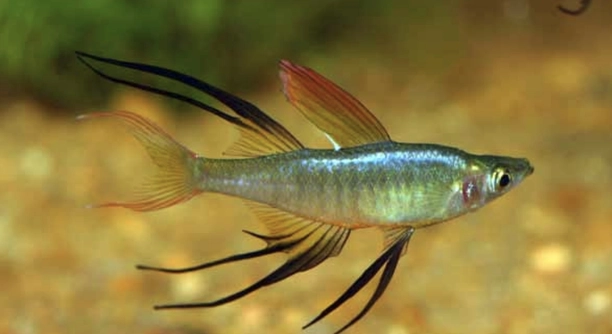
Do your observations of threadfins often leave you wondering about their behavior in the wild or in captivity? These sleek, silver fish move with purpose, yet sometimes pause in ways that catch your attention. Their actions may seem deliberate, hinting at something beyond mere survival instincts.
Threadfins exhibit behaviors that suggest a combination of reactive responses and exploratory tendencies. Observations indicate that they respond to environmental stimuli while occasionally investigating objects or movements, demonstrating a level of curiosity intertwined with instinctive reactions.
Understanding threadfin behavior requires careful observation and interpretation. This article will explore the subtle ways their actions reveal more than simple reactions.
Observing Threadfin Behavior in Captivity
Watching threadfins up close offers a unique perspective on their reactions and interactions. In an aquarium setting, they often respond to sudden movements or changes in lighting with quick, coordinated bursts. Yet, at times, they linger near new objects or alterations in their environment, suggesting a willingness to investigate. Their long, filament-like pectoral fins seem to play a role in sensing their surroundings, extending and brushing over surfaces. Feeding times provide another glimpse into their behavior; they appear alert and sometimes explore the area before engaging with the food. These subtle actions show that threadfins are not purely reactive. Instead, their behavior reflects a balance between instinct and selective exploration, giving them the ability to assess potential threats or opportunities. Observing these fish over days or weeks can reveal patterns that help distinguish between routine responses and true curiosity. Captivity allows careful study of these nuanced behaviors.
Behavior patterns in captivity indicate threadfins can distinguish between familiar and novel stimuli, showing selective attention rather than random movement.
Understanding how threadfins behave in controlled environments can inform better care practices. Consistent observation highlights their capacity for learning and adapting. They may investigate changes slowly, showing caution while still demonstrating interest. Even simple environmental enrichments, like floating objects or subtle rearrangements, elicit measurable reactions. Threadfins’ sensory adaptations, such as sensitive lateral lines and fin filaments, enhance their ability to detect movement, vibrations, and nearby objects. These features allow them to explore cautiously, minimizing risk while satisfying innate curiosity. Regular monitoring reveals individual differences, with some fish more investigative than others. Recognizing these patterns helps maintain optimal conditions in aquariums, improving their well-being. By noting which behaviors are exploratory versus purely reactive, caretakers can tailor environments to encourage natural activity and mental stimulation. Over time, these observations create a clearer understanding of how threadfins balance instinctual reactions with selective curiosity, a critical insight for both hobbyists and researchers aiming to support healthy fish behavior.
The Role of Environment in Threadfin Behavior
Environmental factors strongly influence threadfin actions, from tank layout to water flow and lighting conditions.
Providing varied structures and objects encourages natural exploration while maintaining safety. Subtle changes in surroundings can prompt investigation, allowing threadfins to exhibit both cautious and curious behaviors. Maintaining stable water parameters is equally important, as sudden shifts can trigger stress responses rather than exploration. Flow patterns in tanks affect movement, guiding when and where fish investigate, while lighting changes may simulate different times of day, prompting varied reactions. Observing their behavior under these controlled variations helps differentiate between instinctive responses and genuine investigative actions. Enrichment does not require elaborate designs; simple additions like floating items or low-lying structures stimulate interaction. Repeated exposure to these elements fosters recognition and gradual exploration, revealing the threadfins’ capacity for adaptation. Understanding how environmental modifications influence behavior ensures that fish remain active and engaged, highlighting the balance between survival instincts and curiosity-driven investigation. Carefully designed conditions allow their natural tendencies to emerge safely and consistently.
Sensory Adaptations and Curiosity
Threadfins rely heavily on their lateral lines and long pectoral filaments to sense surroundings. These adaptations allow them to detect subtle vibrations and movements in water. Their behavior often reflects how effectively they process these stimuli, combining instinct with investigative actions.
These sensory tools help threadfins determine whether to approach or avoid objects. The filaments sweep through water, providing tactile feedback while the lateral line monitors pressure changes. This combination allows them to explore cautiously, identifying potential food sources or obstacles. Observations show that fish often pause before touching new objects, indicating careful assessment rather than random movement. Sensory input guides each decision, balancing risk with the opportunity to learn about their environment.
The integration of multiple sensory systems allows threadfins to exhibit both reactive and curious behaviors simultaneously. Sudden changes, like a new item in the tank, trigger alert responses, while the same object can later be approached for exploration. Individual differences emerge, with some fish showing more investigative tendencies. These patterns suggest that threadfins are not purely instinct-driven but capable of adapting behavior based on sensory feedback. Recognizing these subtleties provides insight into their decision-making processes and helps improve care in both research and home settings.
Interaction with Other Fish
Threadfins respond to the presence of other fish, adjusting movement patterns and behavior accordingly. Schooling or nearby fish influence both cautious and exploratory actions, depending on environmental conditions.
Interactions among threadfins show coordination, with individuals often mirroring movements of nearby fish. Dominant or more active fish can trigger reactions in others, including increased alertness or curiosity. Observation reveals that some fish will investigate new objects together, while others maintain distance. Social dynamics shape how risk and curiosity are expressed, creating patterns of collective and individual behavior. These responses demonstrate that environmental and social contexts work together to influence behavior.
Social interactions are central to threadfin behavior, shaping both survival responses and investigatory actions. In groups, cautious fish may rely on more confident companions to assess unfamiliar areas or items, reducing individual risk. At the same time, exploratory individuals often stimulate activity in the group, prompting investigation of changes in the environment. The presence of conspecifics affects feeding behavior, with some fish leading approaches to food while others follow more hesitantly. Over time, these interactions establish social hierarchies and roles, influencing how curiosity manifests within a group. Recognizing the impact of social context helps interpret behavior accurately, revealing the interplay of instincts, learning, and environmental cues in threadfin communities.
Responses to Novel Objects
Threadfins often pause and observe when introduced to new items in their environment. This hesitation indicates careful assessment. They rely on sensory input to decide whether to approach or avoid, balancing caution with curiosity in a measured way.
Repeated exposure to the same object typically reduces hesitation. Fish begin to investigate more confidently, using their filaments and lateral lines to gather information. These responses suggest learning and adaptation, showing they are not purely reactive but capable of adjusting behavior over time.
Feeding Behavior
Feeding times reveal how threadfins balance instinct and exploration. They may examine new food items carefully before consuming, using both observation and tactile assessment. This behavior demonstrates selective curiosity, allowing them to differentiate between familiar and unfamiliar food sources. Their responses often combine rapid reaction with deliberate investigation.
Environmental Enrichment
Adding structures or objects encourages activity and exploration. Threadfins use available space to investigate, showing both curiosity and adaptive responses to changes.
FAQ
Do threadfins show curiosity like other fish?
Threadfins display behaviors that suggest curiosity, though it is often subtle. They investigate new objects or changes in their environment cautiously, using filaments and lateral lines to gather information. While they respond instinctively to sudden movements, repeated exposure to new items can trigger investigative behaviors. Observing these patterns helps distinguish genuine curiosity from reflexive reactions.
How can I tell if my threadfins are exploring or just reacting?
Exploratory behavior usually involves slow, deliberate movement toward an object or area, with frequent pauses to sense surroundings. Reactive behavior tends to be quick and abrupt, often triggered by sudden stimuli like light changes, water movement, or the presence of other fish. Monitoring individual differences is key.
Do all threadfins respond the same way to new stimuli?
No, individual differences are common. Some threadfins are naturally more cautious, while others are willing to investigate immediately. Social context can also influence behavior, as fish may follow or mirror the actions of more confident companions.
Does the environment affect their curiosity?
Yes, the layout and conditions of the tank or habitat strongly influence how threadfins behave. Adding structures, hiding spots, or objects encourages exploration, while unstable water parameters can trigger stress responses rather than curiosity. Flow patterns, lighting, and object placement all guide behavior.
How do social interactions influence threadfin behavior?
Threadfins adjust behavior based on nearby companions. Dominant or exploratory fish can lead others to investigate objects or areas, while cautious fish may follow at a safe distance. Group dynamics affect both feeding and exploratory patterns, highlighting the role of social cues in decision-making.
Can sensory adaptations explain their investigatory behavior?
Absolutely. Their lateral lines and long filaments detect water vibrations and nearby objects, helping them assess risks before approaching. This combination allows them to explore safely while still responding to potential threats. Sensory input informs each movement, blending instinct with curiosity.
How should I introduce new objects to encourage exploration?
Introduce items slowly and allow fish to observe from a distance first. Repeated exposure reduces hesitation and promotes confident investigation. Simple items like floating structures, low-lying decorations, or small non-threatening objects work well to stimulate natural behavior without causing stress.
Do threadfins investigate food items differently than objects?
Yes, food triggers both instinct and investigation. They often inspect unfamiliar food carefully before consuming, using observation and tactile assessment. Familiar foods are eaten quickly, while new items elicit cautious exploration. This shows they can differentiate between potential risks and safe options.
How long does it take for threadfins to adjust to new stimuli?
Adjustment varies by individual and context. Some fish investigate after minutes, while others take days to approach unfamiliar objects confidently. Consistent, calm environments with minimal sudden changes help threadfins gradually develop confidence and display more curious behaviors.
Can understanding threadfin curiosity improve their care?
Yes, recognizing investigative tendencies allows better habitat design and enrichment. Providing safe opportunities for exploration, monitoring social dynamics, and observing individual responses ensures mental stimulation and reduces stress. This approach supports overall health and promotes natural behaviors, helping threadfins thrive in captivity.
Do threadfins ever ignore new objects?
Sometimes. If an object seems irrelevant or poses no apparent opportunity for food or shelter, threadfins may avoid it entirely. Their selective attention helps conserve energy and reduce unnecessary risk, showing a balance between curiosity and survival instincts.
Is curiosity more pronounced in younger threadfins?
Younger fish often exhibit higher exploratory tendencies, as they learn about their environment and develop sensory skills. Older fish may be more cautious, relying on prior experience to guide behavior. Both age and experience influence how curiosity manifests in individuals.
How can I tell if environmental enrichment is effective?
Effective enrichment encourages investigation without causing stress. Fish will approach, touch, or circle objects, showing deliberate examination. If fish avoid items entirely or display stress behaviors, adjustments are needed. Observing responses over time helps fine-tune enrichment strategies to support natural behavior.
Do threadfins’ reactions differ between solitary and group settings?
Yes, social context changes behavior. In groups, fish may follow leaders or coordinate exploration, while solitary fish rely solely on personal assessment. Social influences can either encourage or suppress curiosity, making observation of group dynamics essential to understanding behavior.
Can threadfins become bored without stimulation?
Lack of new stimuli can reduce activity and engagement. Fish may spend extended periods in one area or show repetitive swimming patterns. Introducing varied objects, rearranging elements, or adding subtle changes can maintain interest and encourage natural exploratory behaviors.
Do threadfins learn from previous experiences?
Yes, repeated exposure allows them to distinguish between safe and risky objects. Learning influences how quickly and confidently they investigate. Observing patterns over days or weeks can reveal memory and adaptation, showing that behavior is not purely instinctive but shaped by experience.
Are there signs of stress that indicate curiosity is suppressed?
Signs include erratic swimming, hiding excessively, loss of appetite, or avoiding new objects. Stressful environments reduce exploration, and fish may react solely out of instinct. Maintaining stable conditions and gradual introductions encourages curiosity while minimizing stress responses.
How do water conditions influence investigatory behavior?
Stable water temperature, pH, and oxygen levels are essential. Sudden fluctuations can trigger defensive reactions rather than curiosity. Smooth, predictable conditions allow threadfins to focus on exploration and learning, highlighting the importance of consistent habitat management.
Is curiosity in threadfins comparable to other fish species?
It is more subtle but present. Threadfins exhibit selective investigation rather than constant exploration. Sensory adaptations, cautious movement, and social influences shape their behaviors, showing a balance between curiosity and survival instincts. Understanding these nuances helps interpret actions accurately.
How often should I introduce new stimuli to encourage exploration?
Moderate and spaced exposure works best. Frequent, small changes keep fish engaged without overwhelming them. Observing responses ensures that stimulation encourages curiosity rather than stress, supporting natural behavior while maintaining a healthy environment.
Can curiosity indicate health or well-being?
Active investigation, balanced with normal reactive behaviors, often reflects a healthy fish. Lethargy, avoidance, or excessive stress may indicate underlying issues. Monitoring curiosity alongside feeding, movement, and social interactions provides insights into overall well-being.
Are there specific objects that attract threadfins more than others?
Objects resembling food, shelter, or environmental features tend to draw attention. Floating items, small rocks, or structures near the substrate often trigger inspection. Threadfins use visual, tactile, and vibrational cues to evaluate items before approaching.
Does time of day affect exploratory behavior?
Yes, threadfins may be more active at certain times, often linked to feeding schedules or light conditions. Adjusting lighting or observing behavior at different intervals can reveal patterns in curiosity and reaction, helping optimize habitat management.
Can I train threadfins to interact with objects?
While not “trainable” in the traditional sense, consistent exposure and positive reinforcement encourage repeated interaction. Gradual introduction of items and rewarding calm exploration strengthens investigative tendencies over time. Patience and observation are key.
Do threadfins show curiosity in natural habitats?
Observations suggest they do. In the wild, they investigate new structures, currents, or prey items carefully. Caution is balanced with exploration, highlighting that curiosity is an adaptive trait that supports survival and learning.
How do age and experience affect investigative behavior?
Younger, less experienced fish show more frequent exploration, while older fish rely on memory and caution. Experience shapes risk assessment, with seasoned fish often evaluating objects more efficiently before deciding to investigate.
Can threadfins’ curiosity influence group behavior?
Yes, investigative individuals often lead group exploration, while others follow. This dynamic shapes feeding, movement, and interaction patterns, demonstrating that curiosity can have collective as well as individual impacts on behavior.
Is it possible to over-stimulate threadfins?
Yes, excessive or abrupt changes can cause stress, reducing both exploration and general activity. Gradual, measured enrichment ensures stimulation supports curiosity without triggering defensive or avoidant behaviors.
Do threadfins explore unfamiliar areas of their tank?
Yes, they often gradually investigate new zones. Initial hesitation is common, with movement guided by sensory assessment and occasional social cues from other fish. Exploration reflects both learning and environmental awareness.
How does feeding schedule affect curiosity?
Consistent schedules create predictability, reducing stress and encouraging deliberate investigation. Unpredictable feeding may increase reactive behaviors, with fish prioritizing survival instincts over exploration. Regular timing helps balance curiosity and daily routines.
Are threadfins’ investigative behaviors more pronounced in larger tanks?
Larger spaces provide more opportunities for exploration, allowing natural movement patterns to emerge. Smaller tanks may restrict behavior, leading to more reactive responses and less observable curiosity. Proper space encourages both individual and social investigation.
How do I distinguish cautious curiosity from fear?
Cautious curiosity involves measured pauses, sensory assessment, and gradual approach. Fearful responses are sudden, erratic, or involve hiding. Watching posture, swimming patterns, and interactions with objects or other fish helps identify the difference.
Can threadfins investigate objects without touching them?
Yes, they often circle, hover, or use filaments to sense items before direct contact. This behavior allows assessment of potential risks or opportunities without immediate exposure, highlighting their careful approach to new stimuli.
Does lighting intensity impact curiosity?
Bright or fluctuating lighting can trigger stress reactions, while consistent, moderate lighting encourages natural investigation. Adjusting light gradually allows threadfins to explore comfortably, reducing reactive behaviors linked to sudden environmental changes.
Do threadfins ever revisit previously explored objects?
Yes, repeated investigation indicates memory and learning. Fish may return to assess changes, check for food, or reinforce familiarity with the environment. This behavior suggests curiosity is linked to both experience and ongoing evaluation.
Are there seasonal differences in investigative behavior?
Seasonal variations in temperature, daylight, or natural feeding cycles can influence activity levels. Fish may explore more during optimal conditions, with decreased investigation during less favorable periods. Recognizing these patterns helps interpret behavior accurately.
Can threadfins’ curiosity be stimulated through interaction?
Yes, gentle movements or placement of objects can elicit cautious investigation. Threadfins respond best to calm, predictable stimuli, which encourage observation and interaction without triggering stress responses.
Do sensory limitations affect their behavior?
If lateral lines or filaments are damaged, exploratory behavior may decrease. Fish rely on these senses to assess surroundings, so impairments can increase cautious or purely reactive responses, limiting natural curiosity.
How does water flow influence investigatory patterns?
Current and flow guide movement and approach. Fish may investigate more along areas with gentle currents, using sensory input to assess both environmental changes and potential obstacles. Strong flows can reduce exploration.
Are there signs of healthy curiosity in threadfins?
Balanced investigation, measured exploration, interaction with objects, and consistent feeding behavior indicate healthy curiosity. Overly cautious, stressed, or lethargic responses suggest environmental or health concerns affecting behavior.
Does tank decor affect how often threadfins explore?
Yes, varied structures, hiding spots, and objects increase exploration opportunities. Simplistic or bare environments may limit activity, while strategically placed items encourage natural investigative behaviors.
Can threadfins’ curiosity be compared to mammals or birds?
It is less overt but functionally similar. They assess risk, learn from experience, and explore selectively. While not as expressive, threadfins demonstrate adaptive curiosity relevant to survival and environmental interaction.
Is it possible for threadfins to become habituated to objects?
Yes, repeated exposure without change can reduce interest. Introducing new variations or relocating items renews engagement and maintains investigative behavior without overwhelming the fish.
Do threadfins respond to humans with curiosity?
Some individuals observe humans attentively, especially near feeding times. They may hover or approach without touching, showing a cautious interest rather than instinctive flight. Responses vary by personality and previous experience.
Can observation of curiosity help in research or aquaculture?
Absolutely. Understanding investigatory behaviors informs habitat design, enrichment strategies, and welfare practices. Monitoring curiosity alongside social and feeding patterns provides insights into cognition, adaptation, and overall health.
Do threadfins ever exhibit play-like behavior?
Occasionally, exploratory movement appears playful, especially with floating or movable objects. While not play in a strict sense, these behaviors indicate active engagement with the environment beyond pure survival responses.
Can threadfins’ curiosity affect breeding behavior?
Investigative tendencies can influence mate selection and interaction with nesting areas. Curiosity may lead to the discovery of suitable sites or recognition of partners, indirectly supporting reproductive success.
How do I balance curiosity stimulation with stress prevention?
Introduce objects gradually, maintain stable water conditions, monitor social interactions, and adjust lighting and flow. Gradual, measured enrichment encourages exploration while minimizing defensive or reactive behaviors.
Is curiosity in threadfins consistent throughout life?
Patterns change with age, experience, and environmental conditions. Young fish may be more exploratory, while older individuals rely on prior knowledge, showing selective investigation rather than constant curiosity.
Do threadfins react differently to moving versus stationary objects?
Moving objects often trigger both alertness and cautious investigation, while stationary items may be approached more gradually. Sensory input guides their assessment, allowing safe exploration of potential opportunities or threats.
Can curiosity help threadfins adapt to new tanks or habitats?
Yes, gradual investigation allows them to learn layout, locate resources, and establish routines. Curiosity supports adaptation, ensuring safe navigation and engagement with the environment while minimizing risk.
Are there health indicators linked to investigative behavior?
Active exploration, consistent reactions to stimuli, and interaction with objects often signal well-being. Reduced curiosity, lethargy, or avoidance may indicate stress, illness, or unsuitable environmental conditions, highlighting the importance of observation for care.
Do threadfins’ exploratory behaviors vary by species or subspecies?
Yes, subtle differences exist. Some species exhibit more pronounced investigative tendencies, while others rely more heavily on instinctive responses. Understanding species-specific behavior helps tailor care and environmental enrichment strategies.
Can I encourage curiosity without disrupting social hierarchies?
Yes, spacing objects and observing responses minimizes conflict. Providing multiple points of interest allows both dominant and subordinate fish to explore safely, balancing stimulation with social stability.
Does curiosity increase with environmental complexity?
Generally, yes. Diverse structures, hiding places, and subtle changes encourage investigation. Complexity provides opportunities for assessment and learning, allowing fish to express natural behaviors safely and confidently.
Can threadfins’ curiosity be measured scientifically?
Behavioral observation, reaction time, exploration frequency, and interaction with objects serve as measurable indicators. Controlled experiments track responses over time, revealing patterns of investigative behavior and adaptation.
How important is curiosity for overall well-being?
Curiosity supports mental stimulation, natural movement, and adaptation to environmental changes. Encouraging safe exploration improves health, reduces stress, and fosters more natural behavior patterns in both captive and research settings.
Do threadfins ever show repeated investigatory sequences?
Yes, repeated interactions with objects or areas suggest learning and memory. Patterns emerge as fish assess changes or reinforce familiarity, demonstrating cognitive processing beyond instinctive responses.
Can environmental changes hinder curiosity?
Sudden or drastic changes can suppress exploration, causing stress or defensive behavior. Gradual modifications promote safe engagement and allow investigative tendencies to emerge without negative impact.
Do threadfins interact differently with novel items during feeding versus resting?
During feeding, investigation is more goal-oriented, often involving tactile assessment. During resting or low activity, curiosity may manifest as cautious inspection without direct interaction, reflecting context-dependent behavior.
Are there signs that curiosity is excessive or maladaptive?
Persistent, reckless investigation leading to injury or stress indicates maladaptive behavior. Balanced exploration with caution reflects healthy curiosity, while repeated risky actions may require environmental adjustments.
Can curiosity be influenced by prior experiences with other objects or fish?
Yes, experience shapes risk assessment. Familiarity with safe objects or confident companions encourages exploration, while negative experiences increase caution, highlighting learning and adaptation.
Do threadfins explore more in the presence of humans feeding them?
Often, yes. Food motivates investigation, with cautious observation before approaching. Responses vary by personality and prior exposure, showing a mix of instinct and selective curiosity.
Are exploratory behaviors linked to survival instincts?
Yes, curiosity complements survival by allowing assessment of potential threats, food sources, and environmental changes. Selective investigation helps balance risk and reward effectively.
Can threadfins’ curiosity be overstimulated by frequent handling?
Excessive handling causes stress, reducing investigative behavior and increasing reactive responses. Minimal, careful interaction encourages natural curiosity without negative effects.
Does curiosity in captivity differ from the wild?
Patterns are similar but may be moderated by space, social composition, and environmental enrichment. Captive conditions can either enhance or restrict natural investigative behaviors depending on habitat design.
How long should I observe to accurately assess curiosity?
Consistent observation over days or weeks captures individual differences and behavioral patterns. Short-term observation may misrepresent reactive versus investigative tendencies, while extended monitoring provides clearer insight.
Can curiosity indicate intelligence or problem-solving ability?
Subtle investigative behavior reflects learning, memory, and adaptive responses. While not comparable to mammals, it shows cognitive engagement relevant to survival and environmental interaction.
Are there risks in encouraging too much curiosity?
Yes, unsafe objects or abrupt changes can provoke stress or injury. Carefully chosen enrichment ensures exploration is safe and supports natural behavior without compromising well-being.
Does feeding frequency affect exploratory behavior?
Regular, predictable feeding encourages deliberate investigation. Inconsistent schedules may increase reactive behaviors, reducing the appearance of curiosity. Consistency promotes safe, balanced exploration.
Can threadfins adapt curiosity to new environments quickly?
Adaptation speed varies by individual, age, and experience. Gradual introduction of objects and stable conditions support efficient adjustment and safe exploratory behavior.
Do threadfins ever test or manipulate objects deliberately?
Yes, filaments and fins are used to probe, push, or brush objects. These actions suggest purposeful assessment rather than random contact, highlighting careful investigation.
Are there visual cues that trigger curiosity?
Movement, contrast, and reflections often attract attention. Threadfins use sight in combination with tactile and vibrational senses to evaluate objects before approaching.
Do threadfins investigate differently in bright versus dim lighting?
Dim lighting encourages cautious movement and slower investigation, while bright, stable lighting promotes confident exploration. Gradual transitions prevent stress and support natural behavior.
Can curiosity be encouraged through water movement or currents?
Gentle currents guide exploratory movement without causing stress. Fish use flow to assess objects or zones, integrating sensory feedback into cautious investigation.
Do threadfins ever “test” objects multiple times before interacting?
Yes, repeated circling, touching with filaments, and hovering indicate careful evaluation. This pattern reduces risk while gathering information, blending instinct with selective curiosity.
Can observing curiosity help identify individual personalities?
Yes, consistent differences in exploration, caution, and social influence reveal individual traits. Some fish are naturally bold and investigative, others more reserved, informing care
Final Thoughts
Threadfins are fascinating fish because their behavior combines both instinct and selective exploration. Observing them closely reveals that they do more than simply react to changes in their environment. Their long pectoral filaments and sensitive lateral lines allow them to sense water movements, vibrations, and objects in their surroundings. These adaptations give them the ability to investigate cautiously before taking action. Over time, it becomes clear that some behaviors are guided by curiosity, while others are purely reflexive responses to potential threats. This balance between instinct and exploration is a central feature of their behavior, making them interesting to study in both natural and captive environments. Understanding these nuances helps anyone who keeps threadfins or studies them to better interpret their actions and provide a suitable habitat that supports both safety and mental stimulation.
Environmental conditions play a significant role in shaping threadfin behavior. In a stable and enriched setting, they are more likely to show deliberate investigative behaviors. Adding objects, structures, or subtle changes encourages them to explore, providing opportunities to engage their senses and learn about their surroundings. Conversely, sudden changes in lighting, water flow, or water quality can trigger stress responses, leading to purely reactive behavior. Social interactions also influence their curiosity. Threadfins often observe and mirror the actions of companions, adjusting their own responses based on the confidence or caution of the group. Both the physical and social environment work together to shape how they balance curiosity with instinct, highlighting the importance of observing them carefully to understand the full context of their behavior.
Observing threadfins over time allows us to see patterns that reflect individual differences, learning, and adaptation. Some fish are naturally more cautious, approaching new objects slowly and carefully, while others investigate more boldly. Repeated exposure often reduces hesitation, showing that these fish can remember and learn from past experiences. Feeding times provide additional insights, as fish may examine unfamiliar food before consuming it, combining instinctual behavior with investigative tendencies. Understanding these patterns is useful not only for maintaining healthy aquariums but also for research purposes, offering clues about cognition and environmental adaptation. Recognizing the subtle signs of curiosity and balancing enrichment with safety ensures that threadfins remain active, mentally stimulated, and well-adjusted, whether in captivity or natural habitats. These observations highlight the intricate ways that instinct, learning, and environment intersect in shaping threadfin behavior, revealing a complex and adaptive species.

Hello,
If you enjoy the content that we create, please consider saying a "Thank You!" by leaving a tip.
Every little bit helps us continue crafting quality advice that supports the health, happiness, and well-being of pets around the world, for pets of all shapes, sizes, and species.
We really appreciate the kindness and support that you show us!