
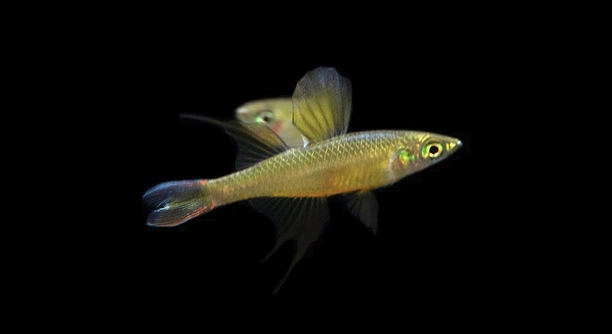
Do your threadfins seem unusually quiet when left alone for hours at a time? Observing their habits can reveal subtle behaviors and adjustments that occur when they experience extended periods without interaction or stimulation.
When threadfins are left alone too long, they may display signs of stress, reduced feeding, and altered swimming patterns. Prolonged isolation can impact their overall health, growth, and social behaviors, affecting both their physical and psychological well-being.
Understanding these changes can help you provide better care and create a healthier environment for your threadfins, ensuring they remain active and thriving.
Signs Threadfins Exhibit When Left Alone
Threadfins often become noticeably less active when they are alone for long periods. Their swimming patterns slow, and they may cling near the tank edges or hide behind decorations. Feeding habits can change, with some refusing food or eating less than usual. Their scales might appear dull, and fins could be less spread than normal. In social tanks, threadfins may normally interact or mirror each other’s movements, so lack of movement can signal isolation stress. Some may even pace or circle repeatedly, showing agitation. Over time, these behaviors can indicate that the fish are not coping well with their environment. Observing their daily habits closely can help identify early signs of stress, allowing you to intervene and restore balance. Adjustments like environmental enrichment, additional companions, or varying feeding routines can help mitigate these effects and keep threadfins healthier. Regular monitoring ensures their well-being remains a priority.
Threadfins left alone may develop slower responses to stimuli and reduced activity, signaling mild stress and boredom.
Maintaining a balanced environment is key. Small decorations, live plants, and hiding spots can help threadfins feel more secure. Adjusting water flow or introducing gentle currents stimulates natural swimming behaviors. Feeding routines can be varied with small portions multiple times a day to encourage activity. Observing interactions, even with a single fish, allows owners to notice subtle changes in mood or appetite. Ensuring proper lighting and avoiding sudden disturbances reduces stress. Tank mates that are compatible can help reduce loneliness and maintain normal social behaviors. Regular water changes and stable conditions support their health and vitality. By providing stimulation and monitoring behavior, threadfins are more likely to thrive, even when occasionally left alone. A structured environment fosters both physical and mental well-being.
Strategies to Keep Threadfins Engaged
Small daily adjustments can help prevent stress in threadfins.
Introducing environmental enrichment, such as floating plants or varied substrates, helps maintain natural behaviors. Observing how they interact with these additions provides insight into their needs and preferences.
Changing feeding techniques also keeps them active. Scattering food or using feeding rings encourages exploration and movement. Rotating decorations or adding temporary hiding spots adds novelty. Gentle water currents simulate natural conditions, prompting natural swimming patterns. If appropriate, compatible tank mates offer social interaction without aggression. Monitoring their responses ensures adjustments are beneficial rather than stressful. Keeping a consistent schedule for feeding, lighting, and cleaning helps threadfins develop a sense of routine. Even minimal interaction, like observing or placing objects near the tank, can stimulate curiosity. Over time, these practices reduce the negative effects of being alone, improving both physical activity and mental alertness. Maintaining a thoughtful environment supports healthier, more resilient threadfins.
How Isolation Affects Their Health
Extended isolation can weaken threadfins’ immune systems. Reduced activity and stress make them more vulnerable to infections. Their growth may slow, and overall vitality can decline. Regular monitoring and proactive care are essential to prevent long-term health issues caused by prolonged solitude.
Stress from being left alone triggers hormonal changes in threadfins, affecting their appetite and metabolism. They may eat less or irregularly, which can reduce nutrient intake and stunt growth. Lack of movement also diminishes muscle tone and endurance, making them less agile. Over time, these combined effects can lead to more frequent illnesses. Maintaining consistent care, including proper feeding and water quality, helps counteract these negative consequences and supports healthier development.
Behavioral changes linked to isolation also indicate potential health risks. Lethargy, reduced social interaction, and repetitive swimming patterns often precede more serious problems. Creating a stimulating environment with companions or enrichment helps maintain normal activity levels. Regular observation allows early detection of issues, giving time to intervene with diet adjustments, environmental changes, or medical attention. Supporting both physical and psychological health ensures threadfins remain resilient and active, even during periods when they must be alone.
Preventing Stress in Threadfins
Providing structured environmental enrichment is crucial. Plants, hiding spots, and mild currents encourage natural movement and reduce boredom. Consistent routines also help maintain comfort and well-being.
Rotating tank features or introducing small changes in décor keeps threadfins engaged and curious. Varied feeding methods, such as scattering food or using feeding rings, stimulate exploration. Tank companions, chosen carefully for compatibility, can offer social interaction without causing conflict. Regular water maintenance and stable conditions reduce stress, while gentle observation ensures adjustments are effective. Even minor interventions, like temporary hiding spaces or floating objects, can make a noticeable difference. Consistent monitoring allows early detection of stress, preventing long-term negative effects and supporting both physical and mental health.
Recognizing Early Warning Signs
Sudden changes in swimming, appetite, or social interaction often indicate stress. Monitoring these behaviors helps identify problems before they escalate. Early detection allows timely adjustments to their environment or care routine.
Color fading and fin clamping are also signs of discomfort. Observing these subtle cues daily supports healthier, more resilient threadfins.
Adjusting Feeding Habits
Varying feeding routines keeps threadfins active and prevents boredom. Small, frequent meals encourage natural foraging behavior. Rotating food types, such as live, frozen, or prepared options, ensures a balanced diet. Feeding in different tank locations promotes exploration and engagement. This approach supports both physical growth and mental stimulation. Regular observation during feeding times allows you to notice changes in appetite or activity levels. Adjustments based on these observations help prevent stress-related issues. Over time, consistent but varied feeding reinforces healthy habits, maintains energy levels, and reduces the negative effects of isolation, ensuring threadfins remain active and alert.
Environmental Adjustments
Adding decorations or plants can reduce stress. Simple changes create stimulation and comfort for threadfins.
FAQ
How long can threadfins be left alone without issues?
Threadfins can tolerate short periods alone, typically a few hours, without major problems. However, extended isolation can lead to stress, reduced activity, and appetite changes. Daily observation helps determine how long your fish comfortably cope with alone time. Minimizing long periods without interaction or environmental stimulation is recommended to maintain their health and natural behaviors.
What are the most common signs of stress in threadfins?
Signs include slowed swimming, hiding, clamped fins, and dull coloration. Reduced feeding and repetitive movements are also common indicators. Stress can escalate if ignored, affecting both physical and mental well-being. Monitoring these behaviors consistently allows for early intervention.
Can environmental enrichment prevent stress?
Yes. Adding live plants, decorations, hiding spots, and gentle currents encourages natural movement and exploration. Even minor adjustments, like floating objects or temporary decor changes, can stimulate curiosity. Regularly rotating or changing features keeps the tank environment engaging.
Are tank mates necessary for threadfins?
Not always, but compatible companions can reduce loneliness and encourage normal social behaviors. Introducing tank mates should be done cautiously to avoid aggression. Observing interactions is essential to ensure harmony within the tank.
How does feeding affect their behavior when alone?
Varying feeding methods, such as scattering food or using feeding rings, encourages activity and natural foraging. Small, frequent meals maintain energy and reduce stress. Monitoring responses to feeding can indicate whether a fish is coping well with isolation.
What health risks arise from prolonged solitude?
Extended isolation can weaken the immune system, reduce appetite, and slow growth. Behavioral changes, like lethargy or repetitive swimming, often precede more serious issues. Maintaining a structured and stimulating environment helps mitigate these risks.
How can I safely monitor my threadfins’ well-being?
Observe daily for changes in swimming patterns, appetite, and coloration. Note unusual hiding, pacing, or aggression. Regular water testing and maintenance support a stable environment, reducing stress and ensuring physical health.
Is adjusting tank conditions important when leaving them alone?
Yes. Stable temperature, proper lighting, and consistent water quality reduce stress. Gentle currents and enrichment can simulate natural conditions, keeping them active even in your absence.
What small changes make the biggest impact on isolated threadfins?
Simple adjustments like adding a few plants, rotating decorations, or changing feeding locations can significantly improve engagement. Even minor stimulation reduces boredom and supports mental health.
Can threadfins recover quickly from isolation stress?
Recovery is possible with proper care, environmental enrichment, and consistent feeding. Gradual reintroduction to companions or new stimuli helps them regain normal activity and appetite. Early detection and intervention improve recovery speed and overall resilience.
How do I know if enrichment is enough?
If threadfins swim actively, feed consistently, and display normal coloration and fin movement, enrichment is likely sufficient. Observing their behavior regularly ensures adjustments remain effective and prevents stress from returning.
Are there signs that indicate immediate intervention is needed?
Rapid color loss, refusal to eat for multiple days, or erratic swimming require immediate attention. These signs often indicate serious stress or illness and should prompt environmental adjustments or veterinary consultation.
Does lighting affect their stress levels?
Yes. Consistent light cycles mimic natural conditions and regulate activity. Sudden changes or prolonged darkness can increase stress. Maintaining a regular lighting schedule supports healthy behavior and circadian rhythm.
Can enrichment replace social interaction entirely?
Enrichment helps but may not fully replace the benefits of companionship. Threadfins are naturally social, and occasional interaction with compatible tank mates promotes balanced behavior and mental well-being.
How often should I rotate decorations or enrichment features?
Small changes every few weeks maintain curiosity without overwhelming them. Overly frequent adjustments can cause stress, while infrequent changes may lead to boredom. Observing reactions helps determine the optimal schedule.
What role does water quality play in stress management?
Stable and clean water reduces physiological stress. Regular testing, partial water changes, and maintaining proper filtration support overall health. Poor water quality can amplify the negative effects of isolation and reduce resilience.
How can I tell if my threadfins are lonely versus just resting?
Active hiding, reduced movement, and lack of response to stimuli suggest stress or loneliness. Resting is usually brief, with periods of normal swimming and feeding. Consistent observation helps differentiate between normal rest and signs of isolation stress.
Is it better to have multiple small tanks or one larger tank for threadfins?
A single, well-structured tank is often better. Larger spaces allow natural movement, social interaction, and varied enrichment, reducing stress. Multiple small tanks may limit activity and make environmental adjustments more difficult.
Do threadfins show recovery from short-term stress immediately?
Some recovery is visible quickly, such as resumed swimming and normal feeding. Full recovery of growth, coloration, and social behavior may take longer, depending on duration of isolation and quality of care.
Can observation alone prevent stress problems?
Observation is critical but must be paired with environmental management, consistent feeding, and enrichment. Detecting early signs of stress allows timely intervention, preventing more serious health or behavioral issues.
Final Thoughts
Threadfins are sensitive creatures that respond quickly to changes in their environment. Leaving them alone for extended periods can affect both their physical and mental health. Even small signs, such as reduced movement, hiding, or dull coloration, indicate that they may be experiencing stress. Observing their daily behavior is essential to catch these changes early. Consistent attention helps prevent minor issues from becoming more serious problems. Threadfins rely on their environment for stimulation and security, so creating a balanced habitat is crucial. Decorations, hiding spots, plants, and gentle water currents can make a noticeable difference. Even simple changes in the tank layout or feeding routine can provide enough engagement to keep them active and alert. Monitoring water quality, maintaining temperature, and providing a stable routine are equally important to their overall well-being. Small adjustments, when done carefully, can prevent isolation-related stress and support healthier, more resilient fish.
Providing proper care requires understanding their natural behaviors and needs. Threadfins are social and thrive when they can interact with either companions or a stimulating environment. Environmental enrichment is not just for entertainment; it encourages normal swimming, exploration, and feeding habits. Scattering food, rotating decorations, and adding temporary hiding spots are practical ways to maintain engagement. These small but consistent practices reduce boredom and help maintain their physical strength and mental alertness. Additionally, watching their responses to these adjustments can reveal more about their preferences and comfort levels. For example, some may prefer shaded areas, while others explore open spaces more readily. By tailoring the environment to suit their behavior, owners can improve both activity and overall health. Understanding how stress manifests, from appetite changes to repetitive swimming patterns, allows for timely intervention before problems escalate. This careful attention ensures that threadfins remain vibrant and active even when they are alone for short periods.
Maintaining threadfins’ health involves a combination of observation, environmental management, and routine care. Regular water changes, proper feeding schedules, and stable lighting contribute to reducing stress and encouraging normal behavior. Compatible tank mates, when appropriate, provide social interaction that enrichment alone may not fully replace. Behavioral monitoring, such as noting swimming speed, feeding response, and coloration, can indicate whether the environment is meeting their needs. Recovery from stress is possible with prompt action, but prevention is always more effective. By providing a stable and stimulating habitat, threadfins are more likely to thrive, maintaining their vitality and natural behaviors. Attention to these details ensures a healthier, more balanced life for the fish, reducing the risks associated with prolonged isolation and creating an environment where they can remain active, engaged, and strong.

Hello,
If you enjoy the content that we create, please consider saying a "Thank You!" by leaving a tip.
Every little bit helps us continue crafting quality advice that supports the health, happiness, and well-being of pets around the world, for pets of all shapes, sizes, and species.
We really appreciate the kindness and support that you show us!