
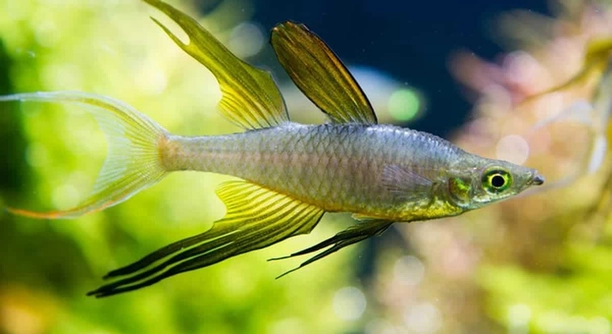
Do you ever notice your threadfins acting differently after a fresh water change? Many aquarists observe subtle shifts in behavior, movement, and feeding patterns following a significant adjustment to their tank’s water conditions.
Threadfins often respond to strong water changes with increased activity and alertness. These fish may explore more, swim closer to the surface, and adjust feeding habits temporarily as they acclimate to the new chemical balance and temperature stability in their environment.
Observing these changes closely can help you understand your threadfins’ needs and maintain a healthier aquarium routine.
How Threadfins Adjust to New Water Conditions
After a strong water change, threadfins often become noticeably more active. Their movements may seem sharper and quicker as they explore the tank. Some may swim near the surface, checking the new water chemistry. Changes in water parameters, such as pH, temperature, and mineral content, can affect their behavior temporarily. It is common to see threadfins adjusting their feeding patterns, sometimes eating more aggressively or hesitating for a short period. Stress from sudden water changes can also make them hide or cling to familiar spots. Observing these behaviors is important to ensure they are healthy and adapting well. Gradual acclimation before a complete water change can reduce these behavioral spikes and create a smoother transition for your fish. Proper monitoring of water parameters helps maintain stability and reduces stress on your threadfins.
Threadfins may show increased swimming bursts or hover near familiar areas for a few hours after the change.
Understanding these reactions allows you to respond appropriately, whether it’s adjusting feeding schedules or checking water quality. Maintaining consistent routines during this period can help your threadfins settle faster, ensuring a stable and healthy tank environment for longer periods.
Feeding Behavior After Water Changes
Threadfins may eat less immediately after a strong water change.
Once they adjust, feeding becomes more regular. Their appetite stabilizes, and they resume normal eating patterns, which is essential for growth and overall health. Monitoring their intake helps ensure no fish is underfed or stressed.
Some threadfins take longer to acclimate than others. During the first few hours, they may appear hesitant at food, preferring to explore the new environment. Once comfortable, they return to usual feeding spots and behaviors. Offering smaller, frequent meals can encourage eating without overwhelming them. Additionally, observing how they interact with other fish during feeding can indicate their comfort level and adaptation to the new water conditions. Maintaining clean feeding areas reduces stress and prevents competition. Over time, consistent water changes and monitoring of feeding habits strengthen their health and make their responses to future water changes more predictable.
Signs of Stress After a Water Change
Threadfins may show stress through rapid gill movement, hiding, or unusual swimming patterns. These reactions are temporary and usually subside as they acclimate to the new water. Observing these signs helps ensure quick responses to maintain their health.
Stress often appears when water changes are too abrupt or the new water has slightly different parameters. Threadfins may cling to decorations, hover near the bottom, or avoid feeding initially. Their colors may fade, and some may dart suddenly if startled. This is a natural response to sudden environmental shifts. Monitoring water temperature, pH, and other factors can reduce these behaviors and help them adjust faster.
Recovery depends on consistent water conditions and minimizing disturbances in the tank. Providing hiding spots and maintaining routine feeding schedules allows threadfins to regain confidence. Over a day or two, most fish resume normal swimming, feeding, and social behaviors. Close observation during this period ensures any lingering stress or health issues are addressed promptly.
Long-Term Behavior Changes
Threadfins may become more cautious after repeated strong water changes. They may swim in tighter groups or avoid certain areas initially. Gradual exposure helps reduce long-term anxiety and promotes normal activity.
Repeated exposure to significant water changes can subtly alter behavior. Some threadfins may avoid the top layers of the tank, linger near decorations, or become slightly less active. Others may resume normal swimming but remain alert for longer periods after each change. Consistent routines and predictable feeding times can help mitigate these effects. Over weeks, their behavior typically stabilizes if water parameters remain consistent and stressors are minimized.
Encouraging natural behaviors through enrichment, such as gentle currents or hiding spaces, supports recovery. Careful attention to water chemistry and gradual adjustments helps threadfins remain healthy, confident, and active. Observing interactions among tank mates also provides insight into how individual fish adapt over time. Maintaining stability in the environment is key to ensuring these long-term changes do not negatively impact growth or social behavior.
Monitoring Water Quality
Checking water parameters after a strong water change is essential. pH, ammonia, nitrite, and nitrate levels should be within safe ranges. Regular testing prevents stress and keeps threadfins healthy.
Observing temperature consistency is equally important. Sudden shifts can cause behavioral changes or even illness. Maintaining stable conditions supports overall well-being.
Adjusting Tank Environment
Adding plants, hiding spots, or gentle currents can help threadfins feel secure after a water change. A stable environment reduces stress and encourages normal activity. Maintaining familiar elements provides comfort while they adapt to new water conditions.
Observing Social Interactions
Threadfins may show changes in social behavior temporarily. Watch for signs of aggression or avoidance. Early observation helps address any issues before they escalate, keeping the tank peaceful and balanced.
FAQ
Why do threadfins act restless after a water change?
Threadfins often become more active after a strong water change because they are sensing the new water parameters. Changes in temperature, pH, and mineral content can make them explore their environment more and adjust their swimming patterns. This restlessness is usually temporary and fades once they acclimate.
How long does it take for threadfins to adjust after a water change?
Adjustment time varies depending on the size of the water change and the sensitivity of your fish. Small changes may only cause a few hours of altered behavior, while large or sudden changes can take a day or two. Gradual water changes reduce stress and shorten adjustment periods.
Should I feed my threadfins immediately after a water change?
It is normal for threadfins to hesitate at food after a water change. Offering smaller, more frequent meals helps them regain their appetite. Avoid overfeeding, as leftover food can impact water quality, which may prolong stress and delay adaptation.
Can threadfins get sick from a strong water change?
Yes, sudden changes in water chemistry can stress threadfins, making them more susceptible to illness. Monitoring ammonia, nitrite, nitrate levels, and temperature helps reduce health risks. Providing hiding spots and a calm environment supports their immune system during adjustment.
Why do some threadfins hide after a water change?
Hiding is a natural stress response. Threadfins may cling to decorations or the bottom of the tank while acclimating. Over time, as they feel safer and water conditions stabilize, they resume normal swimming and social interactions.
How can I reduce stress during water changes?
Performing gradual water changes, keeping temperature stable, and avoiding sudden chemical shifts can reduce stress. Maintaining consistent feeding routines and minimizing disturbances during this period also helps threadfins adjust more comfortably.
Do threadfins change color after a water change?
Fading or dull colors can occur temporarily as a response to stress. Once the water parameters stabilize and the fish feel secure, their natural coloration usually returns. Observing their behavior alongside color changes helps identify if the issue is temporary or requires intervention.
How often should I do strong water changes for threadfins?
Strong water changes are usually not needed frequently. Weekly or biweekly partial changes are often sufficient. Overdoing strong changes can cause repeated stress and disrupt the stability of your tank. Regular testing ensures water quality is maintained without unnecessary disruption.
Can tank mates affect threadfins’ reaction to water changes?
Yes, other fish in the tank can influence stress levels. Aggressive or dominant fish may cause threadfins to hide or act more cautiously. Ensuring a balanced community and adequate space reduces stress and allows all fish to adapt more smoothly.
What signs indicate a threadfin is not coping well?
Signs include continuous hiding, loss of appetite, labored swimming, or faded coloration beyond the first day or two. Persistent stress may indicate issues with water quality, temperature, or illness. Immediate attention to water parameters and observation can prevent more serious problems.
Is there a way to make future water changes easier for threadfins?
Yes, using gradual water changes, maintaining a stable environment, and monitoring water quality consistently reduces stress. Providing familiar hiding spots and observing behavior during changes helps you anticipate their reactions and adjust methods for smoother transitions.
Should I use water conditioners during changes?
Water conditioners can help neutralize chlorine, chloramines, and heavy metals, reducing stress on threadfins. Using them during water changes ensures safer conditions and protects fish from harmful substances present in tap water.
Do all threadfins react the same way to water changes?
No, individual behavior varies. Some may become hyperactive, while others hide or eat less. Observing each fish allows you to tailor care and ensure all members of the tank adjust comfortably.
Can I help them return to normal behavior faster?
Yes, maintaining consistent feeding schedules, providing hiding spaces, and keeping water parameters stable all help threadfins regain their usual activity levels quickly. Avoiding sudden disturbances or strong currents also supports faster adaptation.
Why is monitoring so important after a water change?
Monitoring ensures water quality remains safe and stress levels are minimized. Observing behavior, feeding, and interactions helps detect early signs of discomfort or illness, allowing timely intervention and maintaining a healthy environment for all fish.
Final Thoughts
Managing a tank with threadfins requires patience and careful observation. After a strong water change, it is normal to see temporary shifts in behavior, such as increased activity, hiding, or changes in feeding patterns. These reactions are natural responses to environmental adjustments, and most threadfins regain their usual behavior once they acclimate. Maintaining stable water parameters, including temperature, pH, and chemical levels, helps minimize stress and supports their overall health. Gradual water changes rather than abrupt, large changes are usually less disruptive. Observing your fish closely during this period allows you to respond quickly if any issues arise, ensuring they remain comfortable and safe in their habitat.
Feeding routines also play a key role in helping threadfins adapt. Immediately after a water change, some fish may eat less or become hesitant around food. Offering smaller, frequent meals can encourage them to resume eating without overwhelming the tank environment. Overfeeding at this stage can lead to leftover food, which can negatively affect water quality and prolong stress. Monitoring individual fish helps identify those that may be slower to adjust, allowing you to give extra attention where needed. Providing hiding spots and decorations can also create a sense of security, reducing anxiety and giving them spaces to feel safe while they acclimate. Over time, these small adjustments and consistent routines contribute to healthier, more confident fish that adapt better to future water changes.
Long-term care and observation are important for maintaining a thriving tank. Threadfins may develop subtle changes in social behavior, swimming patterns, or activity levels after repeated water changes, but consistent monitoring and stable conditions help them return to normal more quickly. Maintaining proper tank hygiene, checking water parameters regularly, and providing a balanced feeding schedule all contribute to a healthier environment. Encouraging natural behaviors through gentle currents, hiding spots, and adequate space supports both mental and physical well-being. By paying attention to these details and remaining consistent with tank management, you can ensure your threadfins stay active, healthy, and comfortable. Understanding their responses to environmental changes allows you to anticipate stress and take preventive measures, creating a more stable and harmonious aquatic habitat.

Hello,
If you enjoy the content that we create, please consider saying a "Thank You!" by leaving a tip.
Every little bit helps us continue crafting quality advice that supports the health, happiness, and well-being of pets around the world, for pets of all shapes, sizes, and species.
We really appreciate the kindness and support that you show us!