
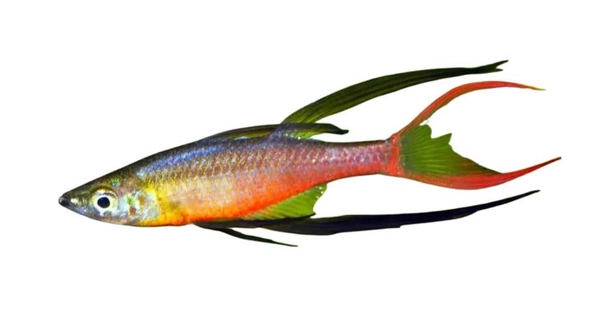
Are your threadfins acting restless or hiding more than usual around the tank? Many fish owners do not realize that common filter noises can disturb their aquatic pets and affect their daily behavior.
Threadfins are highly sensitive to certain mechanical and water flow sounds produced by aquarium filters. Continuous exposure to loud or irregular noises can induce stress, reduce feeding, and disrupt natural swimming patterns, ultimately impacting their overall health and wellbeing.
Understanding these filter noises will help you create a calmer environment for your threadfins and maintain a healthier, happier aquarium.
High-Pitched Motor Sounds
High-pitched sounds coming from aquarium filters are more noticeable to threadfins than to humans. These noises often occur when the motor is working harder than usual or when components are slightly misaligned. Even small vibrations can produce a high-frequency hum that travels through the water. Threadfins rely heavily on their lateral line system to sense vibrations, so persistent high-pitched noises can make them anxious. Over time, stress from constant noise can reduce their appetite and make them less active. Checking the motor for loose screws or worn-out parts can help reduce the pitch. Lubricating moving components and ensuring proper installation may also lessen vibrations. Regular maintenance of the filter, including cleaning impellers and checking for debris, keeps noise levels lower. Sometimes the noise is unavoidable, but minimizing exposure during sensitive periods, like feeding or resting, helps keep threadfins calmer and more comfortable in their tank environment.
Threadfins are sensitive to high-pitched vibrations, and even minor motor adjustments can significantly reduce stress. Regular maintenance is key.
Reducing high-pitched motor sounds improves water quality and keeps fish calm. Inspecting the motor, securing loose parts, and performing regular cleanings not only minimize noise but also extend the life of the filter. Threadfins respond positively to quieter environments, showing more natural swimming behavior and better feeding patterns. Consistent attention to filter care ensures both longevity and healthier fish.
Bubbling and Gurgling Noises
Bubbling sounds occur when air is trapped in the filter or when water flows unevenly through the system. These noises can disturb threadfins and make them swim erratically.
Excess bubbles and irregular flow can stress threadfins, so adjusting water levels and removing trapped air helps create a more stable tank environment.
Reducing gurgling noises involves careful placement of the filter intake and output. Ensuring proper water levels and gently priming the filter before operation reduces trapped air pockets. Adjusting flow rates so that water moves smoothly without turbulence helps threadfins remain calm. Threadfins are particularly sensitive to sudden changes in water movement, so consistency is important. Regular monitoring of filter operation, combined with occasional water circulation checks, keeps the environment predictable. Over time, these adjustments improve feeding response and reduce hiding behaviors. By paying attention to how the filter sounds, tank conditions become more favorable for healthy and relaxed threadfins, promoting natural activity and overall wellbeing.
Clicking and Tapping Noises
Clicking sounds usually come from loose parts inside the filter or debris caught in the impeller. Threadfins notice these sudden noises and may startle or hide more often.
Loose screws or misaligned components often produce repetitive clicking. Over time, small pieces of debris, like gravel or plant fragments, can get caught in the impeller, creating irregular taps. These sounds are sharp and travel through water quickly, making threadfins highly alert. Tightening screws, cleaning the impeller, and checking for any foreign objects can remove the source of noise. Keeping the filter stable on the tank surface also prevents vibrations that worsen clicking. Consistent maintenance helps ensure quieter operation and reduces stress for your fish.
Threadfins are particularly reactive to tapping, which can interrupt feeding and resting behaviors. By minimizing these noises, they maintain calmer swimming patterns and show more natural interaction with their environment.
Water Splashing and Overflow
Water splashing against the tank walls or filter cover can create continuous noise that irritates threadfins. Adjusting water levels and cover placement helps minimize splashing.
Uneven water flow or high output from the filter can lead to constant splashes. Threadfins are sensitive to these disruptions, often swimming away from the noisy areas. Reducing flow intensity, angling the filter output properly, and using splash guards can stabilize the water surface. Overfilled tanks contribute to overflow, which increases noise and stress. Threadfins thrive in calmer waters, so correcting these issues encourages consistent feeding and reduces erratic swimming. Regular observation and adjustments maintain a quieter, healthier environment.
Managing water splashing not only lowers stress but also improves oxygen distribution and filtration efficiency. Proper setup ensures threadfins experience fewer interruptions, helping them feel secure and more active throughout the day.
Vibrating Filter Housing
A filter that vibrates against the tank walls produces constant noise that threadfins find stressful. Placing a soft pad or adjusting its position can reduce these vibrations.
Tightening screws and ensuring the filter sits evenly also minimizes humming. Even minor shifts can create annoying sounds for sensitive fish.
Rattling Intake Tube
Debris caught in the intake tube or loose fittings can create a rattling noise that disturbs threadfins. Removing obstructions and securing fittings stops these irregular sounds.
Regular cleaning of the tube prevents buildup, while proper alignment ensures smooth water flow. Threadfins remain calmer when these noises are eliminated, showing improved swimming and feeding behavior.
Chain Reaction from Air Bubbles
Air bubbles trapped in the filter’s tubing can produce a chain of popping sounds. Adjusting the filter and priming it removes trapped air.
Loose Filter Lid
A lid that isn’t seated properly can knock against the filter or tank, creating sudden noises. Ensuring it is tight and stable reduces this problem.
FAQ
What is the most common filter noise that upsets threadfins?
High-pitched motor sounds are the most noticeable for threadfins. These sounds are produced when the motor is slightly misaligned or working harder than usual. Threadfins detect vibrations in the water, so even subtle hums can make them anxious, affecting feeding and swimming behaviors.
How can I reduce bubbling or gurgling noises?
Trapped air in the filter or uneven water flow often causes gurgling. Adjusting water levels, priming the filter properly, and checking intake placement can reduce bubbles. Smooth water flow prevents erratic movement, keeping threadfins calmer and more willing to feed.
Are clicking or tapping sounds harmful to threadfins?
Clicking sounds from loose components or debris in the impeller are stressful for threadfins. They may startle easily and hide more often. Tightening screws, cleaning the impeller, and removing foreign objects help reduce these sudden noises. A stable filter placement further prevents vibrations that worsen tapping.
Does water splashing affect threadfins?
Yes, constant splashing can irritate threadfins and disrupt resting or feeding behavior. Adjusting filter output, angling the flow, using splash guards, and maintaining proper water levels reduces stress and improves water circulation, helping fish feel secure.
Can vibrations from the filter housing disturb threadfins?
Absolutely. A filter vibrating against the tank walls produces constant low-level noise. Placing a soft pad under the filter, tightening screws, and ensuring even placement minimizes humming and prevents stress in threadfins.
Why does the intake tube rattle, and how do I fix it?
Rattling occurs when debris gets trapped or fittings are loose. Cleaning the tube and securing connections ensures smooth water flow. Regular maintenance prevents future buildup, keeping threadfins comfortable and reducing erratic swimming caused by sudden noises.
Do air bubbles in the tubing really matter?
Yes, trapped air produces popping sounds that can startle threadfins. Priming the filter properly and adjusting tubing alignment removes air pockets. Fish respond positively to quieter environments, displaying more natural swimming and feeding behaviors.
Is a loose filter lid a concern?
Yes, a lid that isn’t seated properly can knock against the tank or filter, creating sudden noises. Securing the lid tightly reduces these sounds, maintaining a calmer environment for threadfins. Consistent checks help prevent stress and allow fish to move naturally.
How often should I check my filter for noises?
Filters should be inspected at least weekly. Look for loose parts, debris, and trapped air. Early detection of noise sources prevents prolonged stress for threadfins and ensures stable water flow, supporting healthier fish behavior and better feeding habits.
Can adjusting filter placement reduce multiple types of noises?
Yes, proper placement addresses vibrations, splashing, and rattling simultaneously. Ensuring the filter sits evenly on the tank surface and angling output for smooth flow reduces stress. Soft pads or cushioning under the filter further dampen unwanted sounds. Threadfins respond well to these adjustments, showing calmer behavior and improved activity.
Do different filter types produce different levels of noise?
Yes, some filters are naturally quieter due to design. Canister and sponge filters often produce less vibration and splashing compared to older internal or power filters. Choosing a quieter model and maintaining it regularly reduces stress for threadfins, promoting a healthier tank environment.
What should I do if my threadfins remain stressed despite reducing noise?
Other factors may contribute, such as water quality, lighting, or tank decorations. Check temperature, pH, and overall tank setup. Combine noise reduction with environmental improvements to create a balanced, calm habitat. Threadfins respond best to consistent, low-stress conditions.
Can filter noise impact threadfins long-term?
Yes, prolonged exposure to constant or sudden noises can affect feeding, growth, and immune function. Maintaining a quieter environment, proper maintenance, and correct placement helps prevent chronic stress, ensuring threadfins stay healthy and active over time.
Is it necessary to use a noise-reducing device for the filter?
Sometimes additional padding, rubber mounts, or anti-vibration mats can help. These devices reduce transmission of motor vibrations to the tank. Combined with regular maintenance and proper setup, they provide a calmer environment, improving the wellbeing of threadfins.
How do I know if my threadfins are stressed by filter noise?
Signs include hiding, reduced feeding, erratic swimming, and loss of color. Observing behavior daily helps identify stress sources early. Reducing or eliminating noises and monitoring responses ensures threadfins return to normal activity and maintain overall health.
Final Thoughts
Threadfins are sensitive fish that respond quickly to their environment, including the sounds produced by aquarium filters. Even noises that seem minor to humans can be stressful for them. High-pitched motors, bubbling, clicking, splashing, and vibrations can all make threadfins anxious, disrupt their feeding, and reduce overall activity. It is important to observe how your fish behave around the filter and note any signs of stress, such as hiding or erratic swimming. Regular inspection and maintenance of the filter can prevent many common issues. Cleaning the impeller, removing trapped air, securing loose parts, and adjusting water flow are small but effective steps that can make a significant difference. Over time, these actions create a calmer environment where threadfins feel more comfortable and display more natural behaviors.
Maintaining a quiet and stable aquarium is not just about reducing noise; it also helps maintain water quality and overall tank health. Filters that operate smoothly without rattling or splashing reduce the risk of water turbulence, which can affect oxygen levels and distribution of nutrients. Threadfins thrive in consistent conditions, so minimizing sudden noises contributes to a more balanced habitat. Using soft pads, properly seating lids, and choosing quieter filter models are practical ways to reduce disturbances. Even small adjustments, like angling the filter output or priming the tubing, can prevent bubbling and gurgling that upset the fish. A calm environment encourages threadfins to feed normally, swim actively, and interact naturally with their surroundings, which supports long-term health. Regular attention to these details ensures that the aquarium remains a stress-free space.
Consistent care and observation are key to keeping threadfins happy and healthy. While filters are necessary for clean and safe water, their operation should not compromise the wellbeing of the fish. Paying attention to filter noises, addressing issues early, and creating a stable, quiet environment benefits both the fish and the overall tank ecosystem. By making small adjustments and performing regular maintenance, you can prevent stress-related behaviors and help threadfins thrive. Over time, these efforts result in a healthier, more active, and visually appealing aquarium. The combination of proper equipment setup, routine checks, and careful observation ensures that your threadfins can enjoy their habitat comfortably and with minimal disturbance. Taking these steps is a practical and effective way to support the long-term wellbeing of your fish while maintaining a functional and efficient filter system.

Hello,
If you enjoy the content that we create, please consider saying a "Thank You!" by leaving a tip.
Every little bit helps us continue crafting quality advice that supports the health, happiness, and well-being of pets around the world, for pets of all shapes, sizes, and species.
We really appreciate the kindness and support that you show us!