
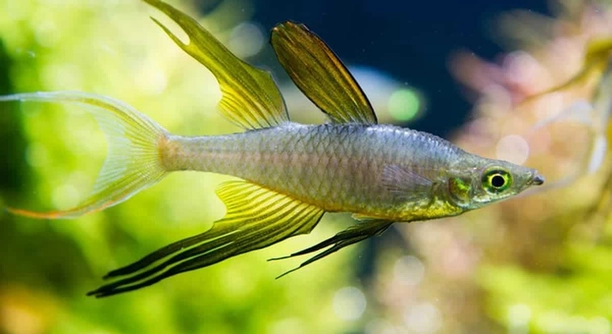
Have you ever stood by your aquarium, wondering if your threadfins truly notice you when you place your finger against the glass? Their delicate movements and bright colors can make it seem like they do.
Threadfins do not actually recognize or respond to a human finger on the glass in a personal or emotional way. Their reaction is mainly due to motion detection and curiosity, as they perceive sudden movements as potential food sources or environmental changes.
Understanding how threadfins perceive motion can help you create a calmer, more comfortable environment that supports their natural behavior and reduces unnecessary stress.
Why Threadfins React to Movement
Threadfins are sensitive fish with sharp eyesight that allows them to detect even the smallest motion near their tank. When you move your finger along the glass, the fish may quickly swim toward it or hover close by. This behavior is not a sign of recognition or affection but a natural response to movement. In their natural habitat, threadfins rely on quick visual cues to find food or detect threats. When something moves near them, they instinctively investigate to determine if it poses danger or brings potential food. In an aquarium, this instinct remains strong, and your finger may seem like something worth exploring. Their gentle gliding toward the glass is not communication—it’s survival behavior shaped by evolution and repetition.
Even though their reactions may seem emotional, threadfins are simply responding to motion, light, and changes in their surroundings. They live by instinct rather than personal connection.
Understanding their instincts helps you respond more kindly to their behavior. Threadfins thrive when their environment is calm, bright, and balanced. When you learn what triggers their reactions, you can interact with them in ways that reduce stress and support their health. A gentle hand and steady presence can make a difference.
Encouraging Calm Behavior in Threadfins
Your actions near the tank have a direct impact on how threadfins behave. Quick movements or tapping can startle them and cause stress.
To help your threadfins stay calm, try approaching their tank slowly and avoiding sudden gestures. Keep feeding times consistent so they can associate your presence with something predictable and safe. Consistency builds trust, even in a simple way. When you place your hand near the tank, move gently, letting them observe rather than react. Adding plants or driftwood provides hiding spots where they can retreat when startled. Proper lighting and water conditions also play a major role in keeping them comfortable. Over time, they will begin to associate you with stability, not threat. While they may never form emotional bonds, their calm behavior reflects a healthy, secure environment—something every fish owner can appreciate.
Understanding Their Visual Perception
Threadfins rely heavily on their vision to navigate their environment and recognize movement. They detect changes in light and shadows quickly, allowing them to react almost instantly to what happens around them. This is why your finger movements can trigger such an immediate response.
In aquariums, threadfins observe movement outside the glass as if it were happening within their space. Their eyes are adapted to shallow, clear waters, where movement often signals food or predators. When they see your hand, they respond based on these instincts. While they cannot identify you as a person, they associate movement with possible feeding opportunities. This behavior becomes reinforced over time, especially if feeding often follows your approach. Their vision is not designed for emotional recognition, but their sensitivity makes them responsive, giving the illusion of interaction that many owners find charming and personal.
Maintaining consistent lighting helps threadfins see clearly and feel secure. Bright, direct light can startle them, while soft, balanced illumination encourages natural swimming patterns. Avoid quick flashes from phones or cameras, as these can confuse or frighten them. By understanding how threadfins perceive light and motion, you can adjust your tank setup to reduce stress and encourage steady, graceful behavior that reflects their natural rhythm.
Building Gentle Interactions
Threadfins respond best to calm, predictable gestures. Repetition helps them recognize when it’s feeding time, allowing them to stay relaxed instead of anxious. Small changes in your behavior can make them feel more at ease and confident in their space.
Approach the tank slowly and avoid tapping the glass, as sound travels strongly through water. Feeding at the same time daily creates routine, and their awareness of your pattern builds quiet familiarity. You can also softly move your hand nearby without touching the glass to observe their response. If they swim closer, it means they feel safe enough to explore. Over time, their movements become steadier, showing they associate your presence with something harmless. These small, mindful actions not only strengthen their comfort but also let you enjoy their natural beauty without causing unnecessary tension.
Recognizing Stress Signals
Threadfins show stress through rapid swimming, hiding, or darting around the tank. Observing these behaviors helps you understand when they feel threatened or uncomfortable. Small environmental changes can trigger these responses without obvious reasons.
Pay attention to their posture and fin position. Clamped fins or sudden pauses indicate tension. Adjusting lighting, adding hiding spots, or reducing abrupt movements near the tank often calms them. Recognizing stress early prevents long-term health issues and creates a more peaceful environment for both you and your fish.
Feeding and Response
Threadfins quickly learn to associate your presence with feeding. Movement near the glass often triggers swimming toward the source in anticipation. Repetition strengthens this learned behavior, making them more responsive over time.
Consistent feeding routines help threadfins predict when food will appear. When they see your hand or finger, they may move closer, not out of recognition, but due to learned association. This response can be reinforced by offering food at regular times and in consistent locations. Over time, their behavior becomes predictable, reflecting comfort with their surroundings and familiarity with your patterns, without implying emotional attachment.
Environmental Adjustments
Small adjustments to the tank, like plants, rocks, and gentle currents, improve comfort and reduce stress for threadfins.
Providing visual barriers and hiding places encourages natural exploration and limits unnecessary agitation. They feel safer when the tank mimics aspects of their natural environment.
FAQ
Do threadfins recognize me?
Threadfins do not recognize individual humans. They respond to movement, changes in light, or feeding cues, not personal identity. When they swim closer to your finger on the glass, it is instinctive curiosity or expectation of food. Over time, they may react consistently to your presence, but this is learned behavior, not recognition. Their responses reflect environmental cues rather than emotional awareness.
Why do they swim toward my finger?
Threadfins swim toward fingers because motion near the glass triggers their instinct to investigate. In the wild, movement often signals food or threats. Your hand acts as a visual stimulus, drawing attention. They may hover or circle around the finger, trying to assess if it brings opportunity or danger. This behavior is purely reactive, guided by vision and habit, not personal connection.
Can tapping the glass harm them?
Yes, tapping can startle or stress threadfins. Sound travels strongly through water, and abrupt vibrations may mimic predator signals. Repeated tapping can lead to chronic stress, impacting health, appetite, and immune function. Minimizing sudden noises and maintaining calm interactions improves their well-being and reduces fearful behaviors. Soft, slow movements are safer for observing and interacting with them.
How do I make them feel comfortable?
Providing hiding spots, gentle lighting, and a consistent feeding routine helps threadfins feel secure. Slow hand movements and minimal disturbances outside the tank prevent unnecessary stress. Over time, they learn to navigate their environment confidently. Adding plants, driftwood, or rocks creates familiar territory and reduces anxiety, allowing them to swim freely without constant alertness.
Do they get bored in aquariums?
Threadfins do benefit from environmental enrichment. Simple additions like floating plants, varied tank decorations, or currents can stimulate exploration. Lack of stimulation may result in repetitive swimming or stress signs. Rotating decorations or offering occasional food puzzles encourages natural behaviors, keeping them engaged and active without causing harm or confusion.
Will they ever respond emotionally to humans?
Threadfins lack the cognitive ability to form emotional bonds with humans. Their reactions appear friendly or curious, but these are instinctual or learned associations with feeding and movement. They do not experience affection like mammals. Understanding this helps set realistic expectations and prevents projecting human emotions onto their behavior.
How often should I feed them?
A consistent daily schedule is best. Feeding at the same time helps threadfins anticipate meals without overfeeding. Portion control is important to prevent water quality issues and obesity. Observing their behavior around feeding time shows they respond predictably, reinforcing positive routines without relying on recognition of the owner.
What if my threadfins hide all the time?
Hiding can indicate stress, illness, or environmental issues. Check water parameters, lighting, and temperature. Adding plants or shelters reduces stress, while consistent feeding reassures them that the environment is safe. Over time, they will explore more confidently once they feel secure. Avoid sudden changes near the tank to prevent further hiding behaviors.
Can threadfins learn to follow my finger?
They may move in response to repeated finger movements if it coincides with feeding or curiosity. This is learned behavior based on motion and timing rather than understanding or recognition. Patience and consistency in movement paired with positive reinforcement, like food, can encourage them to react predictably, though it should not be mistaken for emotional attachment.
How can I reduce stress during maintenance?
Move slowly, avoid loud noises, and perform partial water changes gently. Prepare food and equipment beforehand to minimize disturbance. Gradually adjust lighting if necessary. Threadfins notice sudden changes easily, so steady, calm actions during cleaning or feeding routines help maintain their comfort and health over time.
Are certain tank setups better for their responsiveness?
Yes, a setup that mimics natural habitats with moderate plants, rocks, and gentle water flow improves their sense of safety. Clear sightlines with areas to hide and explore encourage natural swimming and investigation. A balanced environment reduces fear responses, making their reactions to motion more predictable and easier to observe.
Do they react differently to each person?
No, their behavior does not vary based on who approaches the tank. Differences in reaction are caused by movement speed, lighting, or timing of feeding. They respond to external cues consistently regardless of the person, so any apparent preference is coincidental or based on learned associations with routine patterns.
Can threadfins be trained?
They can learn simple associations, like connecting hand movement with feeding. Training is limited to predictable reactions based on motion, timing, and rewards. Complex tricks or emotional responses are beyond their capabilities. Consistent reinforcement encourages calm, routine behavior rather than emotional attachment or recognition.
Why do some threadfins ignore movement?
Factors like stress, poor lighting, illness, or recent tank changes can make them less responsive. Individual temperament also plays a role. Ensuring proper environment, minimal stressors, and regular feeding schedules helps encourage natural curiosity and more consistent reactions over time.
What signs indicate they are comfortable?
Calm swimming, open fins, exploration of the tank, and approaching new objects gradually indicate comfort. They will react naturally to motion without sudden darting or hiding. Observing these behaviors regularly helps maintain a stable, healthy environment that supports their instincts and reduces unnecessary stress.
How can I tell if they are learning from me?
Threadfins show learning through predictable responses, like moving closer during feeding or exploring near your hand. This is associative learning rather than emotional recognition. Consistency and routine reinforce these behaviors, making interactions smoother and the tank environment more manageable for both the fish and you.
Can sudden finger movements cause injury?
Direct physical contact through the glass generally does not harm them, but sudden, aggressive tapping or repeated startling can lead to stress, which impacts long-term health. Gentle, slow gestures are safer, allowing them to respond naturally without fear or panic, maintaining both their safety and well-being.
Do threadfins react differently at night?
Low light conditions reduce visual cues, so their responsiveness decreases. They may hide more or remain still. Adjusting lighting gradually and keeping feeding schedules consistent helps maintain predictable behavior, even during evening hours, while reducing stress from sudden changes in illumination.
Is tank size important for their responses?
Yes, adequate space allows threadfins to explore and react naturally. Overcrowding or small tanks increase stress, reduce comfort, and limit natural behavior. A properly sized tank with areas to swim and hide improves overall responsiveness and health, allowing them to display natural instincts safely.
Can other fish affect their reaction to me?
Yes, the presence of other species can influence how threadfins respond. Aggressive or fast-moving tankmates may cause hiding or anxiety, reducing attention to outside movement. Calm, compatible species create a stable environment where threadfins can explore, investigate motion, and display predictable reactions more confidently.
Are they more responsive during certain times of day?
Threadfins are generally more active during daylight or feeding periods. Observing them at these times shows clearer responses to motion. Adjusting interaction timing to coincide with their natural activity ensures predictable reactions while avoiding unnecessary stress during rest periods.
What should I avoid to prevent misinterpreting behavior?
Avoid assuming curiosity or movement near your hand indicates recognition or affection. Responses are instinctive, based on motion, timing, and feeding cues. Understanding their natural behavior prevents projecting human emotions onto them and allows for accurate observation, promoting proper care and environment management.
How long does it take for them to adapt to my presence?
Adaptation varies by individual and environment. With consistent, calm gestures and predictable feeding, threadfins may respond steadily within days or weeks. Sudden changes or frequent disturbances slow this process. Patience and stable routines encourage comfortable, predictable behavior over time.
Can stress reduce their responsiveness?
Yes, stressed threadfins may ignore motion or hide. Stress comes from poor water quality, loud noises, abrupt movements, or incompatible tankmates. Addressing environmental and routine factors restores calm behavior, allowing them to respond naturally to motion without excessive fear or avoidance.
Do they enjoy interaction?
Threadfins do not experience enjoyment as humans do. They react to stimuli and learned routines but do not feel emotion from human presence. Their responsive behaviors reflect instinct and conditioning rather than preference or pleasure, though consistent care helps them remain healthy and active.
Can water temperature affect their reactions?
Yes, improper water temperature can slow metabolism, reduce activity, and decrease responsiveness. Maintaining stable, species-appropriate temperatures supports normal behavior and ensures reactions to movement are consistent with their natural instincts. Sudden shifts can trigger hiding or erratic swimming, signaling discomfort.
Is their movement near the glass always related to food?
Not always. While food association is common, threadfins may approach due to general curiosity, light reflections, or environmental changes. Their reactions are triggered by visual or motion cues, not conscious choice. Recognizing these triggers helps interpret behavior accurately without overestimating emotional intent.
Do younger threadfins behave differently?
Juveniles may be more cautious or easily startled. They are still learning environmental cues and may hide more often. Over time, with consistent care and minimal stress, young threadfins gradually display more confident movement, showing predictable reactions to stimuli similar to adults.
How can I encourage exploration?
Adding plants, rocks, or varied textures encourages natural movement and investigation. Gentle currents or floating objects can stimulate curiosity. This enrichment promotes mental and physical activity, reduces stress, and helps them display instinctive behaviors safely without relying on interaction with humans.
Are all threadfins equally reactive?
Individual temperament varies. Some are naturally bolder, exploring near movement, while others are shy and cautious. Environmental stability, tank setup, and consistent routines help reduce extremes, encouraging steady, predictable responses that make observing them easier and more enjoyable.
What mistakes should I avoid when observing?
Avoid sudden gestures, tapping, or feeding inconsistently. These disrupt their comfort and may lead to fear or hiding. Misinterpreting instinctive behaviors as emotional responses can cause unrealistic expectations. Observing calmly and providing stable conditions promotes healthier behavior and more accurate understanding of their reactions.
Can threadfins become stressed by over-interaction?
Yes, frequent, sudden interactions can cause anxiety and reduce natural activity. Limiting hand movements and maintaining predictable routines ensures they remain calm, comfortable, and responsive without unnecessary stress.
How can I track their progress?
Regular observation of swimming patterns, hiding, and responses to movement helps track comfort and adaptation. Note changes over time to adjust environmental factors or routines as needed. Gradual improvements indicate they are acclimating to your presence and tank setup successfully.
Does tank decoration placement matter?
Yes, strategically placed plants and shelters allow safe exploration and reduce stress. Open spaces let them investigate movement while having retreat spots. This setup promotes natural behavior and encourages steady, confident reactions to external stimuli without constant fear or agitation.
Can feeding methods change their responsiveness?
Yes, using consistent feeding locations and techniques reinforces predictable behavior. Switching methods frequently can confuse them, reducing their reaction to motion. Maintaining a routine helps threadfins associate external cues with expected outcomes, supporting steady, instinctive responses.
Are threadfins sensitive to reflections?
Yes, reflections may confuse them, causing investigation or stress. Positioning the tank to minimize glare and reflective surfaces reduces unnecessary reactions and helps them focus on natural stimuli rather than illusions, making interactions more predictable and calmer.
What is the best way to introduce new objects?
Slowly placing items in the tank allows threadfins to inspect safely without sudden stress. Abrupt introductions can trigger hiding or erratic swimming. Gradual changes maintain comfort and encourage natural curiosity without disrupting their routine or causing fear.
How do seasonal changes affect behavior?
Light and temperature shifts may impact activity levels. Adjusting tank conditions gradually prevents sudden stress. Maintaining stable water quality, feeding times, and lighting ensures threadfins continue to display natural responses to motion consistently throughout seasonal fluctuations.
Can threadfins differentiate between hand and other objects?
Not in the way humans perceive identity. They respond to size, movement, and timing rather than shape recognition. Reactions to hands, sticks, or floating items are driven by motion and curiosity, not conscious identification, and are reinforced by learned associations like feeding cues.
Do they notice vibrations outside the tank?
Yes, vibrations travel through water and can startle or alert threadfins. Loud or sudden movements nearby may trigger investigation or hiding. Minimizing nearby disturbances and handling equipment carefully helps maintain calm and predictable behavior.
What if they stop responding to motion?
This may indicate stress, illness, poor water conditions, or environmental changes. Check tank parameters, lighting, and feeding routines. Addressing these factors restores natural curiosity and movement, allowing threadfins to respond predictably once conditions stabilize.
Is it safe to touch the glass frequently?
Light touches are generally safe, but excessive or forceful tapping can stress them. Slow, gentle contact allows observation without alarming the fish, ensuring their comfort and consistent reactions to visual stimuli.
Do threadfins interact differently with other species?
Yes, interactions depend on tankmates’ temperament. Aggressive or fast-moving fish can cause hiding or fear responses, while calm species allow natural movement and predictable reactions. Proper species selection improves overall tank harmony and supports steady behavior.
Can lighting changes affect motion response?
Sudden bright or dim changes can startle threadfins. Gradual adjustments maintain natural activity and minimize fear responses. Consistent lighting schedules support predictable reactions and general well-being, encouraging exploration and calm swimming near visible movement.
How do I know if my threadfins are stressed from observation?
Rapid swimming, hiding, clamped fins, or erratic behavior are clear stress indicators. Reducing disturbances, adjusting lighting, and ensuring safe hiding spots help them regain comfort. Consistent, calm routines maintain healthy interactions without causing unnecessary anxiety or fear.
Do they react differently in groups versus alone?
Group dynamics affect movement. In schools, threadfins may mirror reactions, increasing responsiveness to stimuli. Alone, they may be more cautious or hesitant. Observing both scenarios helps understand their behavior and supports tailored care for comfort and stress reduction.
Can feeding with fingers increase stress?
Yes, inconsistent or rough approaches can cause fear. Gentle, predictable feeding promotes calm behavior and reinforces learned responses without creating anxiety, supporting health and steady interaction.
Are they sensitive to tank vibrations from equipment?
Yes, pumps, filters, or heaters can cause subtle vibrations that alert them. Smooth, quiet equipment reduces stress and supports natural, calm reactions to motion or routine cues.
How can I help them adapt to new routines?
Introduce changes gradually, maintain consistent feeding, and provide shelter. Threadfins respond best to predictability and slow adjustments, reducing stress while encouraging exploration and comfort within their environment.
Can stress affect their appetite?
Yes, stressed threadfins may eat less or ignore food. Maintaining calm conditions, consistent feeding schedules, and minimal disturbances ensures proper nutrition and predictable responses to motion and routine interactions.
Do they prefer certain hand movements?
Slow, smooth movements elicit calm investigation, while abrupt gestures trigger avoidance. Understanding their sensitivity allows for gentle interaction and supports steady, instinct-driven responses without causing fear or agitation.
How long do they remain curious after stimulus?
Curiosity typically lasts a few moments unless reinforced by food or novelty. Continuous exposure without reward may reduce interest. Pairing gentle motion with predictable cues helps maintain attention and consistent, safe behavior.
Can reflections make them aggressive?
Reflections can provoke territorial or defensive behavior. They may approach or chase the perceived “intruder” in the glass. Minimizing reflective surfaces and positioning light properly reduces stress and unwanted reactions.
Are some threadfins more reactive than others?
Yes, individual temperament varies. Some are naturally bold and investigate movement, while others remain cautious. Environmental stability, hiding spots, and consistent routines encourage steady, predictable reactions across different personalities.
Do temperature fluctuations change their activity?
Yes, sudden drops or rises can reduce movement, increase hiding, or cause erratic swimming. Stable, species-appropriate temperatures maintain natural responses to motion and feeding cues. Gradual adjustments are essential to avoid stress and maintain comfort.
Can they learn to anticipate feeding?
Yes, threadfins quickly associate routine cues, such as movement near the tank or time of day, with food. This learned behavior is based on pattern recognition rather than personal interaction, reinforcing predictable responses without emotional attachment.
Is water clarity important for response?
Yes, clear water allows them to see motion easily. Murky or algae-covered tanks reduce visibility, decreasing responsiveness and causing stress or cautious behavior. Regular maintenance ensures they can navigate and react confidently.
Do threadfins ever ignore stimuli completely?
They may if stressed, sick, or in low light. Ignoring motion can indicate environmental or health issues. Addressing these factors restores natural curiosity and movement, allowing normal, predictable behavior to resume.
Can tankmates influence motion response?
Yes, aggressive or fast-moving fish may inhibit exploration. Calm, compatible species create a safe environment, encouraging steady reactions to movement and reducing stress from competition or intimidation.
Are threadfins more active during feeding?
Yes, feeding triggers natural instinctive behavior. They approach movement, investigate surroundings, and display alert swimming patterns. Regular feeding schedules enhance predictability and support healthy, instinct-driven activity without causing undue stress.
How can I safely observe them?
Move slowly, avoid tapping or loud noises, and maintain predictable feeding. Use soft lighting and provide hiding spots. Calm observation ensures threadfins remain comfortable and display natural behavior, allowing you to enjoy their reactions safely.
Do they respond differently to different objects?
They respond to size, motion, and timing rather than object identity. Fingers, sticks, or floating items elicit similar investigation if movement is consistent. Learned associations with feeding may enhance responses to certain stimuli, reinforcing predictable behavior patterns.
Can frequent changes in routine cause stress?
Yes, sudden shifts in feeding, lighting, or tank layout increase anxiety and hiding. Gradual adjustments and consistent daily patterns help threadfins feel secure and maintain predictable, instinctive behavior without unnecessary fear.
Do they react to shadows?
Yes, threadfins interpret shadows as potential threats or food. Sudden changes in light or passing shadows may trigger quick investigation or retreat. Controlled lighting and minimal disturbances reduce unnecessary stress and maintain calm, steady behavior.
Is it normal for them to follow movements slowly?
Yes, slow tracking of motion is instinctive curiosity. It reflects investigation rather than recognition, allowing them to assess the environment safely. Gentle hand movements encourage this behavior without causing panic or stress.
Do stress or illness reduce interaction?
Yes, stressed or sick threadfins may hide or ignore stimuli. Monitoring health, maintaining stable conditions, and minimizing disturbances help them regain natural responses and confidence in their environment.
Can I use hand gestures for enrichment?
Yes, slow, predictable gestures paired with feeding can stimulate activity. Avoid abrupt movements to prevent fear. This form of enrichment encourages natural exploration and curiosity while reinforcing learned, instinctive behavior safely.
How often should I monitor their responses?
Daily observation ensures you notice changes in behavior, stress, or
Final Thoughts
Threadfins are fascinating fish that respond primarily to movement, light, and environmental cues rather than emotional recognition. Observing them can feel personal because their reactions to motion, like swimming toward a finger on the glass, appear curious and intentional. However, understanding that these behaviors are instinctive rather than emotional helps set realistic expectations. Their responsiveness is shaped by survival instincts and learned patterns associated with feeding, light, and motion. This distinction is important for anyone keeping threadfins in an aquarium, as it helps prevent projecting human emotions onto them, which could lead to misunderstandings about their behavior. By observing them calmly and consistently, you can enjoy their natural movements and reactions without expecting personal recognition.
Providing a stable environment is key to supporting threadfins’ health and comfort. Elements such as proper lighting, adequate hiding spots, and predictable feeding routines allow them to respond naturally to stimuli while reducing stress. Threadfins thrive in tanks that mimic their natural habitat, with gentle water currents, plants, and rocks for exploration. Sudden changes, abrupt movements, or loud noises can startle them, triggering hiding or rapid swimming. Consistency in daily care, including feeding and tank maintenance, helps them feel secure. Over time, their reactions to movement may become predictable and steady, reflecting a calm and well-adjusted environment rather than a connection to a human observer. Recognizing the difference between learned behavior and emotional bonding helps in providing better care and reduces stress for the fish.
Interacting with threadfins requires patience, gentle observation, and an understanding of their natural instincts. Slow hand movements, consistent feeding schedules, and avoiding sudden disturbances encourage calm and predictable responses. While they do not form emotional attachments, their reactions can be enjoyable to watch and can feel interactive if approached thoughtfully. Observing how they respond to motion, shadows, and reflections can provide insight into their behavior and needs. Providing enrichment through plants, hiding spots, and varied objects in the tank supports natural exploration and keeps them active. Ultimately, appreciating threadfins for their instincts and natural responses rather than expecting recognition allows for a healthier and more rewarding experience. Their behavior reflects comfort, curiosity, and instinct, which can be observed and respected without misunderstanding their reactions as emotional connection. With steady care and attention to their environment, threadfins can live healthy, active lives, and their movement and responses can be enjoyed safely and meaningfully by their caretakers.

Hello,
If you enjoy the content that we create, please consider saying a "Thank You!" by leaving a tip.
Every little bit helps us continue crafting quality advice that supports the health, happiness, and well-being of pets around the world, for pets of all shapes, sizes, and species.
We really appreciate the kindness and support that you show us!