
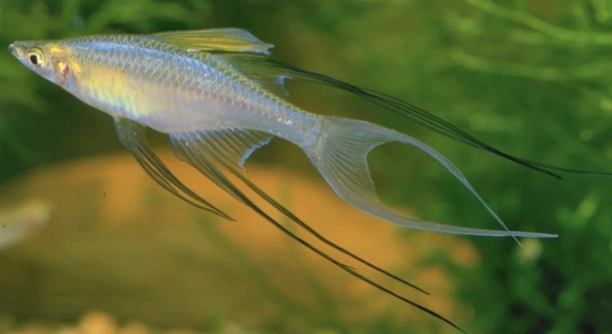
Have you ever watched threadfins swim and noticed subtle movements that seem almost like signals? Observing these fish closely can reveal interesting patterns in how they interact with each other and their surroundings.
Threadfins communicate through subtle body language cues, including fin flicks, tail movements, and body tilts. These gestures serve purposes such as signaling alertness, indicating social hierarchy, and coordinating group behavior in aquatic environments.
Recognizing these cues allows for a deeper understanding of their social interactions and daily habits in their natural habitat.
Fin Flicks and Tail Twitches
Threadfins often communicate with quick fin flicks and subtle tail twitches. Watching these movements can show their mood or intentions. A small flick of the dorsal fin might indicate curiosity or caution, while repeated tail flicks can signal excitement or readiness to move. These motions are usually brief but meaningful. When swimming in groups, synchronized flicks help maintain coordination and spacing. Observing these patterns over time can reveal consistent behaviors tied to feeding, mating, or territory defense. Even minor variations, like the angle of the tail or speed of the flick, can carry different messages. Researchers note that younger threadfins rely more on visible flicks, while older fish develop subtler signals. Understanding these cues improves interaction and care in captive settings and helps interpret natural behaviors in the wild. These tiny movements, though easy to miss, hold a lot of information about social dynamics.
Fin flicks and tail twitches act as key visual signals that communicate alertness, mood, and social intentions within threadfin groups.
Watching these small gestures over time can change how you see their interactions. Patterns emerge that show which fish lead, follow, or avoid conflict, and you start noticing subtleties you would have missed at first glance. Each flick or twitch tells a story about their daily activity and social organization.
Body Tilts and Head Angles
Threadfins use body tilts and head angles to signal attention or direction. Slight tilts often indicate where they plan to move next.
These gestures communicate focus or caution. A tilt toward another fish can show interest, while tilts away may signal avoidance. Body orientation also helps maintain group formation during swimming. Tilting the head slightly can indicate curiosity or inspection of the environment. These signals work alongside fin flicks to provide a clearer understanding of intention. Fish in groups often mirror each other’s tilts to maintain cohesion. Observing head angles can also reveal feeding preferences or alertness to potential threats. Over time, it becomes easier to predict their next movement based on these small cues. This coordination is crucial for survival and social structure, and recognizing it can enhance both research and aquarium care. Paying attention to these subtle signs gives insight into their behavior without disturbing them.
Body tilts and head angles create a silent conversation among threadfins, revealing their intentions and maintaining harmony in groups.
Pectoral Fin Movements
Threadfins often spread or flap their pectoral fins to signal attention or readiness. Quick movements can indicate alertness, while slow, deliberate flaps may show calm or contentment.
These fin movements serve multiple purposes. When hunting, threadfins use pectoral fin flaps to adjust direction and speed silently, avoiding startling prey. In social settings, subtle shifts communicate dominance or submission without aggressive contact. Observing the rhythm and intensity of these flaps can reveal stress levels or comfort in the environment. Experienced keepers notice patterns that indicate feeding time or potential conflicts. Over time, these small signals become a reliable way to understand both individual and group behavior.
Pectoral fin movements are also key during interactions with obstacles or currents. Fish adjust angles constantly, coordinating with peers to navigate spaces efficiently. Even minor differences in flap speed or height can indicate mood shifts. These gestures, though easy to miss, are consistent and meaningful across different situations, highlighting both survival strategies and social awareness.
Tail Curves and Body Sway
Tail curves often signal readiness to change direction or signal caution to others. Small, subtle curves can carry important messages.
The angle and frequency of tail curves communicate intentions during movement and social interactions. A slight curve may indicate hesitation, while sharp bends signal a quick escape or sudden interest. Body sway complements tail curves, showing relaxation or tension. In group settings, synchronized sways help maintain alignment and spacing. Observing how threadfins sway can reveal comfort levels and social roles. Fish that sway in unison often have strong social bonds, while isolated sway patterns may indicate stress or curiosity. Understanding these movements helps interpret natural behaviors more accurately.
Tail curves and body sway also assist in navigation and energy efficiency. As threadfins move through currents, small sways reduce drag and maintain stability. Watching these combined motions reveals how they interact with their surroundings and with each other. Patterns emerge that indicate preferred swimming paths, leadership roles in groups, and subtle warnings before sudden movements. Over time, paying attention to these cues creates a clear picture of daily life and hierarchy.
Gill Flare Signals
Threadfins flare their gills to show alertness or mild agitation. This subtle action communicates awareness of nearby fish or changes in the environment.
A quick gill flare can indicate surprise or interest, while prolonged flaring may show stress. Watching these movements helps gauge comfort and safety levels within their group.
Subtle Color Shifts
Threadfins sometimes display faint color changes along their bodies. These shifts signal mood, health, or readiness to interact with others. Color variations are often short-lived but noticeable when observed closely. Environmental factors, like light or water conditions, can amplify these changes, making it easier to read their signals.
Slow Circling Behavior
Some threadfins perform slow, gentle circles in open water. This behavior often indicates exploration or mild social engagement with nearby fish. Watching the pace and direction of these circles can reveal dominant or submissive roles within groups.
Minor Fin Spreads
Threadfins occasionally spread fins slightly while stationary. These small gestures can indicate comfort, alertness, or subtle readiness to move. Observing these minor spreads provides clues about their immediate intentions and interactions with the environment.
FAQ
How can I tell if a threadfin is stressed?
Stress in threadfins often shows through repeated tail flicks, rapid gill flares, or abrupt color changes. Fish may also isolate themselves from the group, reduce movement, or perform erratic swimming. Watching for these patterns over time helps identify stress before it becomes severe.
Why do threadfins sometimes swim in tight circles?
Tight circles usually indicate exploration or mild social interaction. Dominant fish may circle to assert presence, while younger or more submissive fish may follow patterns to stay coordinated with the group. The speed and consistency of the circling can reveal confidence levels and social dynamics.
What does frequent fin spreading mean?
Frequent fin spreading can signal comfort, alertness, or readiness to move. It often accompanies changes in the environment or the presence of other fish. Observing the context of these movements helps distinguish between casual gestures and important social signals.
How important are tail curves in communication?
Tail curves are critical for indicating intention and direction. A slight curve can signal caution, while sharper curves often indicate quick movement or alertness. Combined with body sway, they provide insight into navigation, energy efficiency, and interactions within groups.
Are color changes reliable signals?
Yes, subtle color shifts often reflect mood, health, or social engagement. While environmental factors like light can exaggerate or hide changes, consistent observation allows recognition of temporary shifts versus long-term health indicators. Color variations usually complement other signals like fin or tail movements.
Can gill flares indicate aggression?
Gill flares can indicate mild agitation or alertness, sometimes preceding aggressive displays. Prolonged flaring may signal stress or dominance assertion. Observing accompanying body language and social context helps differentiate between curiosity, caution, and hostility.
Do threadfins communicate with other species?
Threadfins primarily communicate within their own species, but some gestures may affect responses in other fish. Rapid fin flicks, tail curves, or gill flares can influence nearby fish behavior, particularly in mixed-species aquariums or natural habitats.
How do body tilts affect group movement?
Body tilts guide attention, direction, and coordination. Tilts toward a peer show interest, while tilts away indicate avoidance. In groups, synchronized tilts maintain formation and prevent collisions. Observing these subtle cues provides insight into social hierarchy and cooperative behavior.
Can I use these cues to improve aquarium care?
Absolutely. Recognizing fin movements, tail curves, gill flares, and body tilts allows better understanding of comfort, stress, and social dynamics. Adjusting tank conditions, enrichment, and group composition based on these cues improves well-being and mimics natural behavior more closely.
Why do some threadfins mirror each other’s movements?
Mirroring is a sign of social cohesion and trust. Fish that mimic each other’s fin flicks, tilts, or tail curves maintain alignment and reinforce group bonds. It also reduces conflict and ensures coordinated swimming, especially during feeding or movement through tight spaces.
How often should I observe their behavior?
Regular observation is key. Short daily sessions provide enough data to notice subtle patterns, stress indicators, and social dynamics. Recording behavior over weeks allows recognition of consistent signals, helping anticipate needs or issues before they escalate.
What should I prioritize when interpreting signals?
Focus on context and combinations of cues. A single flick or color change may not mean much alone, but paired with tail movements, body sway, or gill flares, it provides clearer information. Patterns over time are more reliable than isolated gestures.
Are younger threadfins easier to read than older ones?
Younger fish often use more overt movements like pronounced fin flicks, tail curves, and body tilts. Older fish develop subtler gestures, requiring closer observation. Tracking behavior from youth to maturity improves understanding of individual communication styles.
How can these cues aid in breeding?
Recognizing signals like fin flares, tail curves, and body tilts can indicate readiness to mate, territorial behavior, or social hierarchy. By observing these cues, breeders can create optimal conditions for pairing and reduce stress during spawning periods.
Do environmental changes affect body language?
Yes. Changes in lighting, water flow, or tank layout can alter fin movements, tail curves, and color displays. Fish may flare gills or adjust body orientation to adapt. Understanding these influences helps differentiate environmental responses from social signals.
Can misreading cues cause issues?
Misinterpretation can lead to stress or conflict, especially in mixed-species tanks. Assuming a tail curve signals aggression instead of navigation may result in unnecessary separation or handling. Observing multiple signals in context minimizes errors and improves care decisions.
Are these cues universal across threadfin species?
While most cues like fin flicks, tail curves, and gill flares are common, intensity and frequency can vary between species. Subtle differences exist, so species-specific observation is recommended to accurately interpret behavior.
How long does it take to learn these signals?
With consistent observation, patterns become noticeable within weeks. Mastery of subtle cues may take months, depending on the number of fish and environmental complexity. Patience and attention to detail are key.
Can these observations reduce stress in captivity?
Yes. Understanding signals allows timely adjustments to environment, group dynamics, and enrichment. Minimizing surprises or conflicts reduces stress, promotes natural behavior, and improves overall health and longevity.
How can I track behavior effectively?
Keep a simple journal noting fin movements, tail curves, body tilts, gill flares, and color changes. Include time of day, group composition, and environmental conditions. Over time, patterns emerge, making predictions about behavior and mood more accurate.
Observing threadfins closely reveals a surprising amount of communication hidden in small movements. From subtle tail curves to gentle fin flicks, every motion carries a message about mood, intention, or alertness. These fish use a combination of body language cues to interact with each other, coordinate movement, and respond to their surroundings. Understanding these signals allows us to see them not just as fish swimming in water, but as social creatures with consistent behaviors and reactions. Over time, patterns emerge that make their interactions easier to interpret. Even minor details, like the angle of a head tilt or the speed of a fin flick, provide valuable insights. Paying attention to these cues also helps identify changes in behavior that could indicate stress, illness, or shifts in group dynamics. Watching closely is essential because many of these behaviors are quick and easy to miss if you are not patient.
Recognizing threadfins’ body language is useful in both natural and captive environments. In aquariums, understanding these cues improves care and reduces unnecessary stress. Fish that feel secure and understood display more natural behaviors and adapt better to their environment. Noticing subtle shifts in movement or color can inform adjustments in tank setup, lighting, or social grouping. In the wild, interpreting these signals provides insight into feeding habits, social hierarchies, and responses to threats. Many of the gestures threadfins make, like gill flares or pectoral fin spreads, serve multiple purposes depending on context. Observing them over time helps distinguish between casual movements and meaningful signals. This understanding encourages a more respectful and patient approach to watching fish, emphasizing observation rather than interference. It highlights the importance of context when interpreting behavior, as one gesture can have different meanings depending on other cues or the environment.
Focusing on these subtle cues also deepens our connection to the species. Noticing tiny movements, coordinated swims, and synchronized gestures shows how intricate their social interactions are. It helps us appreciate the complexity of their communication without needing to anthropomorphize them. Learning to read their signals takes patience, but it offers a rewarding perspective on their daily lives. Observing, noting patterns, and reflecting on changes in behavior can make caring for threadfins more informed and thoughtful. Over time, this understanding can guide decisions about habitat, feeding, and group management. By paying attention to fin flicks, tail curves, body tilts, gill flares, and color shifts, we can support their health and well-being while gaining a deeper awareness of how fish communicate naturally. Ultimately, these insights encourage a more mindful approach to both watching and caring for threadfins, enriching our appreciation for their subtle, intricate behaviors.

Hello,
If you enjoy the content that we create, please consider saying a "Thank You!" by leaving a tip.
Every little bit helps us continue crafting quality advice that supports the health, happiness, and well-being of pets around the world, for pets of all shapes, sizes, and species.
We really appreciate the kindness and support that you show us!