
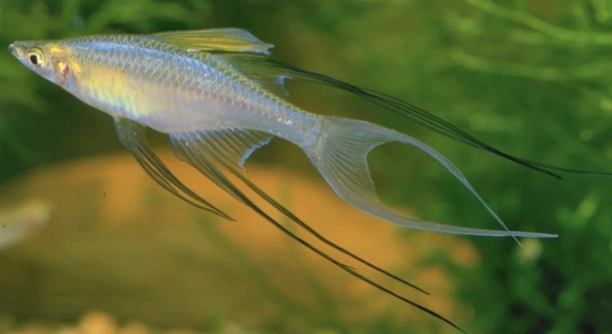
Have you ever noticed your threadfin swimming with its head down and wondered what could be causing this unusual behavior in your aquarium?
Threadfin swimming with its head down is often a sign of stress, swim bladder disorder, or poor water conditions. Other causes may include improper diet, bacterial infections, temperature fluctuations, or ammonia buildup affecting their buoyancy and overall health.
Understanding these causes will help you create a healthier environment and prevent further complications for your threadfin’s well-being and comfort.
Poor Water Quality
Poor water quality is one of the most common reasons your threadfin may start swimming with its head down. When ammonia, nitrite, or nitrate levels rise, the fish’s delicate system becomes stressed, leading to imbalance and erratic swimming patterns. Inconsistent pH levels or unclean tanks also contribute to the problem. Threadfins are sensitive fish, and even slight changes in their environment can disrupt their equilibrium. Regularly testing the water and performing partial water changes are essential to maintaining stability. Clean water helps reduce the strain on their swim bladder and prevents harmful bacteria from affecting their overall health.
Maintaining a stable temperature between 75–82°F and ensuring good filtration are crucial. These small adjustments can quickly restore normal swimming behavior.
If your threadfin is showing signs of stress, start by checking the water parameters immediately. Correcting imbalances early prevents long-term health issues and encourages recovery within a few days.
Swim Bladder Disorders
Swim bladder disorders are another leading cause of threadfins swimming with their heads down. The swim bladder helps fish control buoyancy, allowing them to stay balanced in the water. When this organ becomes inflamed or infected, it prevents proper movement and coordination. Overfeeding, constipation, or bacterial infections can cause the bladder to malfunction. Feeding the fish too quickly or offering dry, unsoaked food often leads to digestive problems that affect buoyancy. To address this issue, avoid overfeeding, offer high-fiber foods, and fast your threadfin for a day or two if needed. Adding a small amount of aquarium salt may also help reduce inflammation.
Preventing swim bladder issues requires consistent feeding routines and a balanced diet. Frozen or live foods like daphnia or brine shrimp are easier to digest and support healthy buoyancy. Keeping the tank clean, offering varied nutrition, and maintaining stable water conditions are the best long-term solutions.
Stress and Sudden Movements
Stress can cause threadfins to swim with their heads down as their bodies react to sudden environmental changes. Loud noises, quick hand movements, or frequent tank rearrangements can easily disturb these sensitive fish, leading to erratic or unbalanced swimming behavior.
Minimizing stress begins with creating a calm and consistent environment. Avoid tapping on the tank or making abrupt movements near it. Threadfins also appreciate stable lighting and hiding spots, which give them a sense of security. If multiple fish share the tank, overcrowding can increase tension, so ensure they have enough space to swim freely. Consistency in temperature and feeding time further supports their comfort.
Over time, reducing external disturbances helps your threadfin regain confidence and balance. A calm environment not only corrects head-down swimming but also strengthens the fish’s immune system, making them less prone to infections and other behavioral changes caused by stress.
Improper Diet
An unbalanced diet can disrupt a threadfin’s digestive system, leading to buoyancy issues and downward swimming. Feeding dry flakes too often without soaking them first can cause the food to expand in the fish’s stomach, affecting the swim bladder and overall movement. Fiber deficiency also plays a role in poor digestion.
Providing a balanced diet that includes both plant-based and protein-rich foods is essential. Offer high-quality pellets, brine shrimp, and daphnia to support digestion and buoyancy control. Fast the fish once a week to clear its digestive tract and prevent bloating. Introducing small, soaked portions during feeding time reduces the chance of air intake, which can lead to floating or sinking problems. With steady feeding habits and proper nutrition, your threadfin will regain energy and balance, showing smoother, more natural swimming behavior in a stable environment.
Bacterial Infections
Bacterial infections can cause internal swelling, affecting the swim bladder and leading to a head-down swimming position. Infected threadfins may also show signs like reduced appetite, clamped fins, or slight discoloration around the gills or body. Prompt treatment helps prevent severe complications.
Use antibacterial treatments or medicated food designed for aquarium use. Keep the water clean and maintain stable temperature levels during recovery. Avoid overfeeding during treatment to reduce stress on the digestive system. Consistent observation ensures the infection clears before reintroducing regular feeding and maintenance routines.
Temperature Fluctuations
Sudden temperature changes can disrupt a threadfin’s metabolism and buoyancy control, causing it to swim abnormally. These fluctuations weaken the immune system, making the fish vulnerable to other health issues. Always monitor the tank’s temperature using a reliable aquarium heater and thermometer to maintain consistency.
Ammonia and Nitrite Spikes
High ammonia or nitrite levels quickly impact a threadfin’s nervous system, leading to erratic or downward swimming. Frequent water testing and timely water changes are vital for prevention. Clean filters and proper aeration also help stabilize water conditions and protect your fish from toxic buildup.
Why is my threadfin swimming with its head down?
Threadfins swim with their heads down due to several factors, most commonly poor water quality, swim bladder disorders, stress, or dietary issues. High ammonia or nitrite levels, sudden temperature changes, and improper tank maintenance can all affect their balance. Nutritional deficiencies and overfeeding also contribute, causing digestive problems that interfere with buoyancy. Stress from overcrowding, sudden movements, or aggressive tank mates can worsen the behavior, making the fish appear weak or unstable. Identifying the exact cause requires careful observation of water parameters, feeding routines, and environmental conditions.
How can I correct my threadfin’s swimming behavior?
Correcting head-down swimming starts with stabilizing the environment. Test water regularly and maintain safe ammonia, nitrite, and nitrate levels. Adjust temperature gradually to avoid sudden fluctuations. Feed small, balanced meals and include fiber-rich or easily digestible foods like brine shrimp or daphnia. Minimize disturbances in the tank by keeping lighting consistent, limiting sudden movements, and providing hiding spaces. If swim bladder issues are suspected, fasting for a day or two can relieve digestive pressure, and medicated treatments may be needed if bacterial infections are present. Consistency and careful observation are key to recovery.
Can diet alone cause head-down swimming?
Yes, diet is a significant factor. Overfeeding, feeding dry flakes without soaking, or giving low-quality pellets can lead to digestive bloating. This bloating can press against the swim bladder, making it hard for the fish to maintain balance. A varied diet that includes protein-rich and high-fiber foods supports digestion and buoyancy. Rotating between live, frozen, and processed foods helps prevent nutritional deficiencies. Feeding smaller portions more frequently also reduces the risk of bloating and keeps the digestive system functioning smoothly. Proper diet management often quickly improves swimming behavior.
What role does stress play in abnormal swimming?
Stress impacts a threadfin’s overall health and can directly affect its swimming patterns. Factors such as loud noises, aggressive tank mates, or overcrowding trigger stress responses that destabilize buoyancy. Even minor environmental changes like rearranging decorations or fluctuating lighting can have an effect. Reducing stress involves creating a calm and predictable environment, maintaining water quality, and providing hiding spaces. Over time, a less stressful environment allows the fish to regain balance and improves its immune system, making it less susceptible to infections or behavioral issues.
Are swim bladder disorders treatable?
Yes, swim bladder disorders can often be managed if addressed promptly. They may result from infections, physical injury, or digestive problems. Adjusting diet, fasting for short periods, and feeding fiber-rich or easily digestible foods like daphnia can relieve pressure on the swim bladder. Medications may be required if bacterial infections are involved. Ensuring stable water quality, proper temperature, and minimal stress are also critical. Early intervention increases the likelihood of recovery and prevents long-term health problems associated with repeated buoyancy issues.
How do water conditions affect my threadfin’s swimming?
Water conditions directly influence a threadfin’s health and balance. Elevated ammonia or nitrite levels can harm the nervous system, causing erratic swimming or head-down positions. Temperature fluctuations affect metabolism and buoyancy control. Poor filtration or stagnant water reduces oxygen levels, further stressing the fish. Maintaining clean water, regular partial changes, stable temperature, and proper aeration helps ensure the fish swims normally and remains healthy. Consistent monitoring prevents the accumulation of toxins and creates a stable environment that supports proper behavior and long-term vitality.
When should I seek professional help?
Professional help is needed when symptoms persist despite correcting water conditions, diet, and stress levels. If the fish shows signs of infection, severe bloating, or prolonged head-down swimming, a veterinarian specializing in aquatic animals can provide diagnosis and treatment. Early intervention prevents permanent damage and ensures proper recovery. Professionals can also advise on appropriate medications, dietary adjustments, and tank management practices tailored to your threadfin’s needs, giving the best chance for long-term health and normal swimming behavior.
Can multiple issues cause head-down swimming at the same time?
Yes, threadfins often experience overlapping problems. Poor water quality, dietary issues, and stress can occur simultaneously, compounding the effect on swimming behavior. Addressing only one factor may not fully resolve the problem. A comprehensive approach—including water testing, dietary adjustments, stress reduction, and careful observation—is essential. Monitoring all aspects of the tank environment and the fish’s health ensures that the root causes are identified and corrected, allowing the threadfin to regain stability and normal activity.
How long does it take for a threadfin to recover?
Recovery time depends on the cause and severity of the issue. Minor diet or stress-related problems may improve within a few days, while bacterial infections or swim bladder disorders can take weeks to resolve. Consistency in water maintenance, feeding practices, and stress management accelerates recovery. Close observation is necessary to ensure improvement and prevent recurrence. Patience is important, as rushing treatments or making abrupt environmental changes can prolong recovery or worsen symptoms. Regular monitoring allows for timely adjustments and better overall outcomes.
Are there preventative measures I can take?
Preventing head-down swimming involves maintaining stable water quality, feeding a balanced diet, and minimizing stress. Regular water testing, proper tank cleaning, consistent temperature, and appropriate tank mates all contribute to stability. Offering varied and digestible foods reduces digestive-related buoyancy issues. Observing the fish daily allows early detection of changes. Preventative care ensures your threadfin remains healthy, active, and balanced, minimizing the risk of recurring swimming problems.
Threadfin swimming with its head down can be alarming, but understanding the common causes helps address the problem effectively. Many factors influence their swimming behavior, including water quality, diet, stress, and swim bladder health. Poor water conditions, such as high ammonia or nitrite levels, can disrupt the fish’s balance and overall health. Sudden temperature changes or improper filtration can also make them swim abnormally. Observing your fish closely and maintaining stable conditions is essential to prevent these issues from becoming serious. Regular water testing and consistent tank maintenance create a stable environment where threadfins can thrive.
Diet plays a significant role in their health and buoyancy. Overfeeding, offering low-quality food, or feeding dry flakes without proper preparation can lead to digestive problems. These problems may affect the swim bladder, causing the fish to swim with its head down. Providing a varied diet that includes live, frozen, or high-quality pellet foods ensures proper nutrition and helps maintain digestive health. Occasional fasting or feeding fiber-rich foods can relieve pressure on the swim bladder and reduce bloating. Paying attention to feeding routines, portion sizes, and the type of food offered supports balanced swimming and overall well-being.
Stress is another important factor that affects threadfins’ swimming patterns. Overcrowding, aggressive tank mates, sudden movements, or loud noises can make these sensitive fish unstable in the water. Creating a calm, consistent environment with hiding spaces and stable lighting reduces stress and encourages normal swimming. If swim bladder disorders or bacterial infections are suspected, prompt treatment is essential. Maintaining good water quality, proper diet, and minimal stress provides the best chance for recovery and long-term health. Observing your fish regularly and addressing problems early helps prevent complications and keeps your threadfin active and balanced in the tank.

Hello,
If you enjoy the content that we create, please consider saying a "Thank You!" by leaving a tip.
Every little bit helps us continue crafting quality advice that supports the health, happiness, and well-being of pets around the world, for pets of all shapes, sizes, and species.
We really appreciate the kindness and support that you show us!