
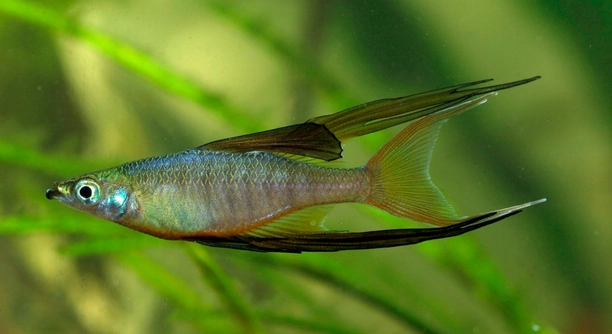
Do your threadfins sometimes struggle against strong water currents in the tank? These sleek, silver fish rely on gentle movement to feed and swim comfortably, making overly powerful filters a challenge for their natural behavior and health.
When the filter is too strong, threadfins often swim near the surface or cling to calmer areas of the tank. They adjust their position to avoid exhausting themselves and to maintain access to food, ensuring proper respiration and overall well-being.
Observing their adjustments can help you create a safer and more comfortable environment for these graceful fish. Proper flow management benefits both their activity and long-term health.
Signs That the Filter Is Too Strong
Threadfins may start showing unusual behavior when the water flow is too intense. They often struggle to swim smoothly, darting quickly or appearing tense. Some may hover near the surface or behind decorations to avoid strong currents, while others might swim only in calmer zones. Reduced feeding is another common sign, as threadfins may expend too much energy just holding their position. Fin clamping and unusual swimming patterns can also indicate stress. Observing their regular activity and comparing it with normal behavior helps identify whether the filter is overwhelming them. Even subtle changes, like less interaction or sudden bursts of speed, can signal that the environment needs adjustment. Proper observation is essential to maintain their health and comfort. Ensuring areas of low flow allows threadfins to rest and feed without unnecessary strain, keeping their energy balanced and overall behavior natural.
Adjusting water flow gradually can help threadfins regain normal activity and reduce stress.
Creating a balanced flow environment involves positioning decorations strategically and using flow-reducing equipment. Placing rocks, driftwood, or plants in areas where threadfins tend to linger can break the current, allowing them to rest and feed comfortably. Sponge filters or flow baffles can reduce strong currents while maintaining proper filtration. Monitoring their behavior daily ensures adjustments are effective. Over time, the fish will display normal swimming and feeding patterns, signaling that the flow is appropriate. Consistent observation and small modifications are more effective than sudden drastic changes, which could create additional stress. Maintaining a gentle but well-circulated environment supports both oxygenation and nutrient distribution. By combining careful placement of tank items and flow control, you can create zones of varying intensity, giving threadfins the choice to move freely without strain. This approach supports their natural instincts while keeping the tank clean and healthy.
Adjusting Filters Safely
Reducing flow gradually prevents shock to threadfins and keeps the tank environment stable.
Start by slightly lowering the filter output or adding a flow diffuser. Over several days, monitor how the threadfins respond, making incremental changes until swimming appears relaxed and natural. Ensure that filtration remains effective to maintain water quality, as sudden reduction can cause debris buildup and stress. Observation is key—notice where fish prefer to swim and feed, and adjust flow accordingly. Using partial flow dividers allows certain tank areas to stay calm while the rest maintains circulation, creating a balanced setup.
Flow management should be combined with regular water testing and tank maintenance. Threadfins are sensitive to sudden changes, so implementing gradual adjustments is critical. Adding driftwood, plants, or other obstacles can disperse strong currents, creating zones of slower movement. Monitor the fish’s behavior for signs of fatigue, such as resting at the bottom or avoiding active areas. If any negative signs appear, revisit the flow adjustments and make minor modifications. Maintaining steady oxygenation while providing calm zones ensures threadfins remain healthy and active. Proper planning and attention prevent stress-related issues, promoting normal feeding, swimming, and social behaviors. Over time, a well-balanced flow setup will reduce tension and keep threadfins thriving. Combining careful observation, gradual changes, and thoughtful tank arrangement creates an environment that supports both the fish’s needs and overall tank health.
Common Behavioral Adjustments
Threadfins often change their swimming patterns to cope with strong currents. They may hug tank walls, rest behind decorations, or stick near the surface where water flow is gentler. These adjustments help them conserve energy and maintain regular feeding.
Over time, these fish develop predictable behaviors to avoid strong water movement. Some threadfins will repeatedly return to calmer corners, while others may slow their swimming entirely. You might notice them darting quickly only when moving between low-flow zones. Feeding habits can also shift, with fish taking smaller bites or pausing frequently to stabilize themselves. Recognizing these subtle signs helps ensure the tank environment is suitable and prevents stress-related health issues.
Behavioral adjustments can also include slight changes in group dynamics. Threadfins may cluster together in calmer zones for stability or spread out in low-flow areas to reduce competition. This natural response indicates their ability to adapt but also signals the need for proper flow management. By observing these patterns closely, you can create a more comfortable environment, strategically placing plants, rocks, or other barriers to reduce current in key areas. Adjusting feeding locations to calmer spots ensures all fish can eat without unnecessary effort, maintaining both health and vitality. Consistent monitoring and careful flow control help threadfins thrive despite strong filtration.
Practical Flow Management Techniques
Positioning flow-reducing equipment strategically can significantly improve comfort for threadfins. Using diffusers or adjusting filter outlets helps create calmer zones.
Combining equipment with natural tank elements makes a noticeable difference. Adding driftwood, plants, or rocks can break up strong currents and provide resting areas. Flow baffles or sponge filters reduce direct pressure without compromising overall water circulation. Observing the fish as adjustments are made ensures that calmer zones are effective. Even small modifications, like repositioning a single decoration or slightly lowering the filter output, can dramatically improve threadfins’ swimming and feeding behavior. Maintaining these zones consistently encourages natural activity patterns while preserving tank health.
Daily observation is essential when implementing flow management. Fish may initially avoid newly calm areas or test currents gradually, so consistent monitoring ensures changes are beneficial. Adjustments should be made incrementally to prevent stress, with attention to both oxygenation and water quality. Positioning decorations strategically allows threadfins to rest safely while still accessing open swimming areas. In addition, rotating feeding locations to coincide with calmer zones ensures fish expend minimal energy during meals. Long-term management involves combining mechanical equipment, thoughtful tank layout, and observation, creating an environment that supports natural behavior, reduces stress, and promotes healthy growth.
Signs of Stress in Threadfins
Threadfins may show stress through unusual swimming, loss of appetite, or hiding more than usual. Fin clamping and erratic movements are also common indicators that the current is too strong for them.
Color changes or rapid gill movement can signal ongoing strain. Paying attention to these signs helps prevent long-term health issues and allows timely adjustments to flow and tank setup.
Adjusting Tank Layout
Rearranging decorations and adding natural barriers like plants or driftwood can reduce strong currents. This creates safe zones where threadfins can rest and feed comfortably without fighting the flow.
Feeding Considerations
Threadfins may struggle to reach food in high-flow areas. Offering meals in calmer zones ensures they can eat without excessive effort.
Long-Term Monitoring
Regular observation of swimming patterns and health helps maintain a balanced environment. Consistent monitoring allows small adjustments before stress becomes severe.
FAQ
How can I tell if the filter is too strong for my threadfins?
Threadfins struggling against strong currents often cling to tank walls, hover near the surface, or stay behind decorations. They may swim in bursts or appear tense. Reduced feeding and fin clamping are also common signs. Observing daily behavior helps identify whether the flow is overwhelming them.
What adjustments can I make to reduce strong currents?
Start by slightly lowering filter output or using a flow diffuser. Adding plants, driftwood, or rocks can break up fast-moving water, creating calm zones. Sponge filters or baffles also reduce direct pressure while maintaining circulation. Gradual adjustments prevent stress and ensure water quality remains stable.
How long does it take for threadfins to adapt to a new flow setup?
Adaptation varies by fish and tank conditions. Some threadfins adjust within a few days, while others may take a week or more. Consistent observation and minor incremental changes help them regain natural swimming and feeding behavior without causing unnecessary stress.
Where should I place food in a high-flow tank?
Feed threadfins in calmer zones where they can access meals without excessive effort. Surface feeding works well if the fish are actively swimming near the top. Floating or slow-sinking foods are helpful, allowing them to eat comfortably without being swept away by strong currents.
Can strong water flow cause long-term health problems?
Yes. Constant exposure to strong currents can lead to exhaustion, stress, and reduced immunity. Over time, this can affect growth, feeding, and overall vitality. Providing areas of low flow is crucial for maintaining health and preventing fatigue-related issues.
Is it better to use multiple smaller filters or one strong filter?
Multiple smaller filters often allow better flow management. They create less concentrated currents and provide more flexibility in positioning. One strong filter can be overwhelming, forcing fish to constantly fight the flow, which increases stress and reduces energy available for feeding and swimming naturally.
How do I maintain water quality while reducing flow?
Even with lower flow, regular water changes and filter maintenance are necessary. Using sponge filters or baffles can maintain filtration efficiency without creating strong currents. Monitor ammonia, nitrite, and nitrate levels closely, adjusting filtration if needed to ensure a healthy environment for threadfins.
Should I monitor group behavior in a tank with strong currents?
Yes. Threadfins may cluster in calm zones or spread out to avoid competition. Observing their positioning helps you identify areas that need modification. Adjusting tank layout to create multiple low-flow zones ensures all fish can rest and feed comfortably, reducing stress across the group.
Can decorations really reduce strong flow effectively?
Absolutely. Driftwood, rocks, and dense plant arrangements break currents and create sheltered spots. Strategic placement allows threadfins to navigate freely, rest safely, and feed without struggling. Combining decorations with filter adjustments provides a more natural, calm environment.
How often should I check the tank after adjusting flow?
Daily observation is recommended after any changes. Watch swimming patterns, feeding behavior, and signs of stress. Minor adjustments over several days are more effective than drastic changes, allowing threadfins to adapt naturally while maintaining a balanced environment.
Are there any signs that indicate the flow is just right?
Yes. Fish swim smoothly without constant effort, feed regularly, and display normal coloration. They explore the tank freely and use both high- and low-flow areas without signs of fatigue. Consistent behavior over time indicates the tank setup supports their needs.
Can flow adjustment improve breeding behavior?
Calmer zones make it easier for threadfins to engage in natural interactions, including spawning. Excessive flow can disrupt mating rituals and egg placement. By creating gentle currents, you provide a safer, more suitable environment for reproductive behaviors.
What should I do if stress signs persist despite adjustments?
Reevaluate both the tank layout and filter output. Ensure that there are enough low-flow areas and that oxygenation remains sufficient. Consulting with experienced aquarists or veterinarians can help identify overlooked factors, such as water chemistry, temperature, or social dynamics affecting stress levels.
How can I maintain variety in flow without stressing the fish?
Create zones with differing intensities rather than drastic currents. Use partial baffles, decorations, or adjustable filters to maintain a range of gentle flows. This allows threadfins to choose preferred areas while still keeping the tank well-circulated and oxygenated.
Is observation more important than equipment upgrades?
Observation is critical. Even the best equipment can fail if fish are not monitored. Daily attention to behavior ensures adjustments are effective, and small changes to layout or flow can have a bigger impact than adding stronger or more expensive equipment.
What are the most common mistakes in managing threadfin tanks?
Overpowering filters, neglecting calm zones, and ignoring subtle stress signs are common mistakes. Sudden adjustments or poor placement of decorations can also create problems. Gradual changes, consistent observation, and thoughtful tank layout prevent stress and support long-term health.
Can a high-flow tank be suitable for threadfins at all?
Yes, but only if strong currents are broken into smaller zones. Threadfins need areas where they can rest, feed, and move naturally. A balance between active flow for circulation and calm spots for comfort is essential for their well-being.
How does group size affect flow tolerance?
Larger groups may require more low-flow areas to prevent competition and allow all fish to rest comfortably. Observing how fish distribute themselves helps determine whether additional calm zones or decorations are needed to reduce stress for the entire group.
Is it necessary to adjust flow seasonally or with tank growth?
Yes. As plants grow or decorations shift, currents can change. Regular reassessment ensures low-flow zones remain effective. Seasonal adjustments, especially if heaters or cooling devices affect circulation, help maintain consistent comfort for threadfins.
Can strong flow affect other species in a mixed tank?
Yes. Fast currents that challenge threadfins may also stress other fish. Balancing flow to meet the needs of all species ensures harmony, reduces stress-related illness, and promotes healthy feeding and swimming behavior throughout the tank.
How do I know when to stop making adjustments?
Stop when fish exhibit relaxed swimming, normal feeding, and no stress signs for several consecutive days. Consistent behavior indicates that the flow is appropriate, and further changes may disrupt their routine and comfort.
Are slow-sinking foods better for high-flow environments?
Yes. Slow-sinking or floating foods allow threadfins to eat without constantly fighting currents. They can feed comfortably in calmer zones, preventing fatigue and ensuring adequate nutrition. Combining this with proper flow management supports health and natural behavior.
Can strong currents affect growth rates?
Constant effort to resist flow can reduce energy available for growth. Fish may appear thinner or less active. Providing calm zones allows energy to be directed toward feeding and normal development, ensuring healthier growth rates.
How often should decorations be rearranged for flow management?
Rearrange only when necessary, such as after plant growth or noticing new stress patterns. Frequent changes can confuse fish. Incremental adjustments combined with observation are more effective than major rearrangements.
Does water temperature influence flow tolerance?
Yes. Higher temperatures can increase metabolic rates, making strong currents more taxing. Cooler temperatures may reduce activity but can also alter swimming patterns. Monitor both temperature and flow to maintain a balanced, comfortable environment for threadfins.
What equipment is most helpful for creating calm zones?
Flow diffusers, sponge filters, and adjustable outlets are highly effective. Combined with natural decorations, they break currents without reducing oxygenation or overall filtration efficiency, providing threadfins with accessible areas to rest and feed comfortably.
How do I balance oxygenation with calmer areas?
Use multiple small flow points, air stones, or gentle circulation devices. Calm zones do not mean stagnant water; proper design ensures oxygen reaches all areas while threadfins can move freely without stress.
Can high-flow stress affect immune response?
Yes. Prolonged stress from strong currents weakens the immune system, increasing susceptibility to disease. Reducing stress through calm zones and proper flow management supports overall health and reduces the risk of illness.
Should I record observations when adjusting flow?
Yes. Keeping a log of behavior, feeding, and stress signs helps track progress and informs future adjustments. Detailed records make it easier to identify subtle patterns and maintain a stable, healthy environment.
Can adding multiple gentle filters replace one strong filter?
Yes. Multiple small filters provide even circulation without creating a single strong current. They allow for better control of flow distribution and create safer zones for threadfins, promoting natural activity and reducing fatigue.
Is patience key when managing flow?
Absolutely. Gradual adjustments, consistent observation, and careful placement of decorations ensure threadfins adapt comfortably. Patience prevents stress, supports health, and allows you to fine-tune the tank for long-term stability and well-being.
How do I ensure feeding remains balanced in a large tank with varying currents?
Place food in multiple calm zones to ensure all threadfins access meals. Adjust sinking rates and feeding times if necessary. Observing which fish struggle helps identify areas that need further flow modification, ensuring everyone eats without excess effort.
Can stress from strong currents trigger aggressive behavior?
Yes. Threadfins may compete more aggressively for calm zones or food. Reducing flow and creating multiple gentle areas helps minimize conflicts and allows fish to coexist peacefully.
How often should I reevaluate tank setup?
Regularly, at least weekly, especially after changes in plant growth, decoration placement, or filter adjustments. Observing behavior and modifying flow as needed ensures a stable, comfortable environment for threadfins over time.
Can slow-moving threadfins indicate too much flow?
Yes. If fish avoid active swimming or appear exhausted in certain areas, it is a strong indicator that currents are too strong. Adjusting flow and creating low-pressure zones restores natural movement and activity.
How does tank size affect flow management?
Larger tanks often require multiple calm zones to accommodate swimming space and reduce competition. Flow adjustment must consider both size and layout to maintain a balanced environment for all threadfins.
Are there long-term benefits to proper flow management?
Yes. Threadfins show improved feeding, growth, and social behavior. Reduced stress leads to stronger immunity and longer lifespans. Proper flow management supports overall tank health and ensures the fish remain active and healthy.
What is the simplest method to test if flow is comfortable?
Observe swimming and feeding over several days. Relaxed swimming, regular feeding, and use of both calm and active areas indicate that the flow is appropriate. Adjust only if persistent signs of stress appear.
Can decorations alone be enough to reduce strong flow?
Often, yes, if placed strategically. Combining natural barriers with minor filter adjustments creates effective calm zones without compromising overall circulation or oxygenation, giving threadfins freedom to move naturally.
How do I know if adjustments are causing more stress?
Watch for sudden hiding, fin clamping, erratic swimming, or loss of appetite. These signs suggest that changes are too abrupt or ineffective. Gradual modifications with close observation prevent additional stress.
Is it necessary to educate oneself on threadfin behavior before adjusting flow?
Yes. Understanding normal swimming, feeding, and social patterns helps identify stress signs quickly. Knowledge allows for targeted adjustments, ensuring calm zones are effective and fish remain healthy.
What is the role of gradual flow changes?
Gradual adjustments allow threadfins to adapt naturally without shock. Sudden shifts can increase stress, while incremental modifications maintain comfort, feeding efficiency, and overall activity patterns.
Are there alternatives to mechanical filtration for calm zones?
Yes. Sponge filters, air stones, and strategically placed plants or driftwood reduce flow while maintaining water quality. These methods provide gentle circulation, supporting both oxygenation and natural fish behavior.
How important is energy conservation for threadfins?
Critical. Strong currents force fish to expend energy constantly. Creating calm zones allows threadfins to rest, feed, and grow efficiently, maintaining vitality and preventing fatigue-related health problems.
Can stress from flow impact breeding success?
Yes. Excessive flow can disrupt mating rituals, egg placement, and social interactions. Calm zones provide the stability needed for reproductive behaviors and increase the likelihood of successful breeding.
Do all threadfins react the same way to strong currents?
No. Individual fish may have varying tolerance. Observation is necessary to identify which fish struggle and where additional calm areas are needed, ensuring a safe environment for all.
How do I combine observation with equipment use?
Watch behavior daily and adjust filters, diffusers, or decorations based on findings. Equipment alone is insufficient; observation ensures flow modifications meet the actual needs of threadfins.
Are partial baffles effective in mixed-species tanks?
Yes. They reduce current locally without impacting overall circulation. Calm zones can benefit both threadfins and other species that prefer gentler water flow, promoting harmony.
How do I maintain consistency over time?
Routine monitoring, periodic water testing, and minor adjustments as needed keep conditions stable. A consistent approach ensures threadfins remain healthy, active, and stress-free.
Can environmental enrichment help with strong flow stress?
Yes. Plants, hiding spots, and varied terrain provide resting areas and distractions from strong currents. Enrichment reduces stress, encourages natural behaviors, and supports well-being in challenging flow conditions.
What is the safest way to implement flow changes?
Make small, incremental adjustments to filters and decorations. Observe the fish closely, ensuring that they continue feeding, swimming, and resting normally. Gradual implementation minimizes stress and maintains tank stability.
How do I balance flow for active versus resting areas?
Designate specific zones with varying flow intensity. Active zones provide circulation and oxygenation, while calm areas allow feeding and resting. Position decorations or diffusers to create natural transitions between these areas.
Are there visual cues that the environment is balanced?
Yes. Threadfins swim freely, feed without struggle, explore both calm and moderate-flow zones, and display normal coloration. Reduced hiding and stress signs indicate a well-balanced setup.
Can gradual equipment upgrades replace observation?
No. Equipment upgrades help, but daily observation is critical to ensure changes are effective. Fish behavior is the most accurate indicator of whether flow adjustments meet their needs.
How do I handle multiple adjustments at once?
Space changes over several days, focusing on one modification at a time. Monitor the response before proceeding. This approach reduces stress and allows threadfins to adapt naturally.
Is it possible to overcompensate when reducing flow?
Yes. Too little circulation can lead to poor oxygenation, debris buildup, and stagnation. Maintain gentle flow throughout the tank while providing calmer zones to balance health and comfort.
Do different threadfin species have different flow preferences?
Yes. Some species are naturally stronger swimmers, while others prefer gentle currents. Understanding species-specific behavior ensures proper flow management tailored to their needs.
Can flow adjustments impact tank maintenance?
Yes. Lowering filter output or adding barriers may require more frequent cleaning or water testing. However, the trade-off is improved fish health and comfort, making maintenance worthwhile.
Are there signs that adjustments are complete?
Fish consistently swim naturally, feed regularly, and show no stress indicators. Balanced use of calm and active areas indicates the environment is suitable and requires no further changes.
How do I prioritize adjustments when multiple issues appear?
Address the most immediate stress factors first, usually areas with the strongest currents or signs of fatigue. Gradually implement additional changes to maintain overall tank stability.
Can strong currents mask other health problems?
Yes. Fatigue from fighting flow can hide symptoms of illness, injury, or dietary deficiencies. Calm zones help reveal true health status, allowing timely intervention.
Is it better to plan tank layout before or after flow adjustments?
Before adjustments. Planning placement of decorations, plants, and filters helps create natural calm zones, minimizing the need for repeated modifications.
How do I maintain calm zones as plants grow?
Monitor plant density and prune when necessary to maintain gentle currents. Growth can alter flow patterns, so regular observation ensures threadfins continue to benefit from low-flow areas.
Can observation logs improve flow management over time?
Yes. Tracking behavior, feeding, and stress signs helps identify trends, evaluate effectiveness of adjustments, and plan future changes efficiently.
What is the role of tank orientation in flow management?
Filter outlets and water circulation patterns should be considered when positioning decorations. Proper orientation ensures even distribution and effective calm zones.
How do I balance aesthetics with functional flow management?
Use natural decorations strategically to break currents while enhancing tank appearance. Driftwood, rocks, and plants serve both purposes, creating attractive and safe zones for threadfins.
Can frequent water changes affect flow preferences?
Yes. Sudden water additions or replacements can temporarily alter currents. Observing fish behavior after changes ensures calm zones remain effective.
How do I handle multiple fish with different stress tolerances?
Provide multiple low-flow areas and monitor individual behavior. Ensure all fish have access to calm zones to minimize stress and support healthy social dynamics.
Are there signs that calm zones are underutilized?
Yes. If threadfins avoid certain low-flow areas, adjust positioning or flow patterns. Observing usage helps optimize tank layout for comfort and activity.
Can supplemental aeration replace gentle flow zones?
Partially. Aeration provides oxygen but does not replicate water movement needed for filtration. Calm zones still require physical flow adjustments to reduce stress and allow natural behavior.
What is the best way to combine multiple strategies?
Use equipment adjustments, decorations, and careful feeding locations together. Observe fish response and tweak as needed. This integrated approach ensures effective flow management and healthy threadfins.
How do I maintain consistent behavior after adjustments?
Continue daily observation, minor tweaks, and regular maintenance. A stable, predictable environment reinforces natural swimming, feeding, and resting patterns over time.
Can flow stress affect coloration?
Yes. Fish under prolonged stress may show dull or faded colors. Proper flow management and calm zones support vibrant, healthy appearance and natural behaviors.
Are there resources to learn more about threadfin behavior and flow needs?
Aquarium guides, reputable forums, and fish care books provide detailed information. Combining research with personal observation ensures informed decisions and effective flow management.
How do I avoid overcorrecting after observing stress signs?
Make small, incremental adjustments and monitor results. Sudden or extreme changes can create additional stress. Patience ensures threadfins adapt comfortably and maintain natural activity.
Is patience more important than equipment quality?
Yes. Even high-end filters cannot replace careful observation and gradual adjustments. Patient monitoring ensures that flow changes truly meet threadfin needs.
Can flow management reduce disease risk?
Yes. Reducing stress through calm zones strengthens the immune system, lowers susceptibility to illness, and encourages proper feeding and activity.
How do I know if flow modifications are effective long-term?
Consistent natural behavior, regular feeding, healthy growth, and minimal stress over weeks indicate successful adjustments. Observation remains essential to maintain this balance.
**Can lighting influence flow tolerance?
Final Thoughts
Managing water flow in a threadfin tank is essential for the well-being of these fish. Strong currents can quickly become overwhelming, making it difficult for threadfins to swim, feed, and rest comfortably. Observing their behavior is the most effective way to determine whether the flow is appropriate. Signs like clamped fins, hiding, darting movements, or reduced feeding indicate that adjustments are needed. By paying attention to these cues, you can create a tank environment that supports their natural instincts and reduces stress. Proper flow management is not just about comfort—it also contributes to their overall health, growth, and longevity.
Creating calm zones does not require complex equipment. Simple changes, such as repositioning decorations, adding plants or driftwood, or using sponge filters and flow diffusers, can make a noticeable difference. Threadfins will naturally seek out these calmer areas, allowing them to conserve energy while still benefiting from proper water circulation. Incremental adjustments are better than sudden changes, as abrupt modifications can cause stress and confusion. Regular observation during these changes ensures that the fish are responding positively and allows you to make fine-tuned adjustments over time. A well-planned tank layout combined with careful flow management encourages natural swimming patterns and proper feeding behavior, keeping the fish active and healthy.
Long-term care involves ongoing monitoring and minor adjustments rather than one-time solutions. As plants grow, decorations shift, or equipment ages, water flow patterns can change. Maintaining calm zones and observing the fish regularly helps ensure the environment remains suitable. Feeding in low-flow areas, maintaining proper oxygenation, and balancing active and resting zones all contribute to a stable tank. When threadfins are comfortable with the current, they show relaxed swimming, consistent feeding, and normal coloration, all indicators of good health. Consistent attention and thoughtful adjustments create a harmonious environment where threadfins can thrive naturally, reducing stress and promoting long-term vitality.

Hello,
If you enjoy the content that we create, please consider saying a "Thank You!" by leaving a tip.
Every little bit helps us continue crafting quality advice that supports the health, happiness, and well-being of pets around the world, for pets of all shapes, sizes, and species.
We really appreciate the kindness and support that you show us!