
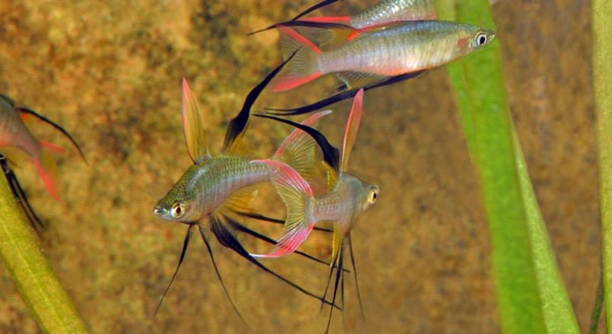
Threadfin are fascinating fish with delicate behaviors that become more vivid during mating. Observing their subtle changes in appearance can reveal a lot about their readiness and interactions in the aquatic environment.
During mating, threadfin exhibit seven distinct color changes, including shifts in fin, body, and stripe pigmentation. These transformations serve as visual cues for attraction, dominance, and spawning readiness, highlighting complex reproductive communication within the species.
Recognizing these color patterns helps enthusiasts and researchers better understand threadfin mating behavior and ensures proper observation in both natural and controlled habitats.
Fin Color Intensification
During mating, the threadfin’s fins often shift to more vivid hues. The dorsal and pectoral fins may become brighter or show subtle iridescence, signaling readiness to potential mates. These changes are not sudden but develop gradually as the fish engages in courtship behaviors. Observing these fin transformations provides insight into their reproductive strategies and social interactions. It’s fascinating to notice how even small movements or displays can trigger these color shifts. Males typically exhibit more pronounced changes than females, using their fins to attract attention. Lighting and water clarity can also influence how noticeable these changes are. For researchers and aquarists, tracking fin color intensity offers a reliable way to gauge mating phases. Over time, repeated observation helps identify patterns in behavior and interactions. The transformation is not purely aesthetic; it reflects physiological adjustments and hormonal shifts preparing the fish for spawning events. These changes are crucial for understanding the species’ mating dynamics.
Color changes in fins are often the first visible sign of mating activity.
Careful monitoring of fin colors allows for better observation of courtship and spawning timing. Patterns vary among individuals but follow a consistent overall trend. This provides useful cues for anyone studying or keeping threadfin in controlled settings.
Body Stripe Alteration
Stripe patterns along the threadfin’s body may lighten, darken, or even slightly shift during mating periods.
These stripe alterations serve as visual signals, enhancing communication between males and females. Changes in stripe contrast often correspond with heightened aggression or readiness to spawn.
Males usually display more dramatic stripe changes to assert dominance or attract mates, while females show subtler shifts indicating receptiveness. Stripe alterations are influenced by hormonal levels and environmental factors such as water temperature and light exposure. Tracking these shifts helps identify mating hierarchies and social interactions within a group. Observing multiple fish over time can reveal patterns in stripe modulation, providing clues about reproductive status and compatibility. Body stripe changes are temporary, reverting after the mating period ends, which underscores their role as a signaling mechanism rather than permanent markings. For those maintaining threadfin in aquariums, recognizing these patterns can prevent unnecessary stress or aggression by anticipating interactions and providing appropriate space. Documenting these changes consistently adds valuable data for breeding programs and behavioral studies.
Eye Color Shifts
Eye color in threadfin can change subtly during mating, often becoming more intense or reflective. These changes help signal alertness and readiness to other fish, enhancing communication during courtship.
The shift in eye color is linked to hormonal changes and heightened focus. Males often show brighter, more pronounced changes than females, using this visual cue to attract attention and assert presence. Eye intensity may fluctuate throughout the day, depending on activity levels and environmental factors such as lighting or water clarity. Observing these subtle shifts provides insight into mating behavior and readiness. Eye color changes are a reliable indicator for identifying periods of heightened reproductive activity, especially when paired with other visual cues like fin or stripe alterations. Tracking these shifts allows for a deeper understanding of social dynamics and interactions within groups of threadfin.
Eye color changes also aid in recognizing stress or excitement during interactions. Noticing these variations can help maintain optimal conditions for mating.
Body Flank Darkening
Body flank darkening occurs in males during mating, creating a contrast that highlights their fins and stripes. This change signals dominance and attractiveness to females.
The darkening is caused by increased pigment concentration in specialized skin cells. Males that show more pronounced darkening are often more successful in attracting mates and establishing territory. The change can happen gradually or in response to nearby rivals. Environmental factors like light intensity, tank background, or water conditions influence the visibility of these changes. Observing body flank darkening over time reveals patterns in hierarchy, pairing behavior, and readiness for spawning. Darkening is temporary, fading after the mating period, but serves as a crucial visual signal in reproductive communication. Tracking these changes helps in anticipating aggressive encounters or mating events in captive environments. Monitoring the process offers practical insight into behavioral rhythms and social interactions among threadfin.
Flank darkening directly correlates with mating success, providing a clear visual marker for identifying dominant males.
Gill Cover Brightening
Gill covers often become brighter during mating, signaling health and readiness. This visual cue is important for communication between males and females.
The intensity of gill cover brightening varies among individuals. Brighter covers typically indicate a higher level of reproductive activity or dominance in the group.
Tail Spot Appearance
Small spots may appear on the tail during mating, often more visible in males. These spots serve as additional visual signals to attract mates.
The tail spots are temporary and usually fade once mating activity decreases. They complement other color changes like fin brightening and body stripe shifts, enhancing overall communication and signaling reproductive readiness.
Head Region Coloration
The head area of threadfin can show subtle color changes during mating. These shifts help in signaling mood, dominance, or readiness to spawn.
FAQ
Why do threadfin change color during mating?
Threadfin change color as a visual signal to communicate readiness, dominance, and attraction. These shifts help males display strength and health, while females signal receptiveness. Color changes make interactions clearer in crowded or visually complex aquatic environments.
How long do the color changes last?
The duration varies depending on the fish’s sex, age, and hormonal levels. Males often maintain intense coloration longer, especially during active courtship. Females show subtler, shorter shifts that indicate temporary receptiveness. Environmental factors like light, water temperature, and stress can also influence how long colors remain visible.
Are these color changes permanent?
No, the changes are temporary and closely tied to reproductive cycles. Once the mating period ends or the fish’s hormonal levels stabilize, colors gradually return to their baseline state. Temporary pigmentation ensures that signals remain meaningful and do not confuse other fish outside mating periods.
Do all threadfin exhibit the same color changes?
While the general patterns are similar, intensity and timing vary among individuals. Some males may show more pronounced fin brightening or stripe changes, while others are subtler. Genetic differences, age, and environmental conditions contribute to this variability. Observing multiple fish can help identify consistent trends.
Can stress affect color changes?
Yes, stress can dull or suppress color changes. Poor water quality, aggressive tank mates, or sudden environmental shifts can reduce the intensity of fin, stripe, and eye coloration. Maintaining optimal conditions helps ensure natural mating signals are displayed clearly.
Do females also change color?
Females exhibit color shifts, but usually more subtly than males. Their changes signal receptiveness rather than dominance. Recognizing female patterns can be important for pairing and observing successful mating interactions.
Are color changes linked to spawning success?
Yes, vibrant color changes often indicate higher reproductive readiness and increase the chances of successful mating. Males with stronger coloration may attract more mates, while females showing clear receptiveness are more likely to participate in spawning events.
How can I observe these changes without disturbing the fish?
Use gentle lighting and avoid sudden movements near the tank. Observing from a distance or through a divider allows fish to behave naturally. Recording changes over time can reveal patterns without causing stress.
Do environmental factors influence these color changes?
Water clarity, temperature, and lighting all affect visibility and intensity. Clear, well-lit conditions make subtle shifts easier to see. Temperature fluctuations can also trigger or suppress color changes, making stable conditions important for accurate observation.
Can color changes indicate aggression as well as mating readiness?
Yes, males may darken or intensify fin and stripe colors to assert dominance. Recognizing these cues helps distinguish between mating displays and aggressive interactions. This understanding is crucial for maintaining harmony in shared tanks.
Are these color changes unique to threadfin?
While other fish exhibit reproductive color shifts, threadfin have distinct patterns including fin brightening, stripe alteration, eye color shifts, gill cover brightening, and tail spots. Documenting these patterns can improve identification and understanding of their behavior compared to other species.
How often do these changes occur?
Changes typically coincide with mating periods and courtship activity. Daily fluctuations are possible depending on feeding, light exposure, and social interactions. Monitoring over several weeks provides a clearer picture of natural rhythms.
Can I encourage natural color changes in captivity?
Yes, maintaining optimal water quality, proper diet, and stable environmental conditions supports natural hormonal cycles. Providing space and visual privacy also encourages natural displays without stress, allowing males and females to express their mating signals fully.
Are there signs to distinguish mating colors from illness?
Healthy color changes are symmetrical and correspond with behavioral cues like courtship displays. Dull, uneven, or patchy coloration accompanied by lethargy or loss of appetite may indicate illness rather than reproductive signaling. Observing behavior alongside colors helps differentiate the two.
Do juveniles show any of these color changes?
Juveniles typically show minimal or no color shifts, as these changes are linked to sexual maturity. Observing juveniles over time can help determine when they reach reproductive readiness and begin exhibiting mating-specific coloration.
Can color changes be used to identify individual fish?
Yes, variations in intensity, pattern, and timing can help distinguish individuals. Observing multiple cues together—fin, stripes, eye, and tail spots—provides a reliable way to track behavior and interactions across a group of threadfin.
Is it possible to misinterpret these color changes?
Without context, subtle shifts might be confused with stress, illness, or environmental effects. Careful observation of multiple signs and behavior ensures accurate interpretation of mating-related color changes.
Do these color changes affect interactions with other species?
Yes, other fish may respond to bright colors with curiosity, avoidance, or aggression. Understanding threadfin signaling can help manage multi-species tanks to minimize conflict and support natural behavior.
How can I document these changes effectively?
Use photos, notes, or short videos over time to capture gradual shifts. Recording time of day, water conditions, and behaviors alongside coloration provides a comprehensive record for analysis and reference.
Can observing these changes improve breeding success?
Absolutely. Recognizing mating signals allows for timely pairing and proper tank management, increasing the likelihood of successful reproduction. Accurate observation supports healthier, more natural interactions among threadfin during mating periods.
How detailed should observations be?
Detailed tracking of fin brightness, stripe contrast, eye intensity, tail spots, and gill cover is ideal. Combining color data with behavior and environmental factors provides the clearest understanding of reproductive readiness and social dynamics.
Observing threadfin during mating provides a unique glimpse into their natural behaviors and communication methods. Color changes are central to understanding these interactions, as each shift carries a clear purpose. From fin brightening to subtle tail spots, every adjustment in hue or pattern signals readiness, dominance, or receptiveness. Watching these transformations can help identify which fish are actively participating in courtship and which are more passive. It also highlights the complexity of reproductive behavior in a species that might otherwise seem simple at first glance. Paying attention to these changes allows for a deeper appreciation of the subtle strategies threadfin use to communicate visually, and it shows how intricate their social interactions really are.
For those keeping threadfin in controlled environments, such as aquariums, recognizing and interpreting color changes is particularly useful. Maintaining proper water quality, stable temperatures, and good lighting supports natural behavior and ensures that these visual cues are expressed clearly. Observing these changes over time allows caretakers to anticipate courtship and mating events, helping prevent unnecessary stress or conflict among fish. Additionally, understanding these patterns aids in breeding programs by identifying the most active and receptive individuals. Consistently monitoring the fish and recording color shifts alongside behavior provides a practical approach to managing threadfin while respecting their natural instincts. Over time, this attention to detail can reveal patterns that might otherwise go unnoticed, such as daily or seasonal fluctuations in coloration.
Color changes in threadfin are more than just a visual spectacle; they are essential for communication and reproductive success. Recognizing the signals can improve interactions in multi-fish tanks and enhance the overall care of the species. These transformations are temporary, responding to hormonal cycles, environmental factors, and social dynamics, which makes understanding them even more valuable. Observers who take the time to notice subtle differences in stripes, fin intensity, eye color, gill cover brightness, and tail spots gain insight into the fish’s health and behavior. Paying attention to these cues can prevent misinterpretation of stress or illness and allows for more informed decisions when managing their environment. Ultimately, learning to read these color signals enriches the experience of keeping threadfin and provides a clearer understanding of their complex and fascinating mating behavior.

Hello,
If you enjoy the content that we create, please consider saying a "Thank You!" by leaving a tip.
Every little bit helps us continue crafting quality advice that supports the health, happiness, and well-being of pets around the world, for pets of all shapes, sizes, and species.
We really appreciate the kindness and support that you show us!