
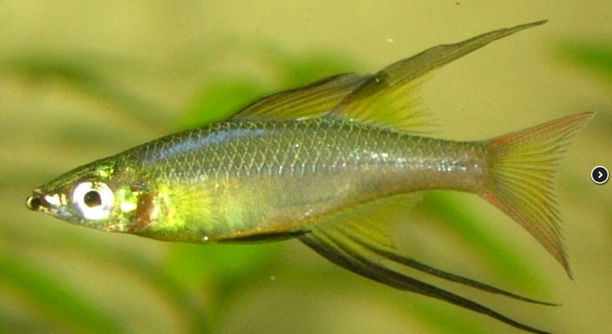
Do your threadfins sometimes seem stressed when introduced to a new tank? Moving to a new home can be overwhelming for fish, even when the environment seems perfect. Proper care helps them adjust more comfortably and quickly.
Threadfins settle best when their new habitat closely mimics their natural environment. Maintaining consistent water temperature, proper salinity, and clean conditions reduces stress. Providing hiding spots, gentle water flow, and a balanced diet supports their adaptation and long-term health.
Following a few simple steps can make a significant difference in helping your threadfins feel secure and thrive in their new environment. This guidance ensures a smoother transition for both fish and owner.
Creating a Comfortable Environment
Setting up the tank correctly is the first step in helping threadfins adjust. They thrive in stable water conditions, so it’s important to maintain proper temperature, salinity, and pH levels. Hiding spots, such as rocks, plants, or small caves, give them a sense of security. Gentle water flow mimics their natural currents, reducing stress and encouraging natural behavior. Lighting should not be too harsh; moderate lighting helps them feel safe. Regular cleaning keeps harmful bacteria and debris at bay, which prevents illness. Consistent feeding routines also help threadfins settle, as sudden changes can increase anxiety. Observing their behavior during the first days can show whether adjustments are needed. Any signs of stress, such as erratic swimming or loss of appetite, should prompt immediate attention to the environment. Proper care early on ensures threadfins are healthy and adaptable, forming the foundation for long-term well-being in their new home.
Maintaining a clean and stable environment keeps threadfins healthy and reduces their stress, helping them thrive over time.
Consistency in tank conditions, regular monitoring, and thoughtful placement of hiding spots allows threadfins to explore and feel secure. Observing behavior daily ensures they adapt without complications. Adjustments to temperature, water flow, or tank décor can be made gradually. Feeding on a consistent schedule encourages regular activity and supports their immune system. Over time, they become more confident in their surroundings, swimming freely and interacting naturally. Avoid overcrowding to reduce territorial disputes. Using gentle filtration and careful water changes keeps the environment stable. By paying attention to these details, you create a safe and comfortable home that encourages natural behavior and reduces stress. Threadfins that feel secure are less likely to develop health problems, allowing you to enjoy their graceful movements and vibrant appearance while they thrive in their new habitat.
Introducing Them Slowly
Gradual introduction to the tank helps threadfins adapt without shock. Sudden changes can be harmful to their health.
Adding new threadfins should be done slowly, allowing them to explore and become familiar with the surroundings. Keep interactions minimal at first. Monitor their reactions carefully, separating any aggressive fish. The acclimation process may take several days, during which water parameters must remain stable. Avoid overcrowding and introduce compatible species to reduce stress. Observing feeding habits ensures they are eating well. Small adjustments in lighting or décor can help them feel more comfortable. By being patient and attentive, you provide threadfins with a smooth adaptation period, encouraging healthy behavior and confidence in their new home. Gradual introduction prevents illness, reduces stress, and sets the stage for long-term happiness. Proper acclimation ensures that threadfins maintain their natural activity levels, swim confidently, and display their natural coloration. Over time, this careful approach strengthens their overall health and well-being.
Proper Nutrition
Threadfins need a balanced diet to stay healthy and adapt to a new home. Feeding high-quality pellets or live food regularly supports their growth and energy. Avoid overfeeding, as leftover food can pollute the tank.
Providing varied food keeps threadfins healthy and encourages natural feeding behaviors. Incorporate live or frozen options like small shrimp or brine shrimp alongside quality pellets. This variety prevents nutritional deficiencies and keeps them engaged. Feed small amounts multiple times a day rather than one large portion to avoid stress and water contamination. Observing their eating habits helps you adjust portions and ensure all fish receive proper nutrition. Consistent feeding routines make them more comfortable in their environment, reinforcing a sense of security and normalcy.
Supplements like vitamins can be added occasionally to strengthen immunity, especially during adaptation periods. Fresh or frozen food also provides essential nutrients that enhance color and energy. Ensuring the diet is appropriate for their size and species prevents health issues like stunted growth or weakened immune systems. Careful feeding contributes directly to their overall well-being and smooth adjustment to the new tank. A balanced diet also reduces aggressive competition among fish, as they remain satisfied and active.
Observing Behavior
Watching threadfins closely helps detect stress early and prevent health problems. Noting swimming patterns, appetite, and interactions is essential.
Behavioral observation allows you to catch issues before they become serious. Stress can appear as erratic swimming, hiding excessively, or refusing food. Monitoring interactions with other tank mates ensures compatibility and prevents conflicts. Record any changes over several days to identify patterns, and adjust tank conditions if needed. Observing at different times of the day helps detect subtle problems that may only appear under certain conditions. Regular attention to behavior provides insight into how well they are settling.
Behavior monitoring also informs feeding adjustments and environmental tweaks. For example, noticing lethargy may indicate water quality issues, temperature stress, or insufficient hiding spaces. Changes in coloration can signal illness or poor nutrition, prompting early intervention. Observing social behavior ensures they are not bullied and are interacting normally with other fish. By paying close attention, you can create an environment that promotes health and natural activity. This vigilance reduces mortality risks and ensures threadfins feel secure and confident. Regular observation strengthens your ability to respond to their needs efficiently.
Tank Maintenance
Regular tank maintenance keeps threadfins healthy and reduces stress. Cleaning filters, removing debris, and performing partial water changes ensures water quality remains stable and safe.
Monitoring water parameters daily prevents sudden changes that can harm fish. Keeping the tank clean supports natural behavior and long-term health.
Consistent Water Conditions
Stable water conditions are essential for threadfins to adjust smoothly. Sudden shifts in temperature, pH, or salinity can stress them and lead to illness. Maintaining consistent parameters helps them stay healthy, swim confidently, and feed properly. A stable environment encourages natural behavior and reduces the risk of disease.
Gentle Handling
Handling threadfins should be minimized to prevent stress. Use nets carefully and avoid sudden movements near the tank to keep them calm.
FAQ
How often should I feed my threadfins?
Threadfins do best with small, frequent meals rather than one large feeding. Feeding them two to three times a day helps maintain energy and reduces leftover food in the tank. A mix of high-quality pellets and occasional live or frozen food keeps them healthy. Avoid overfeeding, as it can affect water quality and stress the fish. Observing their appetite allows you to adjust portions for each individual.
What water temperature is ideal for threadfins?
Threadfins prefer water that mimics their natural environment. Keeping the temperature stable between 75°F and 82°F helps them stay active and healthy. Sudden changes in temperature can cause stress, reduce appetite, and weaken their immune system. Using a reliable heater and thermometer ensures consistency, and regular monitoring prevents fluctuations that could harm them. Gradual changes are safer if adjustments are needed.
Can threadfins live with other fish?
Yes, but compatibility is important. Threadfins are generally peaceful but may become stressed if housed with aggressive or overly territorial species. Choose tank mates of similar size and temperament. Avoid overcrowding to reduce competition for food and hiding spots. Observing their interactions daily helps prevent conflicts, and providing plenty of space and hiding areas ensures they feel secure. Proper planning supports a harmonious tank environment.
How do I know if my threadfins are stressed?
Signs of stress include hiding excessively, rapid breathing, loss of appetite, and erratic swimming. Color fading or clamped fins can also indicate discomfort. Monitoring these behaviors helps you catch issues early. Stress often results from poor water quality, sudden environmental changes, or aggressive tank mates. Adjusting conditions promptly can restore their well-being and encourage normal activity.
How often should I clean the tank?
Partial water changes of 20–30% weekly are recommended. Cleaning the filter and removing debris prevents harmful bacteria buildup. Avoid full water changes too often, as sudden shifts in water chemistry can stress threadfins. Consistent maintenance keeps the environment stable, reducing the risk of disease and promoting natural behavior. Observing water clarity and quality helps determine if more frequent cleaning is needed.
Do threadfins need hiding spots?
Yes, hiding spots are essential. Rocks, plants, or small caves give threadfins places to retreat when stressed. These areas reduce anxiety and encourage natural behaviors, such as exploring and resting. Position hiding spots throughout the tank to give multiple options. Providing variety helps them feel safe and confident, especially during acclimation or when new tank mates are introduced.
What should I do if a threadfin refuses to eat?
Refusal to eat often signals stress or illness. Check water quality, temperature, and tank conditions first. Offering a variety of foods, including live or frozen options, can stimulate appetite. Observing behavior helps identify if aggression or environmental changes are affecting feeding. If the issue persists, consider consulting an aquatic veterinarian. Prompt attention prevents malnutrition and supports recovery.
How long does it take for threadfins to adjust to a new tank?
Adjustment time varies but usually takes one to two weeks. During this period, they may hide, swim cautiously, or eat less. Maintaining consistent water conditions, providing hiding spots, and offering proper nutrition accelerates adaptation. Observing behavior daily ensures they are settling without signs of stress or illness. Patience during this stage is key to long-term health.
Are supplements necessary for threadfins?
Supplements are not always required if their diet is balanced, but occasional vitamins can support immunity, especially during stress or acclimation. Providing high-quality food with natural nutrients usually meets their needs. Using supplements sparingly prevents over-supplementation and maintains overall health, color, and energy levels.
How can I reduce aggression among tank mates?
Avoid overcrowding and choose compatible species of similar size and temperament. Providing hiding spots and open swimming areas reduces territorial disputes. Observing interactions and separating aggressive individuals if necessary keeps stress low. Proper tank layout and careful species selection create a peaceful environment for threadfins to thrive.
Final Thoughts
Helping threadfins settle into a new home requires patience, consistency, and attention to detail. These fish are sensitive to changes in their environment, and sudden adjustments can cause stress or even health problems. Maintaining stable water conditions, such as temperature, salinity, and pH, is essential for their comfort. Clean water not only prevents disease but also encourages natural behavior, making your fish feel secure. Providing hiding spots and gentle water flow gives them the ability to explore safely and retreat when needed. Observing their swimming patterns and feeding habits allows you to notice early signs of stress, illness, or incompatibility with other tank mates. Proper tank maintenance, combined with careful observation, sets the foundation for a healthy and thriving aquarium.
Nutrition plays a key role in helping threadfins adjust and remain healthy. A balanced diet that includes high-quality pellets, live food, and occasional frozen options supports their energy, growth, and immunity. Feeding small amounts multiple times a day ensures that all fish get the right nutrition while reducing leftover food that can affect water quality. Introducing supplements occasionally can strengthen their immune system, especially during the first days in a new environment. Watching how they respond to food also helps gauge their health and comfort. A consistent feeding routine helps threadfins develop a sense of stability, making them more confident and less prone to stress. Over time, they become more active, display brighter colors, and interact naturally with other tank mates.
Creating a calm and safe environment benefits both the fish and the person caring for them. Gradual introductions, minimizing handling, and monitoring behavior are all important steps in the settling process. Threadfins adapt best when they feel secure, have access to proper nutrition, and are not exposed to sudden environmental changes. Regular maintenance, careful observation, and thoughtful planning reduce stress and prevent common problems. By taking these steps seriously, you give your threadfins the best chance to thrive and display their natural beauty and behavior. A well-settled tank creates a harmonious space where fish are active, healthy, and confident, making the effort of preparation and care worth every moment. With patience and dedication, you can ensure your threadfins enjoy a long, comfortable, and healthy life in their new home.

Hello,
If you enjoy the content that we create, please consider saying a "Thank You!" by leaving a tip.
Every little bit helps us continue crafting quality advice that supports the health, happiness, and well-being of pets around the world, for pets of all shapes, sizes, and species.
We really appreciate the kindness and support that you show us!