
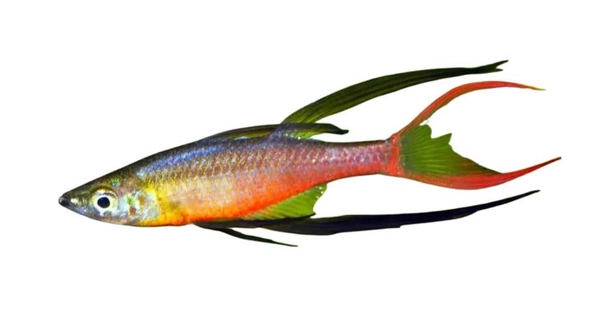
Do you ever notice your threadfin rainbowfish swimming quickly around the tank during feeding times? These small, colorful fish have lively personalities and often show distinct behaviors when food is introduced into their environment.
Threadfin rainbowfish do exhibit awareness of competition for food. They adjust their swimming speed, positioning, and feeding intensity when other fish are present, demonstrating behavioral responses that suggest recognition of rivals and attempts to secure resources efficiently.
Observing these patterns can give you better insight into their social interactions and help improve feeding routines for all tank inhabitants.
How Threadfin Rainbowfish Compete During Feeding
Threadfin rainbowfish show interesting behaviors when it comes to feeding. They often swim quickly toward food as soon as it is added, trying to claim it before others. Some will hover near the surface while others chase small floating pieces. The larger fish tend to dominate, pushing smaller ones aside or darting in at the last moment to grab food. Over time, these behaviors become predictable, and you may notice certain fish consistently getting more than others. Watching these patterns can be fascinating because it reveals their natural instincts for survival and resource management. These interactions aren’t aggressive in a harmful way, but they do establish a pecking order among your fish. Feeding multiple small portions at once or spreading food across the tank can help balance the situation. Observing their reactions can teach you a lot about their social structure and how they prioritize feeding when competition is present.
Adjusting feeding practices can reduce stress and ensure all fish receive adequate nutrition during mealtimes.
Some rainbowfish may retreat temporarily if they feel outcompeted. Offering food in several locations helps minimize tension and encourages more equal access, keeping the tank calmer overall.
Signs of Stress From Competition
Excessive chasing or hiding during feeding may indicate stress among fish.
When competition becomes intense, smaller or less dominant fish may eat less and show signs of stress. You might notice reduced activity, hiding, or slower growth. Constant competition for food can impact their immune system, making them more vulnerable to disease. Providing multiple feeding points and observing behavior regularly can help prevent these issues. It’s important to recognize subtle cues like hesitancy at feeding time or unusual swimming patterns. Some fish may become more aggressive while others withdraw, which changes social dynamics. Adjusting the feeding routine and monitoring interactions ensures that all fish maintain healthy behaviors. Keeping stress low is key to promoting growth and vitality. Understanding these patterns allows you to provide a more balanced environment where every fish has a fair chance at food. Thoughtful observation and small adjustments in feeding strategy can greatly improve the well-being of your aquarium community.
Feeding Techniques to Minimize Competition
Offering smaller portions multiple times a day can prevent dominant fish from monopolizing food. Spreading food across the tank allows all fish to access it more easily, reducing stress and promoting healthier growth among your rainbowfish.
Rotating feeding spots encourages movement and ensures shy fish get their share. Some fish may still attempt to rush certain areas, but with consistent practice, they learn to spread out. Using sinking pellets along with floating flakes helps target different swimming levels, giving every fish a chance. Observation is key—adjusting techniques based on their behavior ensures all fish eat well without constant chasing or fighting over meals.
Watching your fish adapt to these methods can be satisfying. Over time, you notice calmer interactions and more even feeding, which benefits the overall health of your aquarium. It becomes clear which methods work best for your specific group of rainbowfish, and small changes can make a big difference.
Observing Social Behavior During Feeding
Rainbowfish show clear social hierarchies when competing for food.
Dominant fish often lead the group, taking the best positions near food sources while others hang back. Submissive fish may wait for scraps or feed in less crowded areas, minimizing conflict. These patterns are consistent, showing natural instincts in play, and careful observation reveals how each fish navigates competition.
Tracking these behaviors over time helps identify which fish need extra attention or space during feeding. Some fish may gradually become more confident, moving up in the hierarchy, while others remain cautious. Feeding adjustments, like adding more dispersed food, encourage balanced access. Understanding these dynamics helps maintain a peaceful tank and supports overall health. Watching the subtle cues—tail flicks, quick dashes, or hesitation—provides insight into their interactions, ensuring feeding routines meet both nutritional and social needs for all fish.
Ideal Tank Setup for Feeding
Providing plenty of swimming space reduces competition during feeding. Adding plants and decorations creates hiding spots where shy fish can eat safely without being chased.
Using flat surfaces or shallow areas for food helps distribute it evenly. This ensures smaller fish can access meals without interference from larger or more dominant fish.
Choosing the Right Food
Variety in diet is important. Mixing flakes, pellets, and live or frozen food ensures all fish receive balanced nutrition. Some fish prefer floating food, while others feed near the bottom. Providing multiple types caters to different feeding preferences and reduces competition. Consistent feeding times also help fish anticipate meals and reduce stress. Observing which foods are consumed quickly and which are ignored allows for adjustments, ensuring every fish receives adequate nutrition. Overfeeding can cause water quality issues, so monitoring amounts is crucial. With proper planning, feeding becomes calmer, and all fish can thrive in a balanced environment.
Monitoring Fish Behavior
Keeping an eye on how fish react during feeding shows which ones may be stressed or shy. Regular observation helps you adjust feeding strategies effectively.
FAQ
How can I tell if my threadfin rainbowfish is stressed during feeding?
Signs of stress include hiding, erratic swimming, and hesitation to approach food. Submissive fish may stay at the edges of the tank or feed more slowly. Observing these behaviors over time allows you to adjust feeding techniques to reduce stress and ensure all fish eat properly.
Is it normal for dominant fish to eat more than others?
Yes, it is common. Dominant fish often claim the best positions near food sources. However, consistently uneven feeding can affect the health of shy or smaller fish. Providing multiple feeding points or spreading food helps balance access for all tank inhabitants.
How often should I feed my rainbowfish?
Feeding small portions two to three times a day works well. Frequent, smaller meals reduce competition and allow all fish to eat without being rushed. Avoid overfeeding, as leftover food can pollute the tank and lead to water quality issues.
What types of food work best to minimize competition?
A combination of floating flakes, sinking pellets, and live or frozen foods caters to different feeding levels. Floating flakes attract surface feeders, while sinking pellets reach mid and bottom swimmers. This distribution prevents dominant fish from monopolizing food.
Can adding plants and decorations help during feeding?
Yes. Hiding spots allow shy fish to eat without being chased. Flat surfaces or shallow areas for food also encourage more even access. A well-decorated tank reduces stress and promotes natural behavior during feeding times.
Should I monitor my fish during every feeding?
Regular observation is helpful, especially when introducing new feeding techniques. Noticing hesitation, chasing, or avoidance allows you to adjust portions, feeding spots, or timing. Monitoring ensures all fish maintain healthy growth and social interactions remain balanced.
What can I do if smaller fish are still not eating?
Offer food in multiple areas, use slow-sinking pellets, or temporarily feed shy fish separately. Ensuring each fish receives adequate nutrition prevents malnourishment and reduces stress in the tank environment. Patience is important while they adapt to changes.
Can competition for food affect long-term health?
Yes. Persistent stress or uneven feeding can lead to slower growth, weakened immune systems, or illness. Managing feeding routines, tank layout, and portion distribution supports the overall health and longevity of all rainbowfish in your care.
Are there behavioral signs that competition is decreasing?
Calmer swimming patterns, reduced chasing, and more even distribution around the tank indicate less competition. When shy fish start feeding confidently alongside dominant fish, it shows that your adjustments are working and the feeding environment is balanced.
How do I know which feeding strategy works best?
Experiment with portion sizes, food types, and distribution methods while observing fish behavior. Over time, you’ll see which strategies allow all fish to eat calmly and get proper nutrition. Small changes can significantly improve feeding efficiency and reduce stress.
Is it necessary to adjust feeding techniques as fish grow?
Yes. As rainbowfish grow, dominant behaviors may change. Larger fish may claim more space, and smaller ones may need additional hiding areas or feeding points. Adjusting techniques ensures all fish continue to eat adequately and maintain healthy social interactions.
Can competition ever be completely eliminated?
Not entirely, as it is a natural behavior. However, strategic feeding, multiple food types, and thoughtful tank setup can minimize conflict, reduce stress, and create a more balanced environment where every fish has access to food.
How does tank size affect feeding competition?
Larger tanks provide more space for fish to spread out, reducing direct competition. In smaller tanks, overcrowding can intensify competition, making multiple feeding spots and careful portioning even more important to ensure fair access for all fish.
Should I separate aggressive fish during feeding?
If one fish consistently prevents others from eating, temporary separation can help. Using a breeding box or divider allows shy fish to feed safely until dominance balances out. This ensures all fish remain healthy without long-term stress or malnutrition.
How do I maintain water quality while feeding multiple times a day?
Feed only the amount that will be consumed within a few minutes. Remove uneaten food promptly. Regular water changes and monitoring of filtration systems help maintain a healthy environment while supporting frequent, balanced feedings.
What is the best approach for introducing new foods?
Introduce new foods gradually alongside familiar options. Observing how fish respond helps prevent waste and ensures all individuals accept the new diet. Mixing food types reduces competition and encourages even distribution among different fish levels in the tank.
Can feeding at consistent times reduce competition?
Yes. Predictable feeding times allow fish to anticipate meals, reducing frantic behavior. Consistency helps establish a calmer feeding routine, minimizes stress, and encourages all fish to eat in a more balanced manner.
How important is observation for long-term success?
Very important. Daily attention to feeding behavior, food consumption, and fish interactions allows you to make small adjustments before issues become serious. Consistent observation ensures both dominant and shy fish remain healthy, stress-free, and properly nourished.
What adjustments work best for mixed-species tanks?
In mixed tanks, differences in size, speed, and feeding habits can intensify competition. Using multiple feeding points, varied food types, and careful monitoring ensures each species receives adequate nutrition while minimizing aggressive encounters. Adjust strategies based on observed behavior.
How can I tell if my strategies are effective?
Balanced feeding, calmer swimming patterns, and reduced chasing are clear indicators. When shy fish start feeding confidently and dominant fish do not overly monopolize food, your methods are successful. Tracking growth, health, and behavior over time confirms effectiveness.
What role does tank environment play in feeding competition?
Environment directly influences competition. Plants, decorations, and open swimming space create zones for feeding and hiding. Thoughtful layout reduces stress, allows shy fish access to food, and helps maintain a natural balance during mealtime.
How often should I reevaluate feeding strategies?
Regularly, especially after changes in tank size, fish growth, or introduction of new individuals. Observing behavior and adjusting food types, portions, and feeding spots ensures all fish continue to thrive and competition remains manageable.
Are there tools that help with feeding fairness?
Yes. Slow feeders, floating rings, or feeding tongs can direct food more evenly. These tools give shy fish a chance to eat without constant interference and help reduce aggressive behaviors in the tank.
Can competition ever benefit rainbowfish?
Mild competition can encourage natural foraging instincts and exercise. It becomes harmful only when dominant fish consistently prevent others from accessing food. Proper management balances these instincts without compromising health or well-being.
How do I know when to change feeding locations?
If certain areas consistently result in dominant fish monopolizing food or shy fish hiding, redistribute food to multiple spots. Adjusting feeding zones helps ensure equitable access and reduces stress during meals.
Is it necessary to adjust feeding for seasonal changes?
Yes. Temperature and activity levels affect appetite. During warmer periods, fish may eat more, while colder months may reduce intake. Monitoring behavior and adjusting portions and frequency maintains balanced nutrition year-round.
How can I track individual fish feeding habits?
Observe each fish during feeding sessions and take notes on who eats first, who hesitates, and who misses meals. Over time, patterns emerge, allowing targeted adjustments to ensure all fish receive adequate nutrition and minimal stress.
What’s the easiest way to balance feeding in a large school of rainbowfish?
Multiple feeding points, varied food types, and consistent observation are key. Encouraging even distribution across the tank reduces aggressive behavior and ensures all fish get enough to eat, promoting healthier growth and calmer social interactions.
How do I handle new fish joining the tank?
Introduce new fish gradually, offering extra feeding points to prevent existing fish from monopolizing food. Monitor interactions closely during meals to ensure the newcomer can eat without excessive stress or chasing. This helps integrate them smoothly into the established social hierarchy.
Can feeding competition affect breeding behavior?
Yes. Stressed or underfed fish may show reduced breeding activity. Ensuring all fish have access to food supports health, encourages natural mating behaviors, and increases the likelihood of successful spawning. Proper nutrition is essential for reproductive readiness.
How important is food type variety for social balance?
Variety reduces direct competition because different fish prefer different food types and levels. Offering flakes, pellets, and live or frozen food simultaneously creates a balanced feeding environment, minimizes aggressive behavior, and ensures all fish meet their nutritional needs.
What adjustments help shy fish eat more confidently?
Feed in quieter areas or near hiding spots, use slow-sinking pellets, and avoid sudden movements during feeding. Over time, shy fish learn to access food safely, reducing stress and improving overall health. Patience and consistency are key for these adjustments.
Can feeding multiple times a day prevent dominant fish from taking all the food?
Yes. Frequent small meals reduce the urgency for dominant fish to rush, giving smaller or shy fish more opportunities to eat. This method helps maintain fair access and keeps the tank environment calmer and healthier.
How do I know if feeding portions are correct?
All food should be eaten within a few minutes. Uneaten food indicates overfeeding, while leftover food scarcity may signal insufficient portions. Adjusting based on observation ensures proper nutrition without polluting the tank or encouraging competition.
Is it helpful to feed by hand?
Hand feeding can reduce competition by directing food to specific fish or locations. It allows shy fish to eat safely and strengthens observation of individual behaviors, helping maintain a balanced feeding environment.
How do water conditions affect feeding behavior?
Poor water quality can stress fish, reduce appetite, and intensify competition. Maintaining proper filtration, temperature, and regular water changes ensures fish remain healthy, calm, and willing to eat at feeding times.
What are signs that my feeding strategy is causing stress?
Frequent chasing, hiding, or refusal to eat indicate problems. Uneven growth or sudden changes in behavior also suggest stress. Adjust portions, feeding points, or timing to reduce competition and promote healthier, calmer feeding sessions.
How can I maintain fairness in a mixed-age tank?
Offer multiple feeding locations and adjust portions for smaller or younger fish. Separating highly dominant adults temporarily or feeding them in different areas ensures that juveniles have a fair chance to eat and grow.
Do some fish never adapt to competition?
Occasionally, extremely shy individuals may struggle. Extra hiding spots, slow-sinking food, and careful observation can help, but some fish always require more attention to ensure they receive adequate nutrition. Patience is essential.
Can rearranging tank decorations reduce competition?
Yes. Changing layouts can create new hiding spots and spread feeding areas, encouraging fish to explore different zones and reducing dominant fish from monopolizing food consistently.
Is it better to feed in the morning or evening?
Consistency is more important than timing. Feeding at the same time daily helps fish anticipate meals, reducing frantic behavior and improving fairness in food distribution, regardless of morning or evening schedules.
How do I prevent aggression during feeding?
Multiple feeding points, varied food types, and sufficient tank space minimize chasing. Observing behavior and adjusting methods ensures dominant fish don’t overtake shy individuals, promoting calm and balanced meals for all fish.
What’s the best way to introduce new feeding tools?
Introduce slowly alongside regular methods, observe reactions, and adjust placement. Gradual changes prevent sudden stress, help all fish adapt, and maintain equitable access to food.
Can feeding strategies change over time?
Yes. Fish growth, social dynamics, and tank conditions evolve. Periodic observation and adjustments ensure all individuals continue to receive proper nutrition without undue stress or competition.
Is feeding competition less noticeable in larger tanks?
Generally, yes. More space reduces direct interactions, allowing shy fish to find food safely. However, multiple feeding points and observation remain important to ensure all fish thrive and competition stays manageable.
How do I know when to change food types?
Monitor consumption patterns. If certain foods are ignored or consumed unevenly, introducing alternatives helps balance access, ensures proper nutrition, and reduces aggressive behavior during feeding sessions.
Are live foods more competitive than pellets or flakes?
Live foods often trigger faster, more aggressive feeding behavior. Combining them with flakes or pellets and distributing food widely helps moderate competition while still providing enrichment and nutrition.
Can feeding in different tank levels help?
Yes. Surface, mid-water, and bottom feeders benefit from food placed at their preferred level. This separation reduces direct competition and allows all fish to access food comfortably.
How long should a feeding session last?
A few minutes is sufficient. Prolonged feeding encourages chasing and waste accumulation. Observing fish and stopping once food is eaten prevents unnecessary competition and maintains water quality.
What is the most common mistake in feeding rainbowfish?
Overfeeding in one spot and ignoring shy individuals. This allows dominant fish to monopolize food and increases stress. Spreading food, offering multiple types, and monitoring behavior corrects this problem effectively.
Can stress from feeding competition affect coloration?
Yes. Stressed or underfed fish may show duller colors. Ensuring fair access, proper nutrition, and low-stress feeding routines helps maintain vibrant, healthy coloration.
Do all fish compete equally?
No. Personality, size, and social rank influence competition. Some are naturally dominant, while others are more cautious. Observing these tendencies allows adjustments to feeding methods to ensure fairness.
How often should I change feeding spots?
Occasionally, when dominant fish consistently monopolize certain areas. Small changes prevent habitual dominance, encourage exploration, and give shy fish better access to meals.
Can competition affect swimming patterns outside feeding?
Yes. Overly dominant behavior or stress can influence normal swimming and interaction patterns. Maintaining balanced feeding and monitoring behavior ensures overall tank harmony.
Is it necessary to separate fish by size?
Only if competition severely limits access to food. Otherwise, multiple feeding points and careful observation usually suffice to balance access for all sizes without separation.
How do I track improvement in feeding behavior?
Observe calmer interactions, more even food consumption, and reduced hiding. Documenting behavior over time shows progress and guides ongoing adjustments to maintain a balanced, low-stress feeding environment.
Can competition ever cause injury?
Usually, it is limited to chasing or minor bumps. Severe aggression is rare in healthy, well-managed tanks with sufficient space, feeding points, and hiding areas.
What should I do if one fish consistently dominates?
Consider temporary separation during feeding, increase food spread, and monitor behavior closely. Adjusting strategies prevents stress and ensures all fish eat adequately while maintaining a healthy social dynamic.
Does competition decrease as fish age?
Sometimes. Social hierarchies stabilize, and fish may become less aggressive. However, monitoring and feeding adjustments remain important to ensure all individuals receive sufficient nutrition.
Are frozen or live foods better for balancing competition?
Both can work if distributed properly. Frozen foods allow easier portioning and even distribution, while live foods can enrich the tank but may increase competitive behavior if not managed carefully.
Can competition affect fish growth rates?
Yes. Fish that eat less due to being outcompeted may grow more slowly. Ensuring equal access to food supports healthy development and long-term vitality.
Is it normal for some fish to eat more than others?
Yes, but significant disparities indicate a need for adjustments. Balanced feeding strategies and multiple food locations help maintain fairness and prevent health issues among less dominant fish.
How do I maintain feeding balance with aggressive feeders?
Use multiple feeding points, slow feeders, and careful observation. Temporarily separating highly aggressive individuals ensures others can eat, maintaining equitable access and reducing stress for all fish.
Does feeding competition influence social learning?
Yes. Fish observe and adapt to others’ behaviors. Shy fish may learn optimal feeding strategies over time, and dominant fish establish routines that influence the group dynamic.
What is the safest way to introduce new feeding routines?
Gradually, with observation. Maintain familiar foods while slowly adding new methods. Monitor behavior to ensure all fish adjust without increased stress or competition.
How important is consistency in feeding strategies?
Very important. Predictable routines reduce stress, prevent frantic competition, and help all fish anticipate meals, promoting calmer, more balanced feeding behavior.
Can temperature changes influence feeding competition?
Yes. Warmer water increases activity and appetite, potentially intensifying competition. Cooler temperatures may reduce feeding urgency. Adjust portions and frequency to match environmental conditions.
How do I encourage less active fish to eat?
Place food near hiding spots, use slow-sinking pellets, or feed smaller portions in quieter areas. Observation and patience help shy fish access food safely and reduce stress.
Are some rainbowfish naturally more competitive?
Yes. Individual personality, size, and social rank affect feeding behavior. Recognizing these traits allows targeted adjustments to ensure all fish have fair access to food.
How can I prevent stress from affecting breeding?
Balanced feeding, minimal competition, and proper tank layout support healthy nutrition and calm behavior, creating conditions conducive to natural mating and spawning.
Should I adjust feeding methods for tank mates with different speeds?
Yes. Fast swimmers may dominate, so distributing food widely and feeding slower fish in quiet areas ensures equitable access. Observation helps fine-tune methods.
What are the long-term benefits of managing competition effectively?
Reduced stress, healthier growth, balanced nutrition, calmer social interactions, and better breeding success all result from proper feeding management and observation.
How do I know if my feeding routine needs improvement?
Unequal food access, persistent chasing, or hiding indicate adjustments are necessary. Regular observation and small changes maintain fairness, health, and overall tank harmony.
Can changing food size help reduce competition?
Yes. Smaller pellets allow shy fish to eat alongside dominant individuals, while varying sizes helps distribute food more evenly and reduces aggressive behavior.
Is it better to feed in different tank zones?
Yes. Multiple zones encourage even distribution, allow shy fish to access food safely, and reduce monopolization by dominant individuals, creating a calmer feeding environment.
How do I balance feeding for both surface and bottom feeders?
Use floating flakes for surface feeders and sinking pellets for bottom dwellers. Spreading food across levels prevents competition and ensures all fish eat according to their preferred feeding habits.
Can observation alone improve feeding outcomes?
Observation is critical. Watching interactions, feeding order, and behavior provides insight for adjusting food types, portions, and locations, ensuring fair access and reducing stress for all fish.
Should feeding frequency change as fish grow?
Yes. Growth affects appetite, dominance, and competition. Adjusting portion sizes and frequency ensures adequate nutrition while minimizing stress and aggressive behavior during feeding sessions.
How can I tell if my interventions are working?
Reduced chasing, calmer feeding, improved growth, and consistent access for all fish show that your adjustments are effective, maintaining balanced nutrition and social stability.
Can feeding competition cause long-term behavioral changes?
Yes. Persistent stress can affect confidence, social interactions, and growth. Proper management prevents lasting negative effects, ensuring healthier and more balanced behavior in the tank.
What role does portion size play in feeding balance?
Appropriate portion sizes prevent
Final Thoughts
Managing feeding competition in threadfin rainbowfish is an essential part of maintaining a healthy aquarium. These fish naturally display social hierarchies, and dominant individuals may try to take more food than others. This behavior is not aggressive in a harmful way but is part of their instinct to secure resources. By understanding these patterns, you can create a feeding routine that ensures all fish receive adequate nutrition without unnecessary stress. Observing your rainbowfish during mealtimes provides valuable insight into their personalities, social interactions, and preferred feeding areas. Paying attention to which fish eat quickly, which hang back, and which chase others allows you to adjust the way food is offered. Simple steps like spreading food across the tank, providing multiple feeding points, and offering a variety of food types can make a noticeable difference in how calm and balanced your fish behave. Over time, these small adjustments contribute to healthier, more confident fish and a more harmonious tank environment overall.
Consistency and careful observation are key when managing feeding behavior. Feeding your rainbowfish at regular times each day helps them anticipate meals and reduces frantic rushing or aggressive behavior. It is equally important to adjust portions based on their appetite, tank size, and number of fish. Too much food at once can lead to leftovers that pollute the tank, while too little may leave shy or smaller fish underfed. Offering a mix of floating and sinking food ensures that fish feeding at different levels in the tank have a fair chance to access meals. Including live, frozen, or high-quality pellet food can enrich the diet while reducing competition. As fish grow and social hierarchies evolve, feeding techniques may need to be adjusted. Larger or more dominant fish may become more assertive, and shy fish may need extra attention to make sure they receive enough food. Maintaining balance requires patience, observation, and a willingness to make small changes over time.
Creating a supportive feeding environment also involves the tank layout and decorations. Plants, hiding spots, and open swimming areas allow shy fish to eat without constant interference from more assertive individuals. Even the placement of food can encourage more even distribution and reduce stress. Over time, your fish will adapt to these strategies, resulting in calmer interactions during feeding and more consistent growth across all individuals. Regular monitoring of behavior, growth, and health helps you notice when adjustments are needed. A thoughtful approach to feeding not only prevents competition-related stress but also promotes vibrant coloration, better immune function, and overall well-being. By combining proper portioning, multiple food types, and strategic tank setup, you can ensure that every threadfin rainbowfish thrives in a balanced and healthy environment. Consistent care, observation, and adjustments lead to happier fish and a more enjoyable aquarium experience for anyone maintaining these colorful and lively species.

Hello,
If you enjoy the content that we create, please consider saying a "Thank You!" by leaving a tip.
Every little bit helps us continue crafting quality advice that supports the health, happiness, and well-being of pets around the world, for pets of all shapes, sizes, and species.
We really appreciate the kindness and support that you show us!