
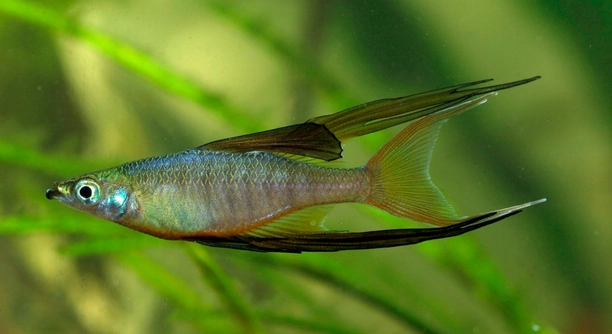
Threadfins are fascinating fish known for their delicate fins and swift movements. These traits make them captivating to observe in aquariums. However, their sensitivity means that environmental changes or excessive stimuli can affect their behavior and overall well-being.
Overstimulation in threadfins occurs when they are exposed to constant or intense sensory input, such as bright lights, rapid movements, or crowded environments. This can lead to stress, erratic swimming, weakened immunity, and reduced feeding efficiency, ultimately impacting their health.
Understanding these responses helps ensure threadfins remain calm and healthy. Observing their environment and adjusting stimuli can greatly improve their comfort and longevity in captivity.
Causes of Overstimulation in Threadfins
Threadfins are sensitive to their surroundings, and several factors can trigger overstimulation. Bright lighting, sudden movements around the tank, and excessive noise all contribute to stress. Even overcrowding with other fish can make them feel threatened. Changes in water flow or temperature can also upset their balance, making them swim erratically or hide. Overfeeding or inconsistent feeding schedules may lead to excitement and heightened activity that exhausts them over time. Decorations placed too close together, or sharp objects in the tank, can cause constant caution and unease. In some cases, interaction with equipment, like filters and pumps, produces vibrations that make them nervous. Maintaining a calm environment is essential. Observing their daily patterns helps identify stress triggers early, allowing small adjustments to improve comfort. Providing hiding spots and keeping stimuli consistent can prevent excessive responses and support their long-term health. Proper care requires understanding these subtle environmental pressures.
Careful observation is key. Adjusting light, noise, and tank setup minimizes overstimulation and promotes stable behavior.
Stress affects feeding, growth, and immunity. Threadfins exposed to constant disturbances may develop weakened health over weeks. Maintaining consistent conditions, including temperature and tank companions, ensures they remain active without being anxious. Providing moderate water flow and proper space allows them to swim naturally while reducing stress. Feeding at regular times and offering a balanced diet keeps their energy steady. Even slight changes, like rearranging decorations or adding new fish, can trigger nervous behavior. Monitoring interactions among tank mates prevents bullying and protects weaker fish from panic. Offering shaded areas or plants gives them a retreat when stimuli are unavoidable. Regular cleaning and maintenance reduce unexpected disturbances from equipment or sudden noises. Over time, a consistent and calm environment fosters resilience in threadfins, allowing them to thrive physically and mentally. Observing patterns daily helps catch early signs of overstimulation before problems escalate. The smallest adjustments often have significant benefits for their overall health.
Signs That Threadfins Are Overstimulated
Erratic swimming, hiding, and refusing food are common signs of overstimulation in threadfins.
These behaviors indicate stress and can lead to more serious health issues if not addressed. Overactive swimming, frequent darting, or clustering at tank edges are immediate indicators. Loss of appetite or sudden lethargy shows their energy is depleted. Some threadfins may rub against surfaces or decorations, which can cause physical injury over time. Changes in coloration, such as paleness or dull scales, signal ongoing distress. Observing interactions with other fish also provides clues; avoiding contact or constant fleeing points to nervousness. Early recognition allows for quick intervention, improving their environment and reducing risk.
Preventing overstimulation requires adjusting the tank layout, maintaining consistent lighting, and limiting disturbances. Reducing sudden noises or activity around the tank creates a calmer setting. Introducing new fish gradually and ensuring adequate space prevents overcrowding stress. Using gentle water flow and adding plants or shaded areas provides retreats for retreating fish. Maintaining a regular feeding schedule and monitoring their reactions keeps them balanced. Over time, these steps strengthen their resilience, reduce erratic behavior, and help threadfins thrive in a stable, comfortable habitat. Regular observation and patience are essential to ensure ongoing well-being.
Environmental Adjustments to Reduce Stress
Providing hiding spots and shaded areas immediately reduces overstimulation. Adjusting tank decorations, spacing, and lighting creates a calmer environment. Ensuring water flow is gentle and consistent helps threadfins swim naturally without panic.
Gradual changes are important. Sudden rearrangements of decorations or introducing new fish can trigger stress, so it is best to implement modifications slowly. Light intensity should be balanced; overly bright lights may cause discomfort, while dim lighting supports calm behavior. Temperature and water quality must remain stable, as fluctuations can lead to erratic swimming or hiding. Observing their responses after each change ensures the adjustments are effective. Small, consistent steps improve their daily comfort and reduce overall stress levels.
Feeding schedules also play a role. Providing consistent timing and appropriate portions prevents excitement from turning into overstimulation. Overfeeding can cause frantic activity, while underfeeding may increase competition and stress. Monitoring their interactions during feeding reveals behavioral patterns and highlights any aggressive tendencies among tank mates. Adding slow-moving water currents or gentle aeration can mimic natural conditions without overwhelming them. Over time, these careful adjustments foster a calmer, healthier environment where threadfins can thrive physically and mentally.
Monitoring Behavior for Early Intervention
Noticing changes in swimming patterns or appetite allows quick responses to overstimulation. Small signs often indicate rising stress before health is affected.
Keeping a daily log of behavior helps identify patterns. Observing interactions with tank mates, responses to light, and reactions during feeding shows when conditions need adjustment. Sudden darting, clustering, or hiding are immediate signals. Monitoring coloration and scale condition reveals subtle signs of stress. Regular inspection of water quality and temperature ensures the environment remains consistent, minimizing triggers. By acting early, it is possible to prevent long-term health problems and maintain stable, confident behavior in threadfins.
Immediate actions like isolating overly stressed individuals or rearranging decorations can calm anxious fish. Adjusting light, flow, and feeding routines reduces overstimulation. Tracking responses over days shows whether changes are effective. Combining environmental management with attentive observation creates a safe, balanced habitat. Over time, threadfins become more resilient, showing normal swimming, regular feeding, and healthy interactions. This proactive approach reduces the risk of chronic stress, supports immune function, and maintains overall vitality. Patience and consistency are key to fostering a stable and comfortable tank environment for all inhabitants.
Adjusting Tank Companions
Choosing compatible tank mates prevents unnecessary stress. Aggressive or overly active fish can trigger panic and overstimulation in threadfins. Careful selection reduces conflict and promotes calm behavior.
Introducing new fish slowly is essential. Quarantining newcomers and observing interactions ensures threadfins adjust without anxiety. This prevents sudden disturbances and helps maintain stable tank dynamics.
Water Quality and Filtration
Maintaining clean, stable water conditions is crucial for reducing stress. Regular testing for pH, ammonia, nitrites, and nitrates keeps the environment safe. Gentle filtration avoids strong currents that can overwhelm threadfins. Temperature stability prevents sudden shocks that provoke erratic swimming or hiding behavior. Consistent maintenance supports immune function and overall vitality.
Feeding Strategies
Providing small, frequent meals prevents excitement from turning into overstimulation. Avoid overfeeding, and ensure all fish have access to food. Consistent feeding routines help threadfins stay calm and maintain steady energy levels.
FAQ
How can I tell if my threadfins are overstimulated?
Threadfins show overstimulation through behavior changes like darting, hiding, or clustering at tank edges. They may lose interest in food or appear lethargic after bursts of frantic activity. Changes in coloration, such as paleness or dull scales, also indicate stress. Observing their interactions with other fish and responses to light, water flow, and noise helps identify early signs. Regular monitoring allows adjustments before serious health issues develop.
What environmental changes reduce overstimulation?
Calm surroundings are key. Adjusting lighting to moderate levels, spacing decorations to avoid overcrowding, and providing hiding spots help threadfins feel secure. Gentle water flow and stable temperature prevent erratic swimming. Avoid sudden rearrangements or loud noises, as these can trigger stress responses. Introducing new tank mates gradually allows threadfins to adapt without panic. Even small changes, like moving a decoration slowly, can make a difference in their comfort.
How often should I monitor my threadfins?
Daily observation is ideal. Watching their swimming patterns, feeding behavior, and interactions helps catch stress early. Logging their reactions to environmental changes ensures adjustments are effective. Checking water parameters like pH, ammonia, nitrites, and nitrates regularly maintains a consistent environment. Even small fluctuations in temperature or filtration can impact their behavior. Consistency in daily care builds a routine, reducing stress and supporting overall health.
Can overcrowding cause overstimulation?
Yes. Too many fish in a tank can lead to constant movement, competition for space, and restricted swimming areas. Threadfins may dart, hide, or avoid other fish when stressed by overcrowding. Providing adequate space and limiting aggressive or active species reduces tension. Observing interactions allows timely separation of overly stressed individuals to prevent injury and maintain a calm environment.
What role does feeding play in preventing overstimulation?
Feeding schedules affect behavior significantly. Providing small, consistent meals prevents excitement from turning into stress. Overfeeding can cause frantic activity, while irregular feeding may increase anxiety. Ensuring all fish have access to food reduces competition and conflict. Monitoring responses during feeding helps adjust routines for a calmer environment, supporting steady energy levels and reducing overstimulation.
Are there physical signs of long-term overstimulation?
Yes. Chronic stress can weaken the immune system, leading to illness. Threadfins may develop dull or faded coloration, damaged fins, or reduced growth. Persistent hiding, erratic swimming, or refusal to eat indicates ongoing discomfort. Early detection and environmental adjustments can reverse many issues before serious health problems arise.
Can lighting affect threadfin behavior?
Absolutely. Bright or fluctuating light can increase stress and overstimulation. Balanced, moderate lighting with gradual transitions supports calm behavior. Providing shaded areas allows retreat when light is unavoidable. Consistent lighting schedules mimic natural cycles, helping threadfins feel secure and reducing erratic swimming caused by sudden brightness changes.
How do tank decorations influence stress levels?
Decorations provide hiding spots and visual breaks that reduce overstimulation. Sharp or closely packed objects can cause constant caution and anxiety. Arranging decorations with open swimming areas allows threadfins to move freely. Plants, rocks, or shaded spaces offer retreats during stressful moments, helping maintain a calm environment and supporting overall well-being.
What should I do if my threadfins remain stressed?
First, evaluate environmental factors: lighting, noise, water flow, and tank companions. Make gradual adjustments and provide hiding spots. Isolating highly stressed individuals temporarily can help them recover. Monitor feeding and behavior closely. Patience is essential, as stress recovery may take days to weeks. Consistent care and observation promote long-term stability and health.
Can gentle water flow improve their comfort?
Yes. Strong currents can overwhelm threadfins, causing erratic swimming and panic. Gentle, consistent water flow mimics natural conditions and supports calm movement. Combining this with stable water temperature, moderate lighting, and adequate space creates an environment where threadfins feel safe, reducing the likelihood of overstimulation.
How do I balance multiple tank mates?
Select compatible species that are neither aggressive nor overly active. Introduce new fish gradually, observing interactions for signs of stress. Ensure adequate space, hiding spots, and feeding access for all individuals. Managing the tank carefully prevents overstimulation, reduces conflict, and promotes a calm, balanced environment for threadfins.
Are there behavioral exercises to calm threadfins?
Providing varied but gentle environmental enrichment helps maintain mental stimulation without stress. Plants, shaded areas, and gentle water movement encourage natural swimming patterns. Avoid sudden changes or overactive toys. Regular, calm observation supports routine and predictable conditions, which reduce anxiety and help threadfins maintain steady behavior.
What are the most common mistakes leading to overstimulation?
Common errors include overcrowding, inconsistent feeding, abrupt changes in tank layout, loud noises, and fluctuating water conditions. Bright lights, strong currents, and aggressive tank mates also increase stress. Identifying and correcting these factors quickly prevents chronic issues. Careful monitoring and gradual adjustments ensure threadfins remain healthy and calm.
How long does it take for threadfins to recover from overstimulation?
Recovery varies depending on the severity of stress and environmental stability. Minor overstimulation may resolve within days, while chronic stress can take weeks. Providing calm surroundings, consistent feeding, gentle water flow, and safe tank mates accelerates recovery. Monitoring behavior ensures improvements and prevents relapse.
Can diet affect stress levels?
Yes. Providing a balanced, easily digestible diet supports steady energy and prevents overactivity from excitement. Inconsistent feeding or competitive access to food can increase stress. Offering small, frequent meals maintains calm behavior and contributes to overall health, helping threadfins cope better with environmental stimuli.
Is it possible to prevent overstimulation entirely?
While some stimuli are unavoidable, careful tank management greatly reduces risk. Stable lighting, water quality, gentle flow, compatible tank mates, and consistent feeding all contribute. Observing behavior and responding quickly to changes prevents chronic stress. Threadfins thrive in a predictable, calm environment with minimal sudden disturbances.
What are signs that recovery is successful?
Improved swimming patterns, regular feeding, natural interactions with tank mates, and restored coloration indicate recovery. Reduced hiding, calmer responses to light or movement, and steady energy levels show threadfins are adapting well. Continued observation ensures lasting stability and helps maintain long-term health.
Can environmental enrichment ever cause overstimulation?
Yes, if changes are too rapid or excessive. Adding too many objects, bright lights, or strong currents can overwhelm threadfins. Gradual introduction and moderation are key. Enrichment should promote natural behaviors without creating anxiety, maintaining a balanced and calming environment.
How important is routine in preventing stress?
Routine is essential. Consistent feeding, stable lighting, and predictable interactions reduce anxiety and prevent overstimulation. Sudden changes in environment or care disrupt comfort, so establishing and maintaining daily routines supports threadfins’ well-being and overall health.
Are some threadfins more sensitive than others?
Yes. Individual temperament varies, and some threadfins react strongly to minor changes. Observing each fish’s behavior allows tailored care, ensuring more sensitive individuals receive appropriate space, hiding spots, and gradual adjustments to maintain calm and prevent stress.
Threadfins are delicate fish that require careful attention to their environment. Overstimulation can occur easily if lighting, water flow, or tank companions are not balanced. By understanding the common triggers, it becomes easier to create a space where they feel secure. Even small changes, such as adjusting decorations or providing shaded areas, can make a significant difference in their daily comfort. Threadfins respond quickly to their surroundings, and consistent monitoring allows early detection of stress before it affects their health. Observing swimming patterns, feeding behavior, and social interactions provides insights into their well-being and highlights areas that may need adjustment. A calm environment encourages natural behavior, helps maintain steady energy levels, and supports their immune system, preventing long-term issues that can arise from chronic stress.
Maintaining stable water conditions is equally important. Temperature fluctuations, changes in pH, or inconsistent filtration can provoke anxiety in threadfins. Gentle water flow and gradual adjustments in equipment or tank layout prevent sudden disruptions. Feeding routines also play a role in reducing stress, with small, frequent meals promoting steady energy and minimizing competition among tank mates. Overcrowding should be avoided, and the selection of compatible companions ensures harmony within the tank. Threadfins are naturally sensitive, and even minor disturbances can cause erratic swimming, hiding, or reduced appetite. By providing hiding spots and shaded areas, their need for security is met. These simple measures, combined with consistent care, build a supportive environment that encourages healthy growth and natural behavior patterns. Paying attention to these details helps threadfins thrive, making their care more manageable and rewarding.
Patience and observation are the keys to long-term success. Changes should be implemented gradually to avoid additional stress, and ongoing monitoring helps identify subtle signs of overstimulation. Providing a stable and predictable environment allows threadfins to adapt and feel secure, while also supporting their overall health. Environmental enrichment, such as gentle water currents or shaded spaces, encourages natural swimming without causing anxiety. Balanced lighting, consistent feeding, and careful selection of tank mates further reduce the risk of stress. By combining these strategies, threadfins can remain active, calm, and healthy. Understanding their needs and responding thoughtfully ensures they are comfortable in their habitat. Over time, these practices create a steady and resilient environment where threadfins can flourish, demonstrating the importance of deliberate care and attentive observation in maintaining their well-being.

Hello,
If you enjoy the content that we create, please consider saying a "Thank You!" by leaving a tip.
Every little bit helps us continue crafting quality advice that supports the health, happiness, and well-being of pets around the world, for pets of all shapes, sizes, and species.
We really appreciate the kindness and support that you show us!